





Limited Edition Skoda Slavia Monte Carlo Adds New Colours for 200 Buyers Only
Why Buying a Petrol Car in 2026 Could Be Your Biggest Regret
- Cars
- Published: 07 Jan, 2026
Book a Test Drive
Free doorstep test drive at your convenience
The automotive world is changing faster than ever. With electric vehicles (EVs), hybrid technology, strict emission laws, and rising fuel prices, the way we choose cars in 2026 will be very different from previous years. What once seemed like a safe, familiar choice—buying a petrol car—may soon become a decision many people regret. If you are planning to purchase a vehicle in 2026, it’s important to understand why sticking with petrol might cost you more than you expect.
Just like how fashion brands in India constantly evolve to match trends and customer expectations, the car industry is also transforming. Choosing outdated technology is like buying last season’s style from a top fashion brand—it might still look fine today, but tomorrow it feels irrelevant.
Rising Fuel Costs Will Drain Your Budget
One of the biggest reasons petrol cars may become a poor investment is the increasing cost of fuel. Global crude oil prices remain unpredictable, and governments are gradually reducing subsidies on fossil fuels. In India, petrol prices have already crossed comfort levels for daily commuters.
By 2026, EV charging and hybrid fuel costs are expected to be significantly lower than running a pure petrol engine. Over five years, a petrol car owner could end up spending lakhs more on fuel alone compared to EV or hybrid owners. What seems affordable today could become a long-term financial burden tomorrow.
Stricter Emission Norms Will Reduce Car Value
Governments worldwide, including India, are pushing toward cleaner transportation. Upcoming emission standards, low-emission zones, and environmental taxes will make petrol cars less attractive. Some cities may restrict older petrol vehicles from entering key areas, reducing their usability.
This also impacts resale value. As more people shift to electric and hybrid cars, the demand for petrol vehicles will drop. Just as outdated clothing loses value in the fast-moving world of fashion brands in India, petrol cars may depreciate faster than ever.
Electric & Hybrid Technology Is No Longer “Future”—It’s Present
Earlier, EVs were considered experimental or impractical. But by 2026, charging infrastructure will be stronger, battery ranges longer, and prices more competitive. Many manufacturers are already committing to partial or full electrification.
Petrol cars may soon feel outdated compared to tech-loaded electric vehicles that offer:
- Lower running costs
- Instant torque and smoother drive
- Minimal maintenance
- Smart connectivity and software updates
Buying a petrol car in 2026 could be like choosing a basic phone when everyone else is upgrading to smartphones.
Maintenance Costs Will Increase Over Time
Petrol engines rely on multiple moving parts, oil changes, filters, and frequent servicing. As technology advances, spare parts and specialized mechanics for traditional engines may become more expensive.
EVs, on the other hand, have fewer moving components, meaning lower maintenance. Over time, this difference adds up significantly. What you save at purchase might be lost through years of servicing and repairs.
Environmental Impact Will Matter More Than Ever
Consumers today are more environmentally conscious than before. Carbon footprints, air quality, and sustainability now influence buying decisions. In the same way that customers now prefer eco-friendly materials from top fashion brand labels, future car buyers will prioritize low-emission vehicles.
Owning a petrol car in 2026 could feel socially outdated, especially in cities where green policies are actively promoted.
Why Choose Smarter Alternatives in 2026?
If you are planning a vehicle purchase in 2026, choosing an EV or hybrid over a petrol car makes long-term sense.
Why choose modern alternatives instead of petrol?
- Lower Operating Costs: Electricity and hybrid fuel consumption cost far less than petrol.
- Better Resale Value: Demand for eco-friendly vehicles will keep resale prices higher.
- Government Benefits: Tax rebates, reduced registration fees, and incentives make ownership cheaper.
- Future-Ready Technology: Advanced safety, AI-based features, and connected systems.
- Sustainable Choice: Helps reduce pollution and supports cleaner cities.
Much like investing in timeless pieces from fashion brands in India rather than fast fashion, choosing future-proof vehicle technology ensures long-term value.
Conclusion
Buying a petrol car in 2026 might feel like a safe and familiar choice, but in reality, it could turn into your biggest regret. Rising fuel prices, tightening emission laws, falling resale value, and the rapid growth of EV and hybrid technology will make petrol vehicles less practical year after year.
The automotive industry is moving in the same direction as consumer industries like fashion brands in India, where innovation, sustainability, and technology define what remains relevant. Just as shoppers choose a top fashion brand for style and longevity, modern car buyers must prioritize smarter, future-ready options.
If you want a vehicle that saves money, holds value, and stays relevant, looking beyond petrol in 2026 isn’t just wise—it’s necessary.
Frequently Asked Questions (FAQs)
Q1: Will petrol cars be banned in India by 2026?
No complete ban is expected by 2026, but stricter emission norms and regional restrictions may apply, especially in major cities.
Q2: Are electric cars affordable in 2026?
Yes. Battery prices are falling, government incentives are increasing, and many budget EV models will be available.
Q3: Is hybrid better than petrol in 2026?
Absolutely. Hybrids offer better fuel efficiency, lower emissions, and reduced running costs compared to petrol cars.
Q4: Will petrol cars lose resale value?
Yes. As demand for EVs rises, resale value of petrol vehicles is expected to decline faster.
Q5: Should I avoid petrol cars completely?
If you plan long-term ownership, EVs or hybrids are the smarter choice in 2026 due to cost savings, sustainability, and future regulations.
Book a Test Drive
Free doorstep test drive at your convenience
Popular Brands
Latest Car News
Suzuki Loses India Market Share as Buyers Demand More Features
Hybrid Car Sales Decline 8% in June 2026: Complete Analysis
How to Book Maruti Brezza Facelift: Complete Booking Guide
Alto K10 vs Tiago: Which Is Better?
Maruti Brezza Facelift 2026: What's New Compared to the Current Model?
Renault Duster Adventure Edition vs Standard Duster: What's Different?
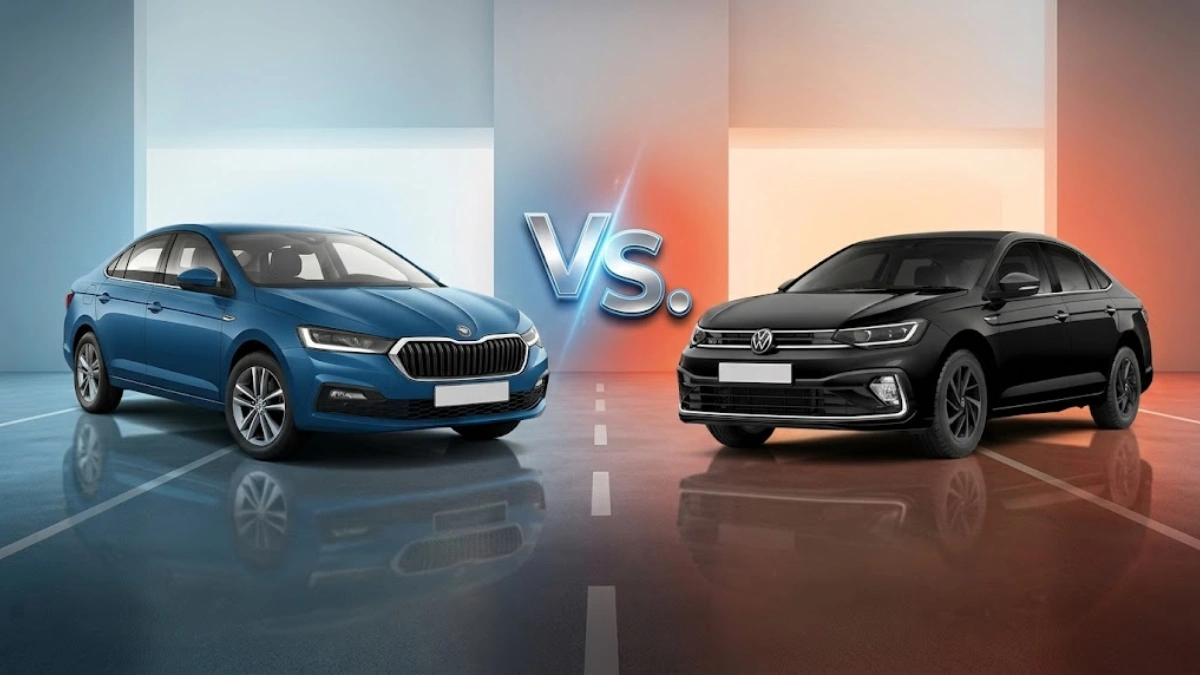
Skoda Slavia Facelift 2026 vs Volkswagen Virtus: Which Sedan Should You Wait For?
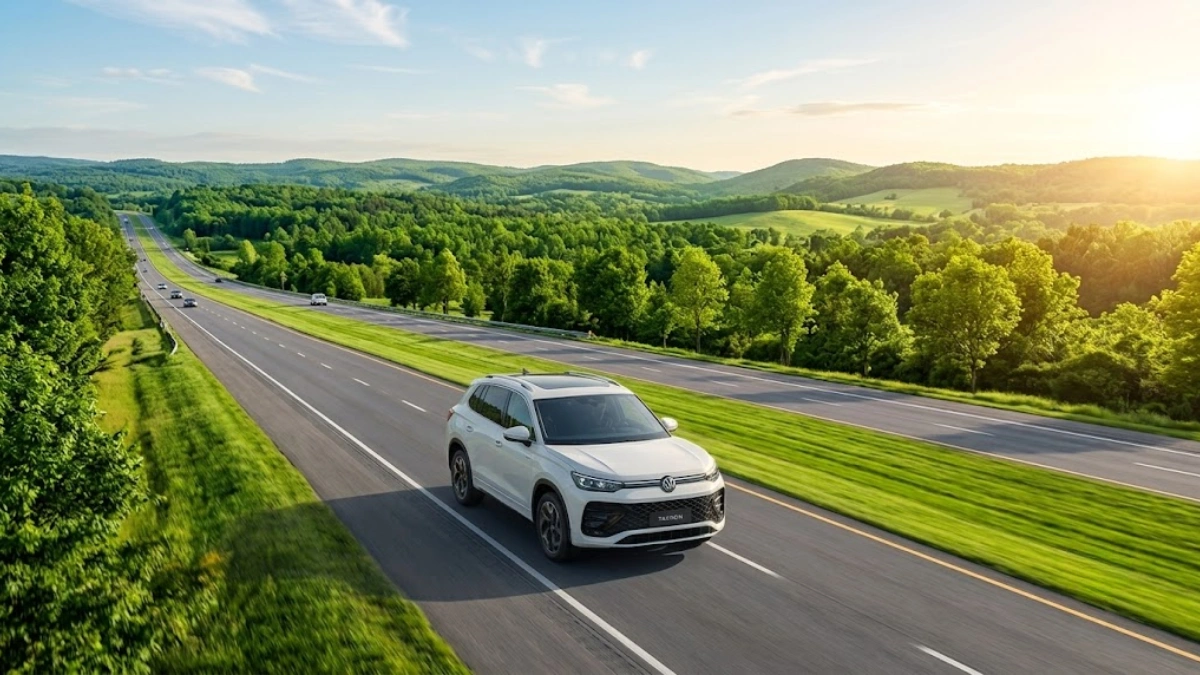
Volkswagen Tayron Life Launched in India at ₹41.99 Lakh
Volkswagen Announces 50% Reduction In Global Car Line-up
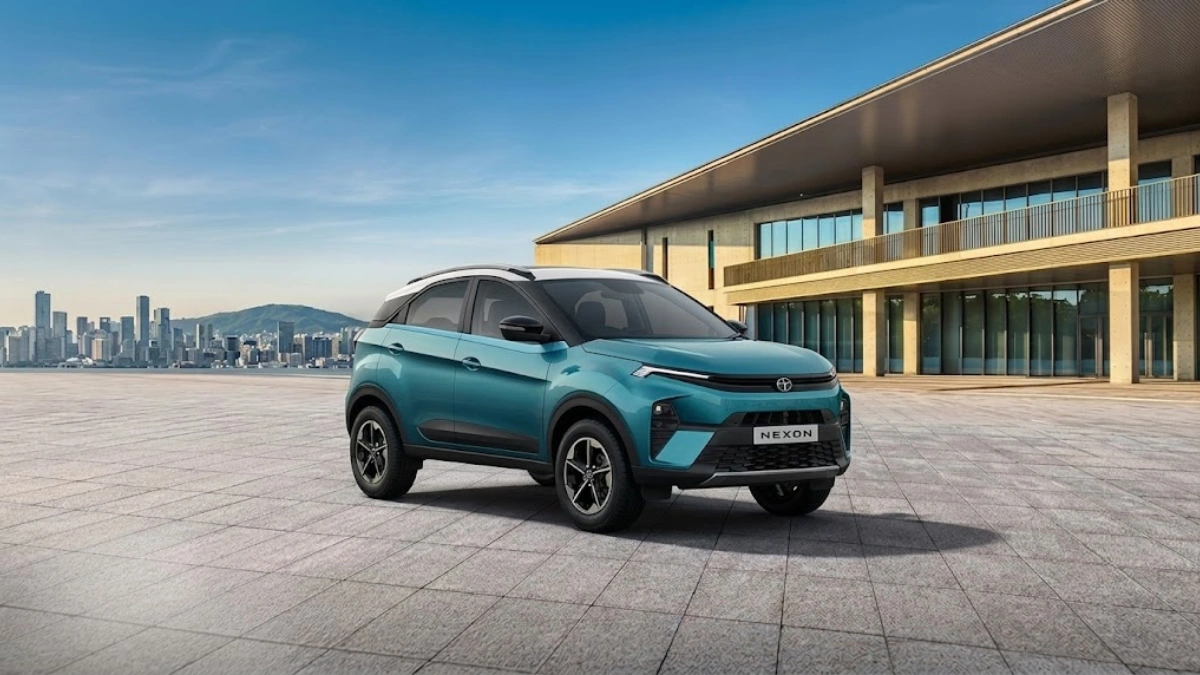
Tata Nexon Pure Plus : Know Everything Before Buying in July
Best Selling Cars of June 2026 in India
July 2026 Car Offers: Tata, Honda, Kia, MG, Hyundai, Maruti and Other Brands' Discount Offers
Renault Kwid 2026 Launched at Rs 4.53 Lakh
Cheapest Hybrid Cars in India: You Must Know
Tata Sierra Test Drive Booking in Noida: Complete Process Guide
Most Affordable Cars with Ventilated Seats in India
Upcoming Sedan Cars in August 2026 in India
Tata Harrier Test Drive Booking in Delhi: A Complete Guide
Upcoming SUVs in August 2026 in India