





Limited Edition Skoda Slavia Monte Carlo Adds New Colours for 200 Buyers Only
NHAI Ends KYV Process for New FASTags from February 1, 2026 (India)
- Cars
- Published: 30 Jan, 2026
Book a Test Drive
Free doorstep test drive at your convenience
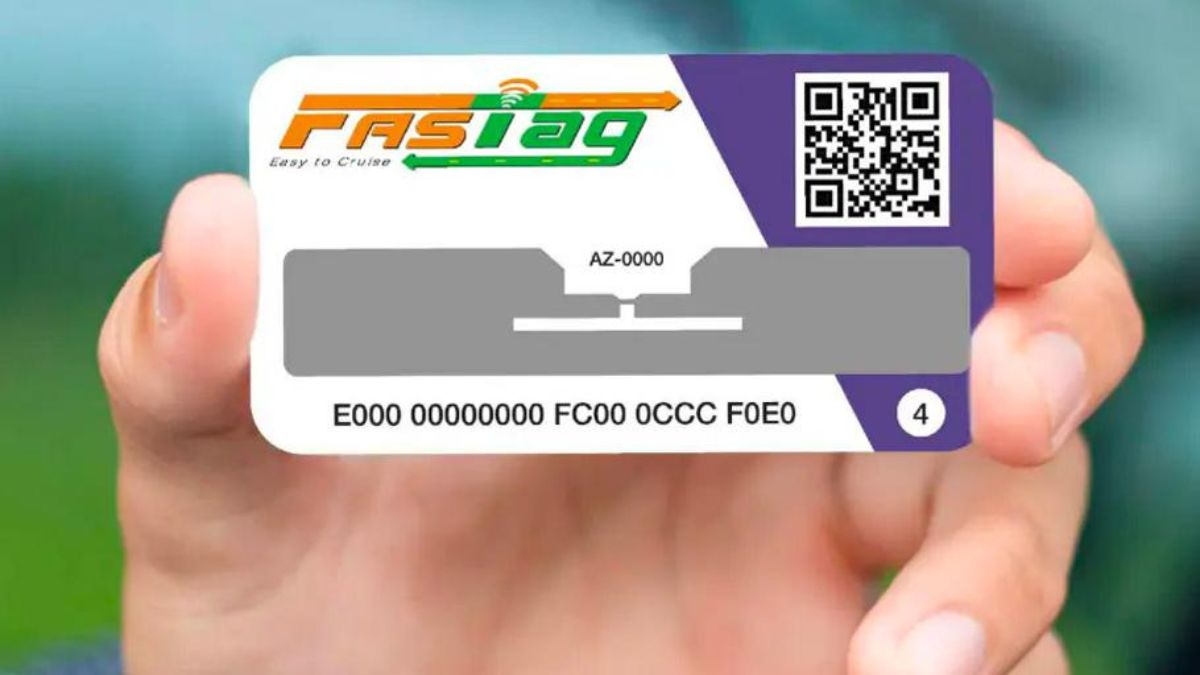
The National Highways Authority of India (NHAI) has announced a major change in FASTag rules that will directly impact millions of vehicle owners across the country. As per the latest update, NHAI ends KYV process for new FASTags from February 1, 2026 (India), simplifying how new FASTags are issued.
For years, vehicle owners have complained about delays, document issues, and confusion during the FASTag application process. The KYV (Know Your Vehicle) verification was meant to improve transparency, but in reality, it often created more hurdles than solutions.
By removing this step, NHAI aims to make FASTag issuance faster, smoother, and more user-friendly, especially for first-time car and two-wheeler owners.
Introduction: Why the KYV Process Became a Problem
FASTag was introduced to:
- Reduce toll booth congestion
- Enable cashless toll payments
- Save fuel and time
However, the KYV process added complications for many users.
Common Problems Faced by Vehicle Owners
- Rejected applications due to data mismatch
- Delays in FASTag activation
- Confusion between KYC and KYV
- Dealer-level verification issues
The Solution
To address these issues, NHAI ends KYV process for new FASTags from February 1, 2026, streamlining the entire system.
What Is the KYV Process in FASTag?
KYV stands for Know Your Vehicle. It was a verification step introduced to ensure that:
- The FASTag is linked to the correct vehicle
- Vehicle details match government databases
- Fraudulent or duplicate FASTags are reduced
KYV Required Verification
- Vehicle Registration Number
- Chassis Number
- RC details
- Vehicle category
While the intention was good, execution proved challenging.
NHAI Ends KYV Process for New FASTags from February 1, 2026: Official Change Explained
From February 1, 2026, the KYV verification step will no longer be mandatory for issuing new FASTags.
What This Means
- Faster FASTag issuance
- Fewer document rejections
- Simplified application process
What Does NOT Change
- KYC (Know Your Customer) remains mandatory
- FASTag linking with bank account continues
- Vehicle RC ownership rules remain applicable
This move focuses on ease of use without compromising security.
Why Did NHAI Decide to End the KYV Process?
1. High Rejection Rates
A large number of FASTag applications were rejected due to:
- Minor spelling errors
- RC data mismatch
- Outdated VAHAN records
2. Increased Complaints
Vehicle owners frequently reported:
- Multiple visits to banks
- Confusion at toll plazas
- Delayed FASTag activation
3. Improved Backend Systems
With better integration of:
- VAHAN database
- Banking systems
- Toll plaza scanners
KYV became less critical.
How New FASTag Issuance Will Work After Feb 1, 2026
Here’s a simplified comparison:
| Step | Before Feb 1, 2026 | After Feb 1, 2026 |
|---|---|---|
| KYC | Mandatory | Mandatory |
| KYV | Mandatory | Not Required |
| RC Verification | Manual + Digital | Digital |
| Activation Time | 2–5 Days | Same Day / 24 Hours |
| Rejection Risk | High | Low |
This change will significantly reduce waiting time.
Who Will Benefit the Most from This Change?
1. New Vehicle Buyers
- Faster delivery of cars and bikes
- No delay in toll usage
2. Commercial Vehicle Owners
- Quicker onboarding
- Reduced downtime
3. Rural and Semi-Urban Users
- Fewer documentation issues
- Less dependency on agents
NHAI Ends KYV Process for New FASTags from February 1, 2026: Impact on Existing FASTag Users
Existing FASTag Holders
- No action required
- Current FASTags remain valid
Replacing Old FASTags
- KYV not required for replacement
- Standard KYC applies
This ensures a smooth transition without disruption.
Benefits / Why Choose the New FASTag Process
Key Benefits
- Faster approval
- Less paperwork
- Reduced errors
- Improved user experience
Why This Is Good for India
- Faster toll operations
- Higher FASTag adoption
- Reduced cash transactions
This move supports India’s push towards digital and cashless infrastructure.
Pros and Cons of Ending the KYV Process
Pros
- Simplified FASTag issuance
- Lower rejection rates
- Faster activation
- Better customer satisfaction
Cons
- Slight dependency on backend data accuracy
- Increased responsibility on users to enter correct details
Overall, the benefits clearly outweigh the risks.
How This Change Affects Toll Plaza Operations
With quicker FASTag activation:
- More vehicles will use FASTag lanes
- Reduced congestion at toll booths
- Improved traffic flow
Toll operators also benefit from smoother operations and fewer disputes.
Is Security Still a Concern Without KYV?
NHAI has clarified that:
- KYC remains compulsory
- RC data is still digitally verified
- Duplicate FASTags are monitored centrally
So, ending KYV does not compromise system security.
NHAI Ends KYV Process for New FASTags from February 1, 2026: What Vehicle Owners Should Do
If You’re Buying a Vehicle in 2026
- Apply for FASTag immediately
- Ensure correct KYC details
- Avoid third-party agents
If You Already Have FASTag
- No changes needed
- Continue normal usage
Being informed will help avoid confusion.
Long-Term Impact on India’s Highway Infrastructure
This decision aligns with:
- Digital India initiatives
- Smart highway management
- Seamless inter-state travel
Over time, this will make highway journeys faster and stress-free.
Conclusion: A Big Relief for FASTag Users
The announcement that NHAI ends KYV process for new FASTags from February 1, 2026 (India) is a welcome move for vehicle owners across the country.
By simplifying FASTag issuance while maintaining security through KYC, NHAI has struck the right balance between convenience and control.
CTA
If you’re planning to buy a vehicle or replace your FASTag in 2026, stay updated with the new rules and apply through authorised channels only to avoid delays.
FAQs
1. From when is KYV no longer required for FASTag?
KYV will not be required for new FASTags from February 1, 2026.
2. Is KYC still mandatory for FASTag?
Yes, KYC remains compulsory for all FASTag applications.
3. Will existing FASTags be affected by this rule?
No, existing FASTags will continue to work normally.
4. Will FASTag approval become faster after this change?
Yes, approval and activation are expected to be much quicker.
5. Does ending KYV increase fraud risk?
No, digital verification systems and KYC ensure security remains intact.
Book a Test Drive
Free doorstep test drive at your convenience
Popular Brands
Latest Car News

Suzuki Loses India Market Share as Buyers Demand More Features

Hybrid Car Sales Decline 8% in June 2026: Complete Analysis

How to Book Maruti Brezza Facelift: Complete Booking Guide

Alto K10 vs Tiago: Which Is Better?

Maruti Brezza Facelift 2026: What's New Compared to the Current Model?

Renault Duster Adventure Edition vs Standard Duster: What's Different?

Skoda Slavia Facelift 2026 vs Volkswagen Virtus: Which Sedan Should You Wait For?

Volkswagen Tayron Life Launched in India at ₹41.99 Lakh

Volkswagen Announces 50% Reduction In Global Car Line-up
Tata Nexon Pure Plus : Know Everything Before Buying in July

Best Selling Cars of June 2026 in India
July 2026 Car Offers: Tata, Honda, Kia, MG, Hyundai, Maruti and Other Brands' Discount Offers
Renault Kwid 2026 Launched at Rs 4.53 Lakh

Cheapest Hybrid Cars in India: You Must Know

Tata Sierra Test Drive Booking in Noida: Complete Process Guide

Most Affordable Cars with Ventilated Seats in India

Upcoming Sedan Cars in August 2026 in India

Tata Harrier Test Drive Booking in Delhi: A Complete Guide

Upcoming SUVs in August 2026 in India