





Limited Edition Skoda Slavia Monte Carlo Adds New Colours for 200 Buyers Only
The End of the Steering Wheel? Cars Coming in 2026 Are Changing Everything
- Cars
- Published: 07 Jan, 2026
Book a Test Drive
Free doorstep test drive at your convenience
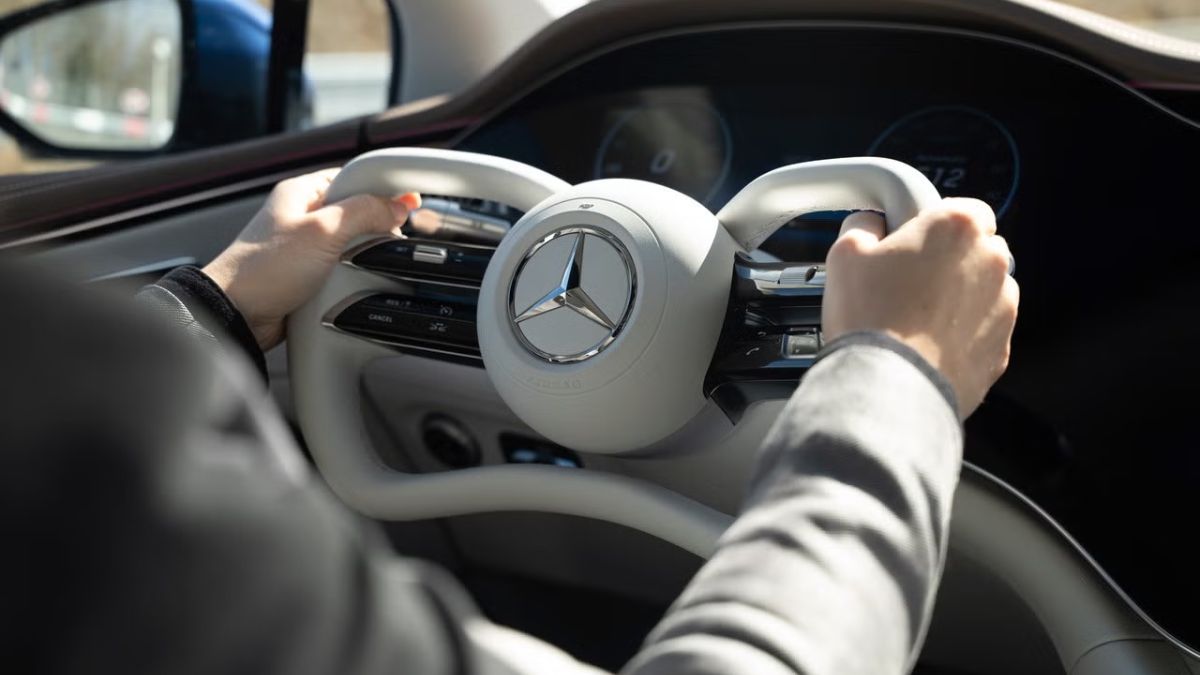
For more than a century, the steering wheel has defined how humans interact with cars. It represents control, driving skill, and freedom on the road. But as we move closer to 2026, that symbol of driving may soon become optional—or even disappear in some vehicles. With the rise of autonomous technology, artificial intelligence, and advanced sensors, the cars of the future are no longer just machines you drive. They are intelligent systems that drive themselves.
Much like how fashion brands in India constantly reinvent styles to reflect changing lifestyles, the automotive industry is redesigning the very idea of mobility. Just as a top fashion brand sets trends that redefine what people wear, next-generation vehicles are reshaping how people move.
Why Are Automakers Removing the Steering Wheel?
Self-driving technology has evolved rapidly over the last decade. By 2026, many manufacturers plan to release vehicles capable of Level 4 or near-Level 5 autonomy—meaning cars can operate with little to no human intervention under most conditions.
To support this new driving experience, automakers are redesigning interiors. Without a steering wheel:
- Cabin space increases, offering lounge-like comfort
- Seats can rotate for social or work-focused layouts
- Digital dashboards replace traditional controls
In autonomous mode, the car becomes more like a mobile living space than a traditional vehicle.
How Autonomous Cars Will Change Daily Travel
The most dramatic change is how people will use their travel time. Instead of focusing on traffic, drivers become passengers who can work, relax, or be entertained.
Imagine commuting while answering emails, attending video meetings, or simply enjoying a coffee. Long road trips could turn into productive or restful journeys. For families, children can move freely without being restricted by a front-facing driver seat. This is not science fiction—these interior concepts are already being tested.
Just as customers choose fashion brands in India not only for style but for comfort and lifestyle fit, future car buyers will prioritize how a vehicle enhances daily life rather than how it performs behind the wheel.
Safety Will Be the Biggest Advantage
One of the strongest arguments for removing human control is safety. Human error causes the majority of road accidents. Autonomous systems rely on:
- LiDAR and radar sensors for 360-degree awareness
- AI-based decision-making in real time
- Predictive analytics to avoid potential collisions
By eliminating distraction, fatigue, and aggressive driving, autonomous vehicles promise a future with significantly fewer accidents. By 2026, many smart cities are expected to introduce dedicated lanes or zones for self-driving cars, accelerating their adoption.
Legal and Cultural Challenges Remain
Despite technological readiness, removing the steering wheel entirely still faces legal and cultural barriers. Many drivers enjoy driving and value the sense of control. Governments must also adapt traffic laws, insurance policies, and liability frameworks.
However, hybrid models are expected in 2026—cars that offer both autonomous mode and manual control. In these vehicles, the steering wheel may retract or remain hidden until needed. Over time, as trust in automation grows, fully driverless cars could become the norm.
This transition mirrors how top fashion brand houses introduce bold trends gradually, allowing consumers to adapt rather than forcing sudden change.
Impact on Design, Luxury, and Lifestyle
Without traditional driving components, car interiors will resemble premium lounges or compact offices. Expect:
- Touchscreen control panels and voice-activated systems
- Reclining or rotating seats
- Mood lighting and personalized cabin environments
- Seamless connectivity with smart homes and devices
Cars will no longer be just transportation—they will be extensions of personal and professional life. For urban professionals, this could redefine productivity. For travelers, it will redefine comfort.
Why Choose Autonomous-Ready Cars in 2026?
As the automotive industry evolves, choosing a future-ready vehicle becomes a strategic decision.
Why choose cars designed for autonomous driving?
- Unmatched Convenience: Travel while working, relaxing, or socializing.
- Higher Safety Standards: Reduced accidents through AI-driven systems.
- Innovative Interiors: More space, comfort, and customization.
- Better Resale Value: Future-ready technology retains long-term demand.
- Sustainability: Most autonomous vehicles will be electric or hybrid, reducing emissions.
Just like investing in enduring designs from fashion brands in India, selecting advanced automotive technology ensures relevance for years to come.
Conclusion
The question is no longer whether cars will drive themselves—it is how quickly society will adapt. By 2026, vehicles without traditional steering wheels will no longer be experimental concepts but real products on the road. With enhanced safety, intelligent design, and a complete shift in how we use travel time, autonomous cars are redefining mobility.
The automotive transformation reflects the evolution seen in industries like fashion brands in India, where innovation, lifestyle alignment, and future trends determine success. Just as a top fashion brand leads style rather than follows it, next-generation cars are leading us toward a world where driving becomes optional.
The end of the steering wheel is not the end of mobility—it is the beginning of a smarter, safer, and more human-centered journey.
Frequently Asked Questions (FAQs)
Q1: Will cars without steering wheels be legal in 2026?
Some regions will allow them under specific regulations, while others may require manual control as a backup.
Q2: Are fully autonomous cars safe?
Autonomous vehicles use advanced sensors and AI that significantly reduce accidents caused by human error.
Q3: Will people still be able to drive manually?
Yes. Many 2026 models will offer both autonomous and manual modes, allowing drivers to switch when desired.
Q4: Will autonomous cars be expensive?
Initially, they may cost more, but as technology scales, prices are expected to become more accessible.
Q5: Should I wait until 2026 to buy a car?
If you want the latest in safety, comfort, and automation, waiting could be worthwhile. However, many features are already appearing in current models.
Book a Test Drive
Free doorstep test drive at your convenience
Popular Brands
Latest Car News
Suzuki Loses India Market Share as Buyers Demand More Features
Hybrid Car Sales Decline 8% in June 2026: Complete Analysis
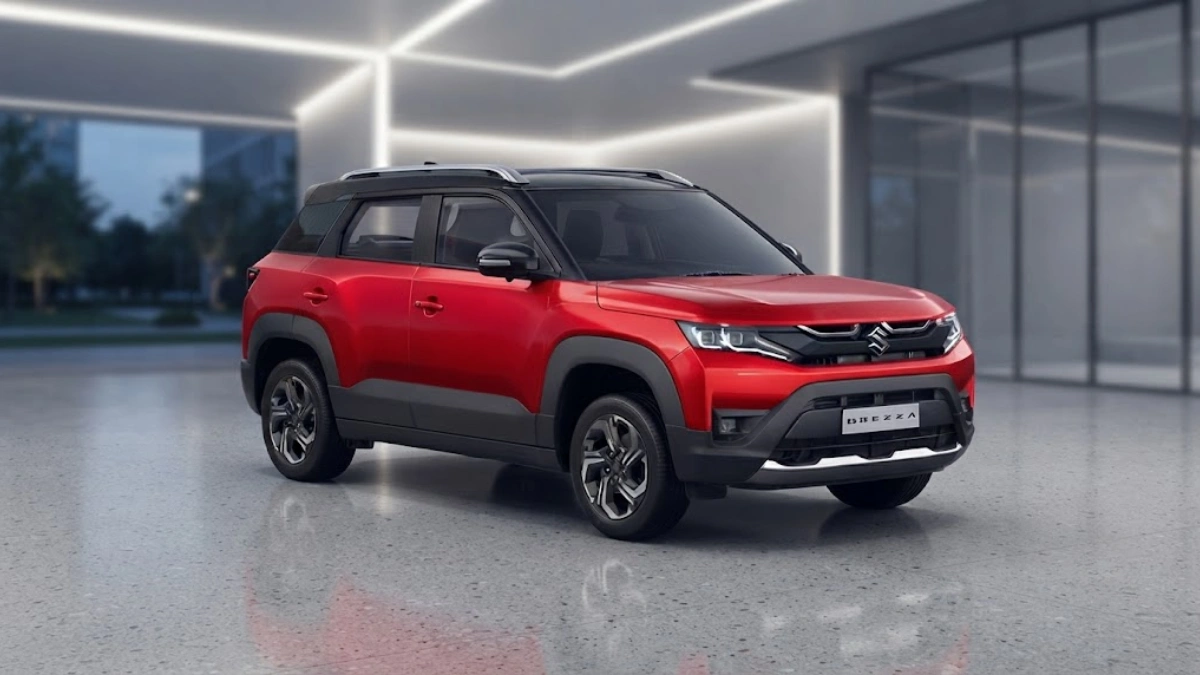
How to Book Maruti Brezza Facelift: Complete Booking Guide
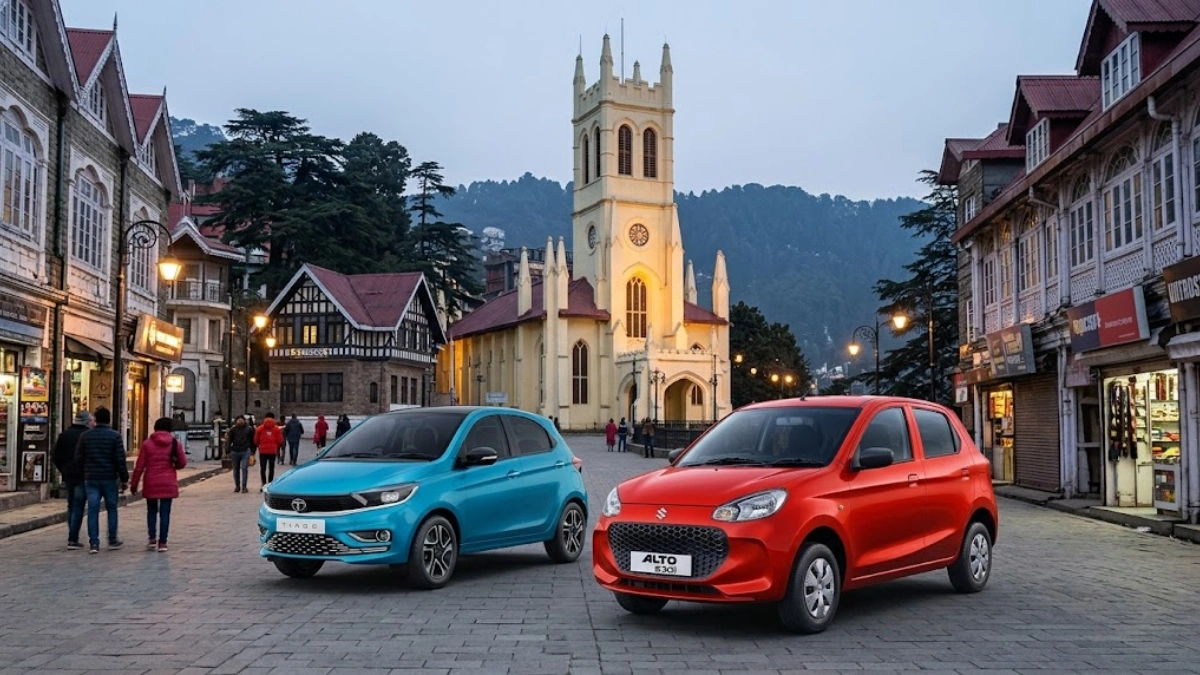
Alto K10 vs Tiago: Which Is Better?
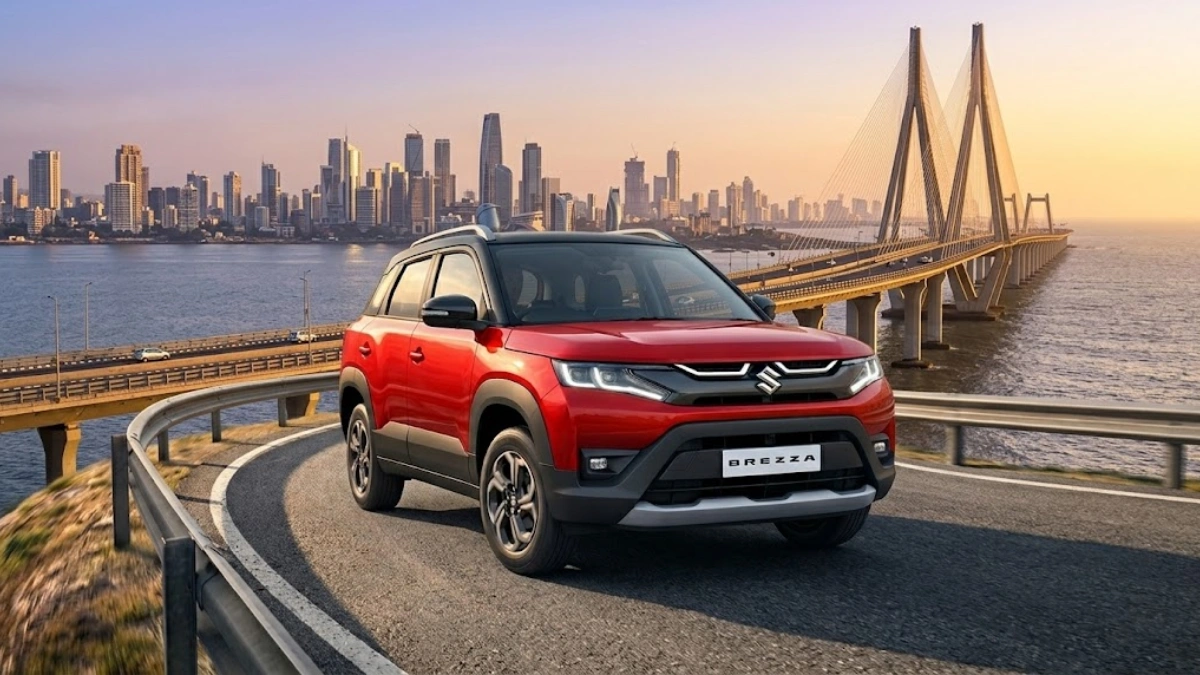
Maruti Brezza Facelift 2026: What's New Compared to the Current Model?
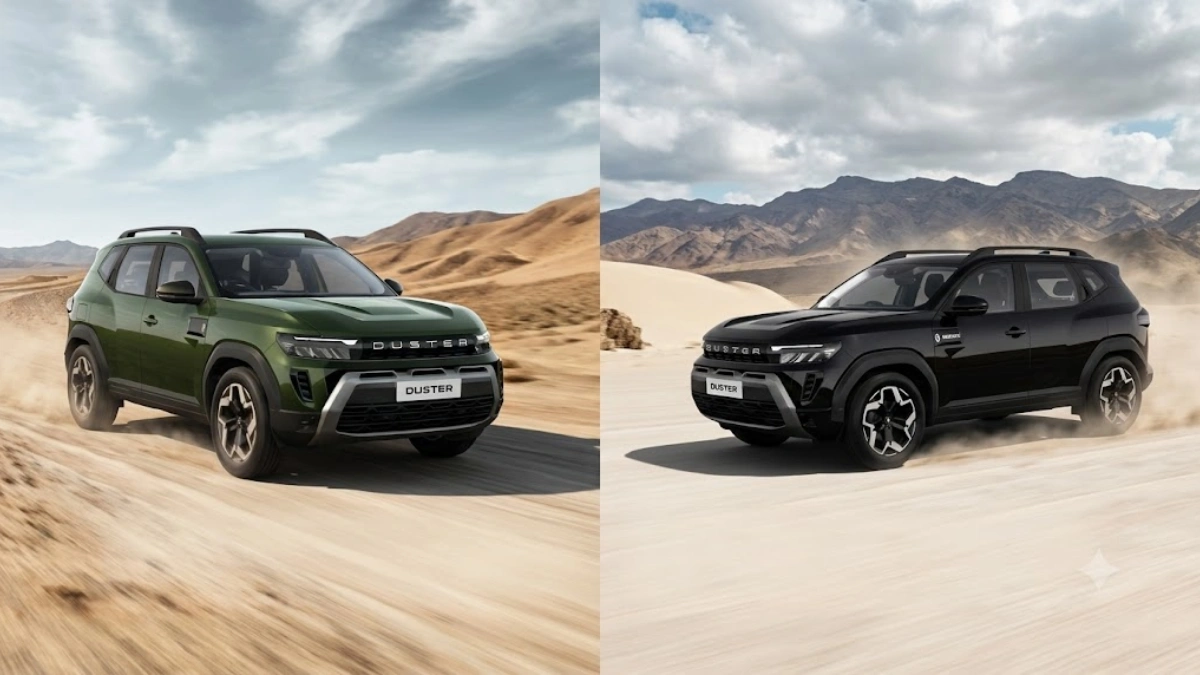
Renault Duster Adventure Edition vs Standard Duster: What's Different?
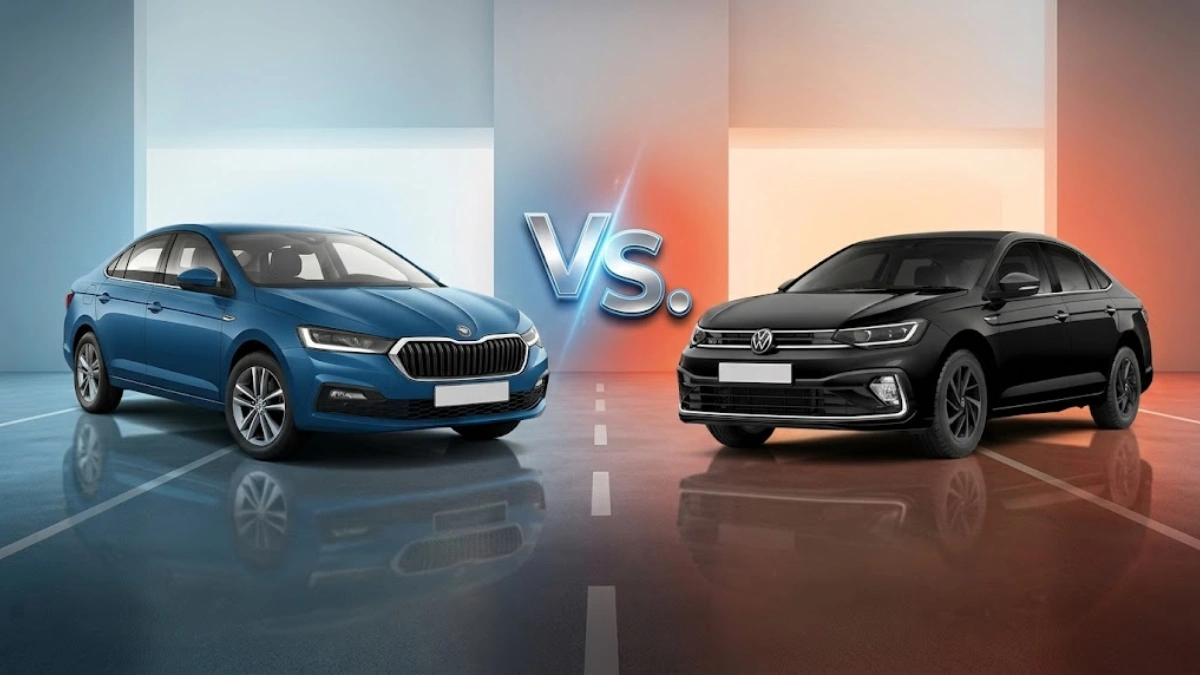
Skoda Slavia Facelift 2026 vs Volkswagen Virtus: Which Sedan Should You Wait For?
Volkswagen Tayron Life Launched in India at ₹41.99 Lakh
Volkswagen Announces 50% Reduction In Global Car Line-up
Tata Nexon Pure Plus : Know Everything Before Buying in July
Best Selling Cars of June 2026 in India
July 2026 Car Offers: Tata, Honda, Kia, MG, Hyundai, Maruti and Other Brands' Discount Offers
Renault Kwid 2026 Launched at Rs 4.53 Lakh
Cheapest Hybrid Cars in India: You Must Know
Tata Sierra Test Drive Booking in Noida: Complete Process Guide
Most Affordable Cars with Ventilated Seats in India
Upcoming Sedan Cars in August 2026 in India
Tata Harrier Test Drive Booking in Delhi: A Complete Guide
Upcoming SUVs in August 2026 in India