





Limited Edition Skoda Slavia Monte Carlo Adds New Colours for 200 Buyers Only
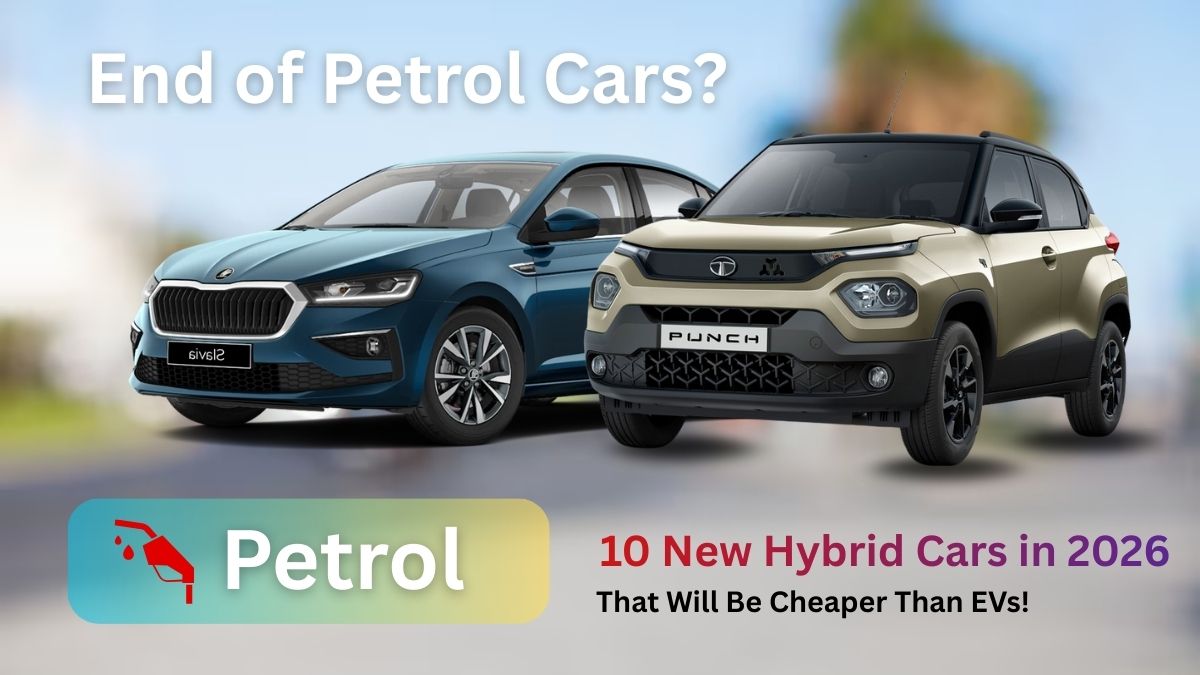
End of Petrol Cars? 10 New Hybrid Cars in 2026 That Will Be Cheaper Than EVs!
- Cars
- Published: 10 Dec, 2025
Book a Test Drive
Free doorstep test drive at your convenience
The Indian automotive market is entering a major transition phase. While EVs continue to gain attention, the rapid rise of hybrid cars has sparked a new debate: Are petrol cars nearing their end? And more importantly, will hybrid cars become the affordable middle ground before full EV adoption?
By 2026, several automakers—Maruti Suzuki, Toyota, Honda, Hyundai, Tata, and Mahindra—are expected to launch 10 new hybrid cars designed to offer high mileage, low maintenance, and a price tag cheaper than full EVs. With rising fuel prices and charging infrastructure challenges, hybrids may just become India’s smartest choice in the coming years.
Below is a detailed look at why hybrids could dominate the roads in 2026, the upcoming models, and how this shift impacts the future of petrol vehicles.
Why Hybrids Are Gaining Momentum
Hybrid cars run on both petrol and an electric motor, automatically switching between or combining the two to deliver maximum efficiency. Unlike full EVs, hybrids don't rely on public charging stations—they self-charge through regenerative braking and engine power.
Here’s why hybrids are becoming so popular:
1. Better Mileage Than Petrol Cars
Many modern hybrid engines deliver 25–35 km/l, which is far better than standard petrol cars.
2. No Range Anxiety Like EVs
You get the benefit of electric drive without worrying about where to charge.
3. Lower Price Compared to EVs
EV battery costs are still high. Hybrids provide a balance of affordability and technology.
4. Easy Maintenance
They use proven petrol engine technology with fewer complications than pure EV systems.
10 New Hybrid Cars Coming in 2026 That May Be Cheaper Than EVs
While exact models will be confirmed by manufacturers, industry trends strongly point to these 10 hybrid vehicles:
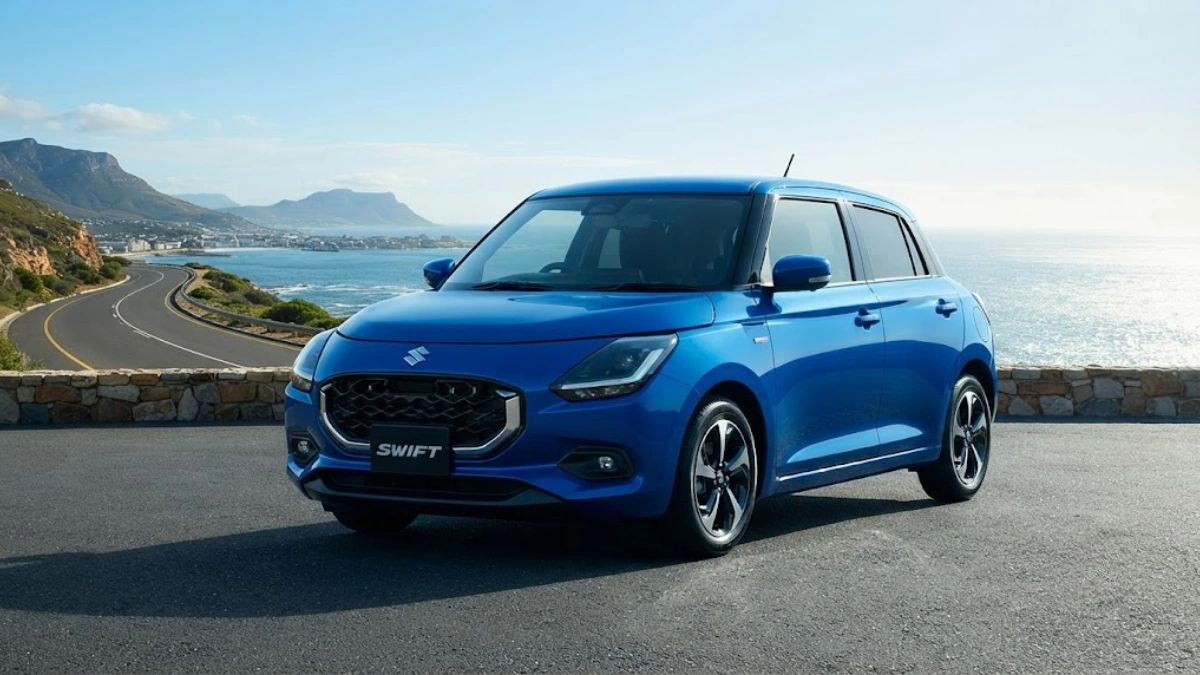
1. Maruti Suzuki Swift Hybrid (2026 Model)
Expected to be India’s most affordable strong-hybrid car, delivering 30+ km/l mileage.
2. Maruti Baleno Hybrid
Built on Suzuki’s new hybrid tech, this premium hatchback will offer EV-like smoothness.
3. Toyota Urban Cruiser Taisor Hybrid
Toyota is aggressively pushing hybrids, and this compact SUV will be priced attractively.
4. Toyota Innova Crysta Light Hybrid
A lighter hybrid version expected to reduce cost and improve efficiency.
5. Honda City Hybrid (Next-Gen)
Honda is working on a more affordable version of its e:HEV strong-hybrid technology.
6. Honda Elevate Hybrid
A highly awaited model, expected to challenge Creta EV and Brezza EV alternatives.
7. Hyundai Creta Hybrid
Hyundai will introduce hybrid tech across its bestselling SUVs—Creta leading the way.
8. Hyundai Venue Hybrid
A budget-friendly compact hybrid SUV for Indian families.
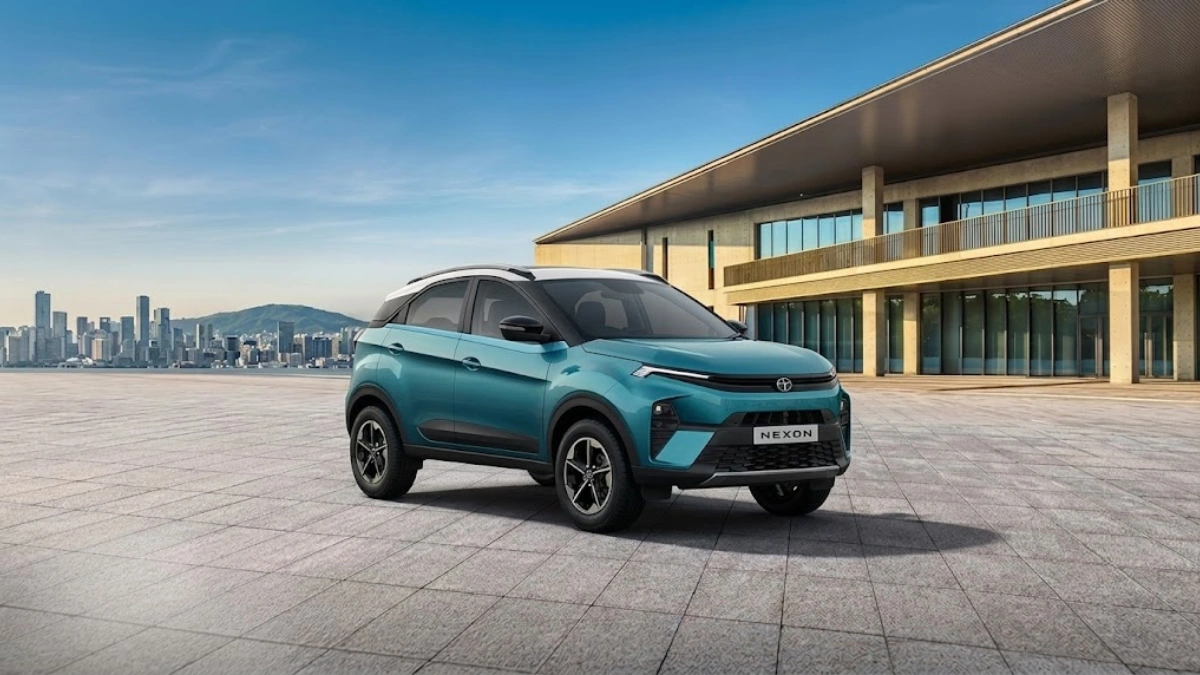
9. Tata Nexon Hybrid
Tata is preparing hybrid tech for mass-market before switching fully to EV-only strategies.
10. Mahindra XUV300 Hybrid
Mahindra's hybrid move will offer an affordable alternative for buyers not ready for full EV.
These hybrid vehicles will likely be priced 20–30% cheaper than EVs in their respective segments, making them ideal for middle-class buyers who want fuel savings without high battery costs.
Why Choose a Hybrid Car in 2026?
1. Affordable Future Mobility
EVs are still expensive due to costly battery packs. Hybrids deliver modern technology without premium pricing.
2. Best Mileage in the Segment
Imagine getting 30–35 km/l consistently—huge savings for daily office commuters.
3. No Charging Problems
No long queues at charging stations, no waiting time, no need for home charging setups.
4. Reduced Emissions
Lower CO₂ output compared to pure petrol engines; a step toward cleaner mobility.
5. Long-Lasting Engines
Hybrid engines run cooler and with less stress, increasing engine life.
6. Ideal for Indian Traffic
City stop-and-go conditions enhance hybrid efficiency due to regenerative braking.
Conclusion
The big question—Is this the end of petrol cars?
Not immediately, but the shift has clearly started.
With 10 new hybrids expected in 2026, offering better mileage, lower pollution, and more affordability than EVs, India is moving toward a hybrid-first future before fully transitioning to electric mobility.
Hybrids bridge the gap perfectly:
- Cheaper than EVs
- Cleaner than petrol cars
- More convenient than both
For Indian buyers concerned about high EV prices and charging infrastructure, hybrid cars will become the most sensible choice in 2026.
FAQ
Q1. Are hybrid cars cheaper than EVs?
Yes. Hybrids don’t require expensive battery packs, making them 20–30% cheaper than EVs in most segments.
Q2. Do hybrid cars need charging?
No. They self-charge while driving through regenerative braking and engine power.
Q3. Are hybrids better than petrol cars?
They offer more mileage, better acceleration, lower emissions, and smoother driving.
Q4. Are hybrid cars expensive to maintain?
No. Hybrid tech is reliable and maintenance costs are similar to petrol cars.
Q5. Will petrol cars disappear soon?
Not immediately, but with rising fuel prices and stricter emission norms, hybrids and EVs will gradually replace them over the next decade.
Book a Test Drive
Free doorstep test drive at your convenience
Popular Brands
Latest Car News
Suzuki Loses India Market Share as Buyers Demand More Features
Hybrid Car Sales Decline 8% in June 2026: Complete Analysis
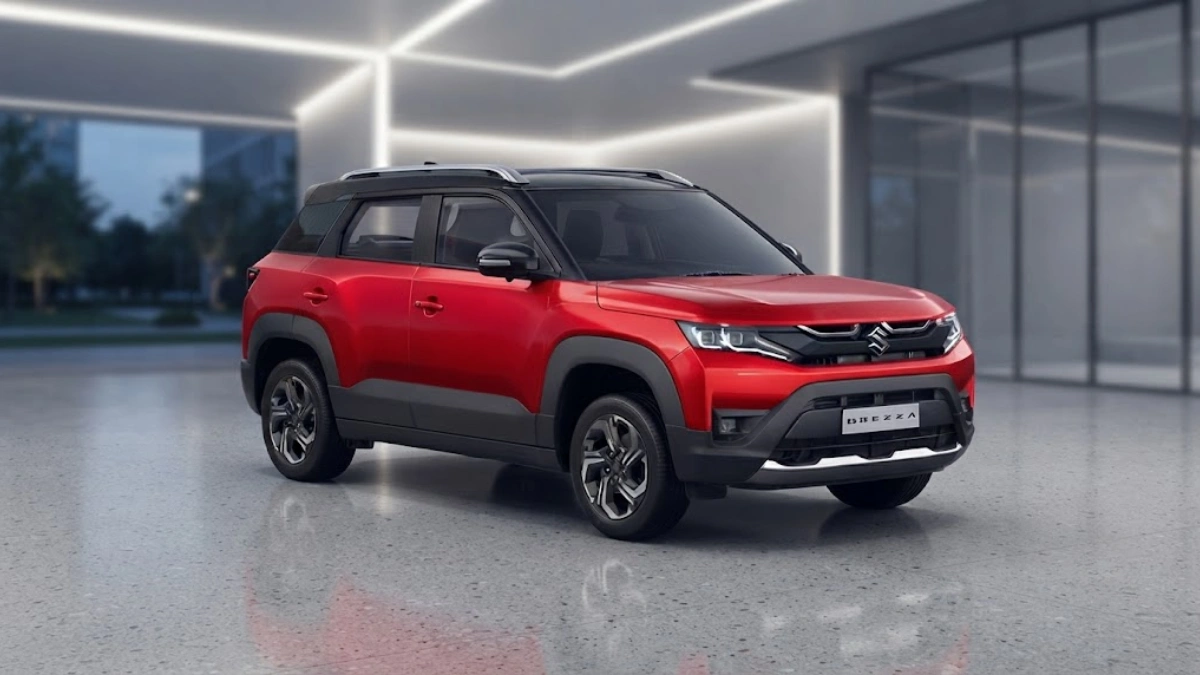
How to Book Maruti Brezza Facelift: Complete Booking Guide
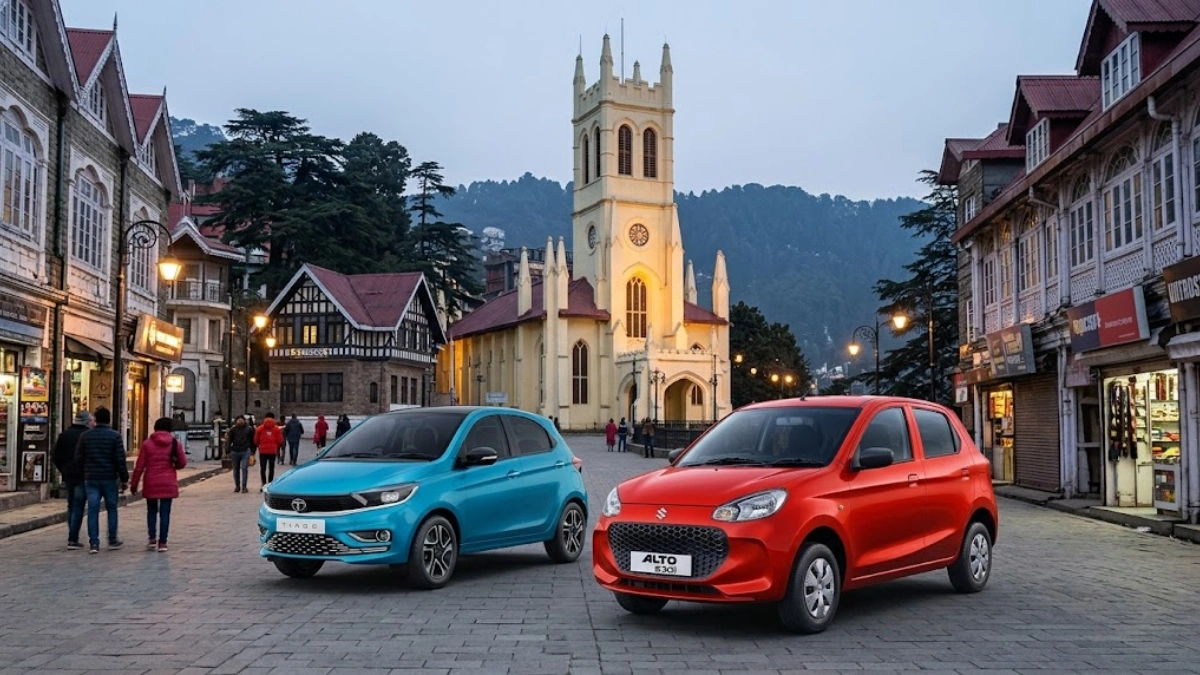
Alto K10 vs Tiago: Which Is Better?
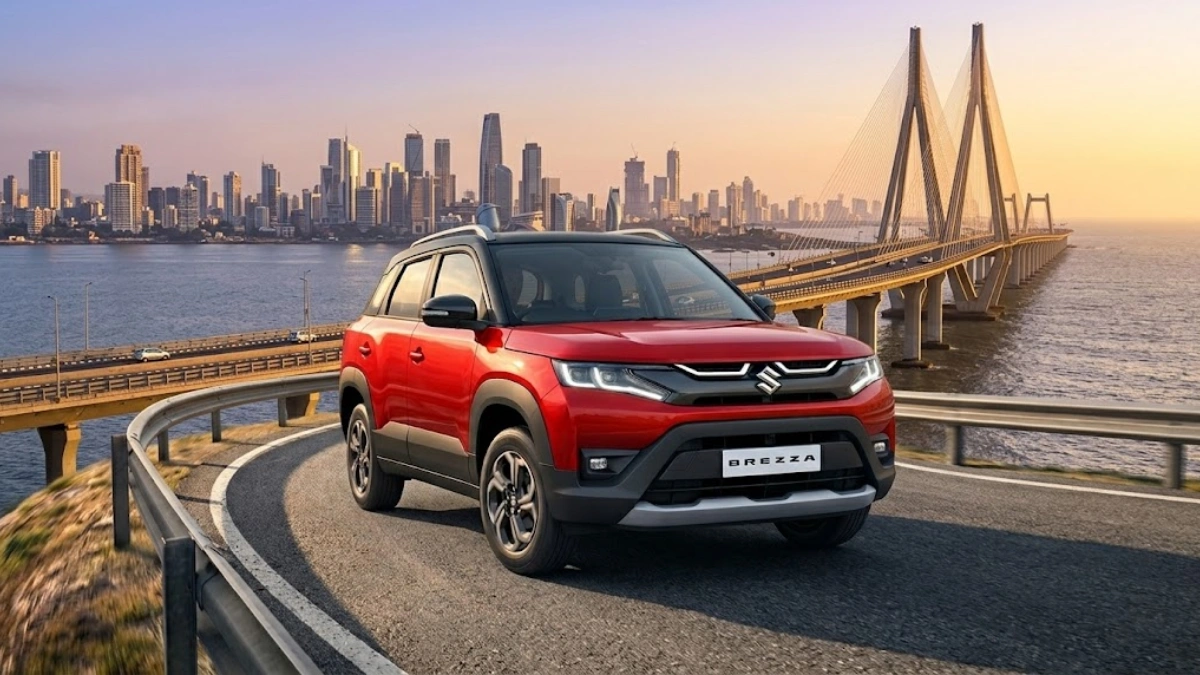
Maruti Brezza Facelift 2026: What's New Compared to the Current Model?
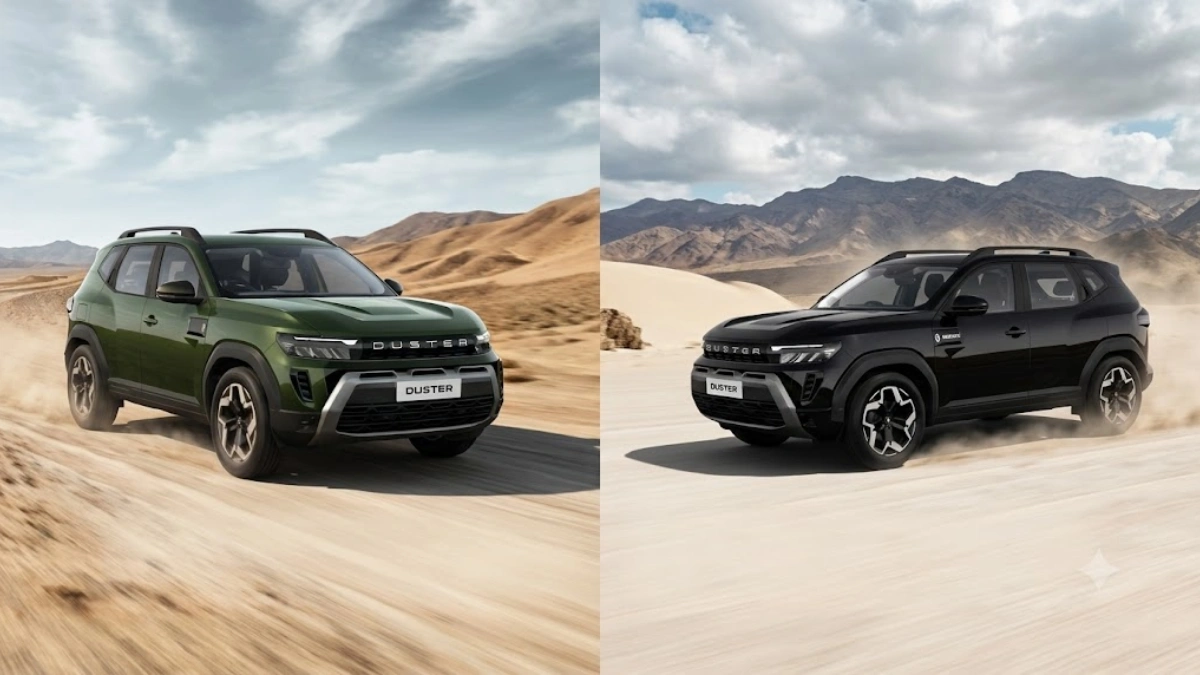
Renault Duster Adventure Edition vs Standard Duster: What's Different?
Skoda Slavia Facelift 2026 vs Volkswagen Virtus: Which Sedan Should You Wait For?
Volkswagen Tayron Life Launched in India at ₹41.99 Lakh
Volkswagen Announces 50% Reduction In Global Car Line-up
Tata Nexon Pure Plus : Know Everything Before Buying in July
Best Selling Cars of June 2026 in India
July 2026 Car Offers: Tata, Honda, Kia, MG, Hyundai, Maruti and Other Brands' Discount Offers
Renault Kwid 2026 Launched at Rs 4.53 Lakh
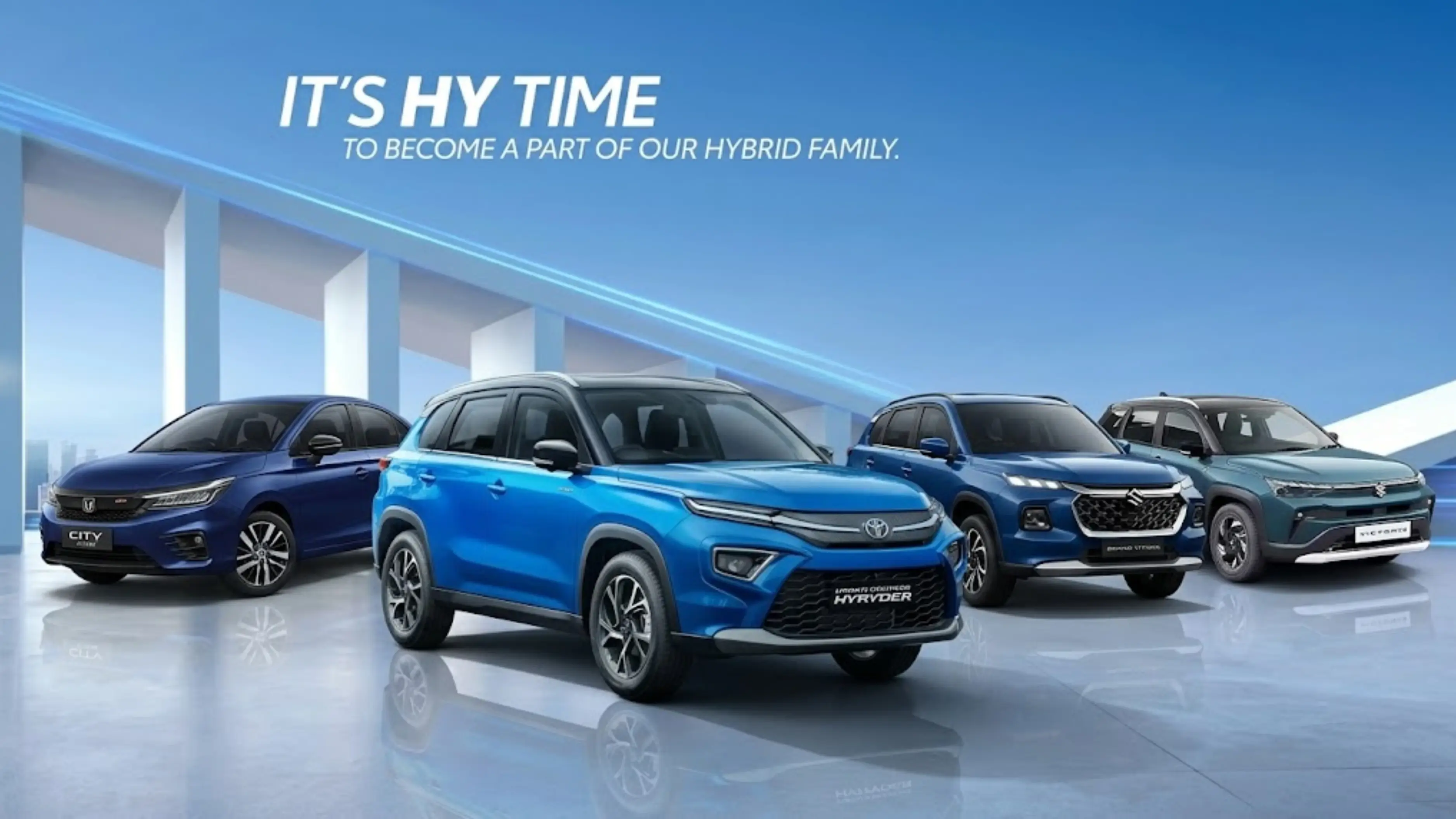
Cheapest Hybrid Cars in India: You Must Know
Tata Sierra Test Drive Booking in Noida: Complete Process Guide
Most Affordable Cars with Ventilated Seats in India
Upcoming Sedan Cars in August 2026 in India
Tata Harrier Test Drive Booking in Delhi: A Complete Guide
Upcoming SUVs in August 2026 in India