





Limited Edition Skoda Slavia Monte Carlo Adds New Colours for 200 Buyers Only
Electric or Hybrid in 2026? One Choice Will Save You Lakhs
- Cars
- Published: 07 Jan, 2026
Book a Test Drive
Free doorstep test drive at your convenience
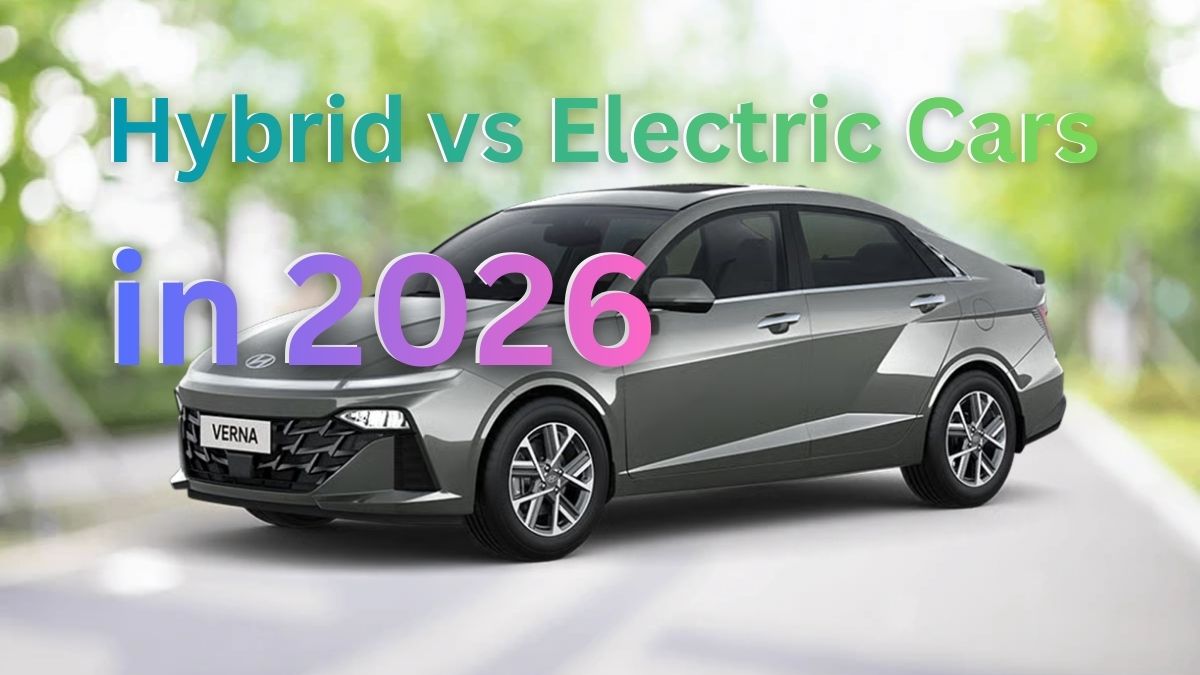
Choosing a car in 2026 won’t be just about style, mileage, or brand reputation. It will be a financial decision that can either save you lakhs over time—or cost you heavily. As electric vehicles (EVs) and hybrid cars become mainstream, buyers will face a crucial question: Electric or Hybrid in 2026? While both options are smarter than traditional petrol cars, one clearly stands out when it comes to long-term savings.
Much like how fashion brands in India constantly evolve to meet changing consumer expectations, the automobile industry is shifting toward efficiency, sustainability, and technology. And just as shoppers trust a top fashion brand for long-lasting value, car buyers must now choose technology that delivers the greatest return over time.
Understanding the Difference: Electric vs Hybrid
Before deciding which option saves more, it’s important to understand how they work.
Electric Vehicles (EVs):
Run entirely on electricity, using a battery and motor. No petrol or diesel. Charging is done via home chargers or public charging stations.
Hybrid Cars:
Combine a petrol engine with an electric motor. They use fuel but more efficiently than conventional cars, switching between power sources as needed.
Both are eco-friendly and modern—but the cost equation in 2026 makes EVs the clear winner.
Running Costs: Where the Big Savings Begin
The biggest difference between EVs and hybrids lies in daily operating costs.
Electricity is significantly cheaper than petrol or diesel. In India, charging an EV for 300–400 km can cost a fraction of what fuel would for the same distance. Over five years, this can translate into savings of ₹4–7 lakh or more, depending on usage.
Hybrids, while more efficient than petrol cars, still rely on fuel. Rising fuel prices will continue to affect hybrid owners. By 2026, the cost gap between electricity and petrol is expected to widen further—making EVs the obvious money-saver.
Maintenance: Fewer Parts, Lower Bills
EVs have fewer moving parts than hybrid or petrol cars. There’s no engine oil, clutch, exhaust system, or complex gearbox. This means:
- Lower servicing costs
- Fewer mechanical failures
- Reduced long-term repair expenses
Hybrid vehicles, on the other hand, still maintain both a fuel engine and an electric motor. This dual system increases maintenance complexity and cost.
Just as customers prefer durable designs from fashion brands in India rather than fast-wear products, choosing a simpler EV system ensures fewer breakdowns and lower ownership stress.
Government Incentives & Tax Benefits
By 2026, governments will continue to push for cleaner mobility. EV buyers already benefit from:
- Lower road tax and registration charges
- Subsidies under electric mobility programs
- Reduced tolls and parking benefits in some cities
Hybrids receive fewer incentives since they still produce emissions. Over time, EV buyers will continue to enjoy financial advantages that hybrids may not qualify for.
Charging Infrastructure Will No Longer Be a Concern
One of the main reasons buyers consider hybrids is “range anxiety.” But by 2026, fast-charging infrastructure will be widespread across highways, cities, malls, and residential areas.
With ultra-fast chargers offering 300+ km range in under 15 minutes, EV ownership will be more convenient than ever. Home charging overnight will become the norm, eliminating frequent trips to fuel stations.
Just like top fashion brand outlets have expanded beyond metros into tier-2 and tier-3 cities, EV charging networks are spreading rapidly across India.
Resale Value: Future Demand Favors EVs
As emission regulations become stricter and sustainability becomes a lifestyle choice, demand for fully electric cars will outpace hybrids. This means:
- Better resale value for EVs
- Faster depreciation for hybrid vehicles
- Higher long-term asset value for electric owners
By 2026 and beyond, the used-car market will increasingly favor zero-emission vehicles, ensuring EV owners recover more of their investment.
Why Choose Electric in 2026?
If saving lakhs over the life of your car matters, the choice becomes clear.
Why choose an Electric Vehicle over a Hybrid?
- Massive Cost Savings: Electricity is far cheaper than petrol—saving lakhs over time.
- Low Maintenance: Fewer parts, fewer repairs, and minimal servicing.
- Government Benefits: Tax rebates, incentives, and lower registration fees.
- Future-Proof Technology: Software updates, smart features, and cleaner compliance.
- Sustainability: Zero emissions for a cleaner environment and responsible ownership.
Just as people invest in timeless collections from fashion brands in India rather than short-lived trends, choosing an EV ensures long-term value and relevance.
Conclusion
In 2026, choosing between electric and hybrid will no longer be just about technology—it will be about financial intelligence. While hybrids offer better efficiency than petrol cars, they still depend on fuel and higher maintenance. Electric vehicles, on the other hand, provide unmatched savings through low running costs, minimal servicing, government incentives, and higher resale value.
The shift mirrors how consumers trust a top fashion brand for quality, sustainability, and long-term style rather than temporary trends. In the same way, EVs represent the future of smart car ownership.
If your goal is to cut expenses, reduce environmental impact, and own a future-ready vehicle, then in the debate of Electric or Hybrid in 2026, the option that will save you lakhs is clear: Electric.
Frequently Asked Questions (FAQs)
Q1: Are electric cars cheaper than hybrids in 2026?
Yes. While the upfront price may be similar, EVs are significantly cheaper to run and maintain, saving lakhs over time.
Q2: Do hybrids still use petrol?
Yes. Hybrids rely on both petrol and electricity, meaning you’ll still be affected by rising fuel prices.
Q3: Is charging an EV in India expensive?
No. Charging costs are much lower than petrol or diesel, especially with home charging options.
Q4: Will EV batteries need replacement?
Modern EV batteries are designed to last 8–10 years or more, and replacement costs are decreasing.
Q5: Should I choose a hybrid if I travel long distances?
By 2026, fast-charging infrastructure will make EVs suitable for long trips, reducing the need for hybrids.
Book a Test Drive
Free doorstep test drive at your convenience
Popular Brands
Latest Car News
Suzuki Loses India Market Share as Buyers Demand More Features
Hybrid Car Sales Decline 8% in June 2026: Complete Analysis
How to Book Maruti Brezza Facelift: Complete Booking Guide
Alto K10 vs Tiago: Which Is Better?
Maruti Brezza Facelift 2026: What's New Compared to the Current Model?
Renault Duster Adventure Edition vs Standard Duster: What's Different?
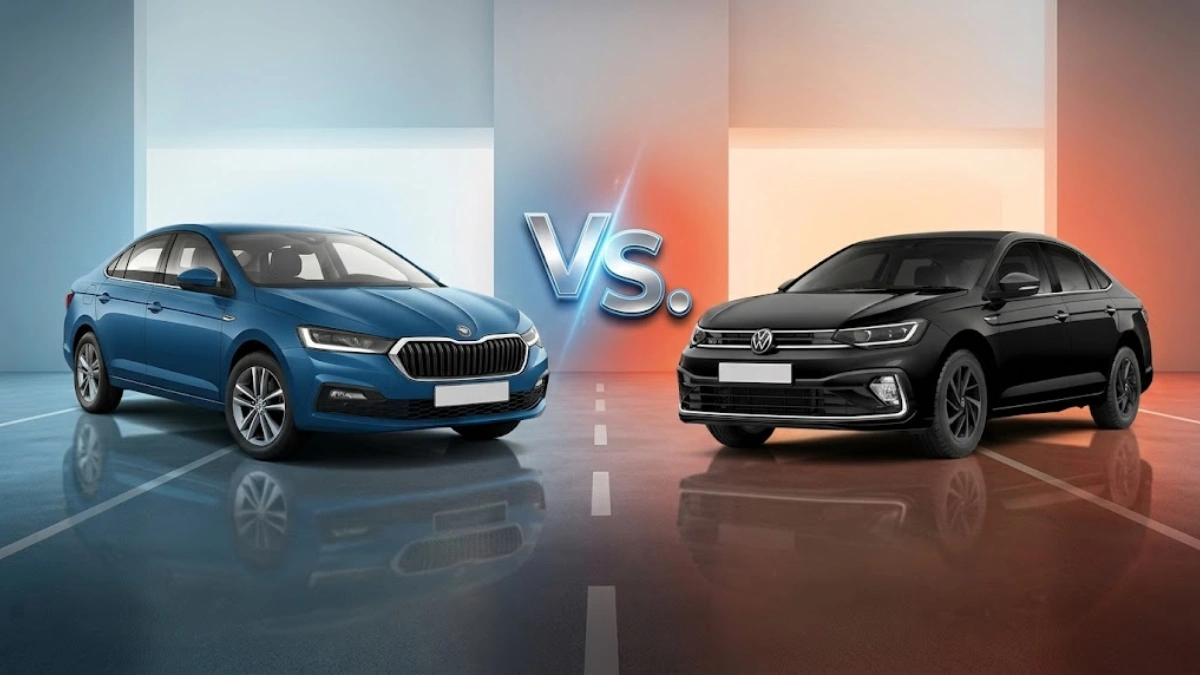
Skoda Slavia Facelift 2026 vs Volkswagen Virtus: Which Sedan Should You Wait For?
Volkswagen Tayron Life Launched in India at ₹41.99 Lakh
Volkswagen Announces 50% Reduction In Global Car Line-up
Tata Nexon Pure Plus : Know Everything Before Buying in July
Best Selling Cars of June 2026 in India
July 2026 Car Offers: Tata, Honda, Kia, MG, Hyundai, Maruti and Other Brands' Discount Offers
Renault Kwid 2026 Launched at Rs 4.53 Lakh
Cheapest Hybrid Cars in India: You Must Know
Tata Sierra Test Drive Booking in Noida: Complete Process Guide
Most Affordable Cars with Ventilated Seats in India
Upcoming Sedan Cars in August 2026 in India
Tata Harrier Test Drive Booking in Delhi: A Complete Guide
Upcoming SUVs in August 2026 in India