





Limited Edition Skoda Slavia Monte Carlo Adds New Colours for 200 Buyers Only
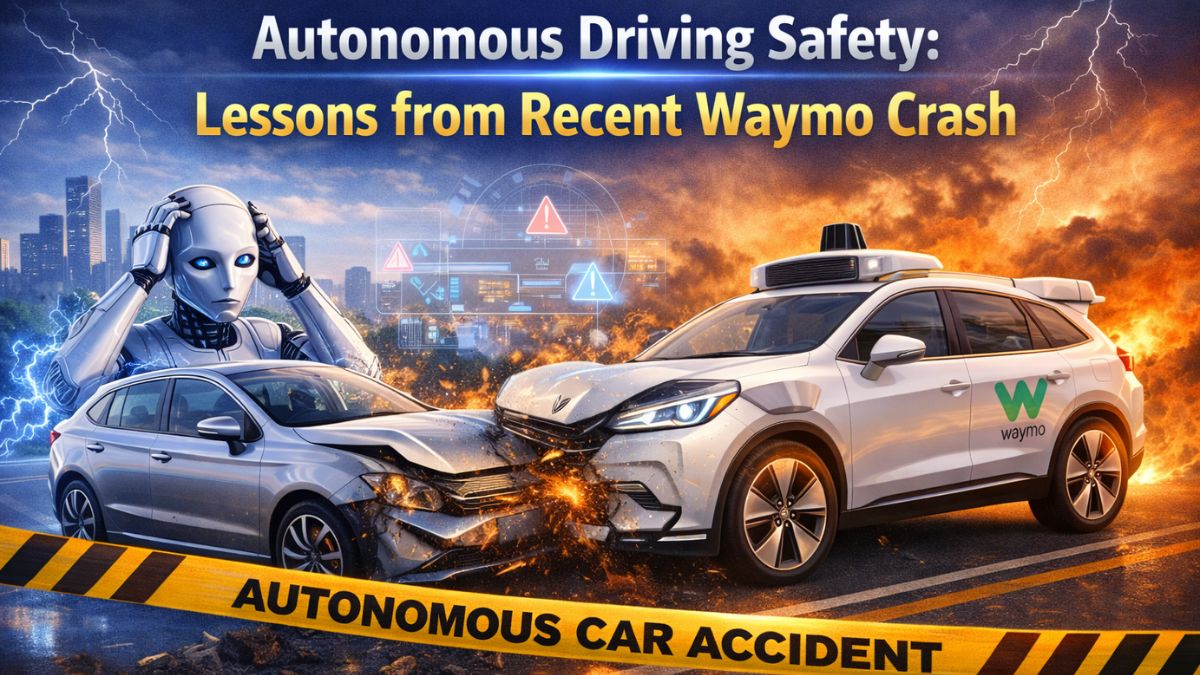
Autonomous Driving Safety: Lessons from Recent Waymo Crash
- Cars
- Published: 29 Jan, 2026
Book a Test Drive
Free doorstep test drive at your convenience
Autonomous vehicles promise safer roads, fewer accidents, and smarter mobility. But every crash involving a self-driving car raises serious questions. The recent Waymo crash has once again brought autonomous driving safety into public discussion, especially around real-world readiness and trust.
While the technology is evolving fast, incidents like this highlight the need for stronger safety systems, better testing, and clear regulations. Understanding what went wrong and what can be improved is key to making autonomous driving safer for everyone.
Autonomous Driving Safety: What Happened in the Recent Waymo Crash
Understanding the Incident
The recent Waymo crash reportedly involved a self-driving vehicle navigating complex urban conditions. While no technology is perfect, such events reveal how autonomous systems respond to unexpected situations.
Key factors often examined include:
- Sensor interpretation errors
- Sudden human driver behaviour nearby
- Road design and visibility issues
These incidents don’t mean autonomous driving has failed—but they do show where safety systems must improve.
Key Lessons for Autonomous Driving Safety
1. Edge Cases Are the Real Challenge
Autonomous vehicles handle normal driving well, but rare situations—called edge cases—remain difficult.
Examples include:
- Sudden pedestrian movement
- Construction zones with unclear markings
- Unpredictable human drivers
Improving autonomous driving safety means training systems to handle these uncommon scenarios better.
2. Human Oversight Still Matters
Even advanced self-driving systems need monitoring. The Waymo crash shows that:
- Remote supervision can add an extra safety layer
- Faster human intervention may reduce impact
A hybrid approach improves overall autonomous driving safety during early adoption.
Autonomous Driving Safety & Technology Gaps
3. Sensor Fusion Needs Improvement
Autonomous cars rely on cameras, radar, and LiDAR. If one system misreads data, it can affect decisions.
Improving safety requires:
- Better sensor coordination
- Faster real-time decision-making
- Redundant systems for backup
4. Regulation & Transparency Are Critical
Clear safety reporting builds trust. Policymakers and companies must:
- Share crash data openly
- Set strict safety benchmarks
- Standardise testing methods
Strong rules improve accountability and public confidence in autonomous driving safety.
Why Focus on Autonomous Driving Safety?
Benefits of Safer Self-Driving Systems
When done right, autonomous driving safety offers major advantages:
- Reduced human error-related accidents
- Safer mobility for elderly and disabled users
- Improved traffic flow and fuel efficiency
- Lower long-term insurance and healthcare costs
Learning from incidents like the Waymo crash helps move closer to these benefits.
Pros and Cons of Autonomous Driving Technology
Pros
- Fewer accidents caused by fatigue or distraction
- Consistent rule-following
- Potential reduction in traffic congestion
Cons
- High development and infrastructure costs
- Limited performance in complex environments
- Public trust issues after high-profile crashes
Conclusion: Turning Setbacks into Safer Roads
The Autonomous Driving Safety: Lessons from Recent Waymo Crash remind us that innovation comes with responsibility. Crashes are setbacks, but they are also learning opportunities. With better testing, stronger oversight, and transparent reporting, autonomous vehicles can become safer than human-driven cars.
CTA: Policymakers, companies, and users must focus on safety-first development to ensure self-driving technology earns public trust and delivers on its promise.
FAQs: Autonomous Driving Safety
1. What does the Waymo crash tell us about autonomous driving safety?
It highlights the need for better handling of complex, real-world scenarios.
2. Are autonomous cars safer than human drivers?
They have potential to be safer, but technology still needs improvement.
3. What are edge cases in autonomous driving?
Rare or unpredictable situations that are difficult for systems to handle.
4. How can autonomous driving safety be improved?
Through better sensors, human oversight, and strict regulations.
5. Will autonomous vehicles reduce road accidents in the future?
Yes, if safety lessons from incidents are properly implemented.
Book a Test Drive
Free doorstep test drive at your convenience
Popular Brands
Latest Car News

Suzuki Loses India Market Share as Buyers Demand More Features

Hybrid Car Sales Decline 8% in June 2026: Complete Analysis
How to Book Maruti Brezza Facelift: Complete Booking Guide

Alto K10 vs Tiago: Which Is Better?
Maruti Brezza Facelift 2026: What's New Compared to the Current Model?

Renault Duster Adventure Edition vs Standard Duster: What's Different?

Skoda Slavia Facelift 2026 vs Volkswagen Virtus: Which Sedan Should You Wait For?
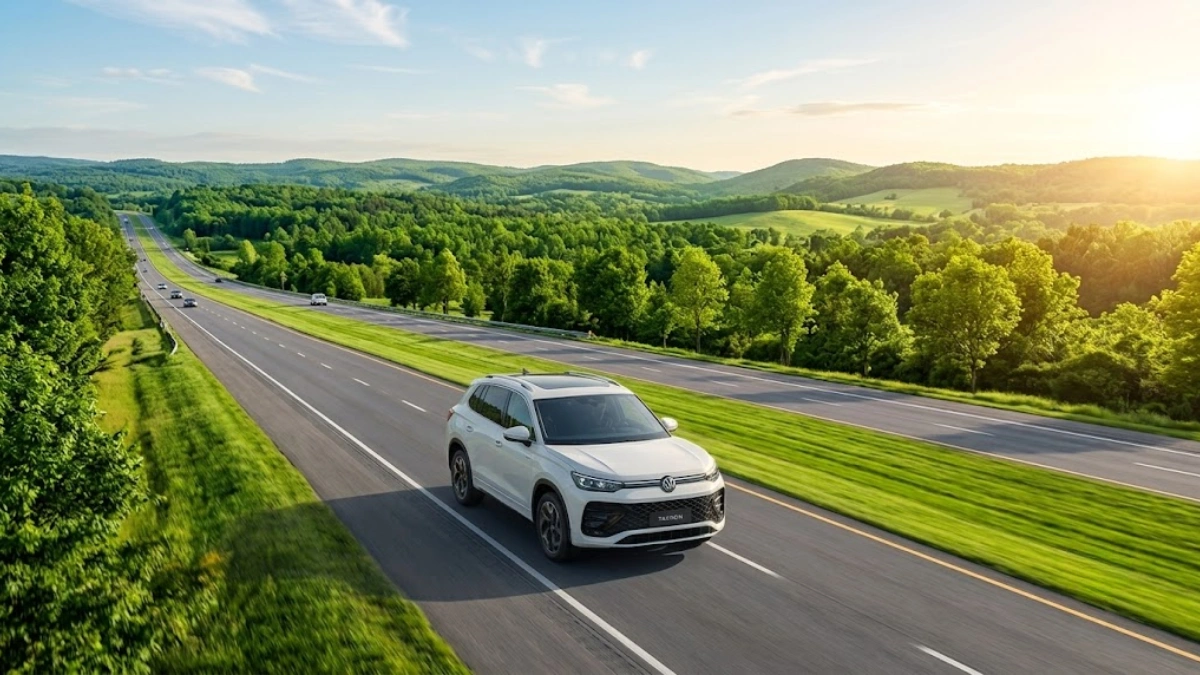
Volkswagen Tayron Life Launched in India at ₹41.99 Lakh
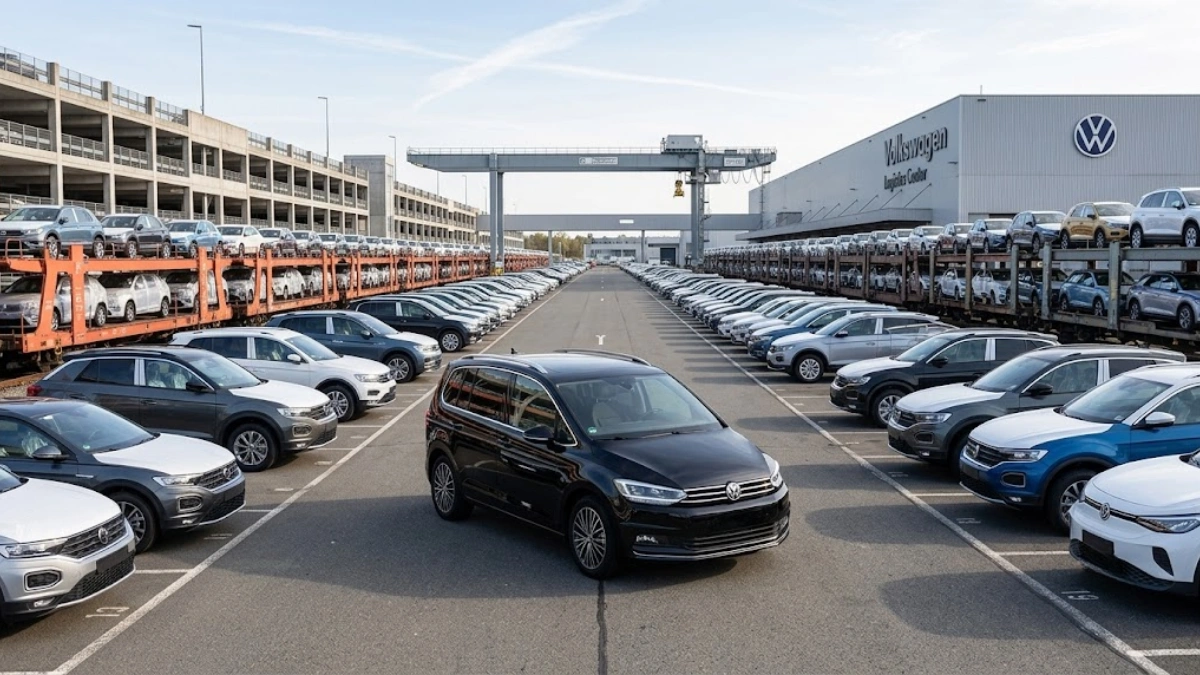
Volkswagen Announces 50% Reduction In Global Car Line-up
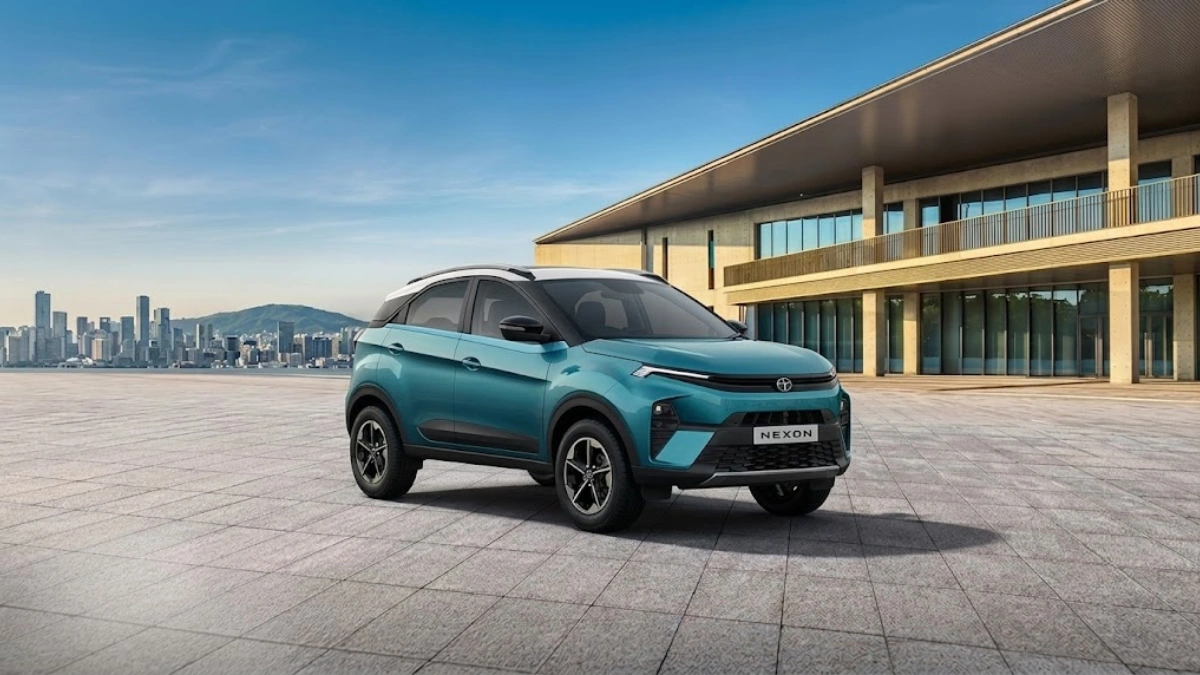
Tata Nexon Pure Plus : Know Everything Before Buying in July
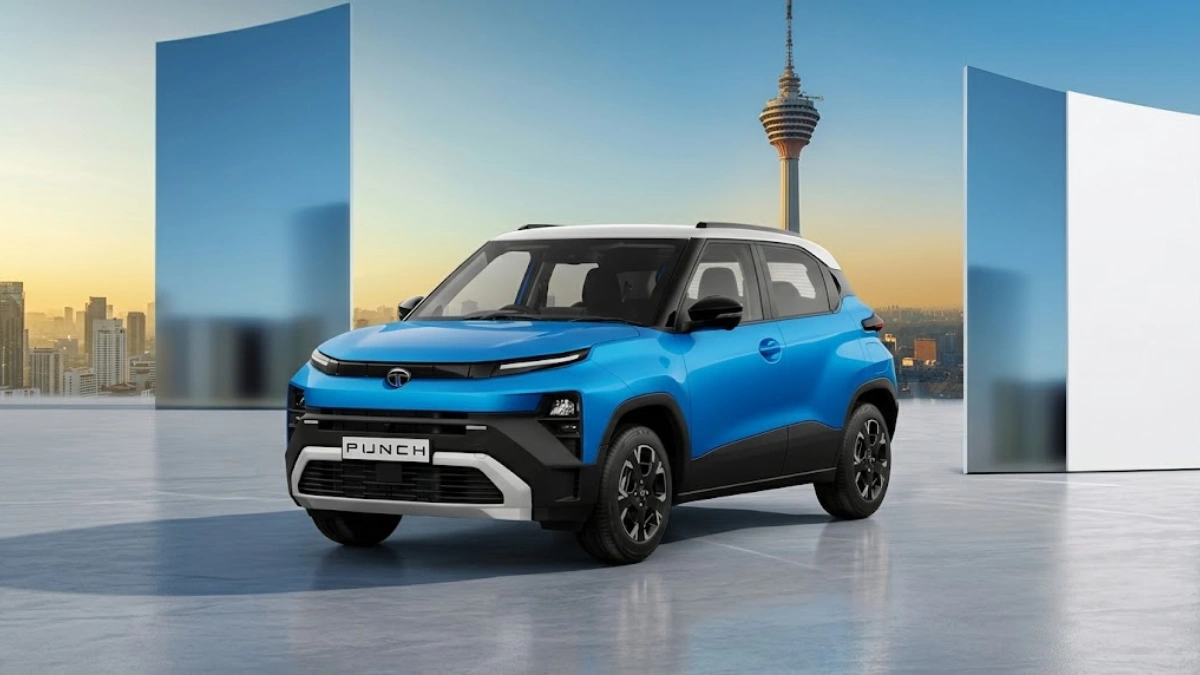
Best Selling Cars of June 2026 in India
July 2026 Car Offers: Tata, Honda, Kia, MG, Hyundai, Maruti and Other Brands' Discount Offers
Renault Kwid 2026 Launched at Rs 4.53 Lakh

Cheapest Hybrid Cars in India: You Must Know

Tata Sierra Test Drive Booking in Noida: Complete Process Guide
Most Affordable Cars with Ventilated Seats in India

Upcoming Sedan Cars in August 2026 in India
Tata Harrier Test Drive Booking in Delhi: A Complete Guide

Upcoming SUVs in August 2026 in India