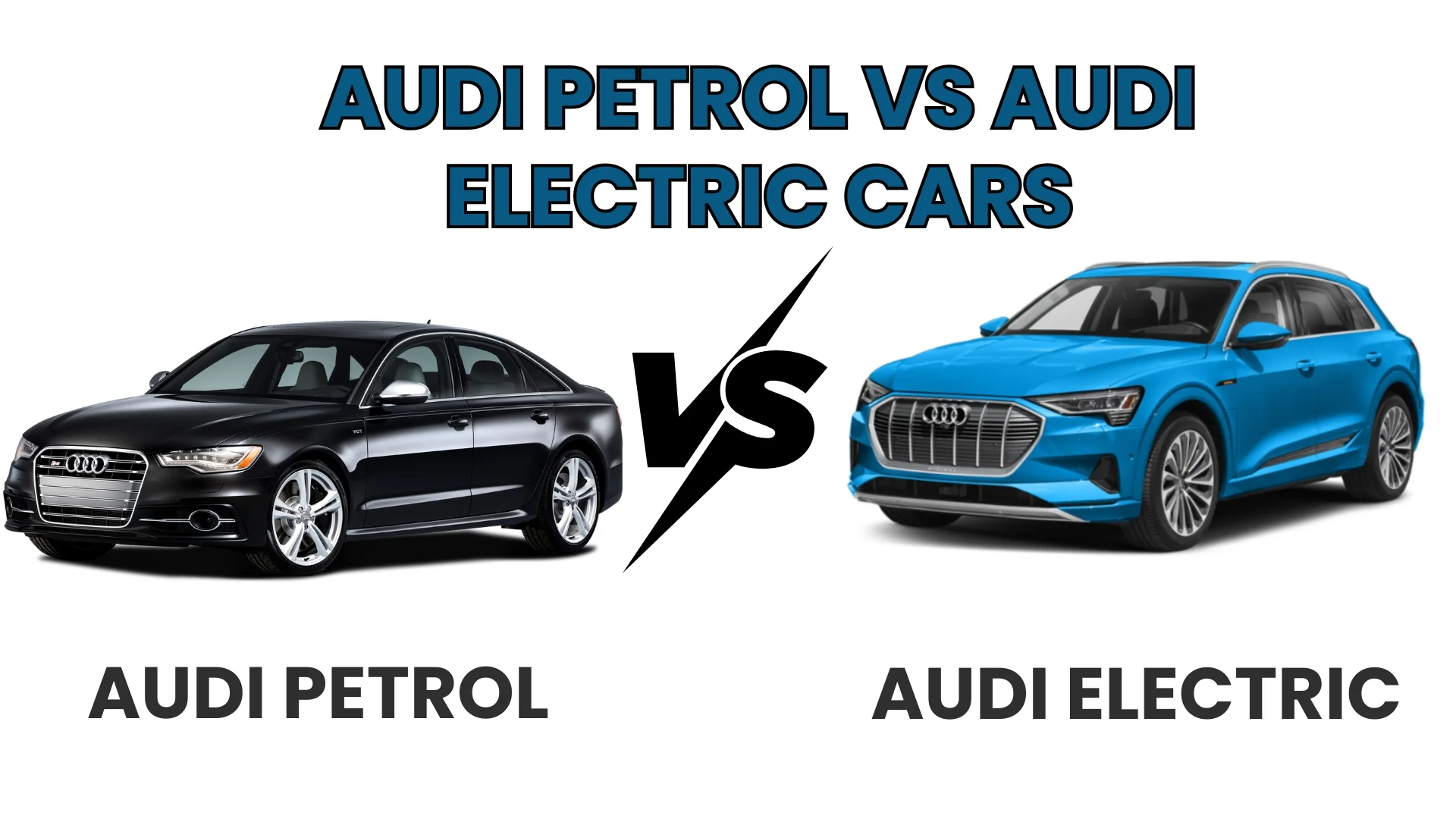
Price difference between Audi petrol vs Audi electric cars
- Cars
- Published: 18 Jul, 2025
- Updated: 08 May, 2026
Book a Test Drive
Free doorstep test drive at your convenience
Audi is one of India’s most aspirational luxury car brands, offering an array of sporty sedans, versatile SUVs, and, in recent years, cutting-edge electric vehicles under the “e-tron” banner. While the design and luxury factor between Audi’s petrol and electric models are consistent, the pricing reveals a notable divide. If you’re considering an Audi, it’s important to understand why electric Audi vehicles cost more, and how the prices compare across their Indian portfolio.
Audi Petrol Cars: Traditional Luxury with a Lower Starting Point
Audi’s petrol-powered lineup is broad and still forms the bulk of its sales in India. These models range from compact luxury SUVs to high-powered sedans and performance cars. Here’s a snapshot of their current pricing (2025):
Entry-Level and Mid-Range Petrol Audis
- Audi Q3 (SUV):
Starting at ₹43.8 lakh (ex-showroom)- Compact luxury SUV, 2.0-litre turbo petrol engine, packed with features.
- Audi Q5 (SUV):
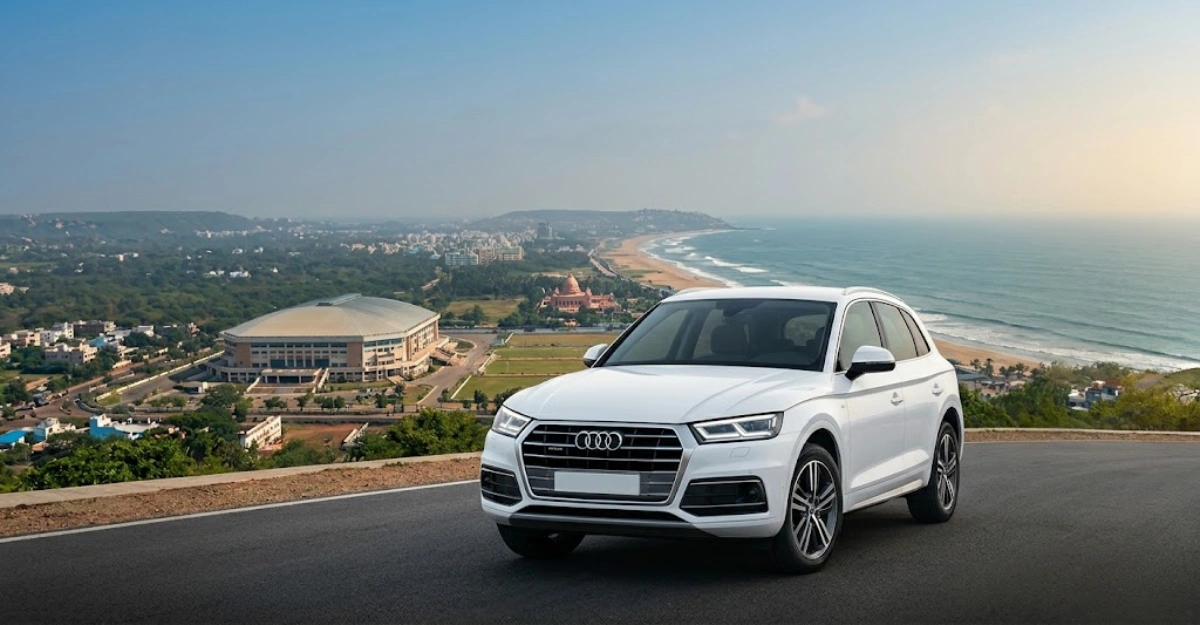
Starting at ₹66.99 lakh (ex-showroom)- Larger, mid-size SUV, known for comfort and tech.
Flagship Petrol Audis
- Audi Q8 (SUV):
Around ₹1.07 crore (ex-showroom)- Full-size flagship SUV with sporty design and powerful V6 turbo petrol.
- Audi RS Q8 (Performance SUV):
Price is ₹2.22 crore (ex-showroom)- Ultra-high-performance, 600-hp V8 petrol, exclusive features.
- Audi A4, A6 (Sedans):
Start from ₹45 lakh and ₹63 lakh (ex-showroom), respectively. - Range:
Entry-level at approximately ₹43.8 lakh
Flagship performance variants up to ₹2.49 crore
Audi Electric Cars: Premium Innovation at a Price
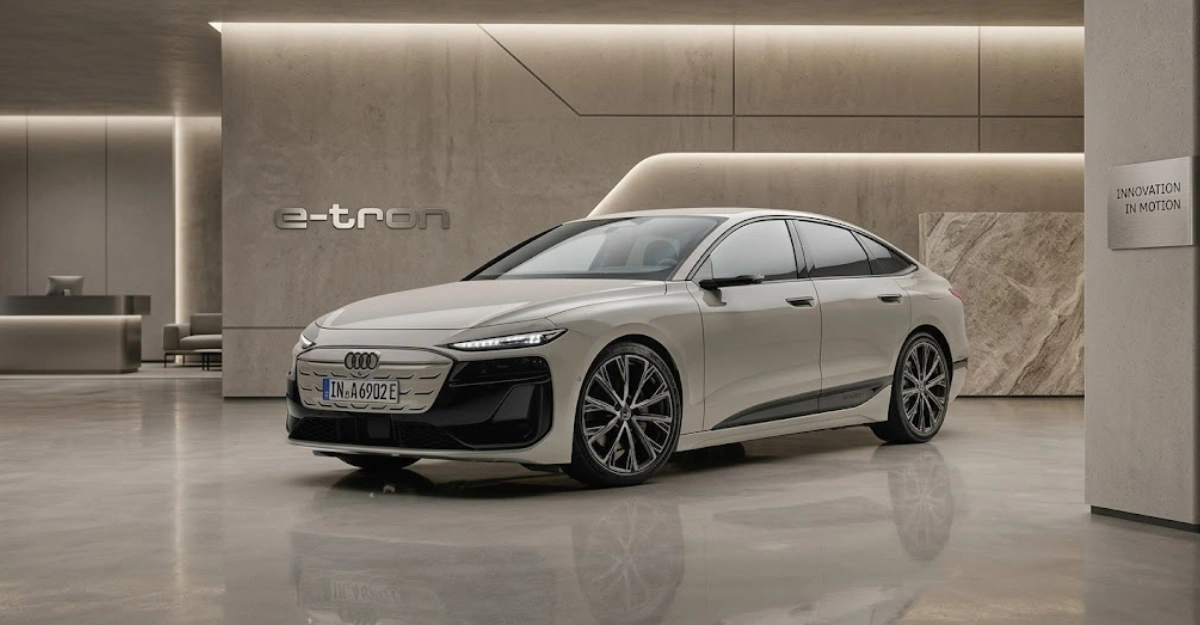
Audi’s electric lineup in India—the e-tron portfolio—ushers in a new era of luxury, technology, and silent performance. However, the transition to electric power brings a higher price tag, especially due to import taxes, battery technology costs, and limited local production.
Main Electric Audis in India (2025)
- Audi Q8 e-tron (SUV):
Starting at ₹1.15 crore (ex-showroom)- Audi’s flagship electric SUV, dual-motor AWD, >400 km range, luxury interiors.
- Audi Q8 e-tron Sportback:
Priced at ₹1.20 crore (ex-showroom)- Coupe-inspired electric SUV, similar specs with sleeker styling.
- Audi e-tron GT (Electric Performance Sports Sedan):
Above ₹1.7 crore (limited allocation; check for supply)- High-powered, low-slung electric sports sedan reminiscent of the RS7.
- Range: Entry-level electric model (Q8 e-tron) starts at ₹1.15 crore, and stretches higher for Sportback and performance GT variants
Model-wise Price Difference: Petrol vs Electric Audis
| Model | Fuel Type | Starting Price (₹, ex-showroom) |
|---|---|---|
| Audi Q3 | Petrol | 43.8 lakh |
| Audi Q5 | Petrol | 66.99 lakh |
| Audi Q8 | Petrol | 1.07 crore |
| Audi Q8 e-tron | Electric | 1.15 crore |
| Audi Q8 e-tron Sportback | Electric | 1.20 crore |
| Audi e-tron GT | Electric | 1.7 crore |
| Audi RS Q8 | Petrol | 2.22 crore |
You Must Explore: Audi Cars & Price
Key Observations:
- The Q3 petrol at ₹43.8 lakh is less than half the price of Audi’s entry-level electric SUV.
- The Q8 petrol (~₹1.07 crore) versus the Q8 e-tron (₹1.15 crore): The electric sibling carries a premium of ₹8 lakh and more, despite similar size and badge value.
- Audi electric cars currently have no direct price rivals within the Audi petrol line-up until you look at the ultra-high-performance RS series.
- Even the “entry-level” e-tron is priced above all standard petrol Audi SUVs and sedans.
Why Are Audi Electric Cars More Expensive?
Several factors drive the premium Audis:
- Imported as CBUs: Most electric Audis are shipped fully built, attracting customs duties of over 100%.
- Battery technology: Lithium-ion batteries are expensive and not manufactured locally at scale.
- Low sales volume: Electric Audis sell in relatively fewer numbers, so cost amortization is slower.
- Advanced tech: e-trons boast features like dual-motor quattro AWD, adaptive air suspension, and advanced driver-assistance, which are pricier to engineer and import.
What Do You Get for the Extra Price?
While the initial price for an electric Audi can be daunting, buyers get:
- Instant torque and extremely smooth, silent driving
- Lower running and maintenance costs, especially in cities with cheaper electricity rates
- State and federal tax incentives may offset some costs (varies by location and period)
- Sustainability and future readiness as Indian metro cities move towards stricter emission norms
Conclusion: Is the Price Jump Worth It?
- Audi’s petrol cars start as low as ₹44 lakh, while electric models start at ₹1.15 crore—a difference of ₹70+ lakh.
- A similarly-sized Audi SUV (Q8 petrol vs Q8 e-tron) means an upfront premium of at least ₹8–10 lakh for the electric, before considering incentives and lower running costs.
- Only if you’re considering Audi’s ultra-performance petrol RS models do you encounter pricing beyond electric models.
Bottom Line:
- If you want the Audi luxury experience at the lowest possible price, the petrol models make more financial sense.
- If you’re ready to invest for zero tailpipe emissions, silent acceleration, and future-proof appeal, the electric Audis offer unmatched prestige and technology—but at a clear premium.
As the Indian EV ecosystem matures and local production ramps up, expect this gap to reduce in the coming years. For now, an Audi badge with an “e-tron” suffix commands a clear price jump over its petrol sibling.
Book a Test Drive
Free doorstep test drive at your convenience
Popular Brands





Latest Car News
BMW 7 Series Facelift Interior Updates: Know Everything

How to Check Oil Level in Car: Step-by-Step Guide

Latest Cars Under ₹5 Lakh in India in September 2026
Maruti Alto K10 September Offers: Get Up to ₹62,500 Savings on Purchase
Tata Tigor Facelift Under ₹6 Lakh: A New Budget Sedan Is Coming
Hyundai Creta August 2026 Sales: With 16,288 Units Becomes India's Best-Selling Mid-Size SUV
Maruti Baleno Facelift Booking Price: Expected Booking Amount, EMI & Loan Calculation
Kia Sorento 6 Seater vs 7 Seater: Which One Should You Choose?
Kia Sorento AI Assistant Explained: Features, Commands, and Indian Language Support
What Is the Difference Between Tata Curvv and New Curvv Series X?
Tata Car Sales August 2026: Model-Wise Sales & Growth Report
Car Sales Report of August 2026: Tata Motors, Maruti, Mahindra Lead Growth
Pajero 2026 vs Fortuner: Which SUV Could Be Better?
Volvo EX90 Booking Price: Expected Booking Amount, EMI & Loan Calculation

Next Generation Tata Nexon 2027: Expected Launch, Price, Design & Features
MG Hector Tomahawk EV Variant-Wise Price & Features Comparison
Maruti Baleno Facelift vs Toyota Glanza: Complete Comparision
Upcoming Cars in September 2026 in India: New Cars, Launch Dates & Expected Prices
MG Hector Hawk SUV vs Tata Harrier: Expected Price, Features & Key Differences
Skoda Superb Diesel in India: Will the Diesel Engine Make a Comeback?