India's Automotive Industry in 2025: Three Key Trends Shaping the Future
- Cars
- Published: 27 Mar, 2025
- Updated: 30 Apr, 2025
Book a Test Drive
Free doorstep test drive at your convenience
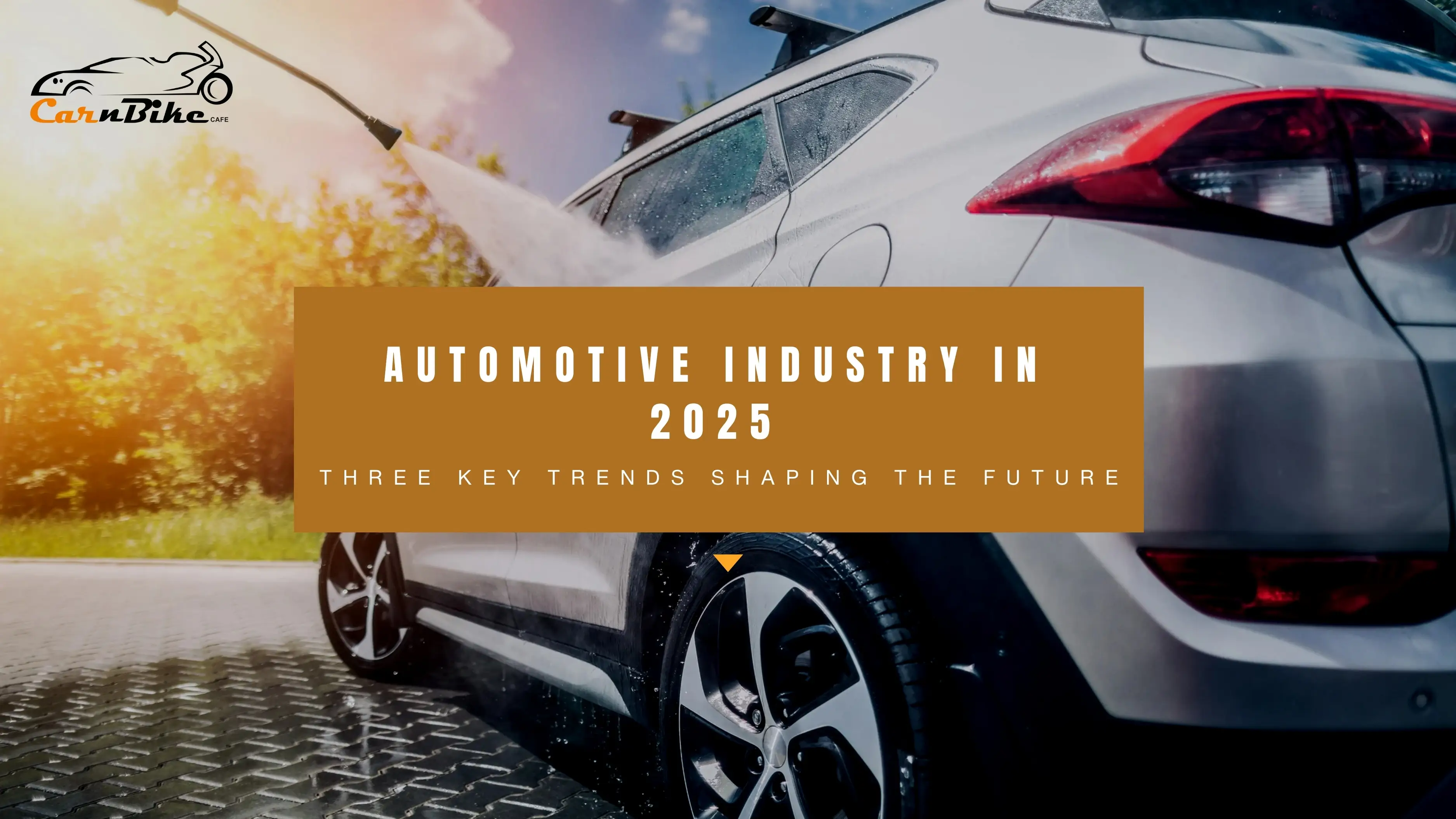
India’s roads are evolving, and so is the way we move. From the rise of electric vehicles to smarter, more connected cars and a growing push toward sustainability, the Indian automotive industry is transforming. As we drive into 2025, three key trends—electrification, digitalization, and sustainability—are shaping mobility in India.
Electrification: The EV Revolution is No Longer a Dream
Local drivers are already feeling the impact. "I used to spend a fortune on fuel, but ever since I switched to an electric scooter, my expenses have dropped significantly," says Rajesh Kumar, a delivery rider in Delhi. He adds, "The only challenge is finding enough charging stations, but it’s getting better every month."
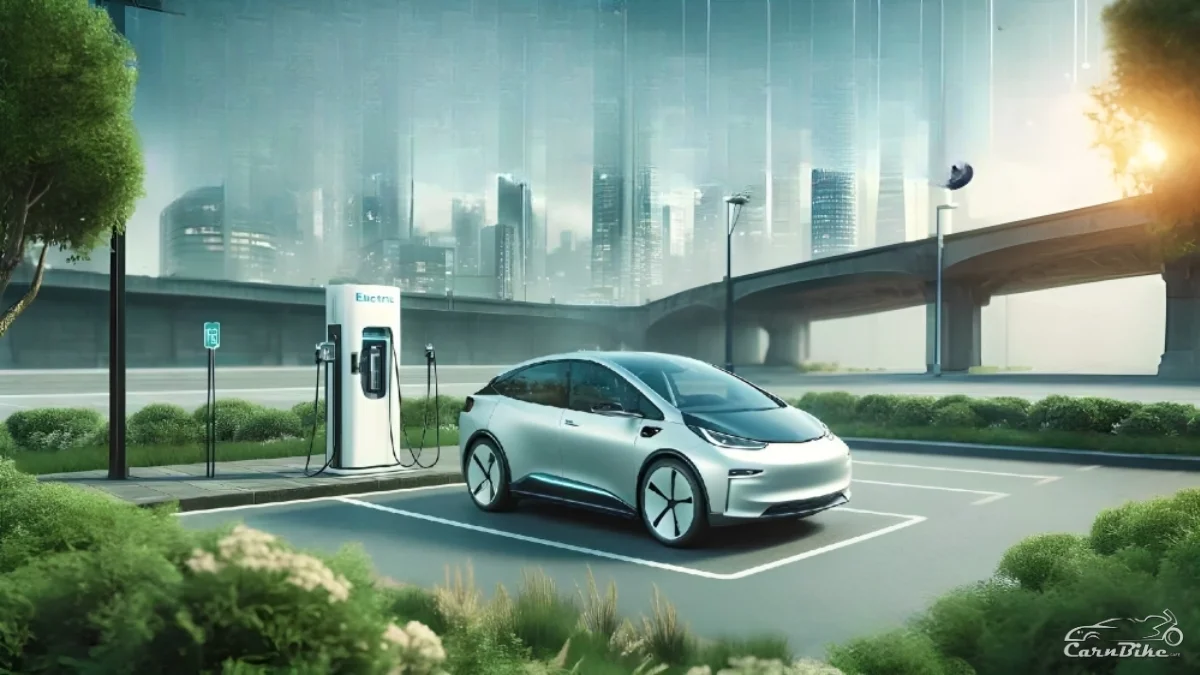
Once seen as futuristic, EVs are now becoming common. Government incentives, falling battery prices, and expanding charging infrastructure are driving adoption. Tata Motors, Mahindra, and Ola Electric lead the charge, while global players like Tesla and BYD eye the market. Two-wheelers are particularly popular, with battery-swapping stations and local battery manufacturing supporting growth.
Digitalization: Cars Are Becoming Smarter Than Ever
For cab drivers, connectivity features are game-changers. "GPS navigation has improved so much, and now my car even tells me when to avoid heavy traffic," says Priya Sharma, a ride-hailing driver in Mumbai. "These smart features save me time and fuel."
Cars are no longer just vehicles—they are tech hubs on wheels. AI-powered infotainment, real-time navigation, and voice controls enhance user experience. Connected cars receive over-the-air (OTA) updates, much like smartphones. ADAS features such as adaptive cruise control and lane-keeping assist are also gaining traction.
The car-buying process is evolving, too. More people research, book test drives, and purchase vehicles online. Virtual showrooms and AI-driven customer service are redefining car ownership.
You May Read Also: Utility Vehicle Market Size, Competitors & Forecast to 2030
Sustainability: More Than Just Electric Vehicles
Drivers in smaller cities are adapting. "Carpooling apps have helped me split fuel costs with others, and more people are open to sharing rides now," notes Anil Verma, a daily commuter in Pune. "It’s a win-win for my wallet and the environment."
Sustainability goes beyond EVs—it’s about greener manufacturing, recycled materials, and lower emissions. Local component production helps reduce carbon footprints. The circular economy is gaining traction, with companies refurbishing and recycling vehicles instead of discarding them. Even traditional fuel-powered cars are becoming more efficient.
Shared mobility, car subscriptions, and micro-mobility solutions (e-bikes and e-scooters) contribute to sustainability. With urban congestion rising, many are reconsidering car ownership.
The Road Ahead: A Future Full of Possibilities
India’s automotive industry is at a turning point. Electrification, digitalization, and sustainability are no longer distant ideas—they are here. Automakers that adapt will lead the industry’s next leap.
As 2025 unfolds, collaboration between policymakers, manufacturers, and tech companies will be crucial for smarter and cleaner mobility. The road ahead is full of possibilities, and those who evolve will shape India's automotive future.
Book a Test Drive
Free doorstep test drive at your convenience
Popular Brands





Latest Car News
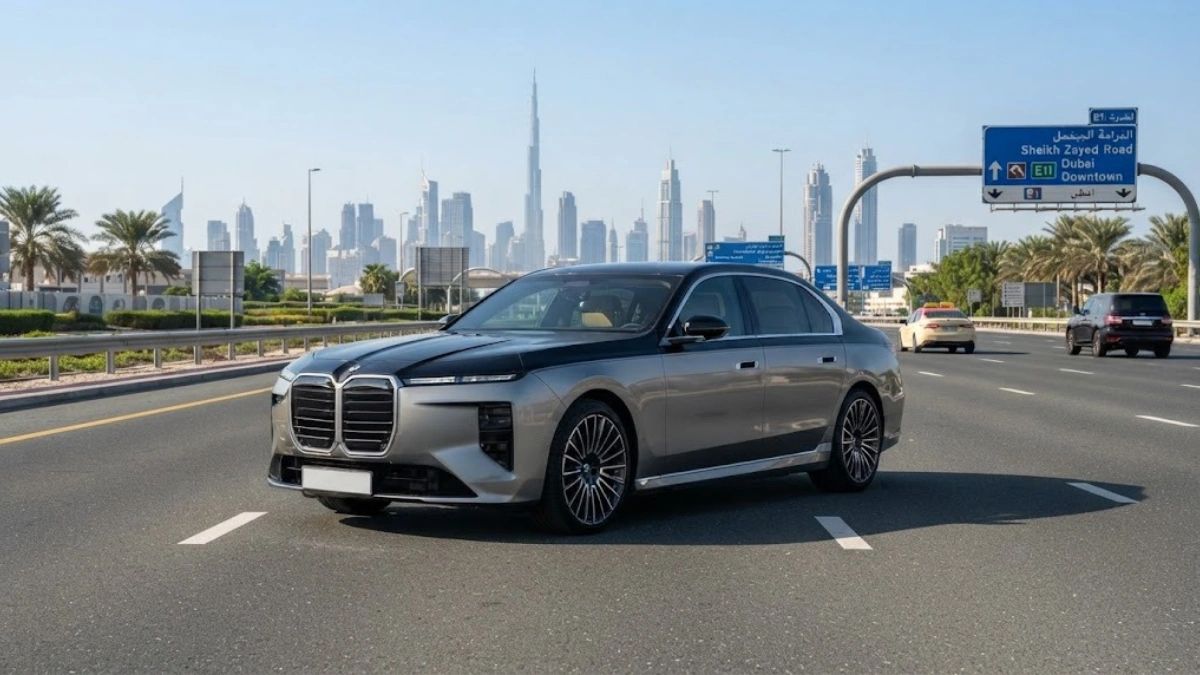
BMW 7 Series Facelift Interior Updates: Know Everything

How to Check Oil Level in Car: Step-by-Step Guide
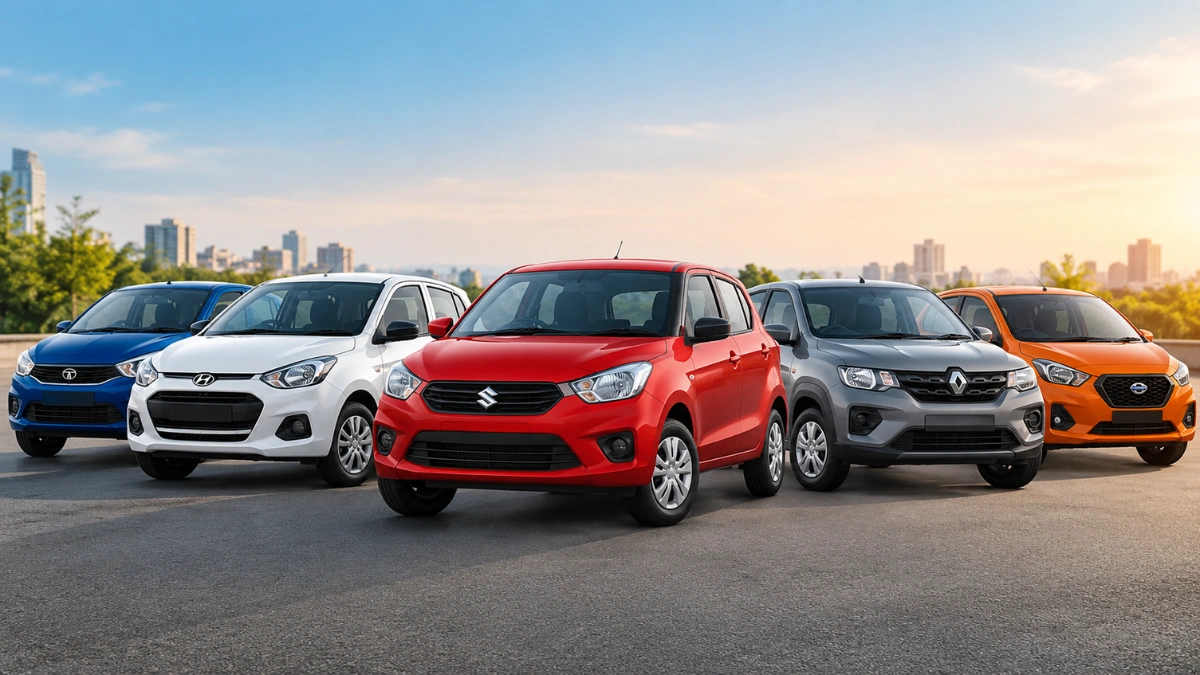
Latest Cars Under ₹5 Lakh in India in September 2026
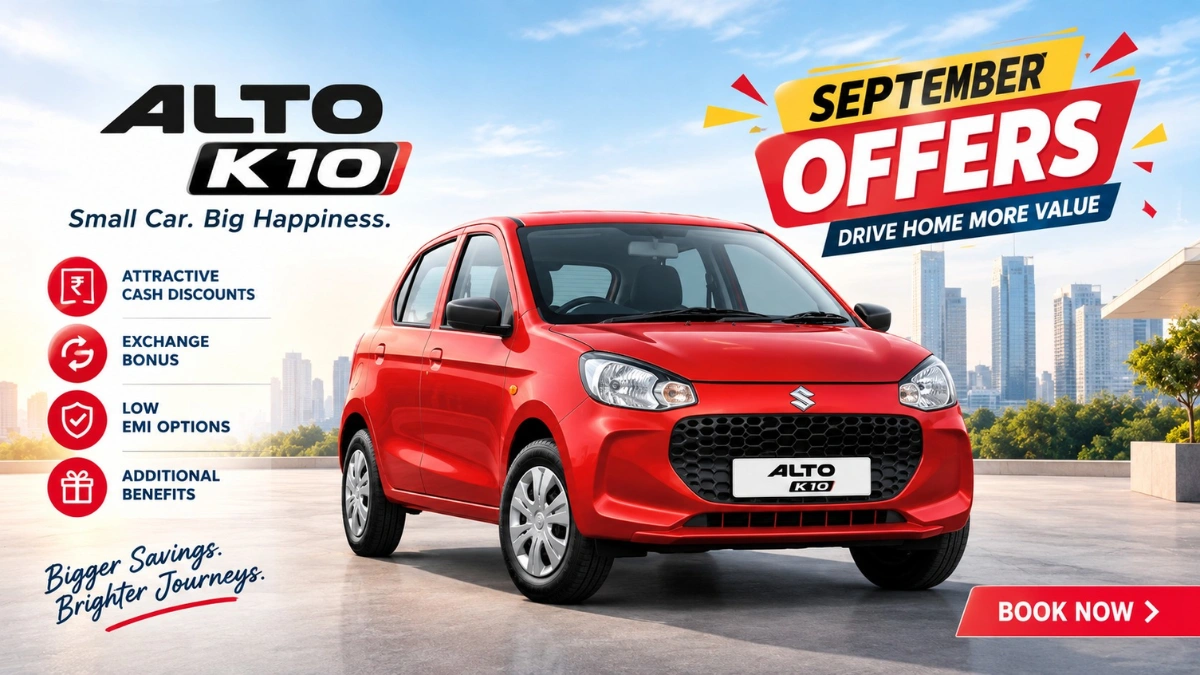
Maruti Alto K10 September Offers: Get Up to ₹62,500 Savings on Purchase
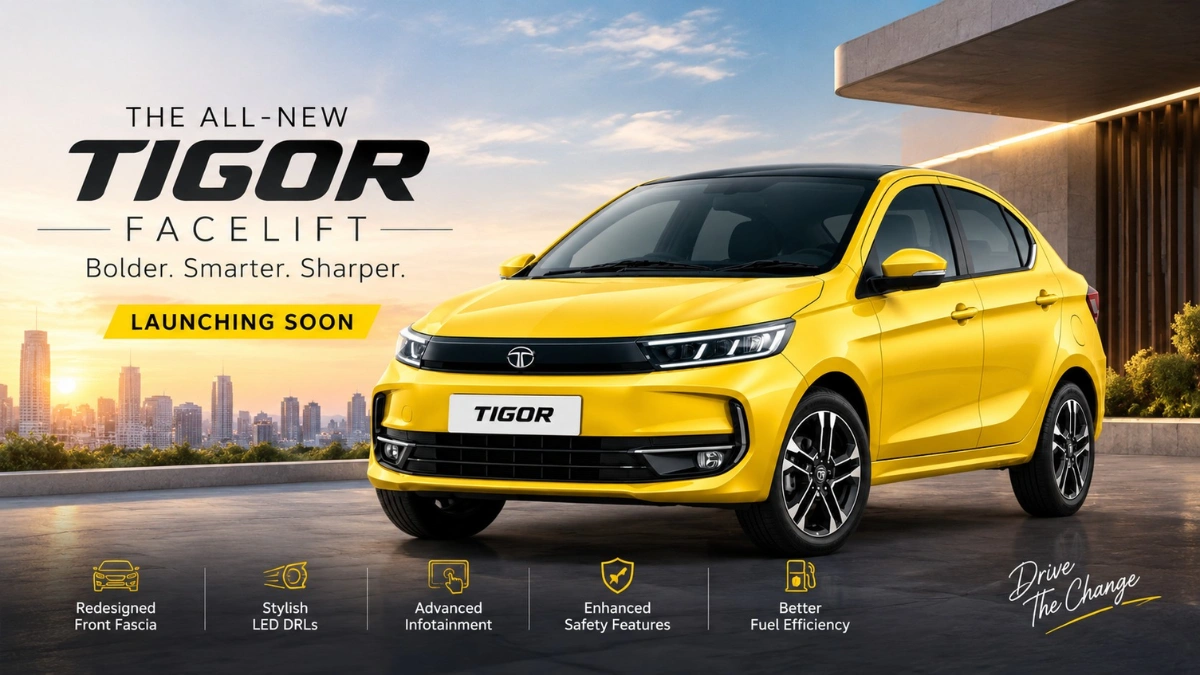
Tata Tigor Facelift Under ₹6 Lakh: A New Budget Sedan Is Coming
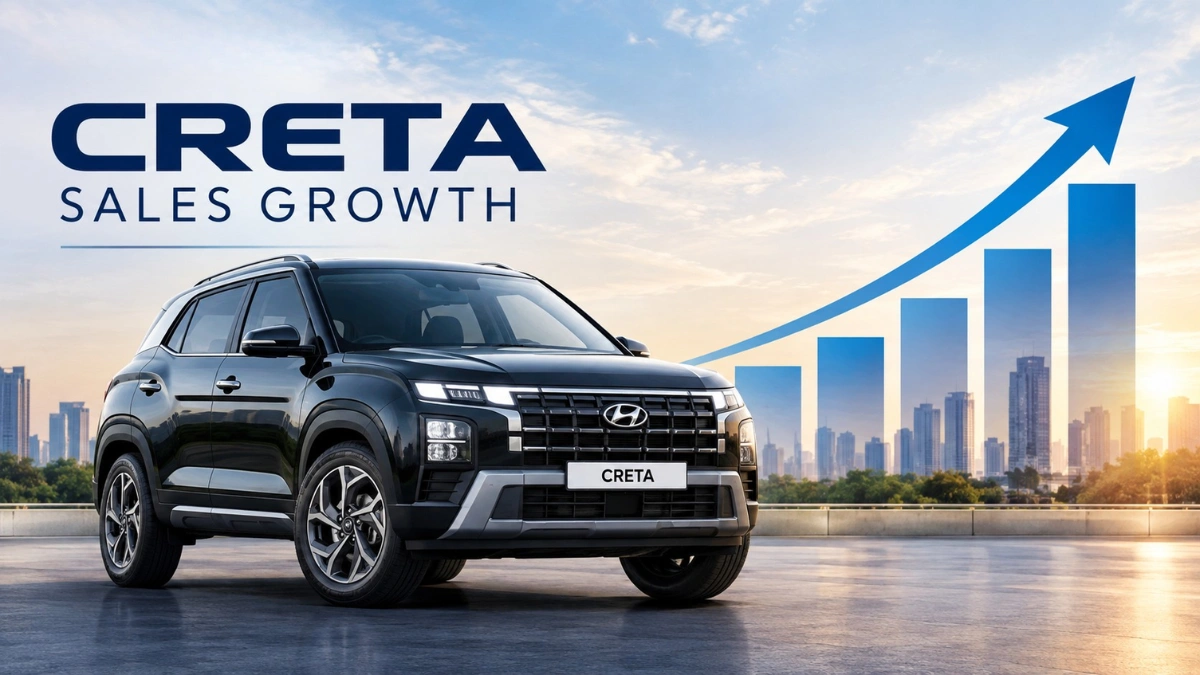
Hyundai Creta August 2026 Sales: With 16,288 Units Becomes India's Best-Selling Mid-Size SUV
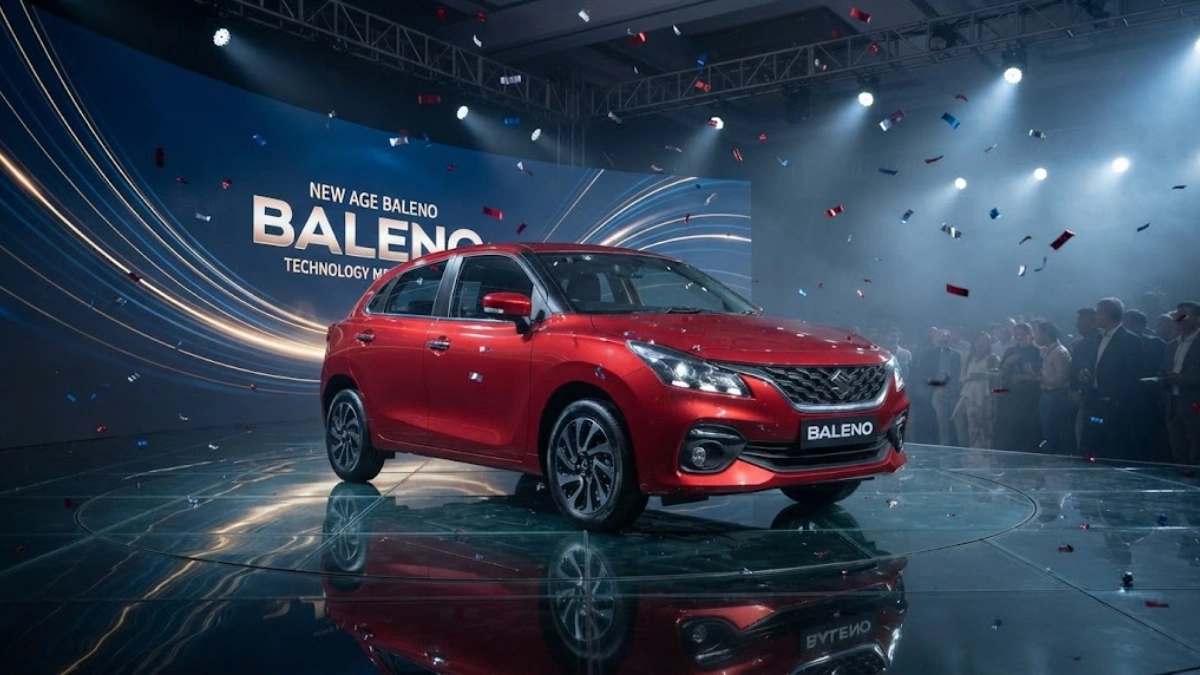
Maruti Baleno Facelift Booking Price: Expected Booking Amount, EMI & Loan Calculation
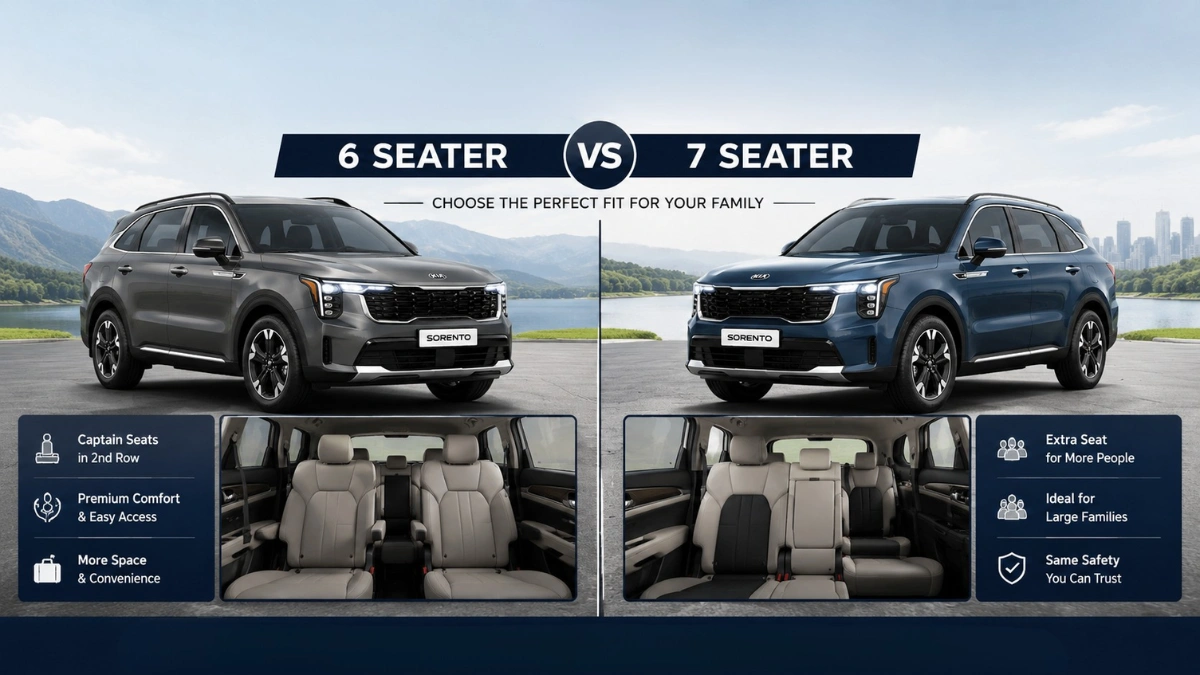
Kia Sorento 6 Seater vs 7 Seater: Which One Should You Choose?
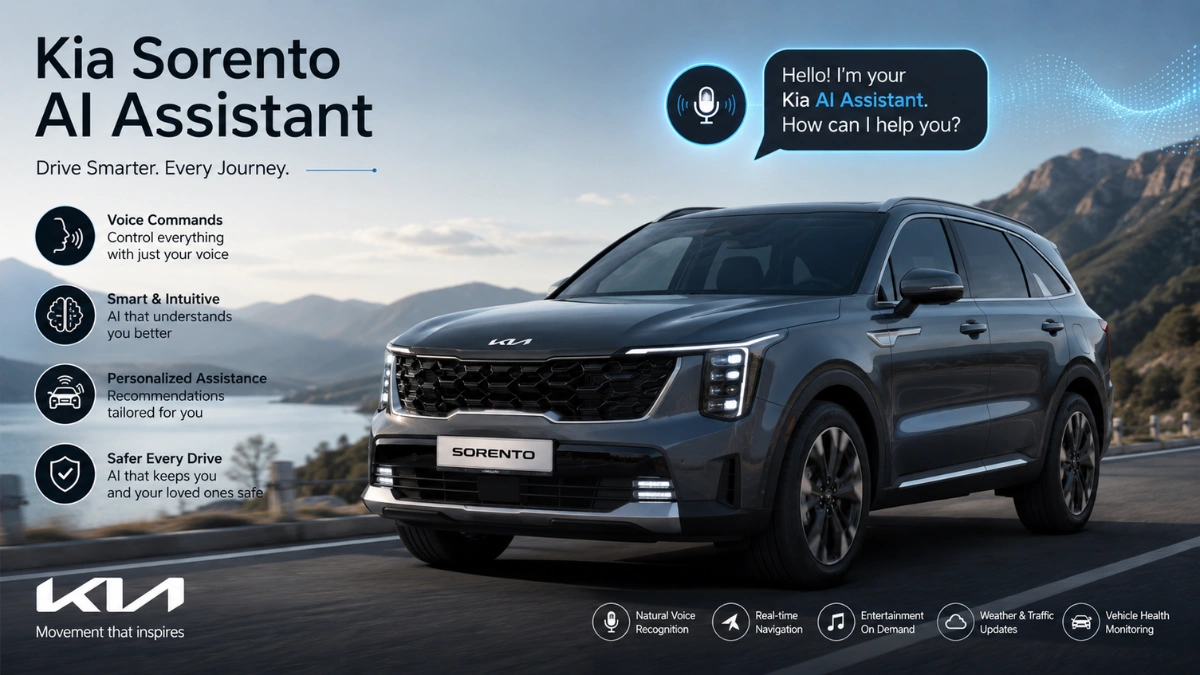
Kia Sorento AI Assistant Explained: Features, Commands, and Indian Language Support
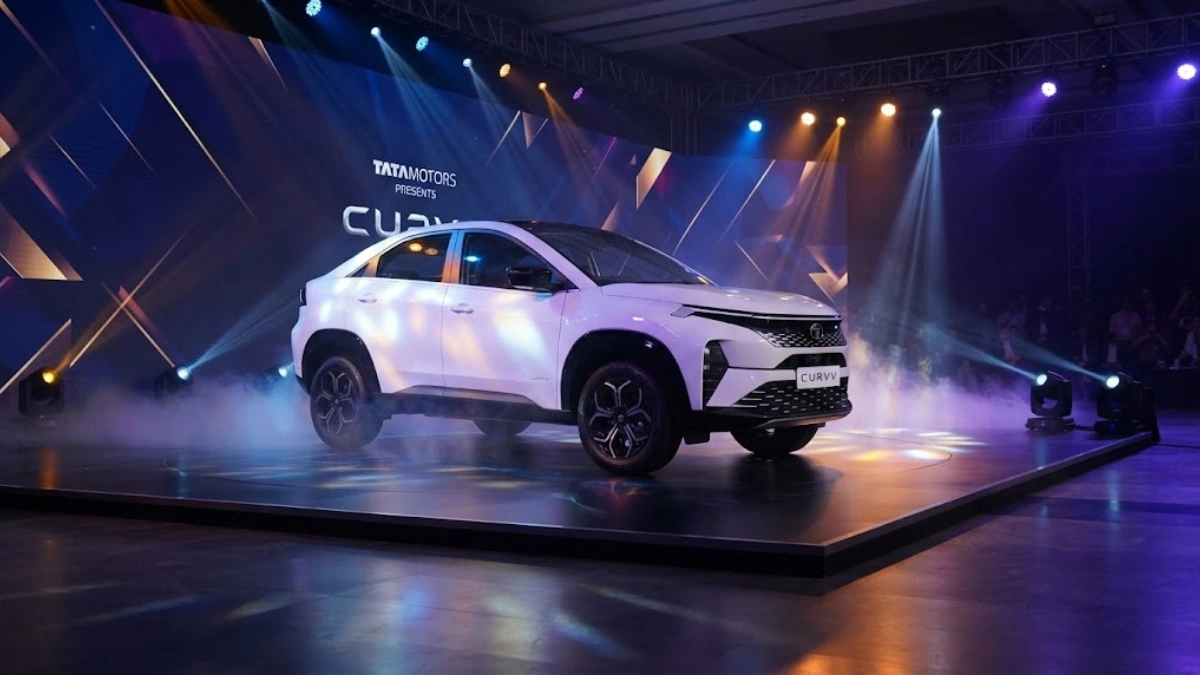
What Is the Difference Between Tata Curvv and New Curvv Series X?
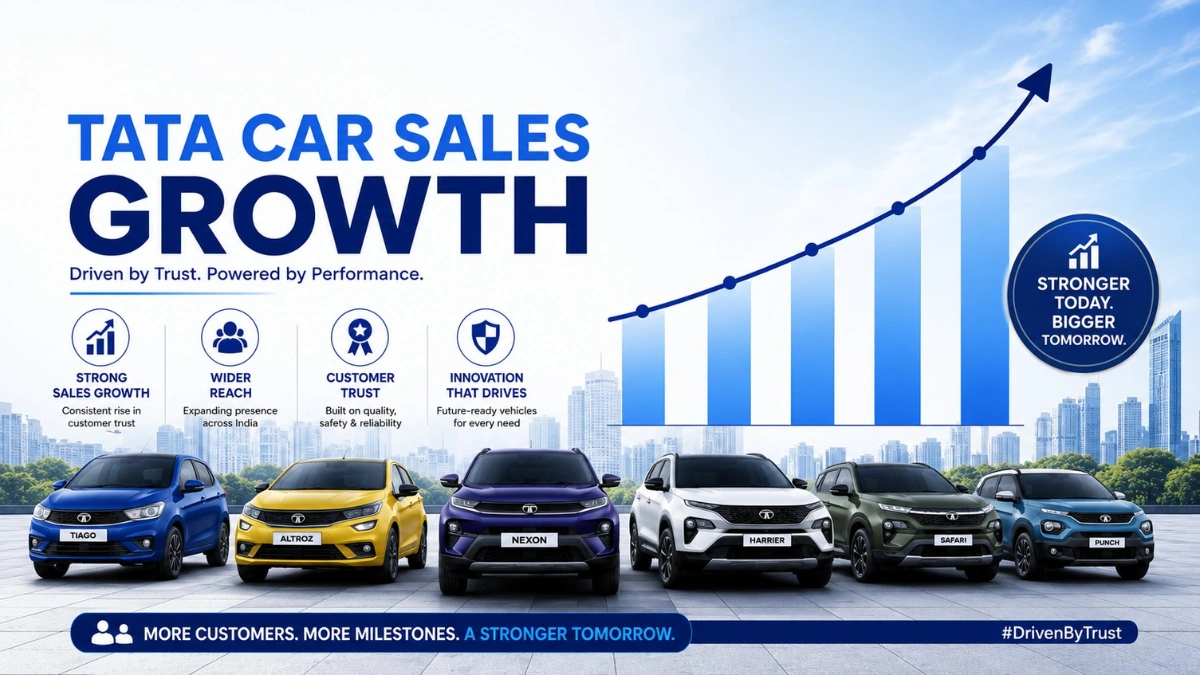
Tata Car Sales August 2026: Model-Wise Sales & Growth Report
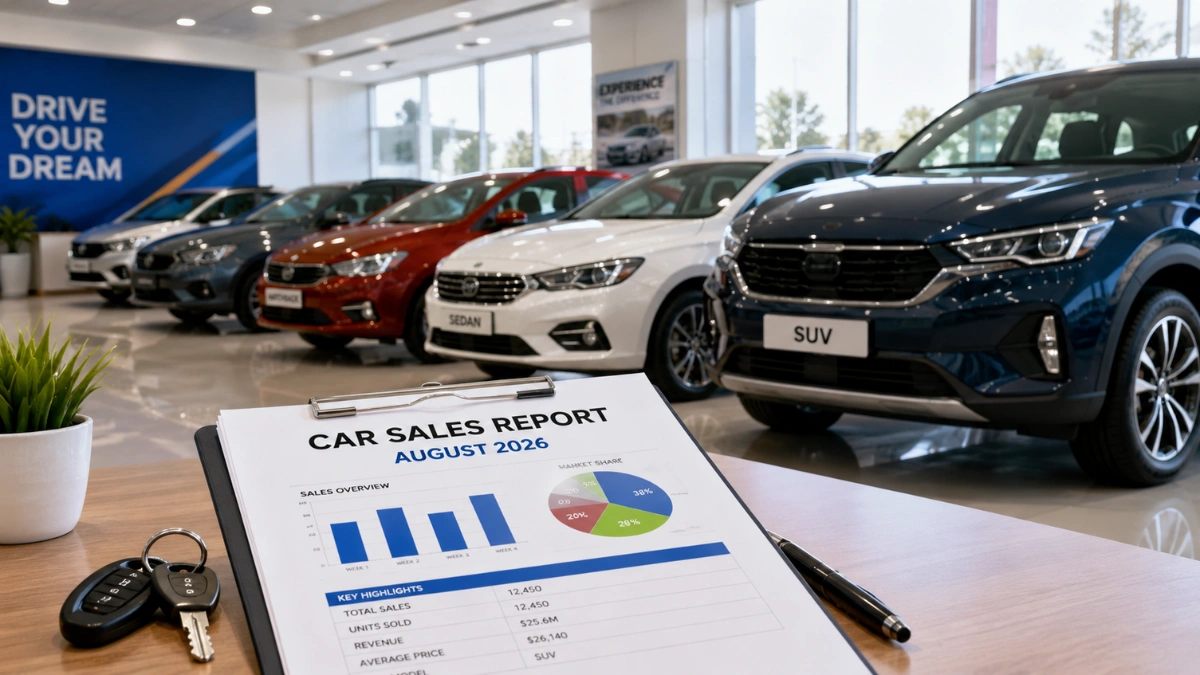
Car Sales Report of August 2026: Tata Motors, Maruti, Mahindra Lead Growth
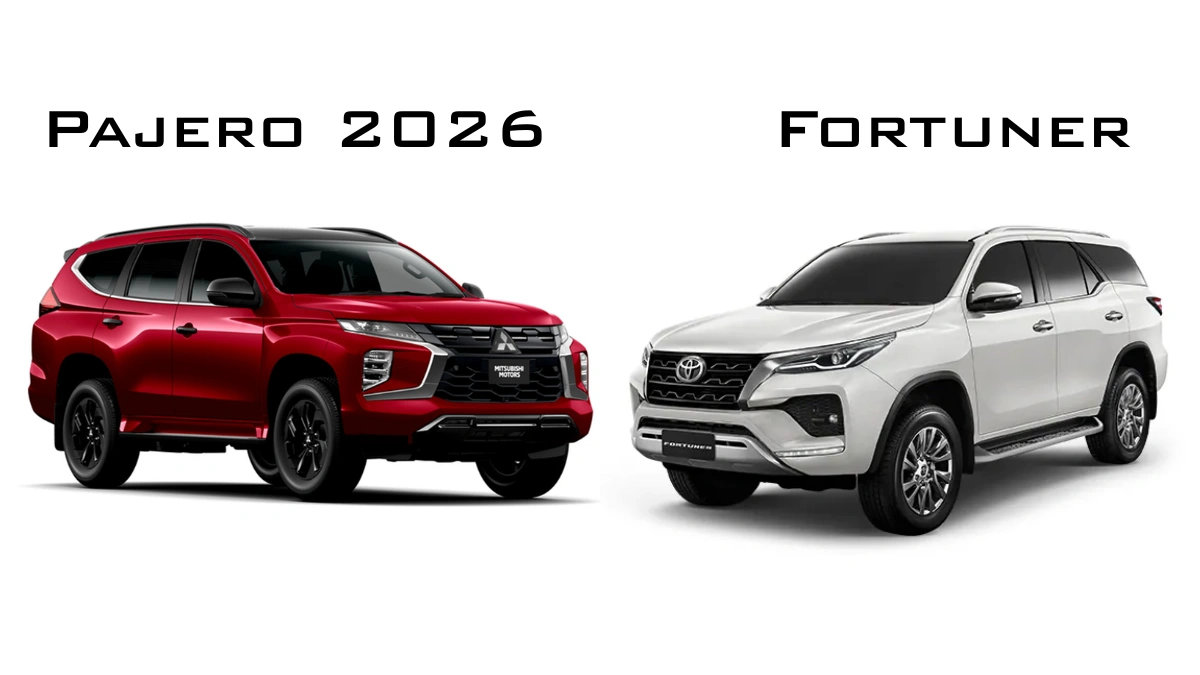
Pajero 2026 vs Fortuner: Which SUV Could Be Better?
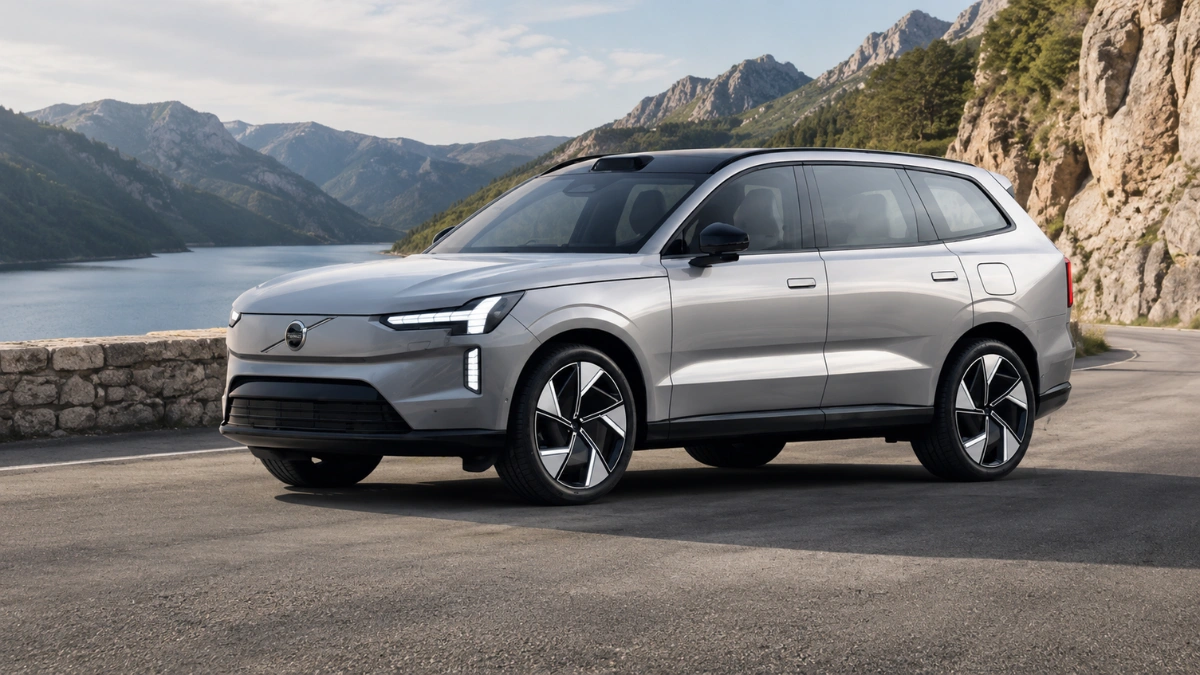
Volvo EX90 Booking Price: Expected Booking Amount, EMI & Loan Calculation
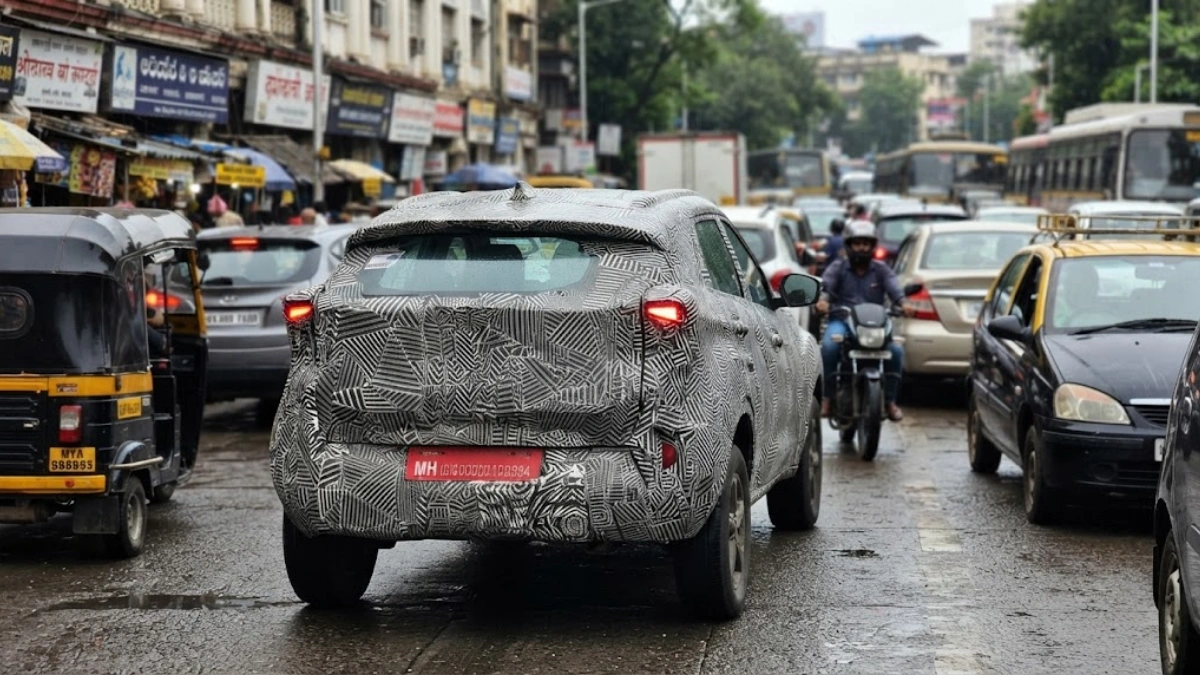
Next Generation Tata Nexon 2027: Expected Launch, Price, Design & Features
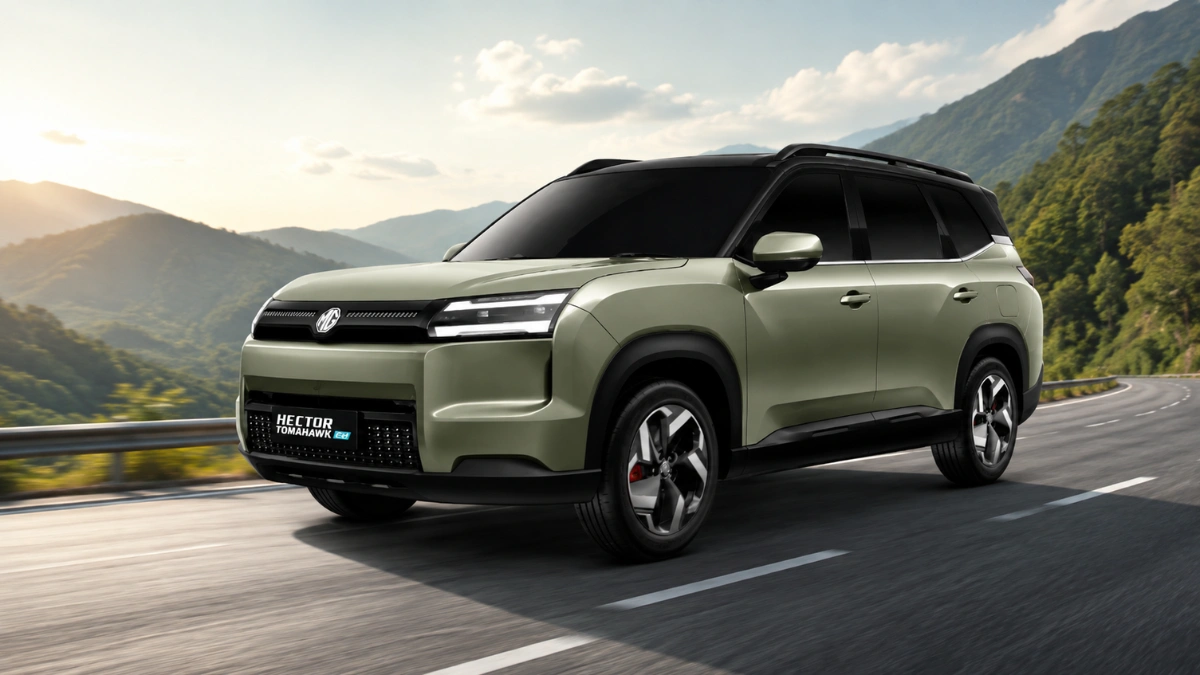
MG Hector Tomahawk EV Variant-Wise Price & Features Comparison
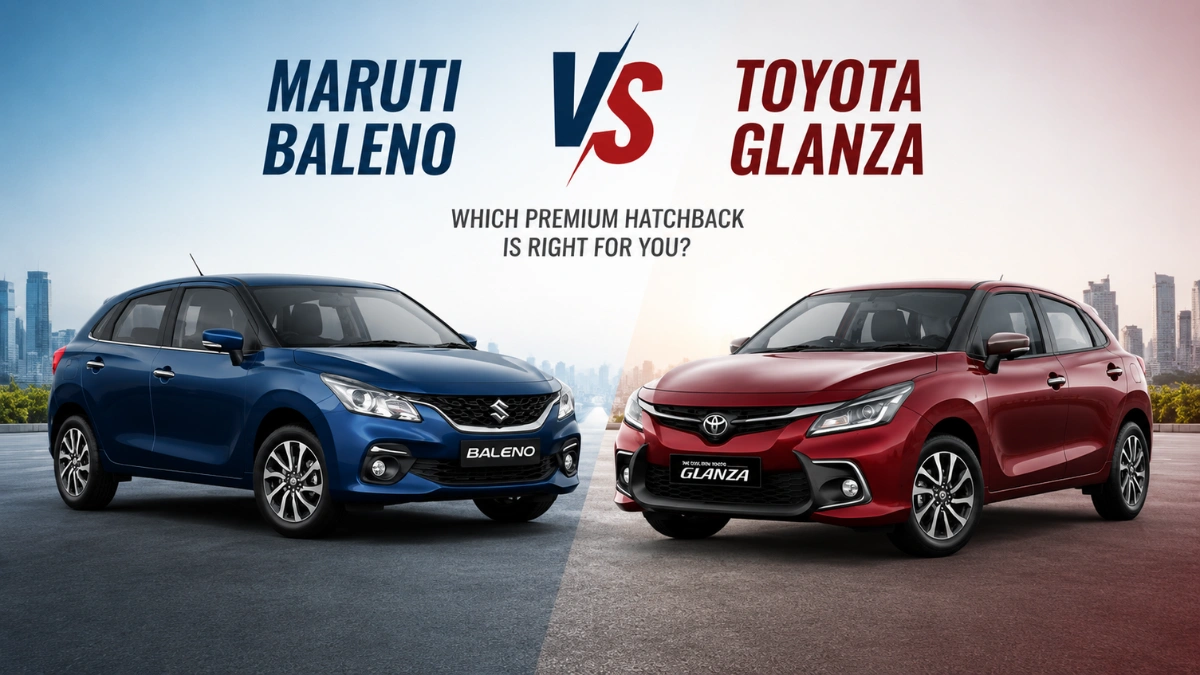
Maruti Baleno Facelift vs Toyota Glanza: Complete Comparision
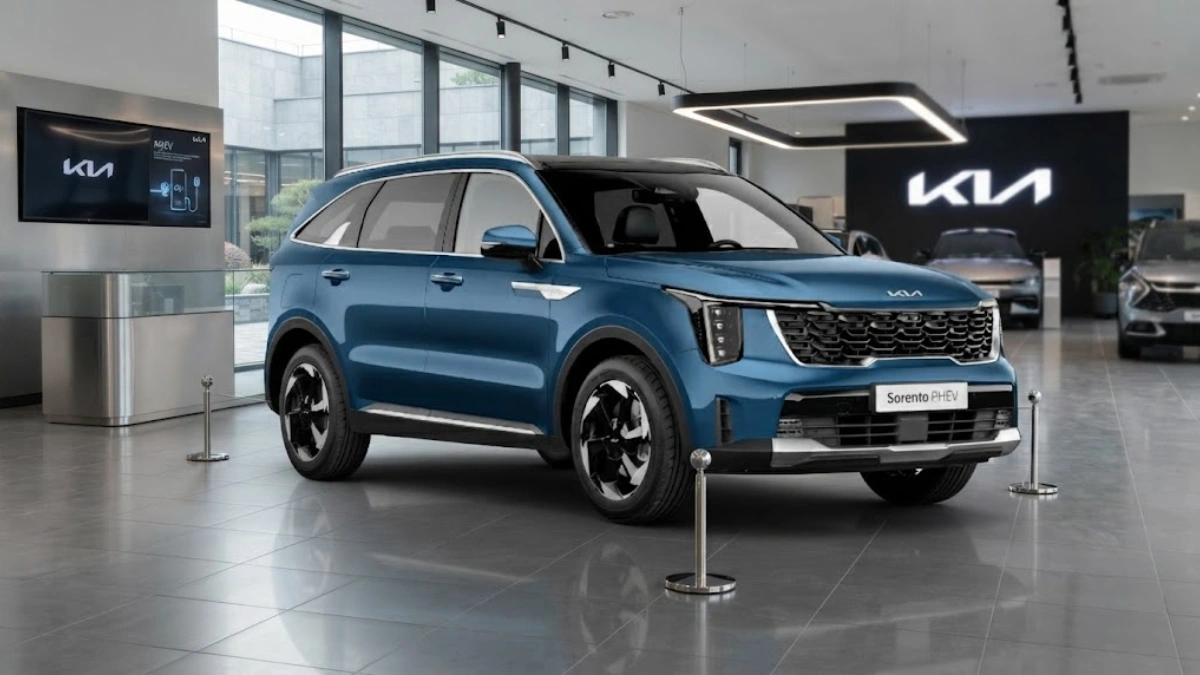
Upcoming Cars in September 2026 in India: New Cars, Launch Dates & Expected Prices
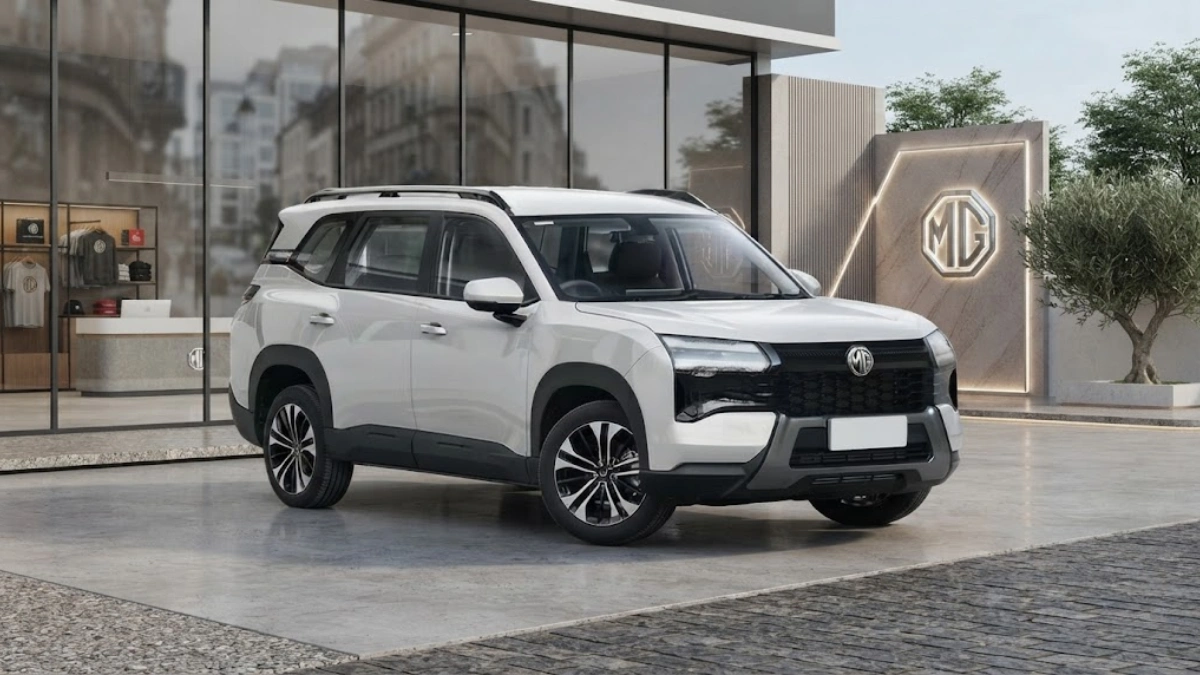
MG Hector Hawk SUV vs Tata Harrier: Expected Price, Features & Key Differences
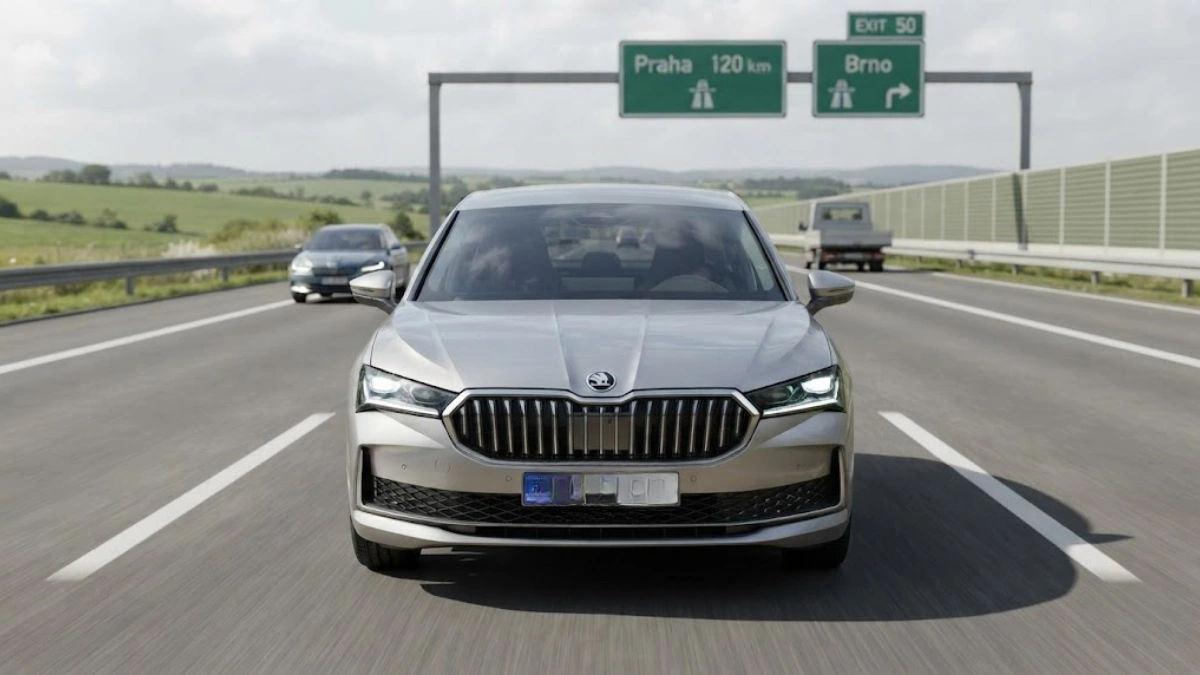
Skoda Superb Diesel in India: Will the Diesel Engine Make a Comeback?