How Do Hybrid Cars Work?
- Cars
- Published: 09 Sep, 2025
Book a Test Drive
Free doorstep test drive at your convenience
As the world shifts toward cleaner and more efficient mobility, hybrid cars are emerging as a practical choice for many Indian buyers. They strike a balance between traditional fuel-powered engines and electric motors, offering improved fuel efficiency, lower emissions, and the convenience of conventional refueling. But the question remains: how do hybrid cars work? Let’s break it down.
What Is a Hybrid Car?
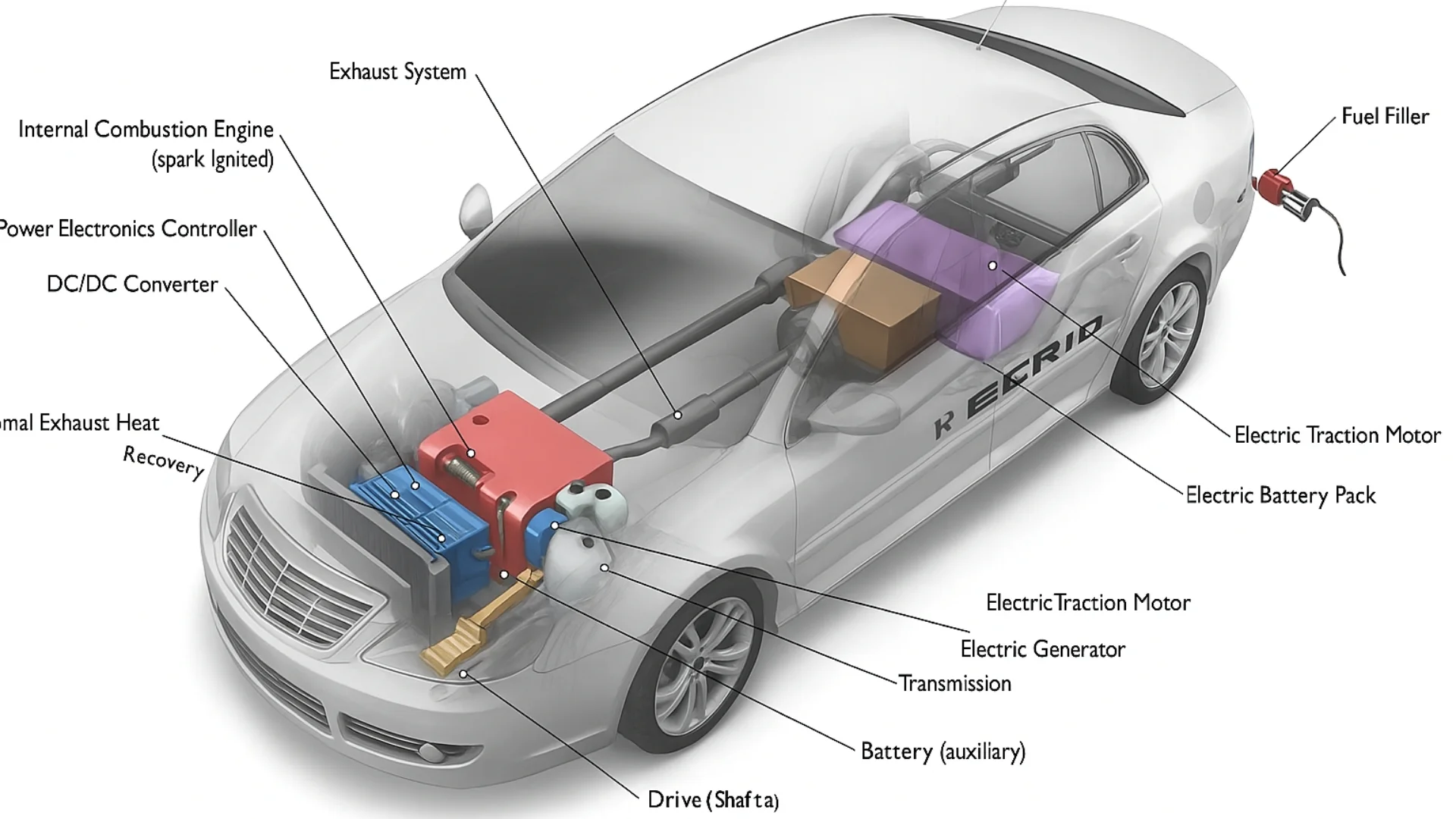
A hybrid car uses two power sources — a conventional internal combustion engine (ICE) and an electric motor powered by a battery. These systems work together to optimize performance, fuel economy, and emissions.
Hybrid vehicles come in various types, including mild hybrids, full hybrids, and plug-in hybrids (PHEVs). Each has different levels of reliance on electric power.
How Do Hybrid Cars Work?
Hybrid cars seamlessly switch between or combine the petrol/diesel engine and the electric motor, depending on driving conditions. Here’s how it works step by step:
- Start & Low-Speed Driving
At low speeds, hybrids often run purely on the electric motor. This makes city driving smooth, quiet, and fuel-efficient. - Acceleration
When you accelerate, the electric motor provides an extra power boost, reducing strain on the engine and improving performance. - Highway Driving
At higher speeds, the internal combustion engine becomes the primary power source, while the electric motor supports efficiency. - Regenerative Braking
Hybrids use regenerative braking technology, which converts energy normally lost during braking into electricity, recharging the battery. - Battery Charging
In most hybrids, the battery charges automatically through regenerative braking and the engine — meaning you don’t need to plug it in (except PHEVs).
Types of Hybrid Cars
- Mild Hybrid (MHEV): Uses a small battery and motor to assist the engine but cannot run on electricity alone.
- Full Hybrid (HEV): Can drive short distances on electric power alone and automatically switch between modes.
- Plug-in Hybrid (PHEV): Comes with a larger battery that can be charged via a plug, allowing longer electric-only driving ranges.
Why Choose a Hybrid Car?
- Fuel Efficiency: Saves up to 25–30% fuel compared to traditional cars.
- Lower Emissions: Reduced CO₂ output, helping the environment.
- Convenience: No charging hassles for HEVs — fuel up like normal.
- Smooth Driving: Instant torque from the electric motor ensures quick response.
- Government Incentives: Some states offer benefits such as tax reductions or rebates.
Hybrid Cars in India (2025 Snapshot)
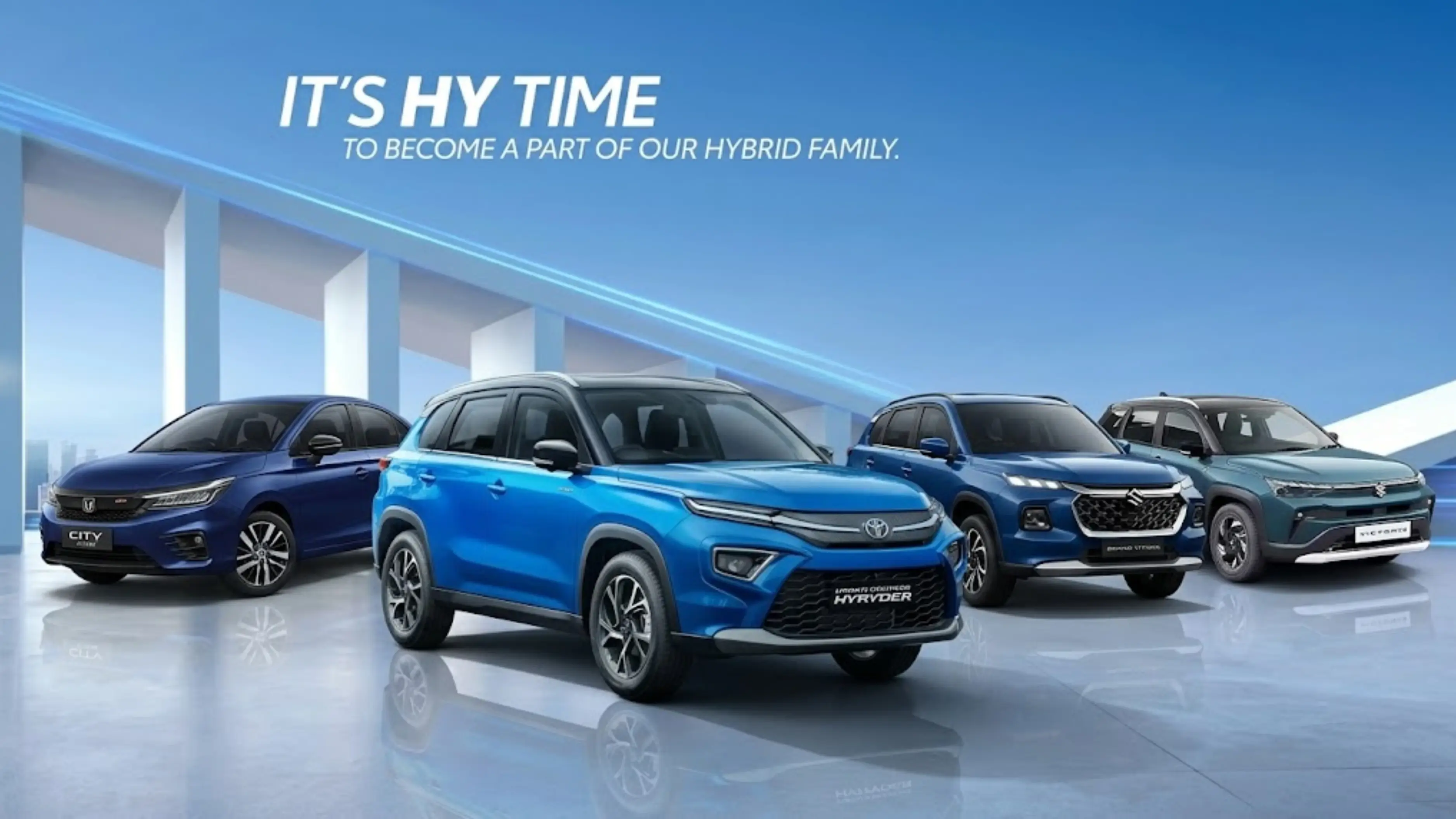
- Toyota Innova Hycross Hybrid – Popular family MPV with excellent mileage.
- Honda City e:HEV – First mass-market hybrid sedan in India.
- Maruti Suzuki Grand Vitara Hybrid – Affordable strong-hybrid SUV option.
These models show that hybrids are no longer just luxury options — they’re entering mainstream segments.
Conclusion
So, how do hybrid cars work? In essence, they combine the efficiency of electric motors with the reliability of internal combustion engines, creating a smart, eco-friendly solution for modern drivers. With India pushing toward cleaner mobility, hybrids are becoming an ideal stepping stone between petrol/diesel cars and full EVs.
For those who want better fuel economy, lower emissions, and zero range anxiety — hybrid cars make perfect sense in 2025 and beyond.
FAQs
Q1. Do hybrid cars need charging?
No, most hybrids charge automatically through regenerative braking and the engine. Only plug-in hybrids (PHEVs) require external charging.
Q2. Are hybrid cars expensive in India?
Yes, hybrids usually cost more upfront than regular cars, but they save money on fuel in the long run.
Q3. What is the mileage of a hybrid car in India?
Hybrid cars can deliver 20–27 km/l, depending on model and driving conditions.
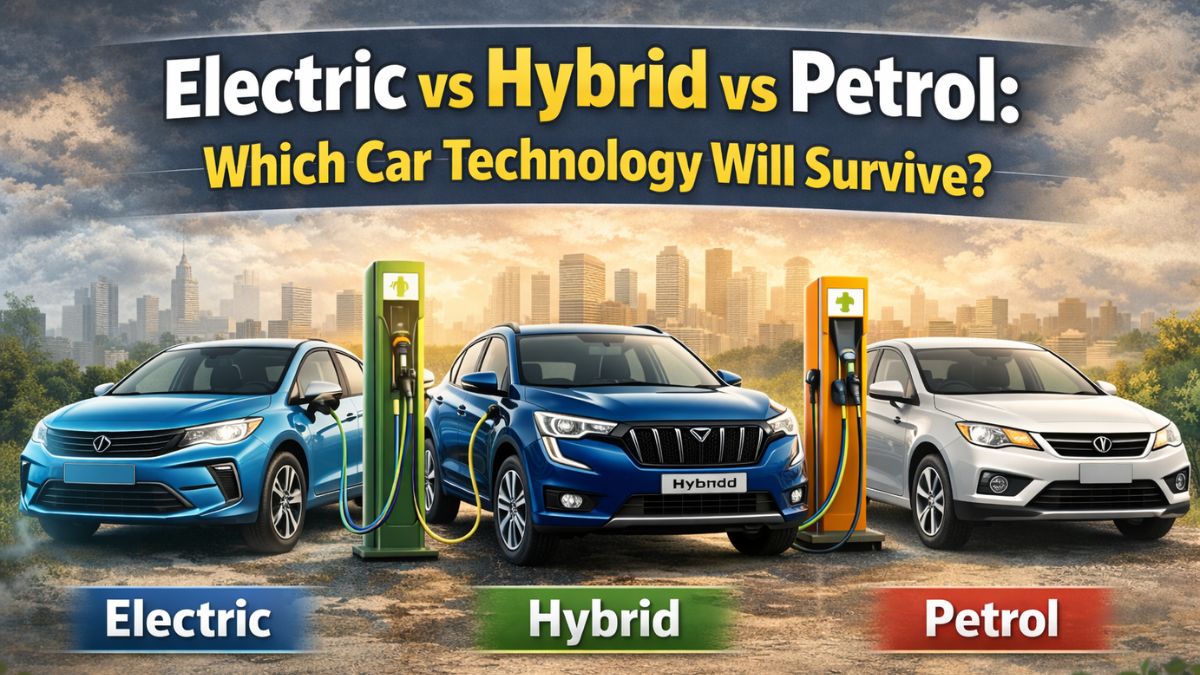
Q4. Are hybrid cars better than EVs?
Hybrids offer convenience (no charging needed) while EVs are cleaner. It depends on your driving style and charging availability.
Q5. Which is the most popular hybrid car in India?
Currently, the Toyota Innova Hycross Hybrid and Honda City e:HEV are leading the market.
Book a Test Drive
Free doorstep test drive at your convenience
Popular Brands





Latest Car News
BMW 7 Series Facelift Interior Updates: Know Everything

How to Check Oil Level in Car: Step-by-Step Guide
Latest Cars Under ₹5 Lakh in India in September 2026
Maruti Alto K10 September Offers: Get Up to ₹62,500 Savings on Purchase
Tata Tigor Facelift Under ₹6 Lakh: A New Budget Sedan Is Coming
Hyundai Creta August 2026 Sales: With 16,288 Units Becomes India's Best-Selling Mid-Size SUV
Maruti Baleno Facelift Booking Price: Expected Booking Amount, EMI & Loan Calculation
Kia Sorento 6 Seater vs 7 Seater: Which One Should You Choose?
Kia Sorento AI Assistant Explained: Features, Commands, and Indian Language Support
What Is the Difference Between Tata Curvv and New Curvv Series X?
Tata Car Sales August 2026: Model-Wise Sales & Growth Report
Car Sales Report of August 2026: Tata Motors, Maruti, Mahindra Lead Growth
Pajero 2026 vs Fortuner: Which SUV Could Be Better?
Volvo EX90 Booking Price: Expected Booking Amount, EMI & Loan Calculation
Next Generation Tata Nexon 2027: Expected Launch, Price, Design & Features
MG Hector Tomahawk EV Variant-Wise Price & Features Comparison
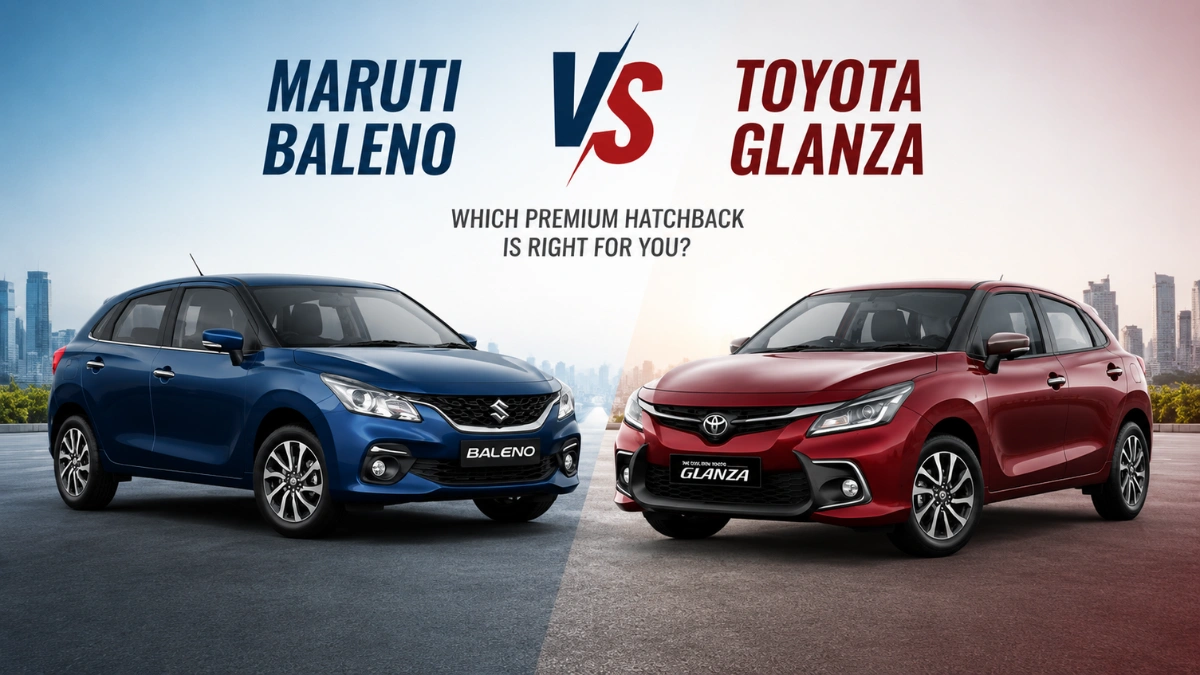
Maruti Baleno Facelift vs Toyota Glanza: Complete Comparision
Upcoming Cars in September 2026 in India: New Cars, Launch Dates & Expected Prices
MG Hector Hawk SUV vs Tata Harrier: Expected Price, Features & Key Differences
Skoda Superb Diesel in India: Will the Diesel Engine Make a Comeback?