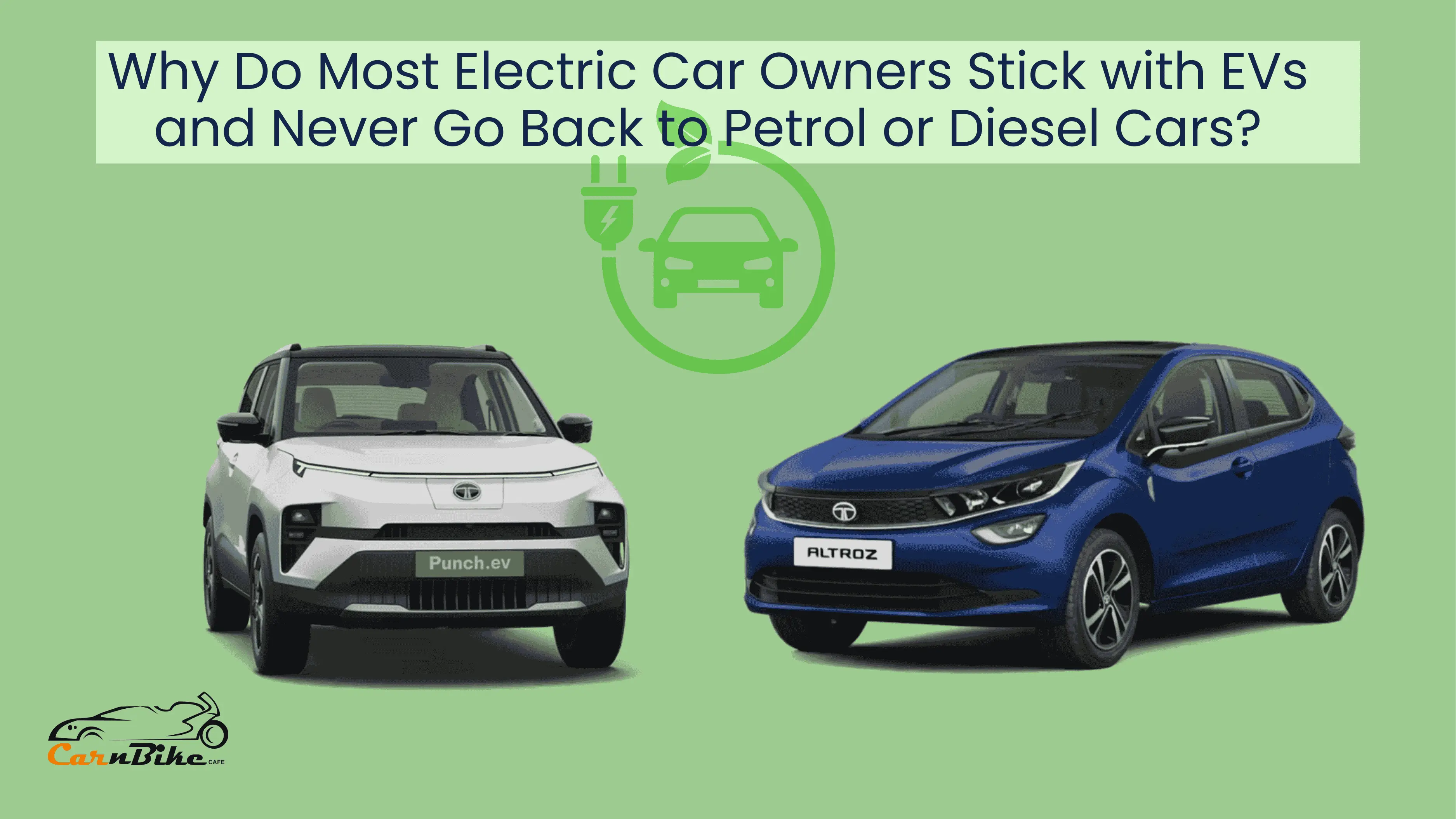
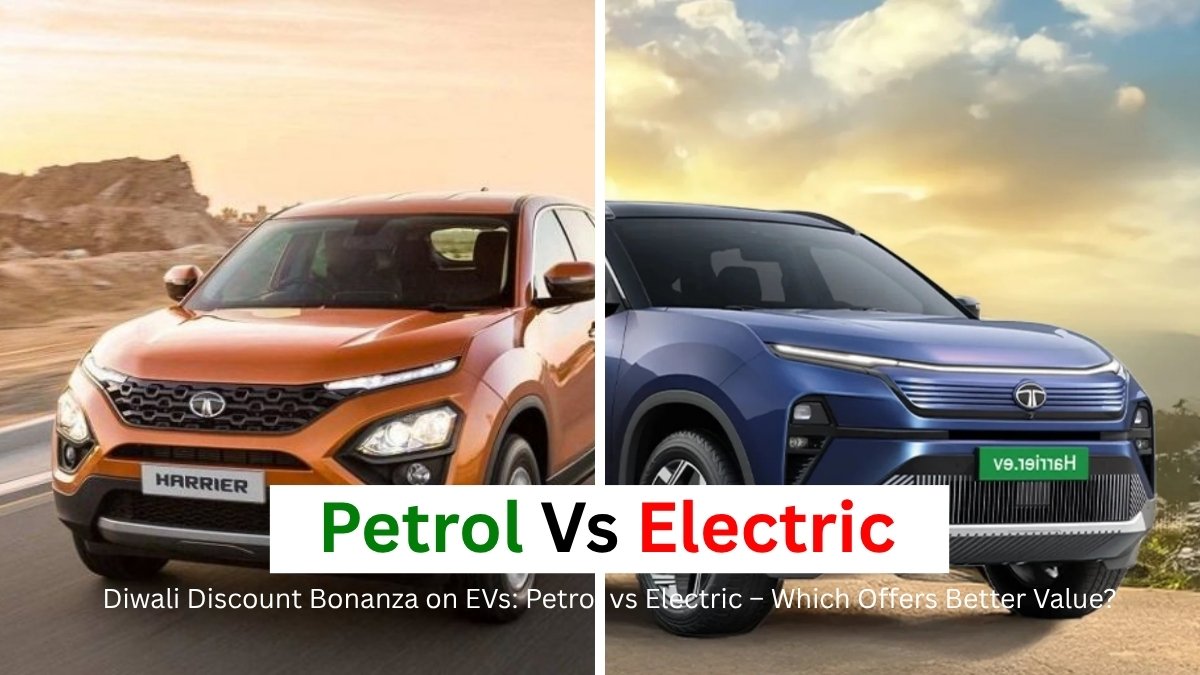
Diwali Discount Bonanza on EVs 2025: Petrol vs Electric – Best Value Deals
- Cars
- Published: 06 Oct, 2025
Book a Test Drive
Free doorstep test drive at your convenience
The festive season in India always brings joy, lights, and irresistible discounts — especially when it comes to automobiles. With Diwali 2025 around the corner, car buyers are eagerly looking for the best Diwali Discount Bonanza on EVs and petrol cars. But the real question is — which one offers better value: petrol or electric vehicles (EVs)?
As more people consider switching to electric mobility, both traditional and electric car manufacturers are offering massive festive deals. Let’s dive deep into which type of vehicle truly gives you more value for your money this Diwali.
1. Diwali 2025 Discount Bonanza on Electric Cars (EVs)
Electric cars are the stars of this year’s Diwali offers. With India’s EV adoption rate growing rapidly, brands are competing to make their electric models more affordable. Here are some of the best deals available:
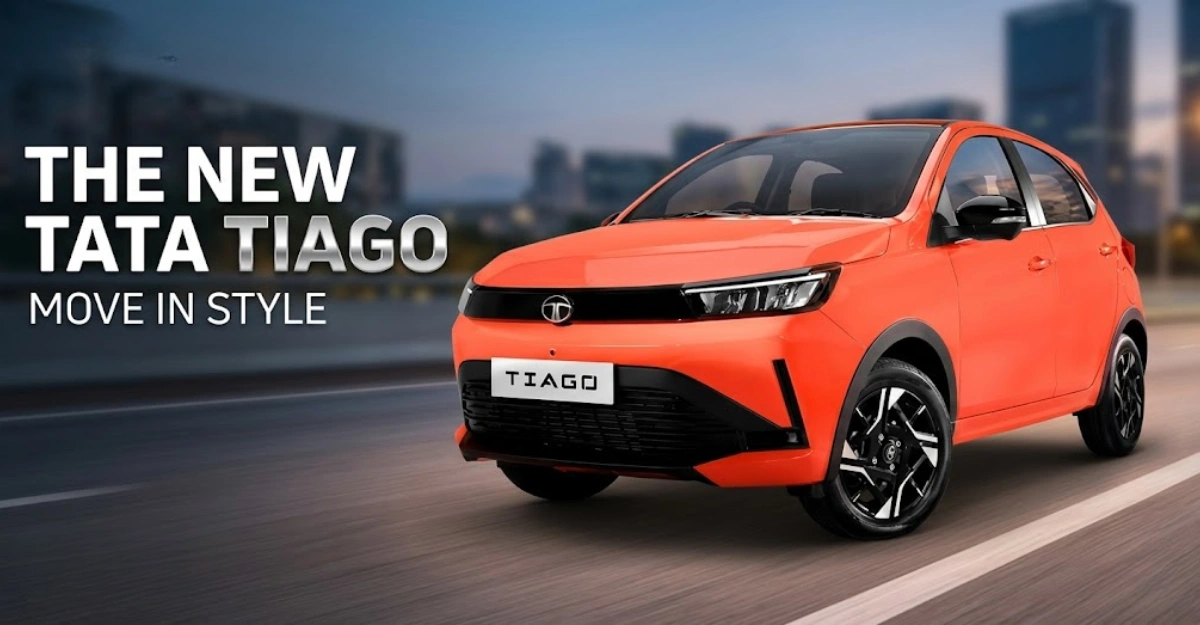
- Tata Tiago EV – Discounts up to ₹1 lakh including exchange and corporate benefits.
- MG Comet EV – Festive price cut of ₹90,000 with extended warranty offers.
- Tata Nexon EV – Benefits worth ₹1.2 lakh including free charging accessories.
- Hyundai Kona Electric – Up to ₹1.5 lakh off on select variants.
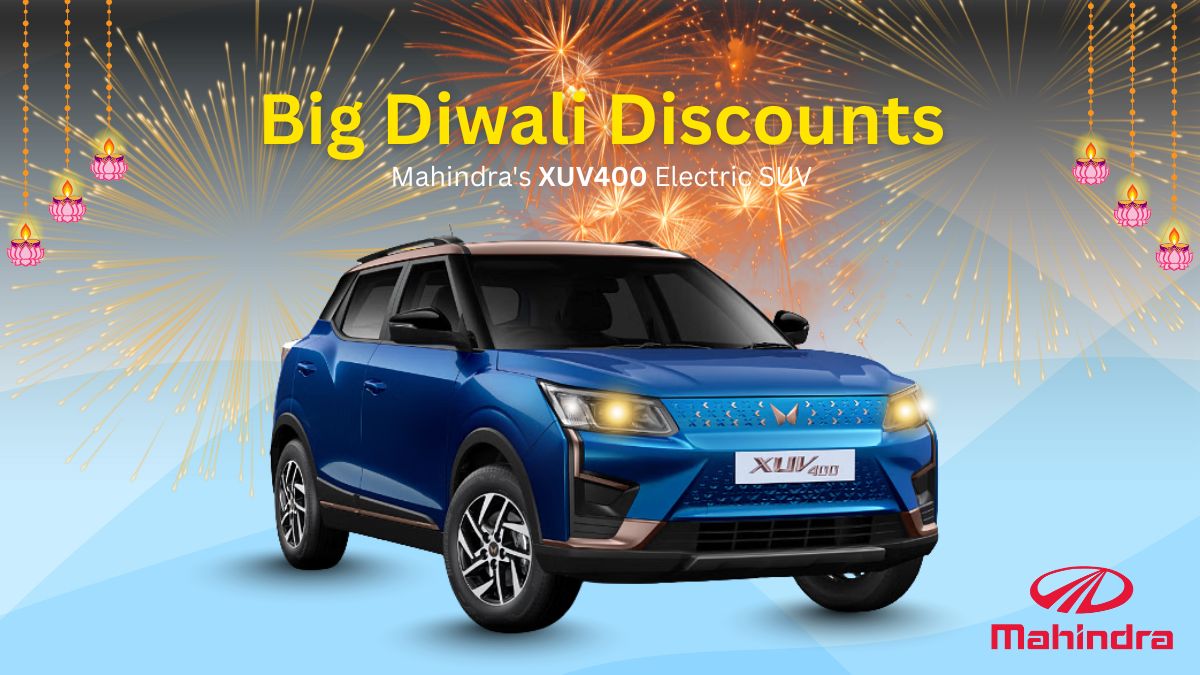
- Mahindra XUV400 EV – ₹1 lakh discount along with zero-interest finance schemes.
EV manufacturers are also offering free home charger installation, extended battery warranty, and attractive exchange bonuses for petrol car owners willing to switch to electric.
2. Diwali Offers on Petrol Cars
Petrol cars still dominate Indian roads, and manufacturers are ensuring they remain attractive to buyers this festive season. The Diwali Discount Bonanza 2025 includes:
- Maruti Suzuki Swift – ₹65,000 total benefits.
- Hyundai i20 – ₹70,000 discount including exchange bonus.
- Tata Punch (Petrol) – ₹60,000 off.
- Honda Amaze – ₹80,000 total benefit.
- Mahindra Bolero Neo – ₹75,000 discount on select models.
Petrol cars continue to appeal to traditional buyers who prefer easy refueling and lower upfront costs. The festive deals make them even more budget-friendly this season.
3. Petrol vs Electric – Which Offers Better Value This Diwali?
When comparing petrol and electric cars during the Diwali 2025 Bonanza, value depends on your needs, driving habits, and budget. Let’s break it down:
Upfront Cost
- Petrol Cars: Generally cheaper upfront. Even after discounts, petrol cars cost less than EVs in the same segment.
- EVs: Higher initial cost, but Diwali offers are bridging the gap with ₹1–1.5 lakh discounts.
Running & Maintenance Cost
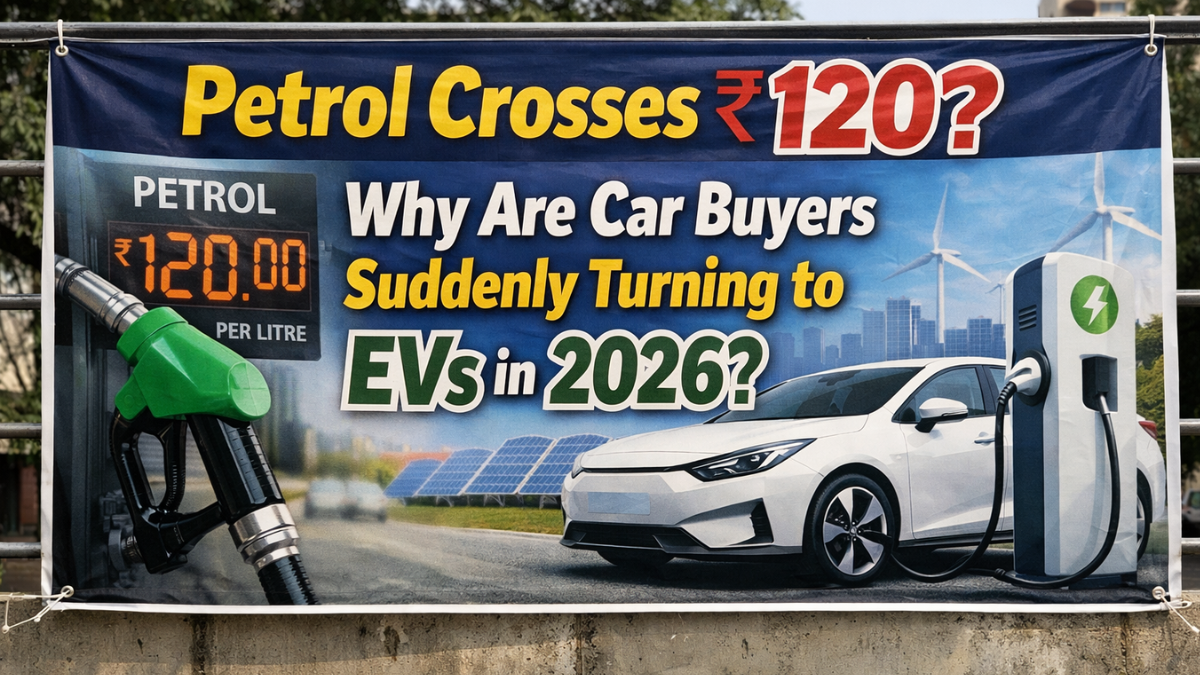
- Petrol Cars: Higher running cost due to fluctuating fuel prices (around ₹100/litre in most cities).
- EVs: Cost per km is 70–80% lower than petrol cars. Charging at home costs roughly ₹1.2–₹1.5 per km. Maintenance is also cheaper since EVs have fewer moving parts.
Government Incentives
- EVs: Additional benefits through FAME II subsidy, state-level incentives, and road tax exemptions in many states.
- Petrol Cars: Limited to dealer discounts only.
Environmental Value
- EVs: Zero tailpipe emissions, making them environmentally friendly.
- Petrol Cars: Contribute to CO₂ emissions and air pollution, though BS6 engines are cleaner than older models.
Resale & Future Value
- EVs: Resale values are improving as EV infrastructure expands. Battery warranty (up to 8 years) adds confidence.
- Petrol Cars: Good resale market currently, but may decline as EV adoption grows.
Verdict:
If you’re looking for long-term value, lower running cost, and environmental benefits, EVs clearly offer a better deal — especially with Diwali discounts reducing upfront costs significantly.
Why Choose an EV This Diwali 2025?
- Massive Discounts: Brands like Tata, MG, and Mahindra are offering record-breaking festive deals.
- Low Running Costs: Save up to ₹70,000 per year compared to petrol vehicles if you drive regularly.
- Eco-Friendly Choice: Zero emissions mean a cleaner environment and greener future.
- Government Support: Avail subsidies, reduced GST (5%), and free charging setups in some cities.
- Future-Ready Investment: As petrol prices rise, EVs become more economical with every passing year.
Conclusion
The Diwali Discount Bonanza 2025 has made car buying more exciting than ever — especially for those considering electric vehicles. While petrol cars still offer great short-term affordability, EVs are the smarter long-term investment thanks to lower running costs, generous discounts, and eco-friendly technology.
If you’re planning a festive upgrade, this is the perfect time to embrace the electric revolution. Compare offers, take test drives, and light up your Diwali with the joy of owning a cleaner, smarter, and more cost-effective EV.
Frequently Asked Questions (FAQs)
1. Are EVs cheaper to run than petrol cars?
Yes, EVs cost about 70–80% less to run per km compared to petrol cars, making them much more economical in the long run.
2. What are the best EV Diwali discounts in 2025?
Top deals include ₹1–1.5 lakh off on Tata Nexon EV, Hyundai Kona Electric, and Mahindra XUV400 EV.
3. Is it safe to buy an EV now?
Yes. With improved battery technology, longer warranties, and expanding charging networks, EVs are now reliable and safe to buy.
4. Do petrol cars still have good offers this Diwali?
Yes, petrol cars like Maruti Swift, Tata Punch, and Hyundai i20 are offering ₹60,000–₹80,000 discounts.
5. Which offers better long-term value – Petrol or Electric?
Electric vehicles offer better long-term savings and environmental value, especially when bought during the Diwali 2025 Bonanza.
Book a Test Drive
Free doorstep test drive at your convenience
Popular Brands





Latest Car News
BMW 7 Series Facelift Interior Updates: Know Everything
How to Check Oil Level in Car: Step-by-Step Guide
Latest Cars Under ₹5 Lakh in India in September 2026
Maruti Alto K10 September Offers: Get Up to ₹62,500 Savings on Purchase
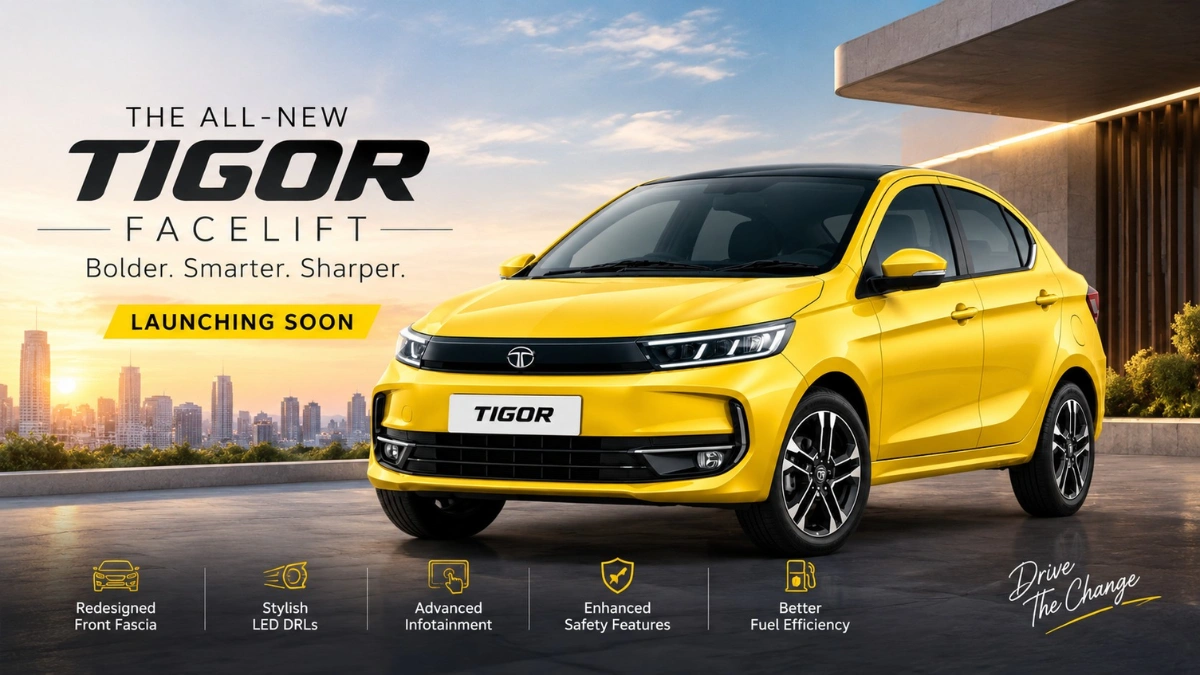
Tata Tigor Facelift Under ₹6 Lakh: A New Budget Sedan Is Coming
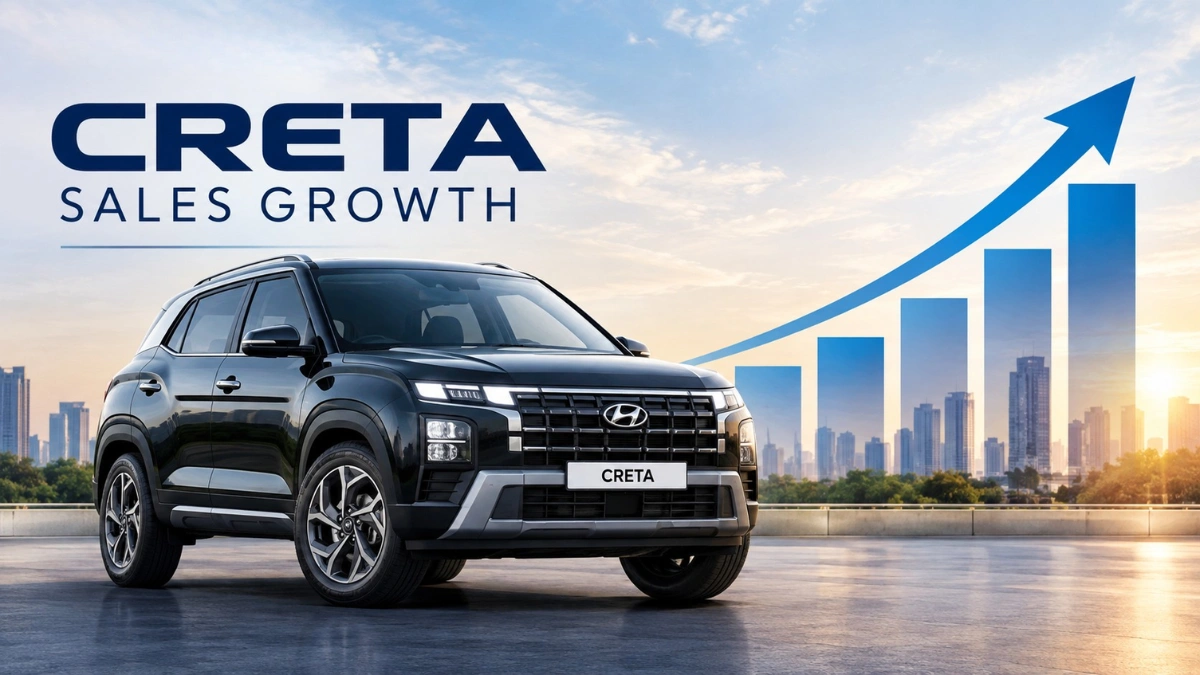
Hyundai Creta August 2026 Sales: With 16,288 Units Becomes India's Best-Selling Mid-Size SUV
Maruti Baleno Facelift Booking Price: Expected Booking Amount, EMI & Loan Calculation

Kia Sorento 6 Seater vs 7 Seater: Which One Should You Choose?
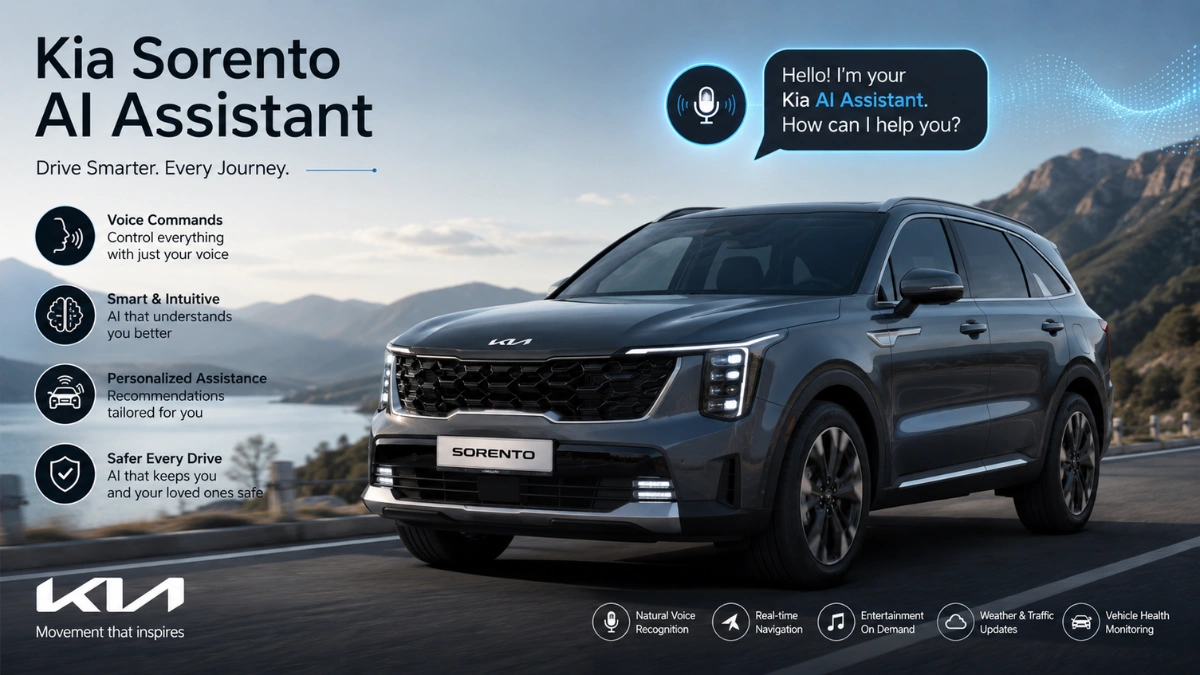
Kia Sorento AI Assistant Explained: Features, Commands, and Indian Language Support
What Is the Difference Between Tata Curvv and New Curvv Series X?
Tata Car Sales August 2026: Model-Wise Sales & Growth Report
Car Sales Report of August 2026: Tata Motors, Maruti, Mahindra Lead Growth
Pajero 2026 vs Fortuner: Which SUV Could Be Better?
Volvo EX90 Booking Price: Expected Booking Amount, EMI & Loan Calculation
Next Generation Tata Nexon 2027: Expected Launch, Price, Design & Features
MG Hector Tomahawk EV Variant-Wise Price & Features Comparison
Maruti Baleno Facelift vs Toyota Glanza: Complete Comparision
Upcoming Cars in September 2026 in India: New Cars, Launch Dates & Expected Prices
MG Hector Hawk SUV vs Tata Harrier: Expected Price, Features & Key Differences
Skoda Superb Diesel in India: Will the Diesel Engine Make a Comeback?