Cars in 2026 Will Be Smarter Than Smartphones – With Real Proof
- Cars
- Published: 29 Dec, 2025
Book a Test Drive
Free doorstep test drive at your convenience
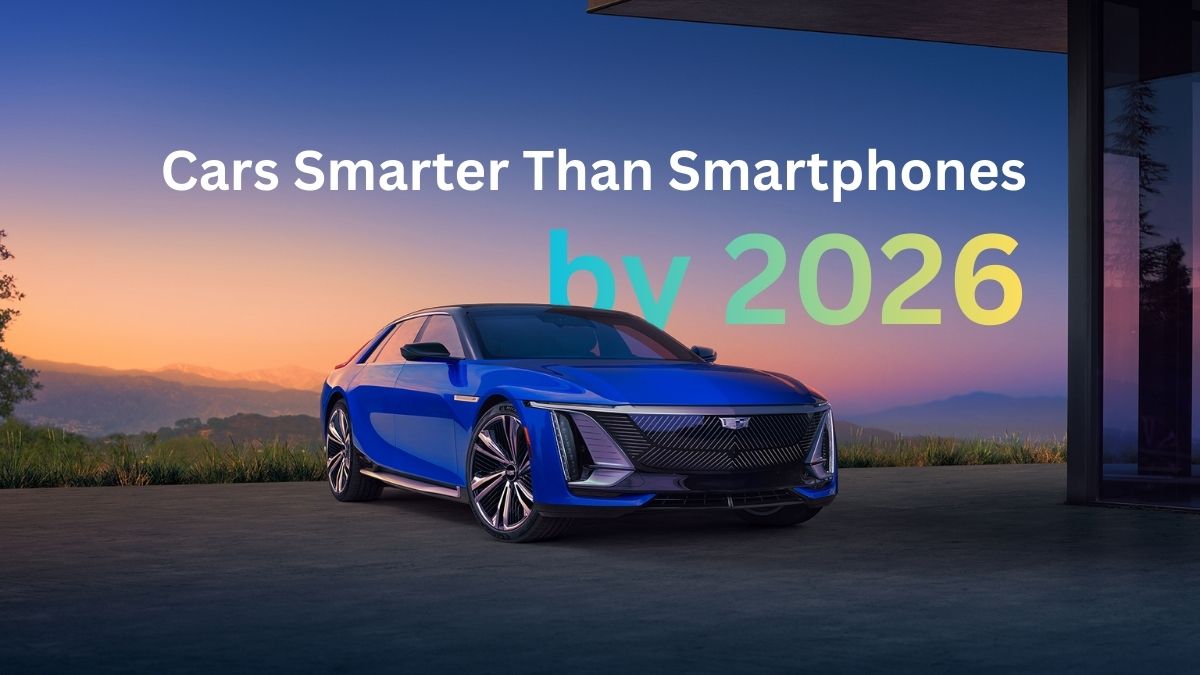
Technology has already turned smartphones into powerful personal assistants, but by 2026, something even smarter will take center stage—cars. The statement “Cars in 2026 will be smarter than smartphones” may sound bold, but real-world proof shows it’s becoming reality faster than expected. Modern vehicles are evolving into intelligent systems that think, learn, and act independently, often outperforming phones in awareness, processing, and decision-making.
Let’s break down how cars are surpassing smartphones—with real proof behind the claim.
1. Cars Will Have More Sensors Than Any Smartphone
A typical smartphone uses cameras, microphones, GPS, and motion sensors. Cars in 2026 will use over 100 sensors, including LiDAR, radar, thermal cameras, ultrasonic sensors, and biometric monitors.
These sensors allow cars to:
- Detect objects in 360 degrees
- Measure distance, speed, and movement in real time
- Monitor driver health and alertness
Unlike smartphones, which rely on user input, cars constantly observe their surroundings without interruption.
2. Vehicles Will Process Data Faster Than Phones
Smartphones are powerful, but they are limited by battery size and heat management. Cars, on the other hand, have dedicated AI processors, advanced cooling systems, and large power reserves.
Real proof includes:
- Automotive-grade AI chips processing terabytes of data daily
- Onboard systems making split-second safety decisions
- Edge computing that doesn’t rely on cloud delays
This level of processing power allows cars to think independently—something phones cannot safely do at high speeds.
3. Cars Will Make Life-Critical Decisions on Their Own
A smartphone can suggest actions. A car in 2026 can take action without asking permission when lives are at risk.
Examples include:
- Automatic emergency braking
- Collision avoidance steering
- Lane correction during driver fatigue
These systems are already saving lives today, and by 2026, they will become even more precise. No smartphone can physically protect you in real time the way an intelligent car can.
4. Vehicles Will Understand Human Behavior Better Than Phones
Smartphones know your apps and search history. Cars in 2026 will understand your behavior patterns, emotions, and physical state.
Using AI and biometrics, cars can:
- Detect stress, drowsiness, or distraction
- Adjust driving modes automatically
- Recommend breaks or activate assisted driving
This emotional and behavioral awareness is far beyond what smartphones can safely manage during movement.
5. Cars Will Communicate With the World Around Them
Future cars won’t operate alone. They will communicate with:
- Other vehicles (V2V)
- Traffic signals (V2I)
- Infrastructure and emergency systems
This real-time communication creates a shared intelligence network. Smartphones react to information; cars in 2026 will coordinate actions within a connected environment.
Why Choose Smarter Cars in 2026?
Choosing a smarter car is not about replacing smartphones—it’s about upgrading safety, convenience, and control.
Key advantages include:
- Higher safety through autonomous decision-making
- Reduced accidents and human error
- Personalized driving experiences
- Better time management and efficiency
- Future-ready technology that improves over time
A smarter car becomes a protective companion rather than just a transport tool.
Real Proof: Cars Are Already Catching Up
Evidence already exists:
- Cars receive over-the-air software updates like smartphones
- Voice assistants in vehicles perform complex tasks
- Autonomous driving systems log millions of real-world kilometers
By 2026, these technologies won’t be experimental—they will be standard.
Conclusion
Cars in 2026 will be smarter than smartphones—not because phones are failing, but because cars are evolving faster. With superior sensors, real-time decision-making, behavioral awareness, and environmental communication, vehicles are becoming the most intelligent machines most people will own.
The future of technology isn’t in your pocket anymore. It’s on the road, learning with every kilometer.
FAQs
Q1. Will cars completely replace smartphones?
No. Cars and smartphones will work together, each serving different purposes.
Q2. Are smarter cars safe from hacking?
Manufacturers use encrypted systems, firewalls, and offline safety modes to minimize risks.
Q3. Will these features increase car prices?
Initially yes, but costs will decrease as technology becomes mainstream.
Q4. Can older drivers use these smart features easily?
Yes. Most systems are designed to be voice-based and user-friendly.
Q5. When will these cars be available in India?
Many smart features are expected in Indian models between 2025 and 2026, especially in EVs and premium segments.
Book a Test Drive
Free doorstep test drive at your convenience
Popular Brands





Latest Car News
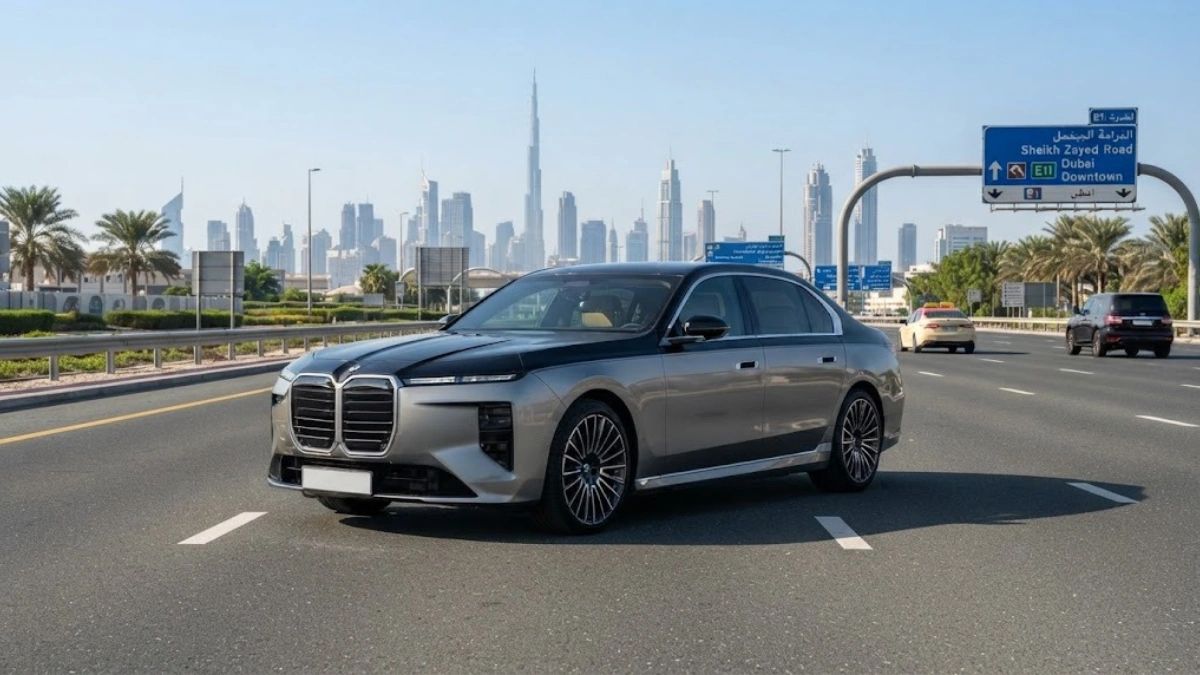
BMW 7 Series Facelift Interior Updates: Know Everything

How to Check Oil Level in Car: Step-by-Step Guide
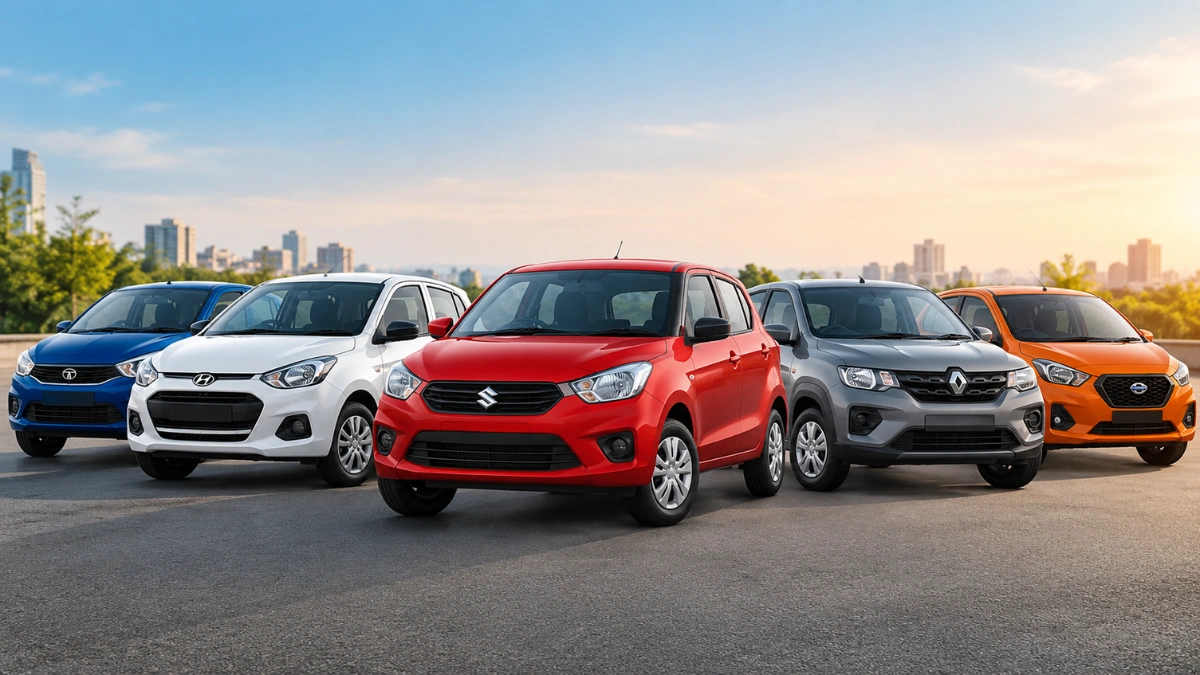
Latest Cars Under ₹5 Lakh in India in September 2026

Maruti Alto K10 September Offers: Get Up to ₹62,500 Savings on Purchase
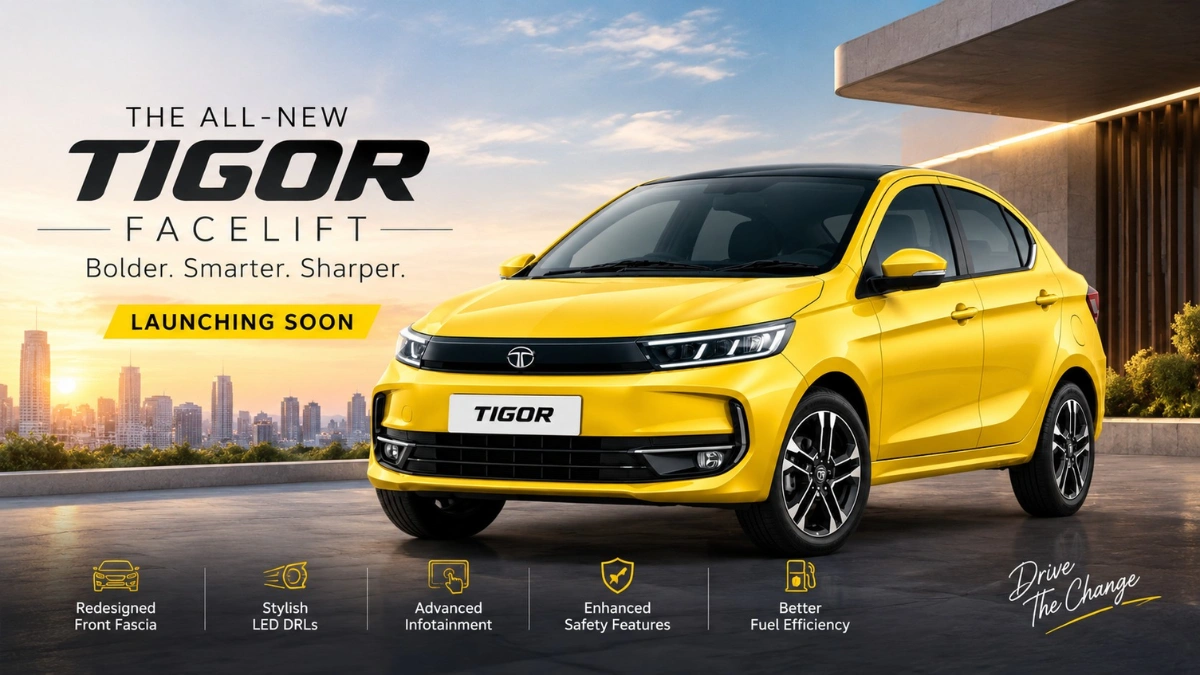
Tata Tigor Facelift Under ₹6 Lakh: A New Budget Sedan Is Coming
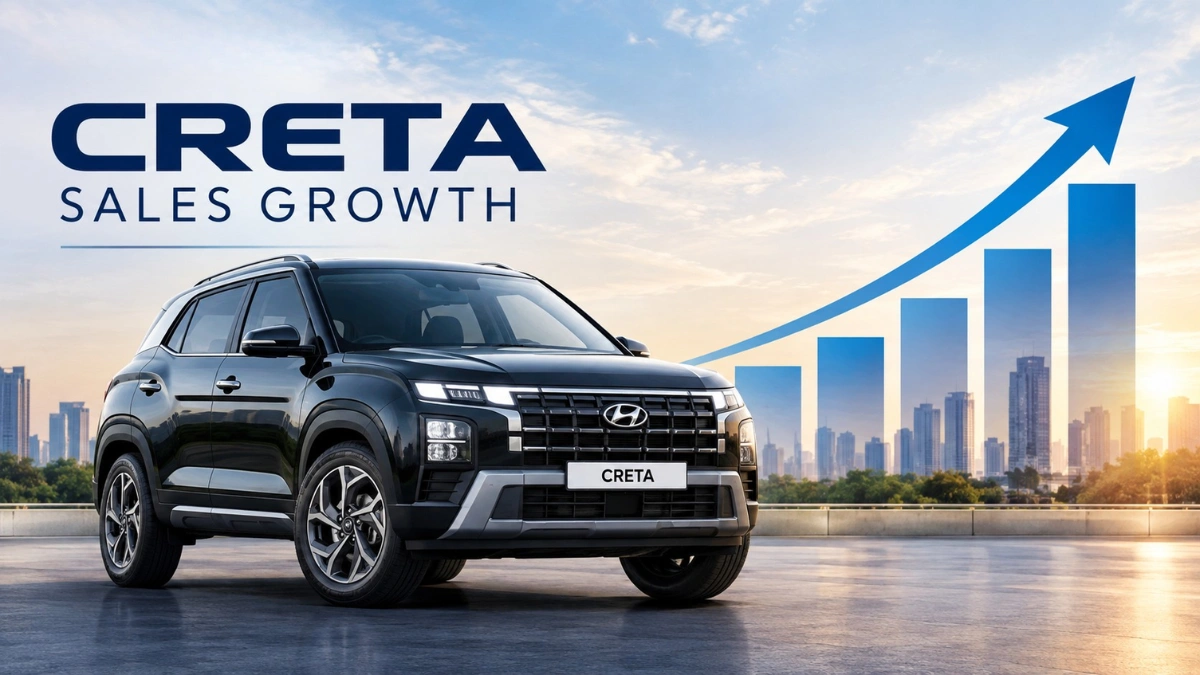
Hyundai Creta August 2026 Sales: With 16,288 Units Becomes India's Best-Selling Mid-Size SUV
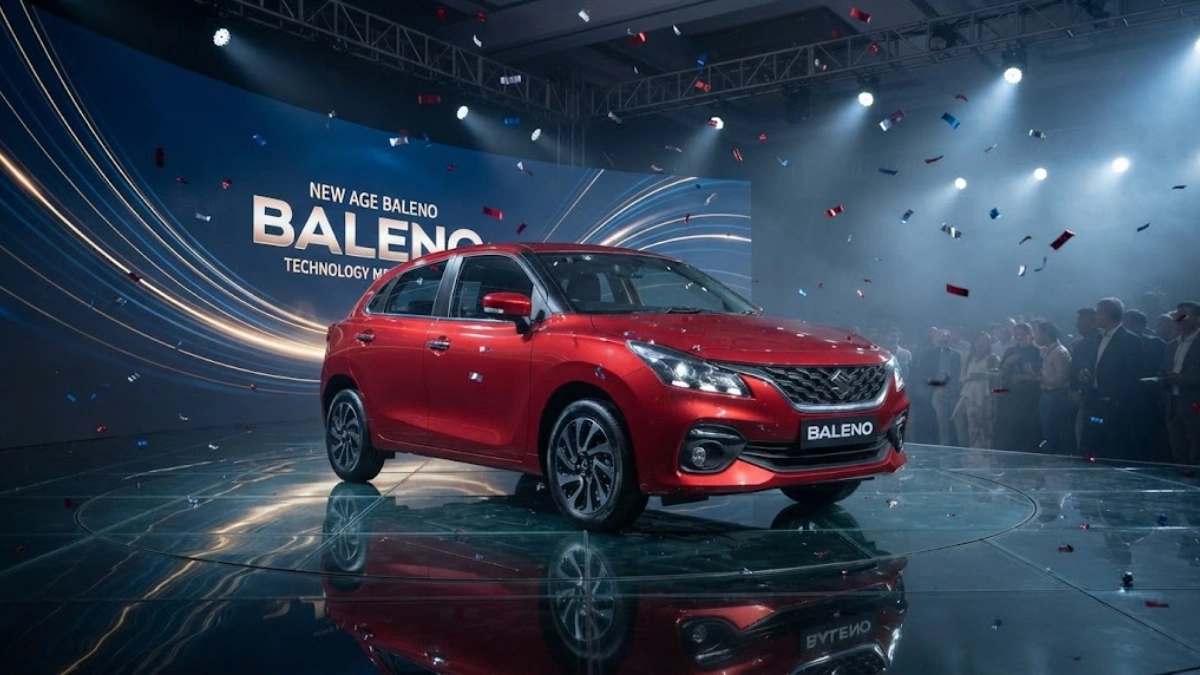
Maruti Baleno Facelift Booking Price: Expected Booking Amount, EMI & Loan Calculation
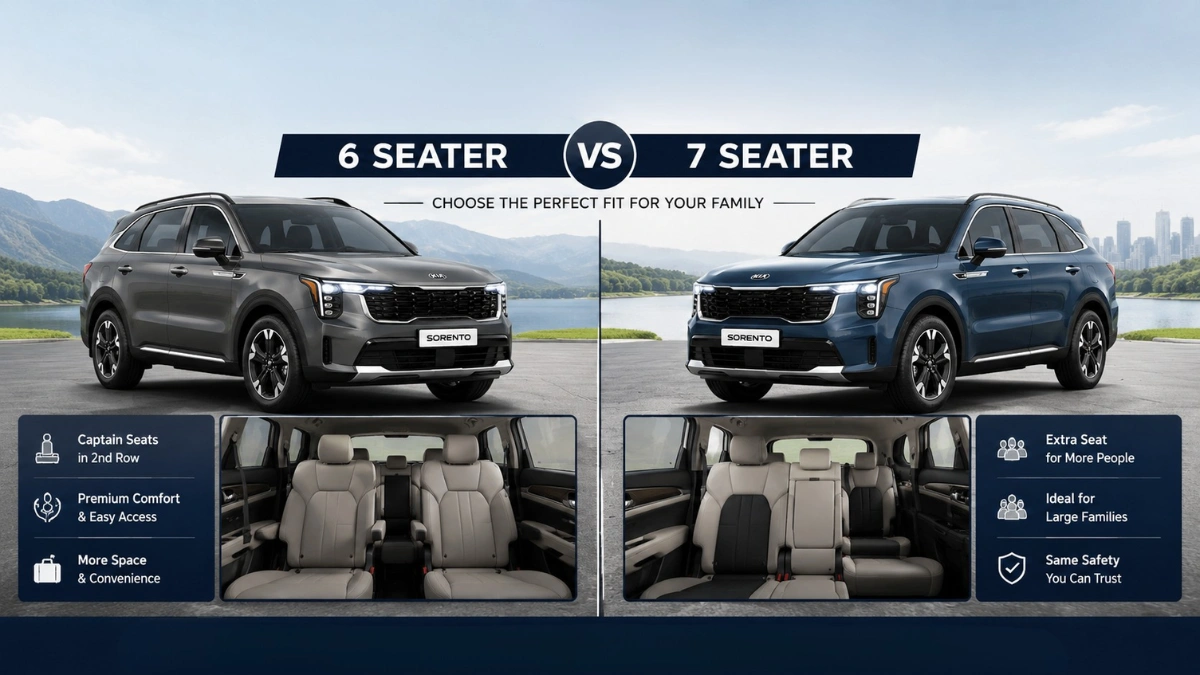
Kia Sorento 6 Seater vs 7 Seater: Which One Should You Choose?
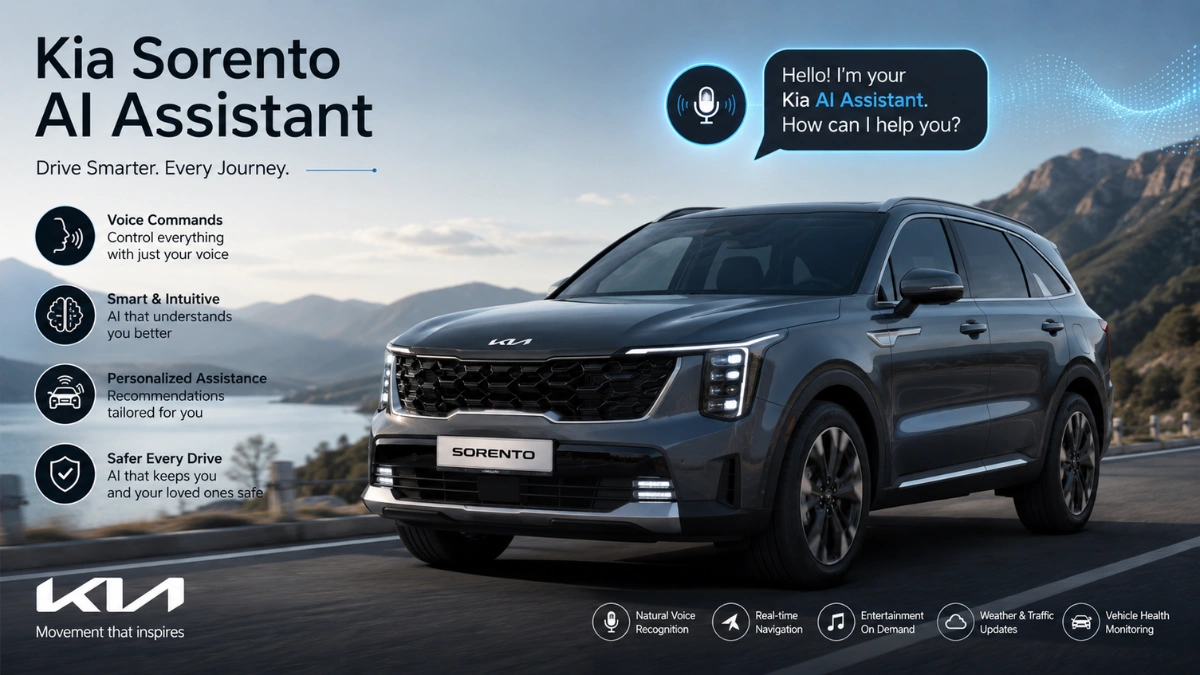
Kia Sorento AI Assistant Explained: Features, Commands, and Indian Language Support
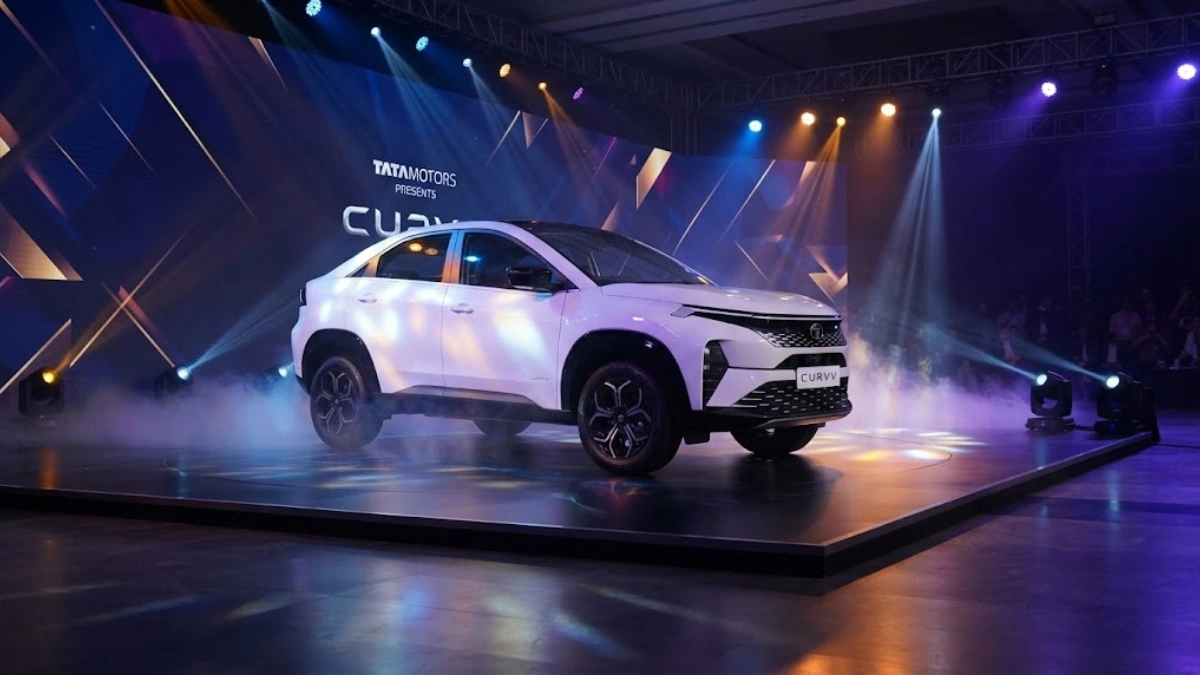
What Is the Difference Between Tata Curvv and New Curvv Series X?
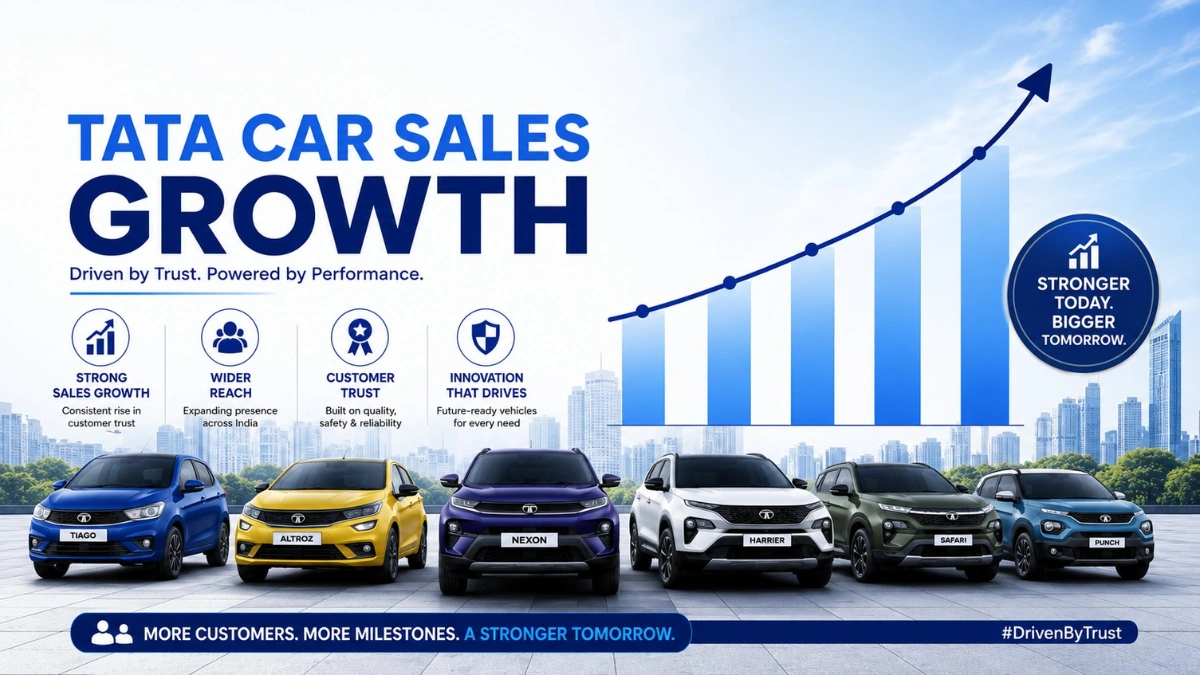
Tata Car Sales August 2026: Model-Wise Sales & Growth Report
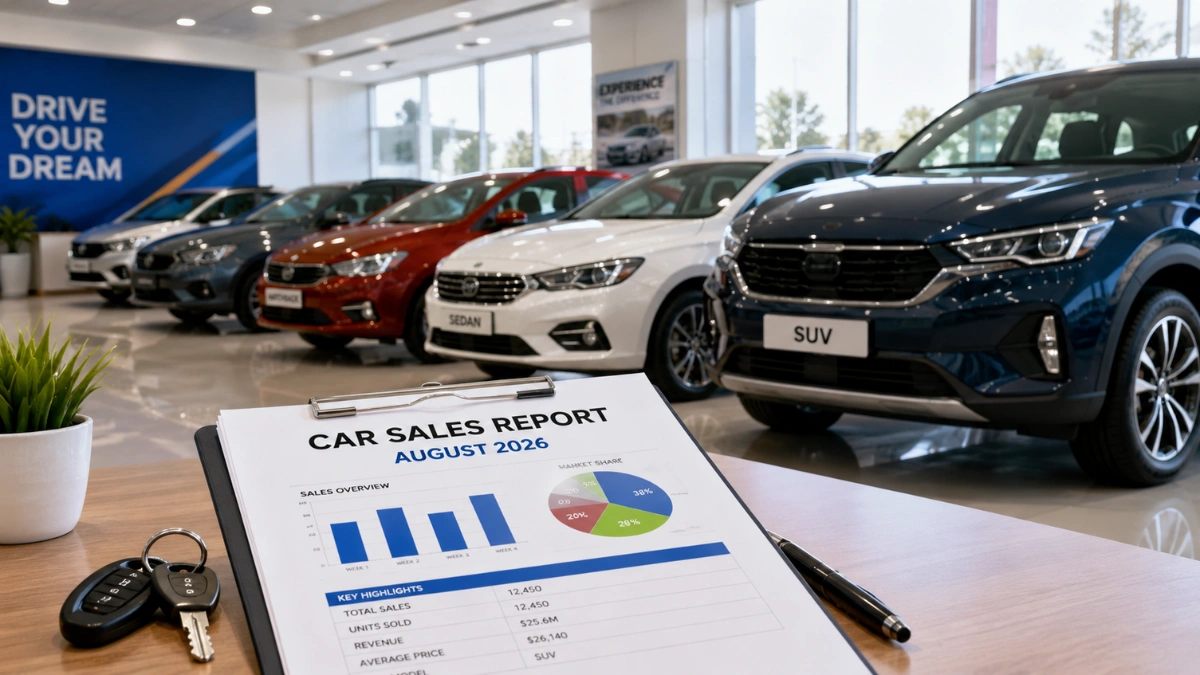
Car Sales Report of August 2026: Tata Motors, Maruti, Mahindra Lead Growth
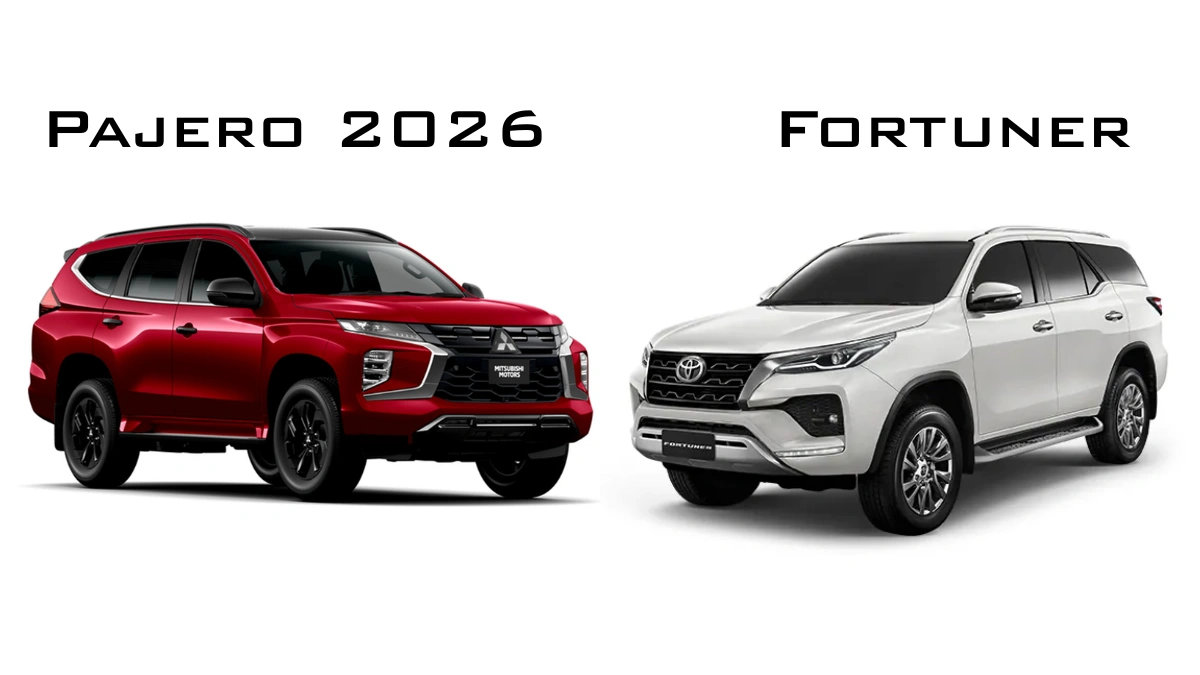
Pajero 2026 vs Fortuner: Which SUV Could Be Better?
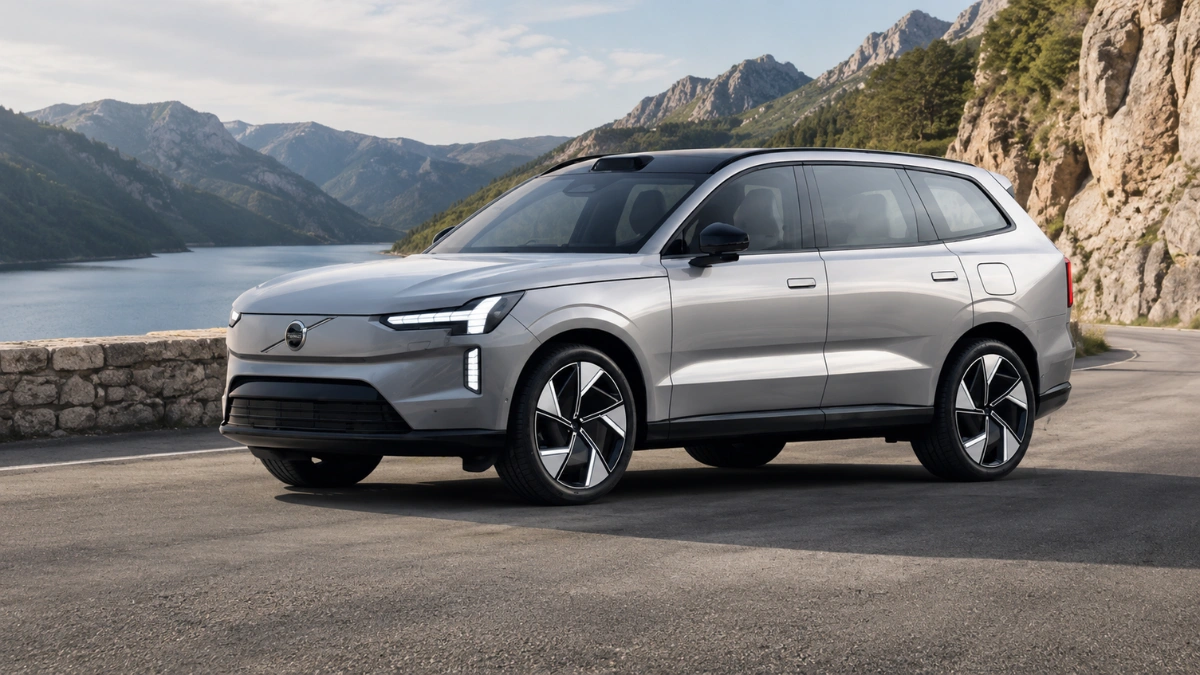
Volvo EX90 Booking Price: Expected Booking Amount, EMI & Loan Calculation
Next Generation Tata Nexon 2027: Expected Launch, Price, Design & Features
MG Hector Tomahawk EV Variant-Wise Price & Features Comparison
Maruti Baleno Facelift vs Toyota Glanza: Complete Comparision
Upcoming Cars in September 2026 in India: New Cars, Launch Dates & Expected Prices
MG Hector Hawk SUV vs Tata Harrier: Expected Price, Features & Key Differences
Skoda Superb Diesel in India: Will the Diesel Engine Make a Comeback?