Can This Car Really Run 1 Km for Just ₹10? Truth or Just Hype?
- Cars
- Published: 27 Jan, 2026

Book a Test Drive
Free doorstep test drive at your convenience
With rising fuel prices in India, car buyers are constantly hunting for vehicles that promise maximum mileage at minimum cost. Recently, a bold claim has been making rounds online: “This car can run 1 km for just ₹10.”
Sounds unbelievable, right? But is it actually possible—or is it just another marketing gimmick? Let’s break down the facts, do the math, and uncover the real truth behind this claim.
Understanding the ₹10 per Km Claim
To check whether a car can truly run 1 km for ₹10, we need to look at three key factors:
- Fuel type (Petrol, Diesel, CNG, Electric)
- Current fuel prices in India
- Real-world mileage, not brochure figures
As of now (approximate average prices):
- Petrol: ₹105/litre
- Diesel: ₹95/litre
- CNG: ₹75/kg
- Electricity (EV home charging): ₹6–₹8/unit
Now let’s calculate.
Petrol Cars: Is ₹10 per Km Possible?
Most modern petrol cars offer a real-world mileage of 14–18 km/litre.
Cost Calculation:
If petrol costs ₹105/litre and the car gives 15 km/litre:
₹105 ÷ 15 = ₹7 per km
👉 Verdict:
Yes, some petrol cars can run under ₹10 per km, but only if:
- You drive smoothly
- Traffic conditions are moderate
- The car is fuel-efficient (small hatchbacks)
However, in city traffic with AC on, the cost often goes above ₹9–₹10/km.
Diesel Cars: More Realistic Than Petrol
Diesel cars are known for better fuel efficiency.
Average real-world mileage: 18–22 km/litre
Cost Calculation:
₹95 ÷ 20 = ₹4.75 per km
👉 Verdict:
The ₹10 per km claim is easily achievable with diesel cars. In fact, many diesel vehicles run at half the claimed cost.
CNG Cars: The Real Mileage King
CNG vehicles are currently the cheapest to run among ICE (Internal Combustion Engine) cars.
Average mileage: 22–26 km/kg
Cost Calculation:
₹75 ÷ 25 = ₹3 per km
👉 Verdict:
For CNG cars, the ₹10 per km claim is not hype at all—it’s actually very conservative.
Electric Cars: ₹10 per Km? Not Even Close
Electric vehicles change the entire equation.
Average EV efficiency: 6–7 km per unit
Electricity cost (home): ₹7/unit
Cost Calculation:
₹7 ÷ 6 = ₹1.2 per km
👉 Verdict:
EVs can run well below ₹10 per km, making the claim almost laughable for electric cars.
Real-World Factors That Affect Running Cost
Even if calculations look promising, real-life driving can change numbers. Here’s why:
- Traffic congestion
- Aggressive driving habits
- Poor vehicle maintenance
- Overloading
- AC usage
That’s why brochure mileage ≠ real mileage.
So, Truth or Just Hype?
The Honest Answer:
✔ Truth — but with conditions
- Petrol cars: Borderline possible
- Diesel cars: Easily achievable
- CNG cars: Very easy
- Electric cars: Much cheaper than claimed
The ₹10 per km figure is not fake—but it’s often used as a marketing hook without explaining driving conditions.
Why Choose a Car With Low Running Cost?
Choosing a car that runs under ₹10 per km offers major long-term benefits:
✔ Massive Savings
Lower fuel cost means saving thousands every year, especially for daily commuters.
✔ Budget-Friendly Ownership
Running cost matters more than showroom price over time.
✔ Ideal for City Driving
Perfect for office-goers, delivery drivers, and frequent travelers.
✔ Better Resale Value
Fuel-efficient cars hold better value in the used-car market.
✔ Eco-Friendly Option
Lower fuel consumption means reduced emissions.
Conclusion: Should You Believe the ₹10 per Km Claim?
Yes—but don’t believe it blindly.
A car can run 1 km for ₹10 or even less, but:
- The fuel type matters
- Driving style matters
- Maintenance matters
If you choose the right car and drive smartly, the ₹10 per km dream can absolutely become reality—especially with CNG and electric vehicles.
FAQs
1. Can petrol cars really run at ₹10 per km?
Yes, but only fuel-efficient petrol cars under ideal driving conditions.
2. Which fuel type is cheapest per km in India?
Electric vehicles are the cheapest, followed by CNG.
3. Is ₹10 per km a marketing gimmick?
Not entirely. It’s achievable, but often advertised without mentioning conditions.
4. Does mileage drop in city traffic?
Yes, heavy traffic and AC usage significantly reduce mileage.
5. Should I buy a car only based on running cost?
No. Consider safety, comfort, service network, and resale value too.
Book a Test Drive
Free doorstep test drive at your convenience
Popular Brands





Latest Car News
BMW 7 Series Facelift Interior Updates: Know Everything

How to Check Oil Level in Car: Step-by-Step Guide

Latest Cars Under ₹5 Lakh in India in September 2026

Maruti Alto K10 September Offers: Get Up to ₹62,500 Savings on Purchase

Tata Tigor Facelift Under ₹6 Lakh: A New Budget Sedan Is Coming
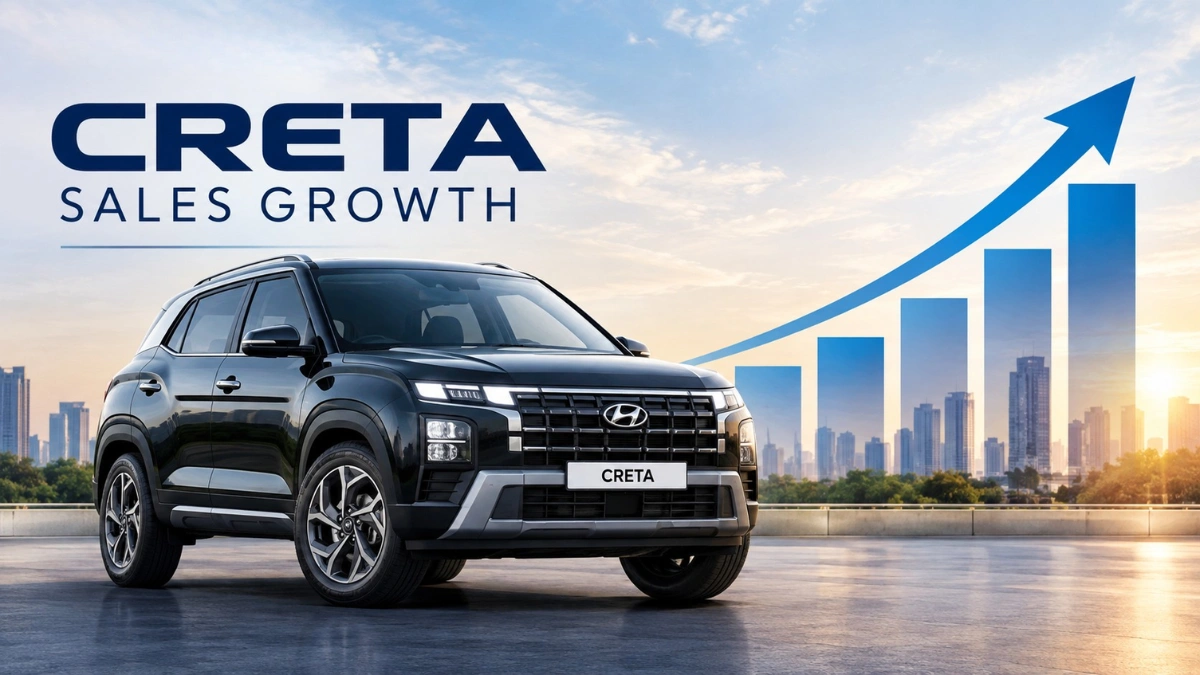
Hyundai Creta August 2026 Sales: With 16,288 Units Becomes India's Best-Selling Mid-Size SUV
Maruti Baleno Facelift Booking Price: Expected Booking Amount, EMI & Loan Calculation

Kia Sorento 6 Seater vs 7 Seater: Which One Should You Choose?

Kia Sorento AI Assistant Explained: Features, Commands, and Indian Language Support
What Is the Difference Between Tata Curvv and New Curvv Series X?
Tata Car Sales August 2026: Model-Wise Sales & Growth Report
Car Sales Report of August 2026: Tata Motors, Maruti, Mahindra Lead Growth
Pajero 2026 vs Fortuner: Which SUV Could Be Better?
Volvo EX90 Booking Price: Expected Booking Amount, EMI & Loan Calculation
Next Generation Tata Nexon 2027: Expected Launch, Price, Design & Features
MG Hector Tomahawk EV Variant-Wise Price & Features Comparison
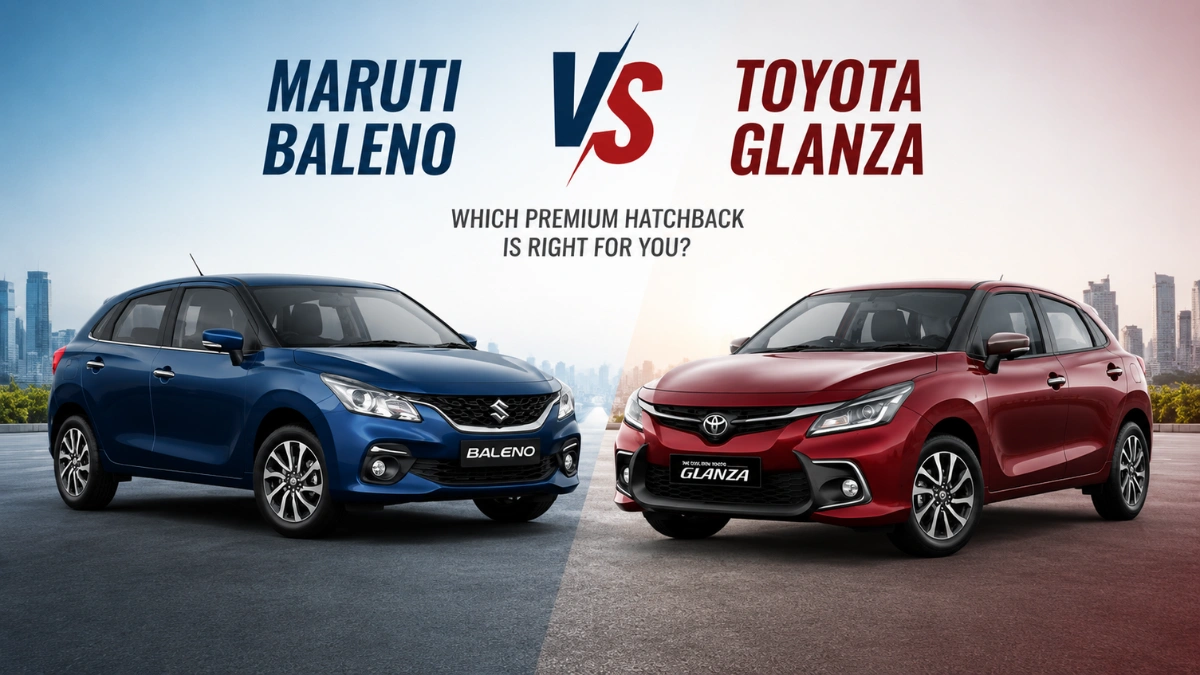
Maruti Baleno Facelift vs Toyota Glanza: Complete Comparision
Upcoming Cars in September 2026 in India: New Cars, Launch Dates & Expected Prices
MG Hector Hawk SUV vs Tata Harrier: Expected Price, Features & Key Differences
Skoda Superb Diesel in India: Will the Diesel Engine Make a Comeback?