Tata Battery Factory Big Update: How EV Future Is Being Built Globally
- Other
- Published: 14 Apr, 2026
Book a Test Drive
Free doorstep test drive at your convenience
The global electric vehicle (EV) race is accelerating at an unprecedented pace—and batteries are at the heart of it. In one of the most significant developments in India’s clean energy push, Tata’s latest battery factory updates are signaling a massive leap not just for the company, but for the entire EV ecosystem. This isn’t just about manufacturing batteries—it’s about shaping the future of mobility, energy independence, and sustainability on a global scale.
The Big Shift: Why Batteries Matter More Than Ever
If EVs are the future, then batteries are the engine driving that future forward. The performance, cost, and scalability of EVs depend almost entirely on battery technology. For years, countries like China have dominated battery production, creating a global dependency. Now, India is stepping up—and Tata is leading the charge.
Tata’s battery factory expansion is part of a broader strategy to localize EV supply chains, reduce import dependence, and make electric mobility more affordable for millions. This move is not just strategic—it’s necessary.
Tata’s Vision: From Automaker to Energy Leader
Tata Group is no stranger to transformation. What started as a traditional industrial giant has evolved into a forward-thinking conglomerate deeply invested in clean technology. Through its EV arm and battery initiatives, Tata is aiming to create an end-to-end ecosystem—vehicles, charging infrastructure, and now, large-scale battery manufacturing.
The latest updates suggest that Tata is significantly ramping up its battery production capacity, focusing on advanced lithium-ion cells and potentially exploring next-gen chemistries like solid-state batteries. This positions the company not just as an EV manufacturer, but as a key global energy player.
Inside the Factory: What’s Changing?
The new battery factory developments are expected to bring:
- Massive production scale: The facility aims to produce batteries at a gigafactory level, comparable to global leaders.
- Localization of supply chains: From raw materials to final assembly, the goal is to reduce reliance on imports.
- Advanced technology integration: Automation, AI-driven quality control, and cutting-edge cell design are central to the plan.
- Sustainability focus: Renewable energy integration and recycling systems are being built into the manufacturing process.
This isn’t just a factory—it’s a blueprint for how future energy infrastructure will look.
Global Context: India Enters the Battery Race
Around the world, countries are investing billions into battery production. The U.S., Europe, and China are all racing to secure supply chains and dominate EV technology. India’s entry into this race, led by companies like Tata, is a game-changer.
With government incentives, policy support, and rising domestic demand, India is becoming a serious contender. Tata’s factory is expected to play a pivotal role in this transformation, potentially making India a global export hub for EV batteries.
Why This Matters for Consumers
For the average consumer, this might sound like industry jargon—but the impact is very real:
- Lower EV prices: Local battery production can significantly reduce costs.
- Better performance: Advanced battery tech means longer range and faster charging.
- Improved availability: Reduced dependency on imports means fewer delays and shortages.
In short, EVs will become more accessible, practical, and appealing.
The Sustainability Angle
One of the biggest criticisms of EVs has been the environmental impact of battery production. Tata’s new approach aims to address this head-on.
The factory is expected to incorporate:
- Green energy sources like solar and wind
- Battery recycling systems to recover valuable materials
- Water and waste management innovations
This aligns with global sustainability goals and ensures that the shift to EVs is genuinely eco-friendly—not just in usage, but in production too.
Challenges Ahead
Despite the optimism, the road ahead isn’t without obstacles.
- Raw material sourcing: Lithium, cobalt, and nickel are critical—and often geopolitically sensitive.
- Technology evolution: Battery tech is rapidly changing, and staying ahead requires constant innovation.
- Global competition: Established players still have a significant head start.
However, Tata’s integrated approach and strong domestic backing give it a unique advantage.
The Bigger Picture: Energy Independence
Beyond EVs, this move is about something bigger—energy independence. By building its own battery ecosystem, India can reduce reliance on foreign imports, stabilize costs, and strengthen its economic resilience.
This is especially important in a world where energy security is becoming as critical as national security.
What’s Next?
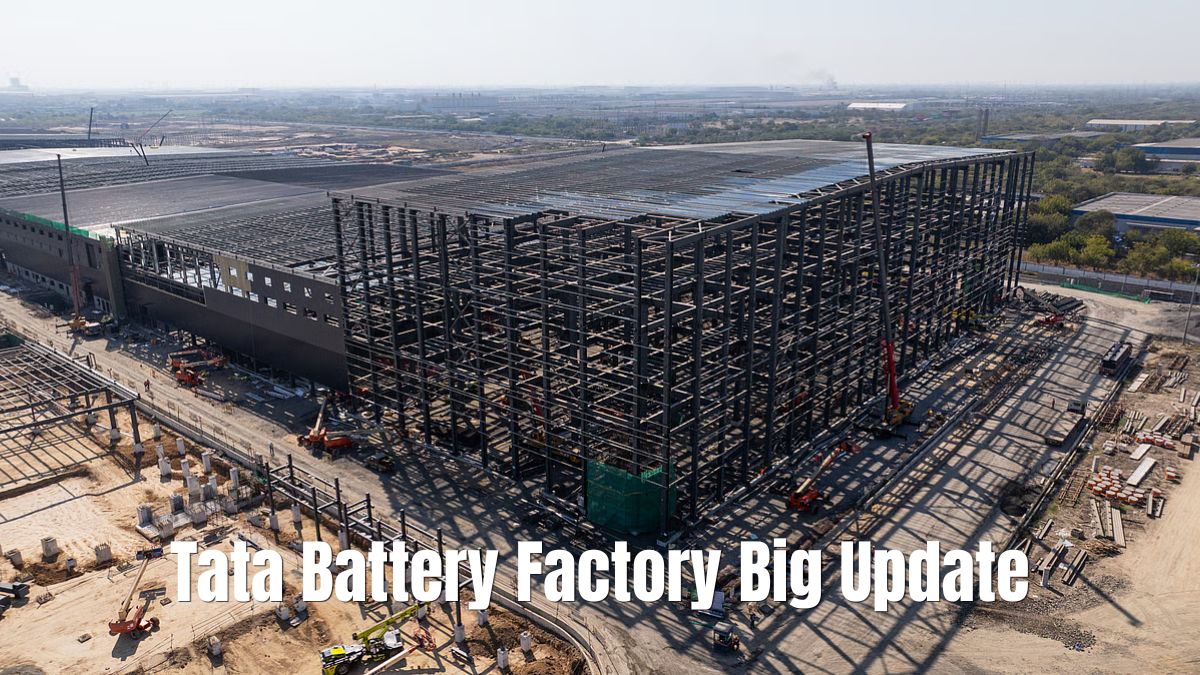
The coming months will be crucial. As construction progresses and production timelines become clearer, all eyes will be on how quickly Tata can scale and deliver.
Industry experts are also watching for potential partnerships, technology collaborations, and export strategies. If executed well, this could place India firmly on the global EV map.
Final Thoughts: A Turning Point for the EV Era
Tata’s battery factory update isn’t just another corporate announcement—it’s a signal of a larger shift. The world is moving toward electrification, and the battleground is no longer just about cars—it’s about energy, infrastructure, and innovation.
With this bold step, Tata is not just participating in the EV revolution—it’s helping define it.
The future of mobility is electric. And with developments like these, that future is arriving faster than ever.
Book a Test Drive
Free doorstep test drive at your convenience