





Limited Edition Skoda Slavia Monte Carlo Adds New Colours for 200 Buyers Only
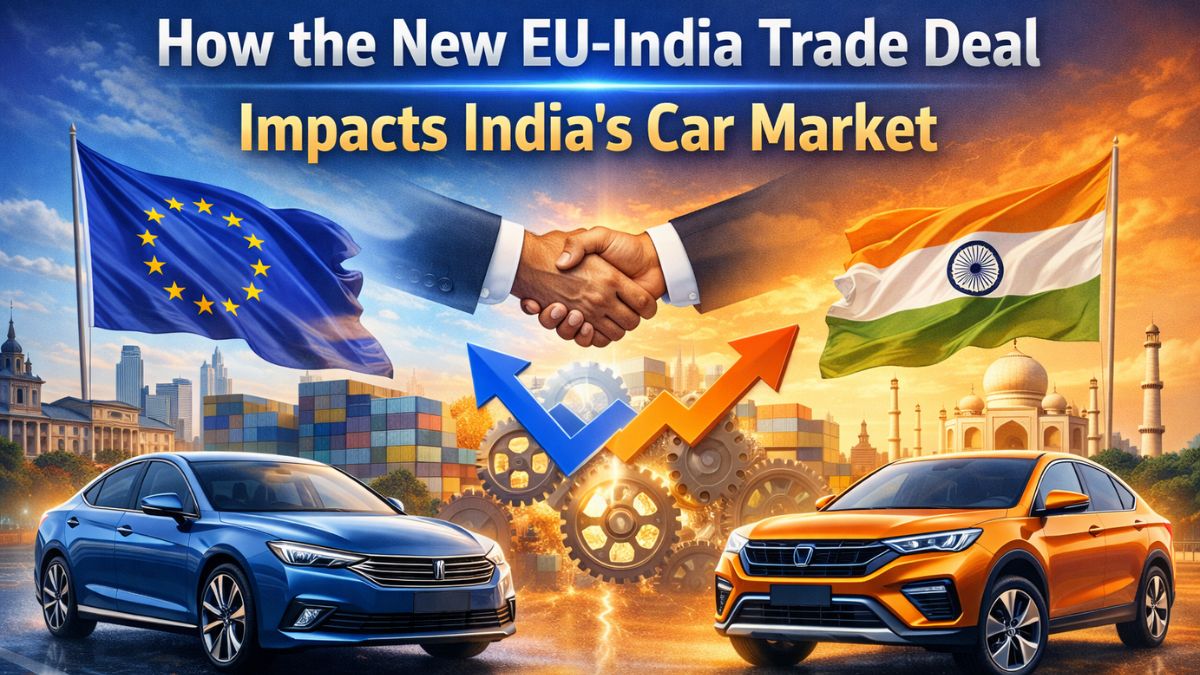
How the New EU-India Trade Deal Impacts India’s Car Market
- Cars
- Published: 29 Jan, 2026
Book a Test Drive
Free doorstep test drive at your convenience
India’s car market is already one of the fastest-growing in the world. Now, with the new EU-India trade deal, things are set to change even faster. For years, high import duties, regulatory differences, and supply chain issues made it tough for European carmakers to expand in India—and for Indian manufacturers to enter Europe.
So, how the new EU-India trade deal impacts India’s car market is a key question for buyers, manufacturers, and investors alike. The deal aims to reduce trade barriers, encourage investment, and bring global auto standards closer together.
How the New EU-India Trade Deal Impacts India’s Car Market in 2026
The EU-India trade agreement focuses on lowering tariffs, easing regulations, and boosting cooperation in electric and sustainable mobility.
Key areas covered in the deal:
- Reduced import duties on cars and auto components
- Better access for Indian auto exports to Europe
- Support for EVs, clean tech, and green mobility
This directly reshapes India’s automobile industry landscape.
Impact on Car Prices and Consumer Choices
Lower Import Duties = More Options
One of the biggest ways how the new EU-India trade deal impacts India’s car market is through pricing.
Possible changes:
- European cars may become more affordable
- Premium and luxury segments could see price corrections
- More variety in electric and hybrid vehicles
This means Indian buyers may soon see brands like Volkswagen, Skoda, BMW, and Mercedes becoming more competitive.
Boost for Electric Vehicles and Green Mobility
EU Expertise Meets India’s EV Ambitions
Europe leads in EV technology, safety norms, and emission standards. The trade deal encourages:
- Technology sharing in EV batteries
- Joint ventures for electric car manufacturing
- Faster adoption of Euro 6+ and safety standards
This will strengthen India’s EV ecosystem and support the government’s clean mobility goals.
How the New EU-India Trade Deal Impacts Indian Car Manufacturers
Indian automakers are not left out.
Positive outcomes for Indian brands:
- Easier export access to EU markets
- Improved global brand image
- Better-quality components at lower cost
However, competition will also increase, pushing Indian brands to improve design, safety, and performance.
Quick Comparison: Before vs After the Trade Deal
| Factor | Before Deal | After Deal |
|---|---|---|
| Import Duties | Very high | Gradually reduced |
| Car Choices | Limited | Wider European options |
| EV Technology | Slow adoption | Faster innovation |
| Export Access | Restricted | Improved EU access |
Benefits / Why Choose This Trade Deal Shift
Why this deal matters for India’s car market:
- More competitive pricing for buyers
- Higher safety and emission standards
- Stronger EV and hybrid car push
- Increased foreign investment in auto sector
For consumers, it means better cars. For manufacturers, it means global growth opportunities.
Pros and Cons of the EU-India Trade Deal
Pros:
- Encourages innovation and competition
- Improves vehicle quality and safety
- Supports Make in India with global partnerships
Cons:
- Increased pressure on small domestic players
- Short-term adjustment costs
- Possible job disruptions in older auto segments
Conclusion: The Road Ahead for India’s Car Market
So, how the new EU-India trade deal impacts India’s car market is clear—it brings both opportunity and challenge. Prices may soften, EV adoption will rise, and Indian manufacturers will get global exposure. At the same time, competition will intensify.
Overall, this deal could make India’s car market more modern, competitive, and future-ready.
CTA: If you’re planning to buy a car or track auto industry trends, now is the right time to stay informed and plan ahead.
FAQs: EU-India Trade Deal and India’s Car Market
1. What is the EU-India trade deal?
It is a trade agreement aimed at reducing tariffs, boosting investment, and improving market access between India and the EU.
2. Will car prices reduce in India due to this deal?
Some European cars and components may become cheaper over time as import duties are reduced.
3. How does this deal affect electric vehicles in India?
It supports EV technology sharing, joint manufacturing, and faster adoption of clean mobility.
4. Will Indian car companies face more competition?
Yes, competition will increase, but it will also push Indian brands to improve quality and innovation.
5. When will the impact be visible in India’s car market?
Gradual changes are expected from 2025 onwards as policies and tariffs are implemented.
Book a Test Drive
Free doorstep test drive at your convenience
Popular Brands
Latest Car News
Suzuki Loses India Market Share as Buyers Demand More Features
Hybrid Car Sales Decline 8% in June 2026: Complete Analysis
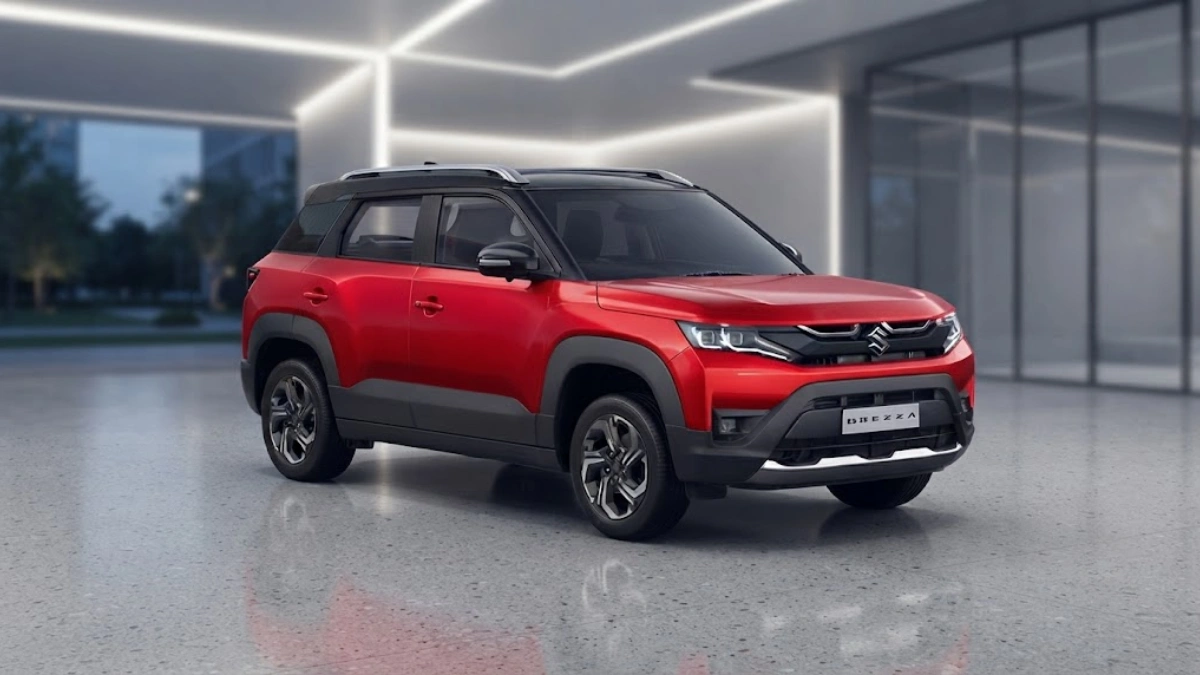
How to Book Maruti Brezza Facelift: Complete Booking Guide
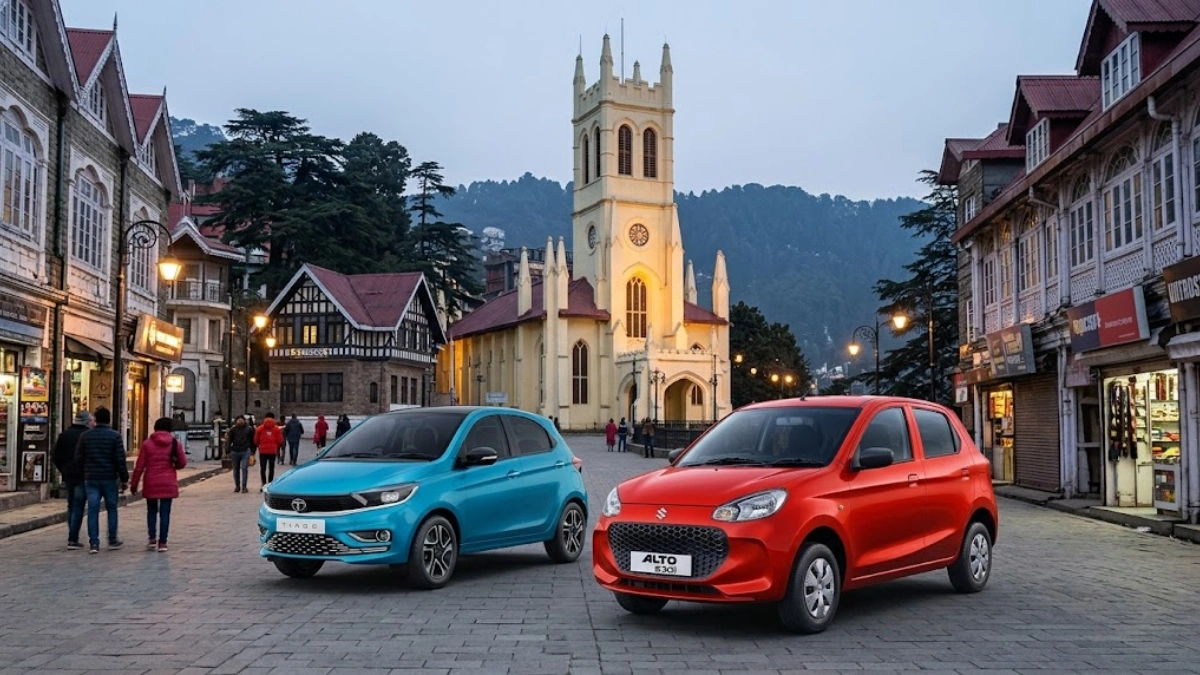
Alto K10 vs Tiago: Which Is Better?
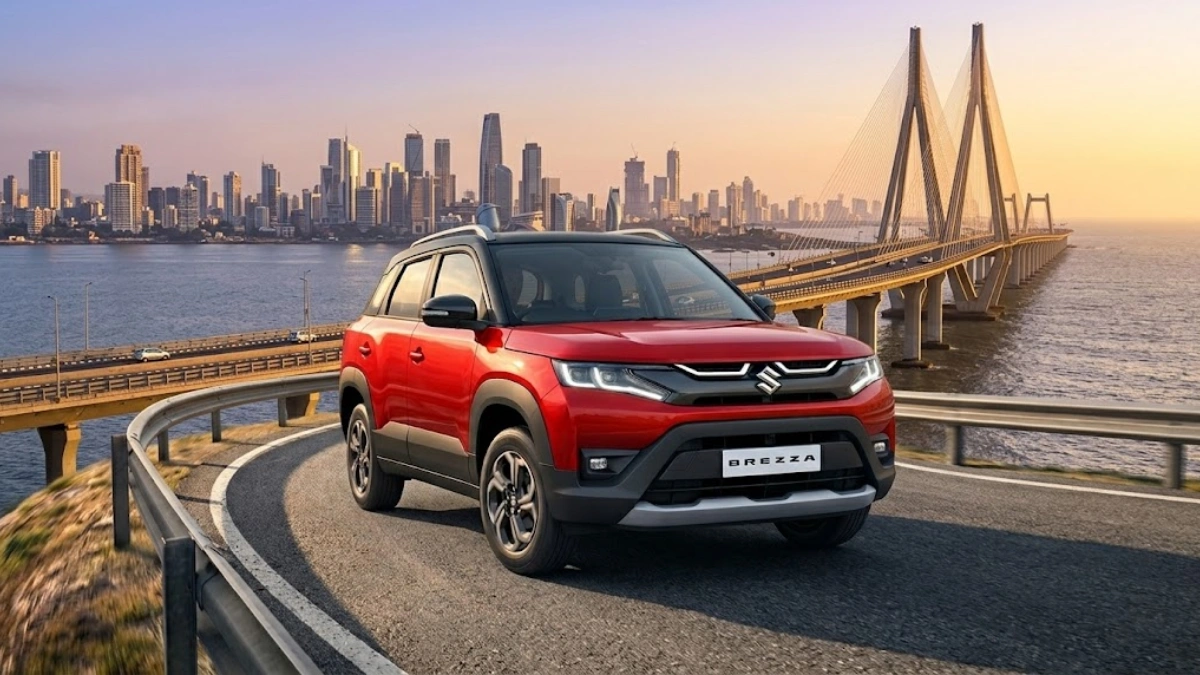
Maruti Brezza Facelift 2026: What's New Compared to the Current Model?
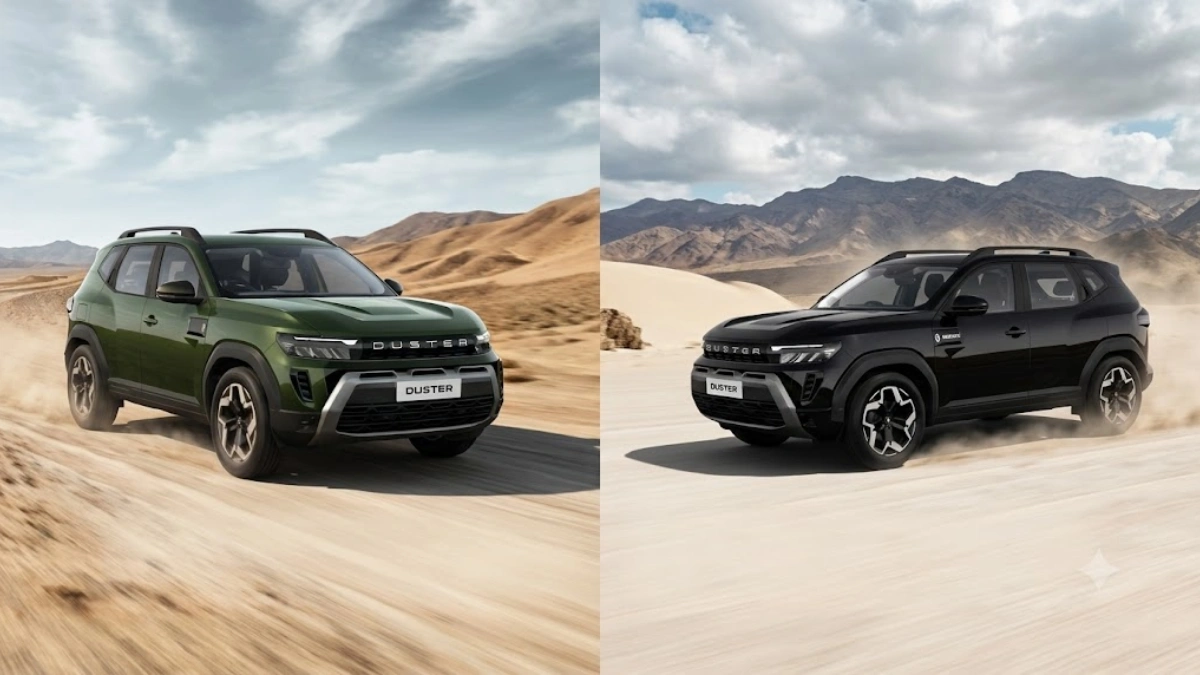
Renault Duster Adventure Edition vs Standard Duster: What's Different?
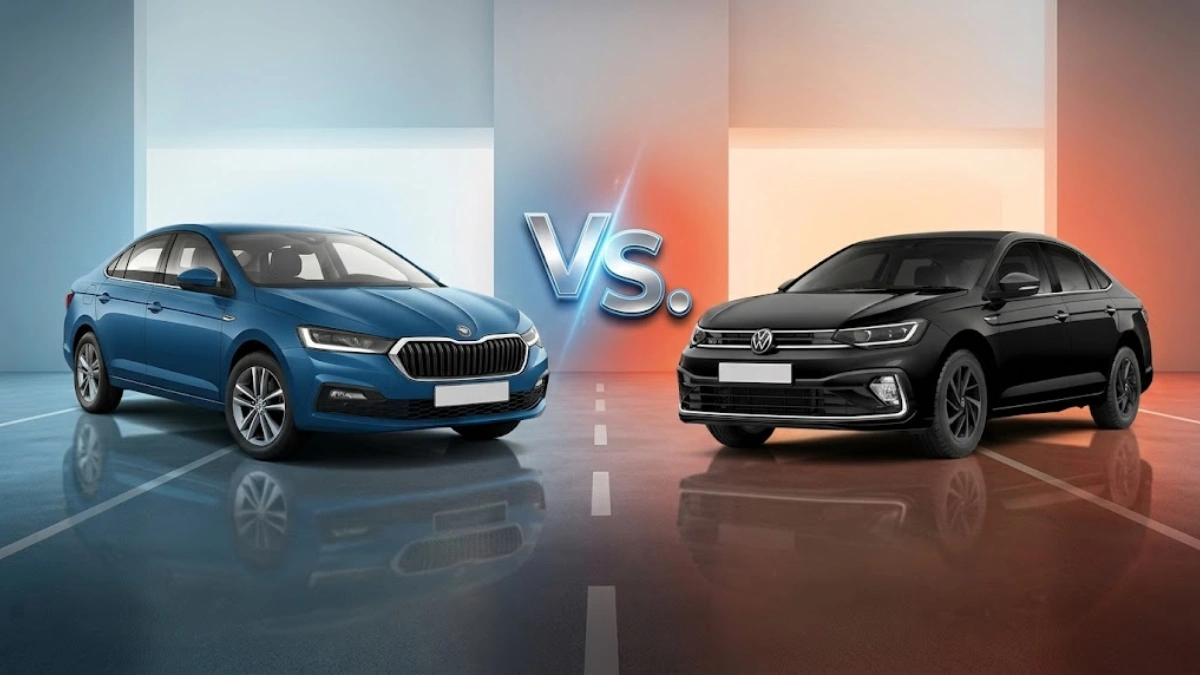
Skoda Slavia Facelift 2026 vs Volkswagen Virtus: Which Sedan Should You Wait For?
Volkswagen Tayron Life Launched in India at ₹41.99 Lakh
Volkswagen Announces 50% Reduction In Global Car Line-up
Tata Nexon Pure Plus : Know Everything Before Buying in July
Best Selling Cars of June 2026 in India
July 2026 Car Offers: Tata, Honda, Kia, MG, Hyundai, Maruti and Other Brands' Discount Offers
Renault Kwid 2026 Launched at Rs 4.53 Lakh
Cheapest Hybrid Cars in India: You Must Know
Tata Sierra Test Drive Booking in Noida: Complete Process Guide
Most Affordable Cars with Ventilated Seats in India
Upcoming Sedan Cars in August 2026 in India
Tata Harrier Test Drive Booking in Delhi: A Complete Guide
Upcoming SUVs in August 2026 in India