





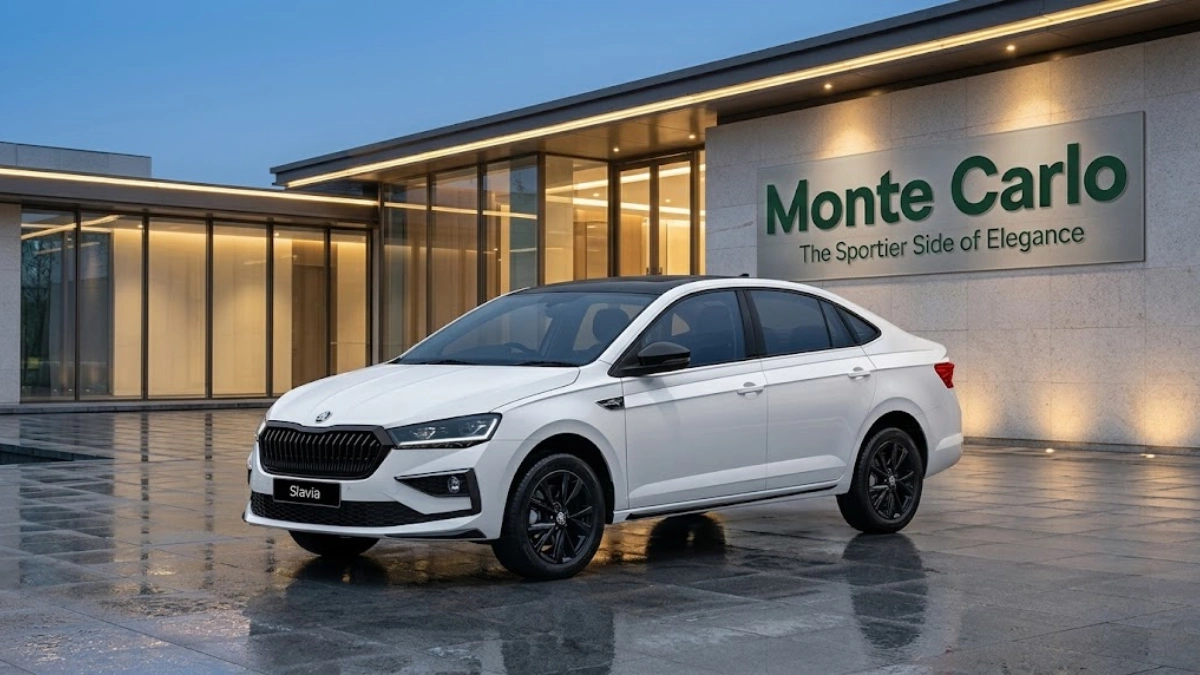
Limited Edition Skoda Slavia Monte Carlo Adds New Colours for 200 Buyers Only
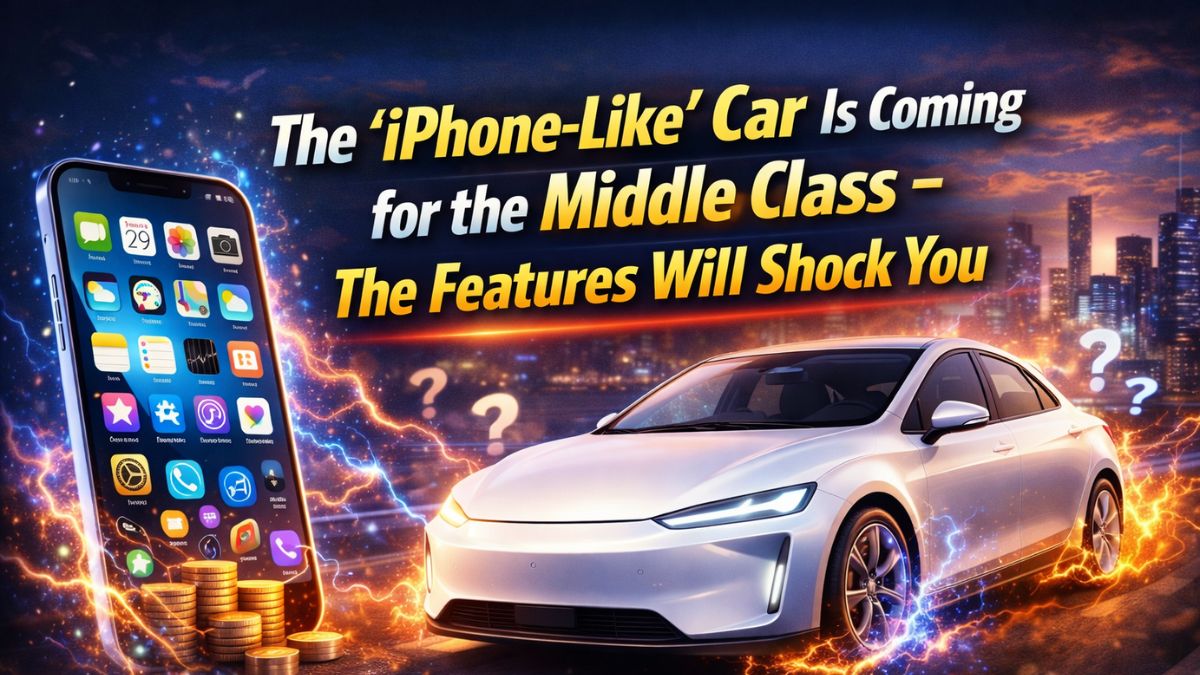
The ‘iPhone-Like’ Car Is Coming for the Middle Class – The Features Will Shock You
- Cars
- Published: 27 Jan, 2026
Book a Test Drive
Free doorstep test drive at your convenience
Imagine a car that feels more like your smartphone than a traditional vehicle — intuitive, connected, and constantly evolving with software updates. That future is closer than you think. Automakers are racing to put advanced technology into electric and connected vehicles that could soon make everyday cars feel like “iPhones on wheels.” And the best part? These features will soon be available in mid-range cars targeted at the middle class, not just luxury vehicles.
Let’s explore what’s coming, why it’s a big deal, and how it could redefine driving for everyday buyers in 2026 and beyond.
What Does “iPhone-Like” Really Mean in a Car?
When people say “iPhone-like,” they usually mean smart, seamless, connected, and intuitive tech — the kind of experience you expect from your smartphone. In a car, this translates to:
📱 1. Advanced Connectivity (5G & Cloud)
Cars are shifting quickly into what industry experts call the smartphone era — equipped with 5G machine-to-machine connectivity, advanced AI, and cloud services. These technologies allow cars to stay connected to the internet, stream apps, and do things like diagnostics, entertainment, and even video calls while parked — almost like using a giant phone on wheels.
🤖 2. Built-In AI & Voice Assistants
Soon, cars won’t just respond to basic voice commands; they’ll use real AI to understand context, answer complex questions, and assist with navigation and entertainment — similar to asking Siri or Google on your phone.
AI can also:
- Suggest optimized routes based on real-time data
- Remember your preferences
- Answer questions about vehicle functions
This makes the car feel smart and personal.
📺 3. Smartphone-Like Infotainment Systems
New versions of Apple CarPlay and Android Automotive are bringing instrument-cluster integration and expanded control — including climate, media, navigation, and performance displays all in one place.
Instead of plugging your phone in and mirroring the screen, future systems will be native, meaning:
- Faster response
- Less lag
- More seamless integration
This is where car tech begins to feel like an iPhone experience.
🚗 4. Over-the-Air Updates (OTA)
Just like a smartphone gets updates that add features and fix bugs, the new generation of vehicles will too. This means:
- Better performance over time
- New apps and features delivered remotely
- Less depreciation due to outdated systems
This is one major shift from traditional cars where features are fixed once you buy the vehicle.
🔐 5. Advanced Safety and Driver Assist Tech
Next-gen cars will come with intelligent systems like:
- AI-assisted lane keeping
- Adaptive cruise control
- Automatic braking
- Drowsiness detection
- Smart navigation
These will increasingly rely on software and AI — again blurring the line between mobile tech and automotive.
Why Is This Happening Now?
The automotive industry is evolving quickly because buyers want more technology in their cars — just like they have in their phones.
In markets like India, reports show cars equipped with advanced 5G, connected features, and GenAI tech are starting to appear across multiple price segments, not just premium vehicles. This reflects a huge shift in consumer preferences — from horsepower and looks to experience, connectivity, and intelligence.
Manufacturers are also responding to competition from tech-centric car makers and new entrants that treat cars more like gadgets than machines.
What It Means for the Middle Class
You no longer have to spend huge amounts to get futuristic technology. Cars targeting the middle-income segment will soon come packed with:
✔ Smartphone-style interfaces
✔ Cloud connectivity
✔ Voice AI assistants
✔ Built-in entertainment and streaming apps
✔ Real-time diagnostics and OTA updates
This makes daily driving more enjoyable and smarter — similar to how phones transformed communication and daily life.
Why Choose an “iPhone-Like” Car?
If you’re considering a new car purchase in 2026 or beyond, here’s why choosing a connected, tech-rich model makes sense:
✔ Seamless Experience
These vehicles feel intuitive — similar to using your smartphone. Menus, screens, and controls are designed to be user-friendly.
✔ Future-Proof Technology
With OTA updates and cloud support, your car will stay current longer — a major advantage compared to traditional vehicles that feel outdated quickly.
✔ Enhanced Safety
AI and software-driven safety features can react faster and adapt to driving conditions, offering better protection.
✔ Entertainment & Connectivity
Streaming music, receiving texts, navigating, and using apps — it’s all built into the vehicle without relying on phone tethering.
✔ Higher Resale Value
Cars with tech features tend to depreciate slower because buyers see long-term value in connectivity and software capabilities.
Potential Downsides to Be Aware Of
Like any new tech trend, there are considerations:
⚠ Subscription Costs
Some features may require ongoing subscriptions — much like apps on a smartphone.
⚠ Data Privacy
Connected cars capture more data, which means privacy concerns need careful attention.
⚠ Learning Curve
Tech-rich systems can be overwhelming at first compared to traditional dashboards.
Still, many analysts believe the benefits outweigh the drawbacks for most buyers.
Conclusion: The Smart Car Revolution Is Here
The idea of an “iPhone-like” car is no longer science fiction. With 5G connectivity, advanced AI, cloud functions, and smartphone-style interfaces, the future of driving is here — and it’s arriving in vehicles that are accessible to the middle class.
This shift doesn’t just make cars smarter — it transforms the entire driving experience. If you’re planning a purchase in 2026 or later, this new era of technology — blending automotive engineering with mobile-grade user experience — is worth considering.
FAQs
1. What does “iPhone-like” car really mean?
It refers to cars with advanced connectivity, intuitive interfaces, AI assistants, and software features similar to smartphones.
2. Will these features be expensive?
Initially, some may cost extra, but many will become standard as technology becomes mainstream.
3. How does 5G help smart cars?
5G enables faster data transfer, better navigation, cloud apps, and real-time services.
4. Are these tech features safe?
Many improve safety through AI-assisted driving and alerts, but always check crash and safety ratings.
5. Should I wait for these cars before buying?
If you value tech and future-proofing, waiting may be wise — but current models already offer many smart features.
Book a Test Drive
Free doorstep test drive at your convenience
Popular Brands
Latest Car News
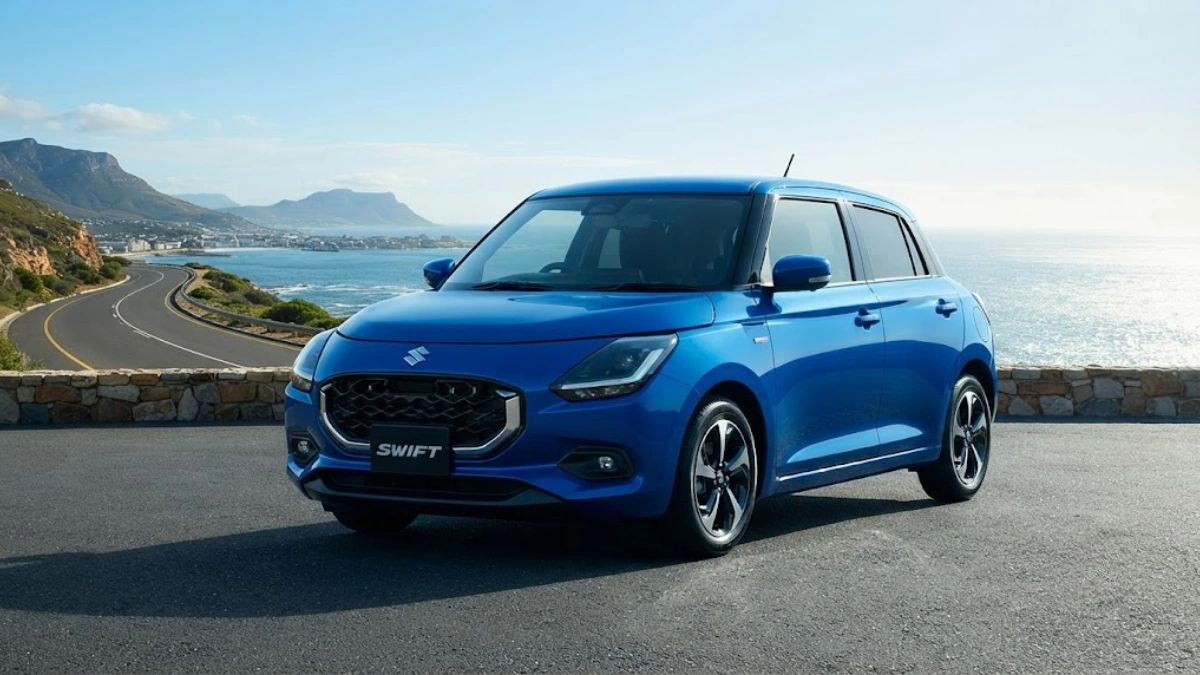
Suzuki Loses India Market Share as Buyers Demand More Features
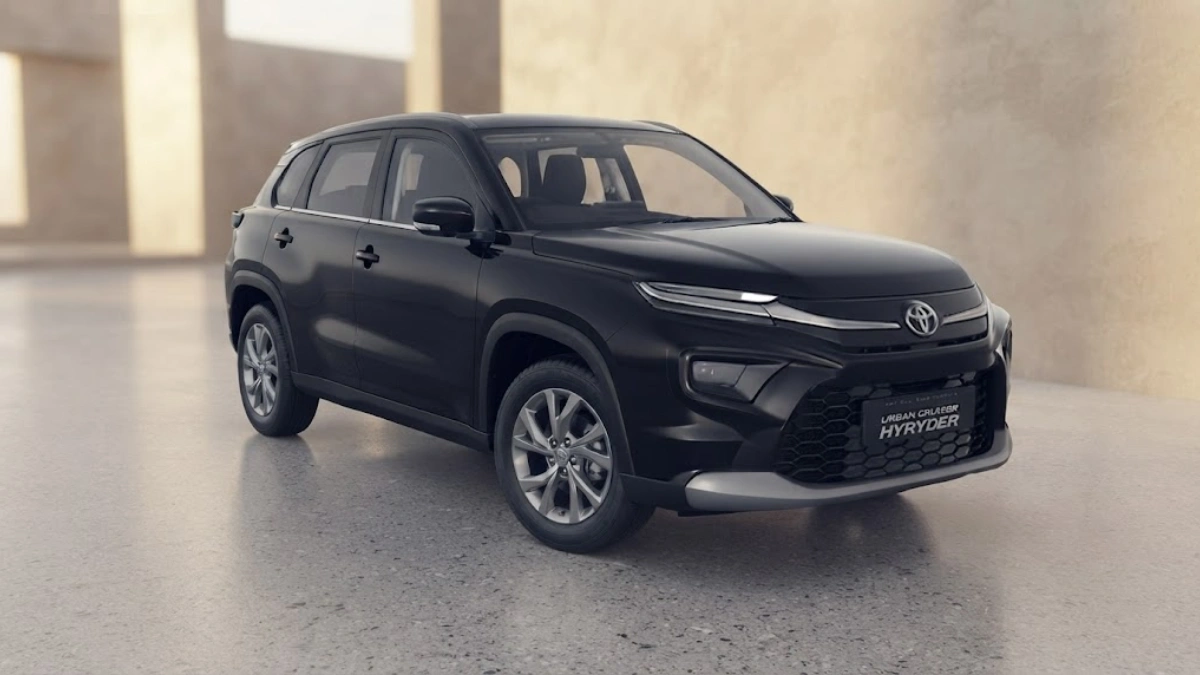
Hybrid Car Sales Decline 8% in June 2026: Complete Analysis
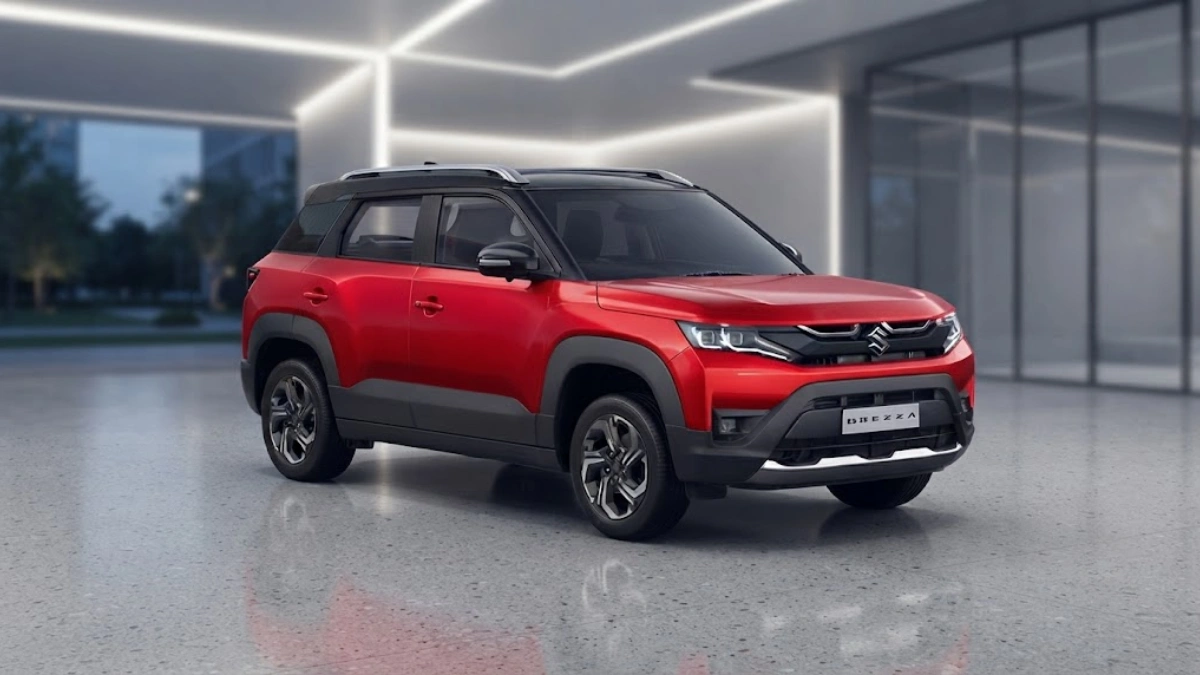
How to Book Maruti Brezza Facelift: Complete Booking Guide
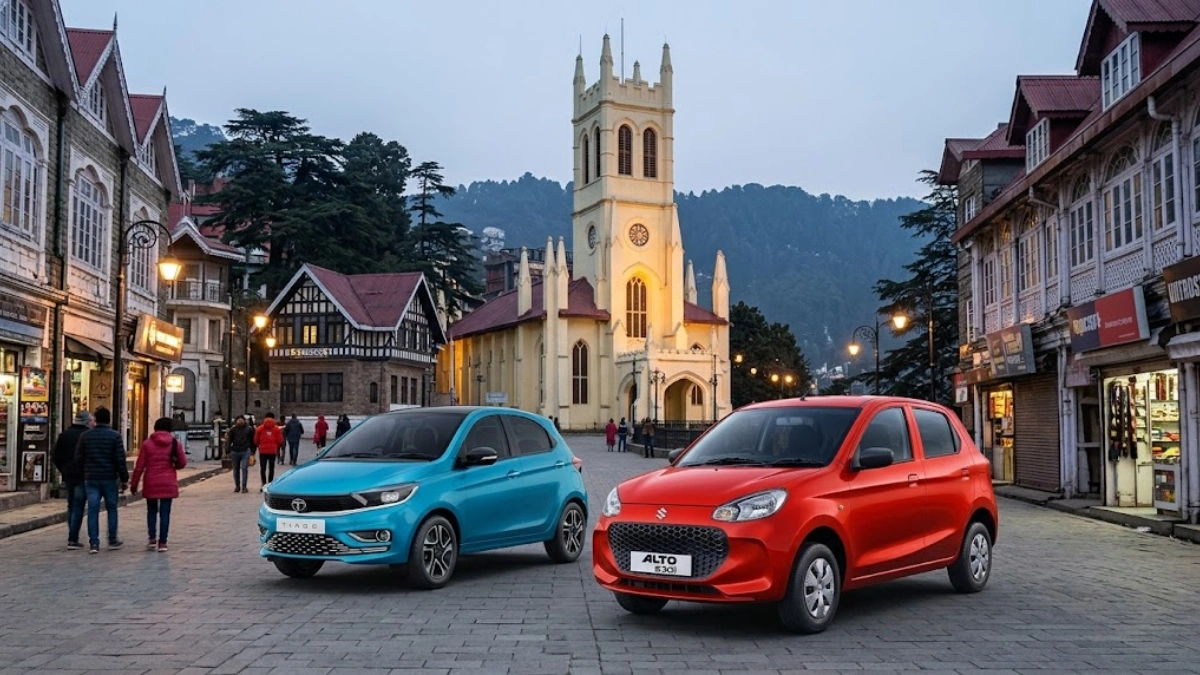
Alto K10 vs Tiago: Which Is Better?
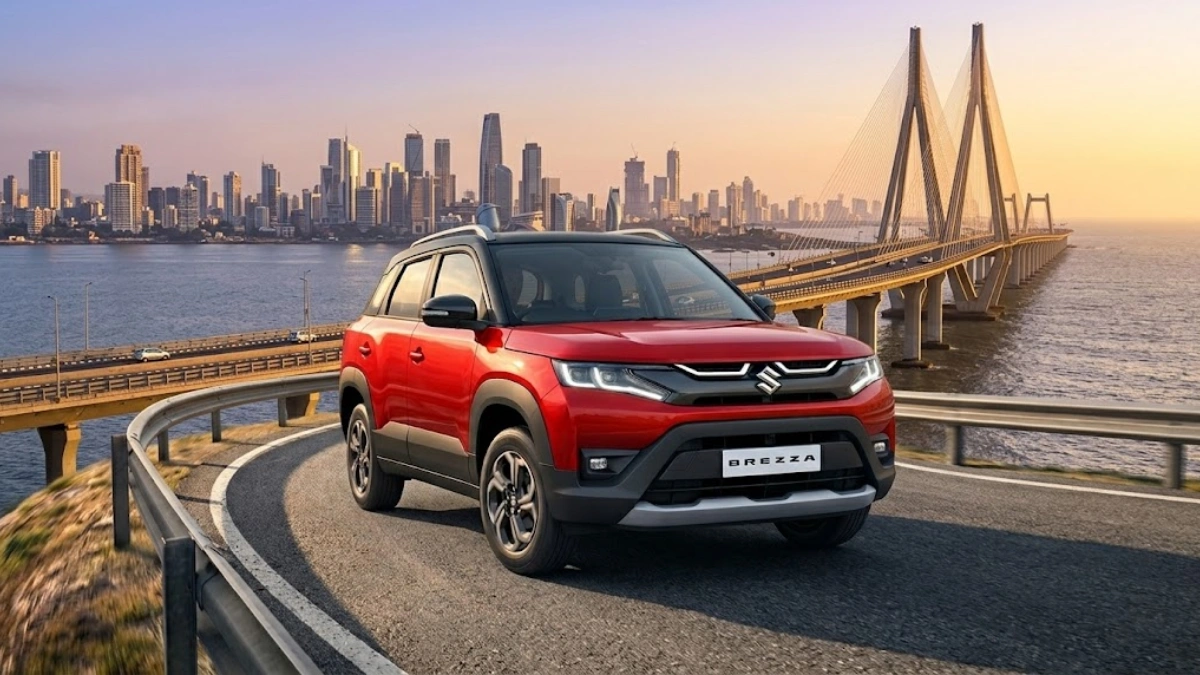
Maruti Brezza Facelift 2026: What's New Compared to the Current Model?
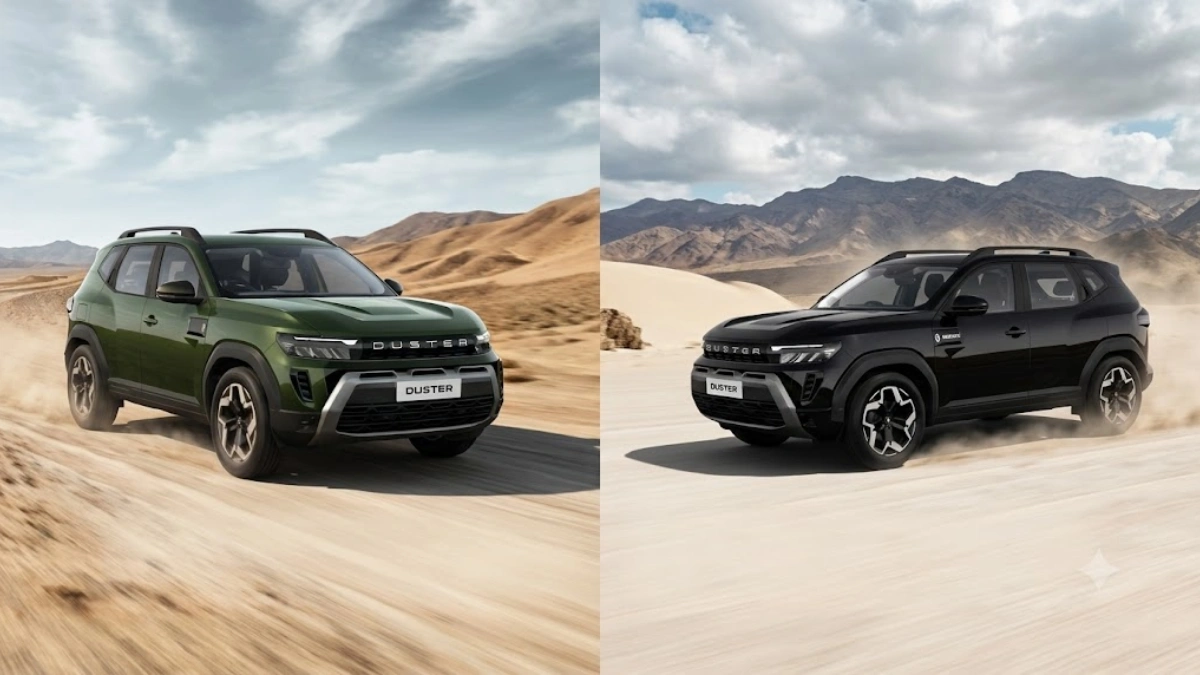
Renault Duster Adventure Edition vs Standard Duster: What's Different?
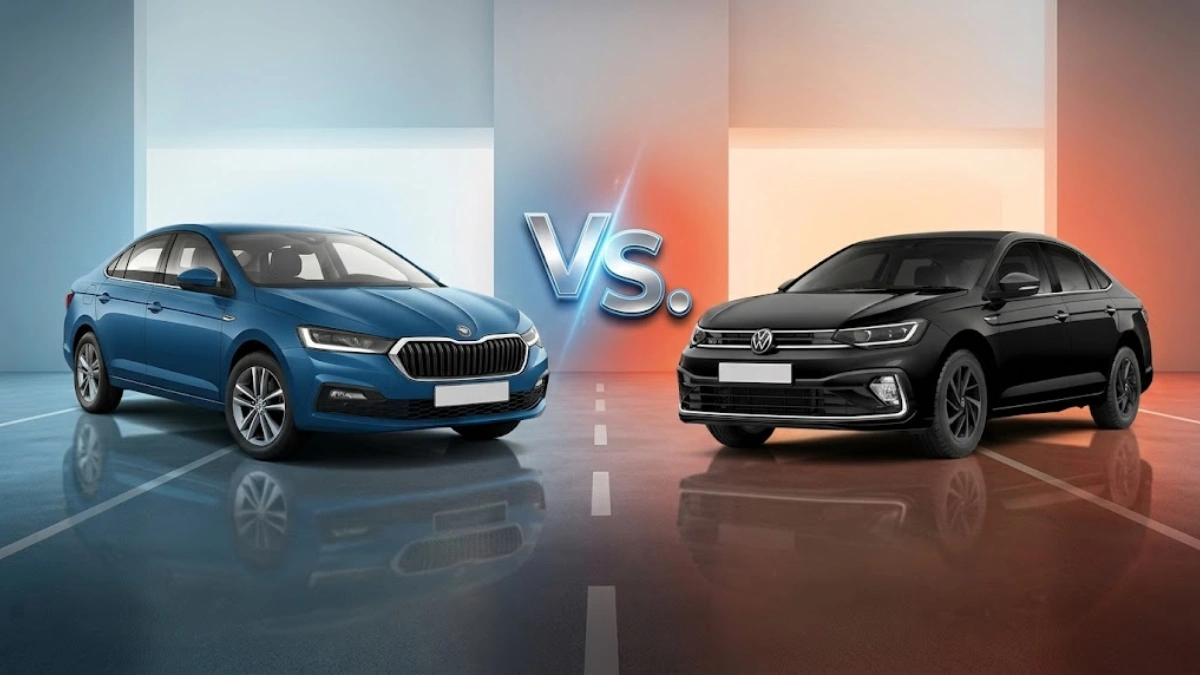
Skoda Slavia Facelift 2026 vs Volkswagen Virtus: Which Sedan Should You Wait For?
Volkswagen Tayron Life Launched in India at ₹41.99 Lakh
Volkswagen Announces 50% Reduction In Global Car Line-up
Tata Nexon Pure Plus : Know Everything Before Buying in July
Best Selling Cars of June 2026 in India
July 2026 Car Offers: Tata, Honda, Kia, MG, Hyundai, Maruti and Other Brands' Discount Offers
Renault Kwid 2026 Launched at Rs 4.53 Lakh
Cheapest Hybrid Cars in India: You Must Know
Tata Sierra Test Drive Booking in Noida: Complete Process Guide
Most Affordable Cars with Ventilated Seats in India
Upcoming Sedan Cars in August 2026 in India
Tata Harrier Test Drive Booking in Delhi: A Complete Guide
Upcoming SUVs in August 2026 in India