





Limited Edition Skoda Slavia Monte Carlo Adds New Colours for 200 Buyers Only
Buying a Petrol Car in 2026 Could Be a Big Mistake, Experts Warn
- Cars
- Published: 27 Jan, 2026

Book a Test Drive
Free doorstep test drive at your convenience
As India moves deeper into the 21st century, the automotive landscape is changing faster than ever. With rising fuel prices, stricter emission norms, and growing environmental awareness, experts are cautioning buyers to think twice before opting for a petrol car in 2026. Many believe that choosing petrol might not be the smartest long-term investment anymore. But is there truth to this claim—or is it exaggerated fearmongering? Let’s break down the facts so you can make a well-informed decision.
The Changing Automotive Trend in India
Petrol cars have dominated the Indian automobile market for decades, thanks to their affordability, easy maintenance, and widespread fuel availability. However, several key trends are reshaping that narrative:
🚗 Rising Fuel Prices
Petrol prices in India have steadily increased in recent years, putting pressure on running costs for everyday commuters. Unlike diesel or alternative fuels such as CNG or electricity, petrol shows no sign of becoming cheaper anytime soon.
🌍 Strong Push Toward Sustainability
With global concerns over climate change intensifying, governments worldwide—including India—are pushing for lower emissions. The transition from internal combustion engine (ICE) vehicles to electrified alternatives has accelerated drastically.
⚡ Growth of Electric Vehicles (EVs)
Incentives like FAME II and state subsidies are making electric vehicles increasingly affordable. Major automakers are investing heavily in EV lineups, further signaling a shift away from traditional fuel cars.
🏙️ Urban Pollution Norms
Indian cities are tightening emission standards to fight pollution. Petrol cars—though cleaner than diesel—still emit greenhouse gases and particulate matter that contribute to urban smog.
Experts Warn: Why Buying a Petrol Car in 2026 Might Be Problematic
Automotive analysts and industry experts point out several reasons why a petrol car purchase in 2026 could be less wise than it once was:
1. Higher Running Costs Over Time
Petrol prices in India have remained volatile, and many economists believe they will rise further with global oil market fluctuations. This means owning a petrol car may become increasingly expensive in the long term.
2. Rapid Shift Toward Electric Mobility
Electric vehicles are no longer niche products. They are quickly becoming mainstream—with better range, improved charging infrastructure, and performance upgrades across models. As more consumers pivot to EVs, petrol cars could see reduced resale value.
3. Stronger Government Regulations
India is committed to reducing carbon emissions and achieving sustainable development goals. Stricter fuel emission rules and potential future taxes on fuel-guzzling vehicles could make petrol options less attractive.
4. Lower Resale Value
With electrification on the rise, demand for used petrol cars may decrease, affecting resale prices. Buyers who purchase petrol cars today might face steeper depreciation down the line.
5. Technology Advancements in EVs
Modern electric vehicles now deliver higher acceleration, lower maintenance costs, and superior performance compared to many petrol models. Battery costs are declining, further narrowing the cost gap.
But Are Petrol Cars Completely Bad?
Not necessarily.
For certain buyers, petrol cars may still make sense:
- Low annual mileage drivers
If you drive less than 8,000 km per year, fuel cost may not be a big concern. - Regions with limited charging infrastructure
Smaller towns may still have fewer EV charging stations. - People on tight budgets
Initial purchase price of petrol cars is often lower than EVs.
However, even these advantages are shrinking as technology improves and markets evolve.
Alternatives to Petrol Cars
If you are reconsidering petrol in 2026, here are viable options worth evaluating:
🚙 Diesel Cars
Still suitable for high-mileage drivers like frequent travelers or commercial users, though they face emission restrictions in cities.
🔥 CNG Cars
Eco-friendly compared to petrol and cheaper to run, especially in urban areas with gas stations easily accessible.
⚡ Electric Vehicles (EVs)
Ideal for daily commuting, city driving, and even longer trips as fast charging grows. Lower running and maintenance costs are making EV ownership more attractive.
Why Choose an Alternative to Petrol in 2026?
If you’re weighing options for a new car purchase, here’s why you should seriously consider alternatives:
✔ Lower Running Costs
Electric and CNG vehicles typically cost much less per kilometre than petrol cars. This adds up significantly over years of ownership.
✔ Eco-Friendly Options
Reduced emissions help contribute to cleaner air and a healthier environment—a responsibility more buyers are embracing.
✔ Better Resale Value Prospect
With future demand leaning toward electrified vehicles, alternatives to petrol may hold value better in the second-hand market.
✔ Government Incentives
EV buyers often benefit from tax breaks, subsidies, and reduced registration fees, making ownership more cost-effective.
✔ Future-Proof Investment
Choosing a future-ready vehicle protects you from sudden policy changes, fuel price hikes, or emission norms.
Conclusion: Think Long-Term Before Picking Petrol
The caution surrounding petrol cars in 2026 is not merely hype—it reflects genuine shifts in technology, policy, and consumer behaviour. While petrol vehicles aren’t obsolete yet, their role is diminishing in a world that’s moving swiftly toward cleaner and smarter mobility solutions.
If you value long-term savings, environmental responsibility, and future resale value, exploring alternatives like EVs or CNG cars could be a smarter decision than buying a petrol car this year.
However, if you have specific needs (low usage, limited infrastructure) and a tight budget, petrol cars can still serve you well—but make sure you understand the long-term costs and risks involved.
FAQs
1. Are petrol cars going to be banned in India?
No official ban has been announced for petrol cars yet, but emission regulations are tightening and preferences are shifting toward cleaner choices.
2. Is an electric car cheaper to maintain than a petrol car?
Yes—EVs generally have fewer moving parts and lower maintenance costs compared to internal combustion engines.
3. What’s the biggest drawback of buying a petrol car today?
Higher running costs and potential for faster depreciation as demand shifts to greener alternatives.
4. Are diesel cars better than petrol in 2026?
For high-mileage use, diesel can still be efficient, but they face stricter emission norms and urban restrictions.
5. Should I wait for EV prices to drop?
If your budget allows and you can wait, prices are expected to become more competitive as technology improves.
Book a Test Drive
Free doorstep test drive at your convenience
Popular Brands
Latest Car News
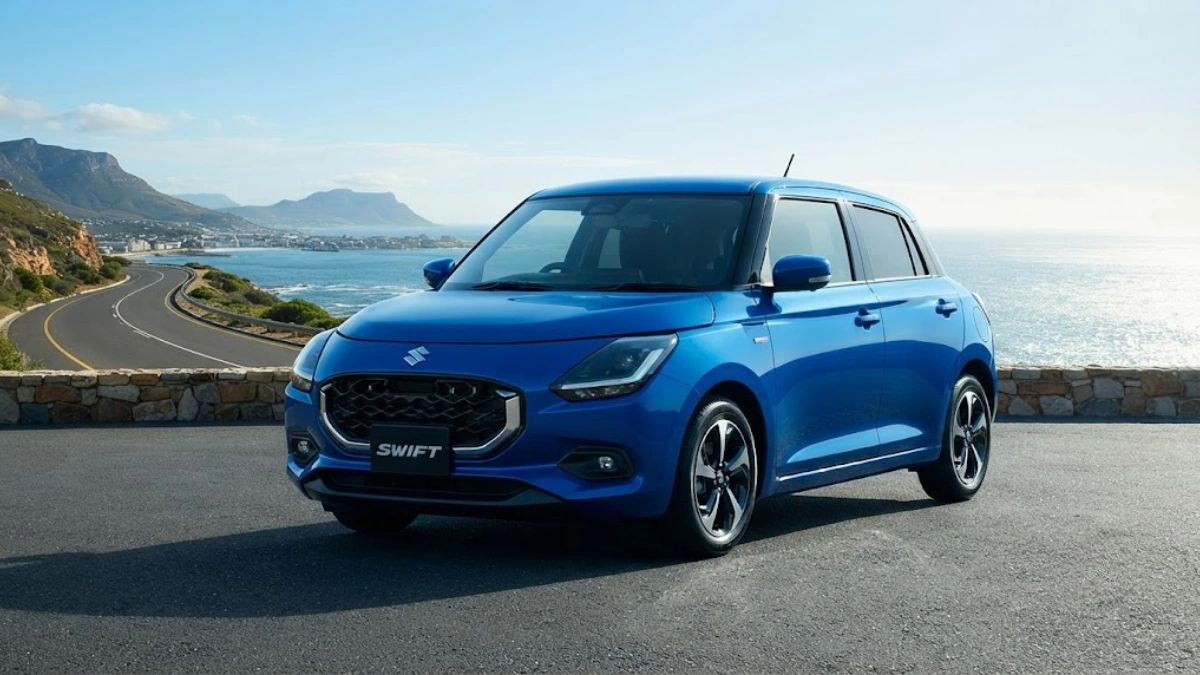
Suzuki Loses India Market Share as Buyers Demand More Features
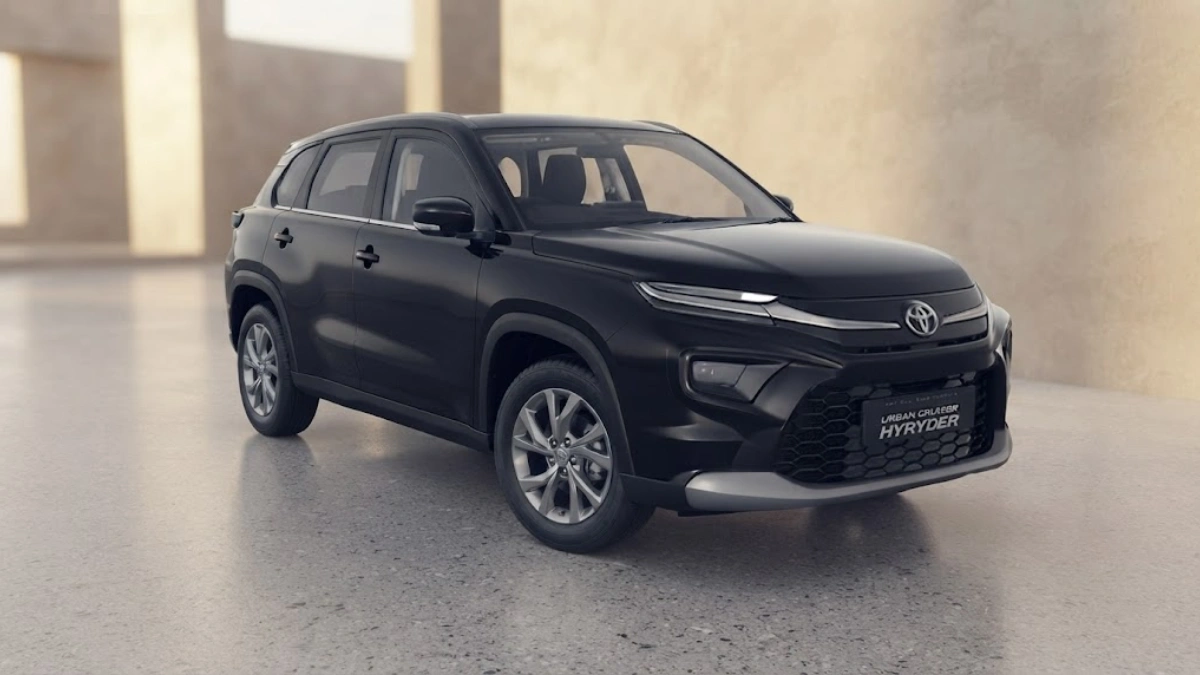
Hybrid Car Sales Decline 8% in June 2026: Complete Analysis
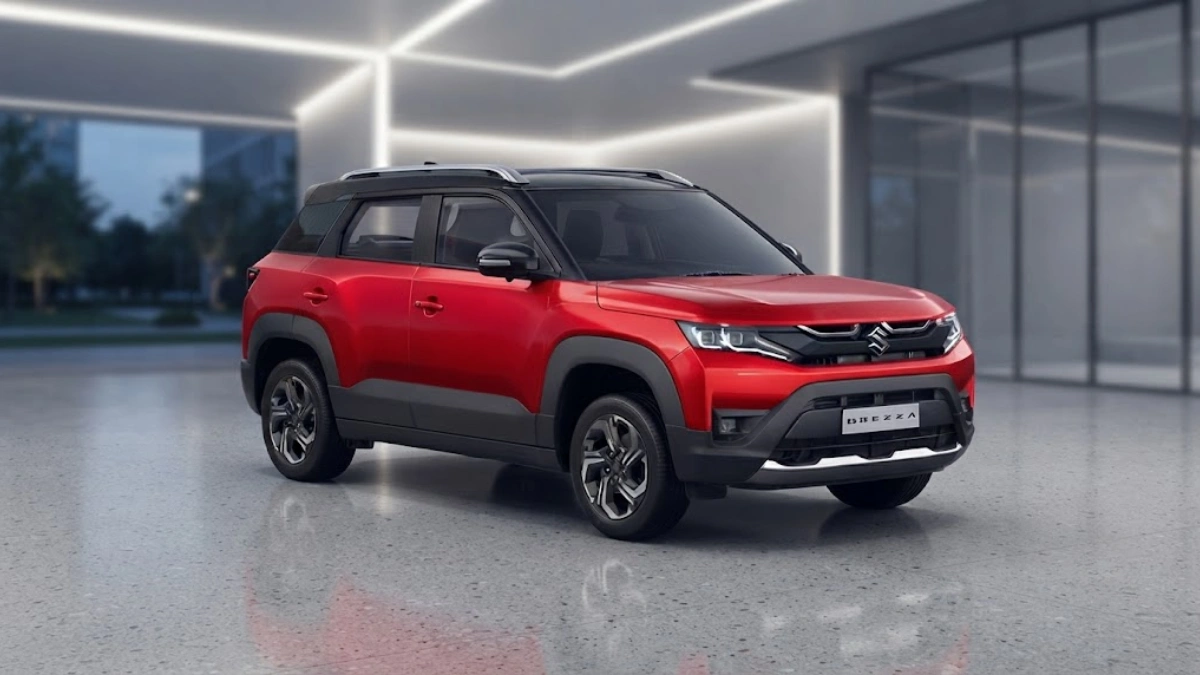
How to Book Maruti Brezza Facelift: Complete Booking Guide
Alto K10 vs Tiago: Which Is Better?
Maruti Brezza Facelift 2026: What's New Compared to the Current Model?
Renault Duster Adventure Edition vs Standard Duster: What's Different?
Skoda Slavia Facelift 2026 vs Volkswagen Virtus: Which Sedan Should You Wait For?
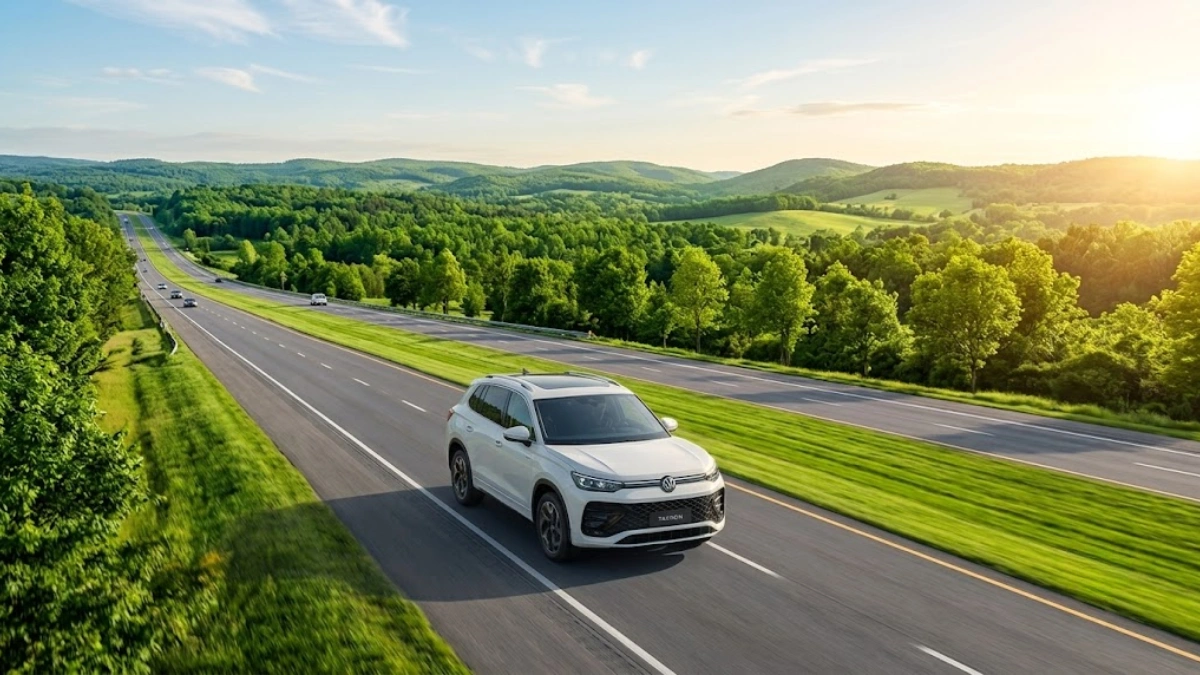
Volkswagen Tayron Life Launched in India at ₹41.99 Lakh
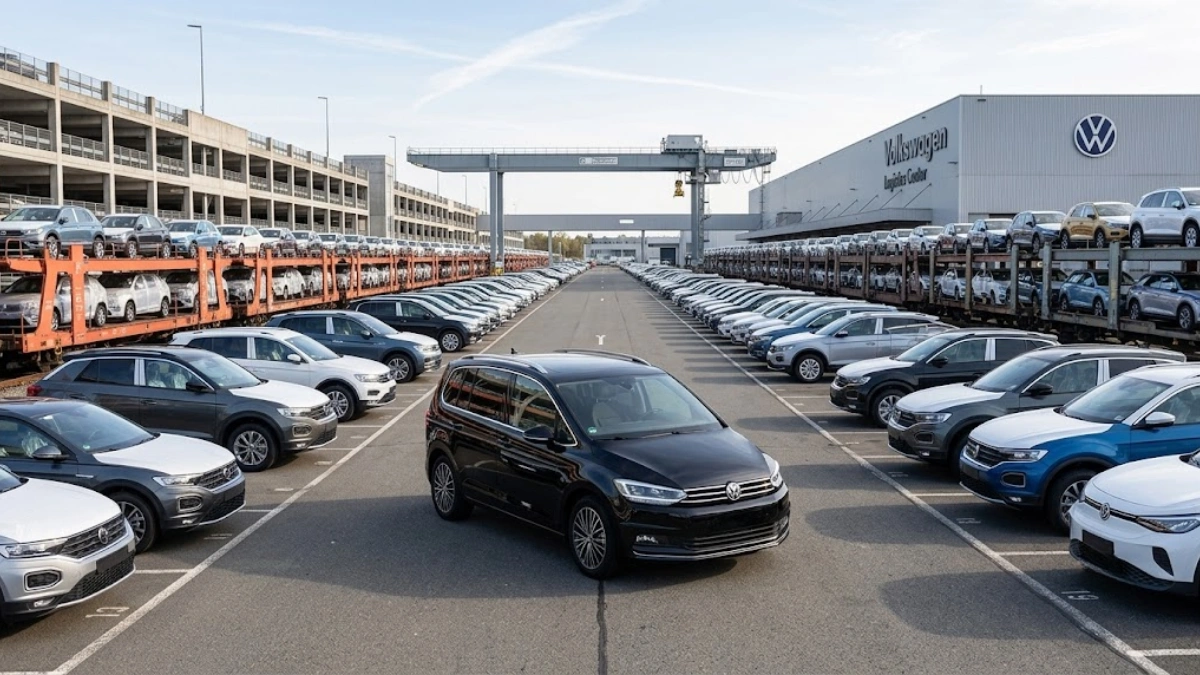
Volkswagen Announces 50% Reduction In Global Car Line-up
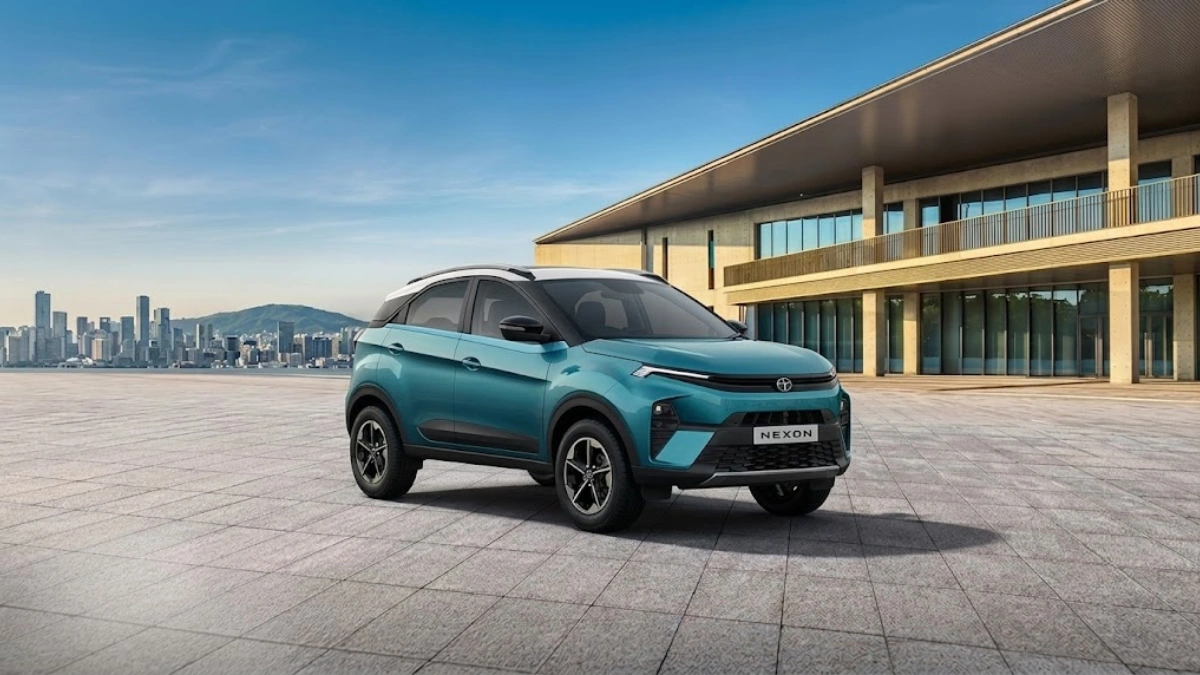
Tata Nexon Pure Plus : Know Everything Before Buying in July
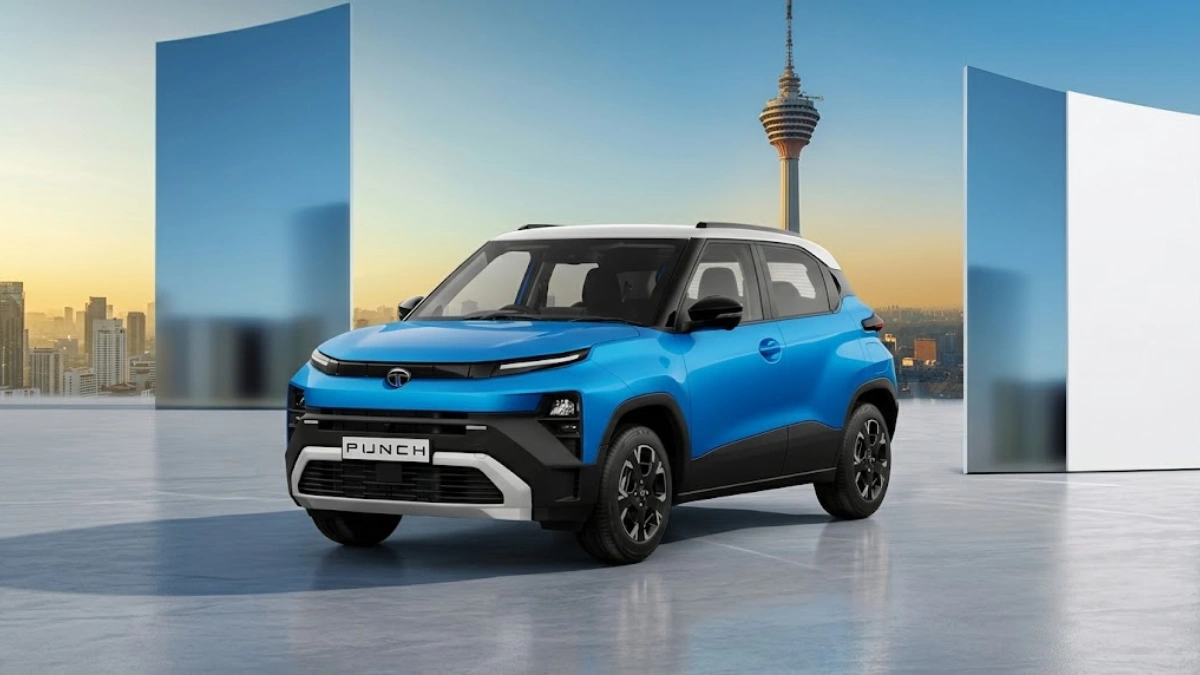
Best Selling Cars of June 2026 in India
July 2026 Car Offers: Tata, Honda, Kia, MG, Hyundai, Maruti and Other Brands' Discount Offers
Renault Kwid 2026 Launched at Rs 4.53 Lakh
Cheapest Hybrid Cars in India: You Must Know
Tata Sierra Test Drive Booking in Noida: Complete Process Guide
Most Affordable Cars with Ventilated Seats in India
Upcoming Sedan Cars in August 2026 in India
Tata Harrier Test Drive Booking in Delhi: A Complete Guide
Upcoming SUVs in August 2026 in India