





Limited Edition Skoda Slavia Monte Carlo Adds New Colours for 200 Buyers Only
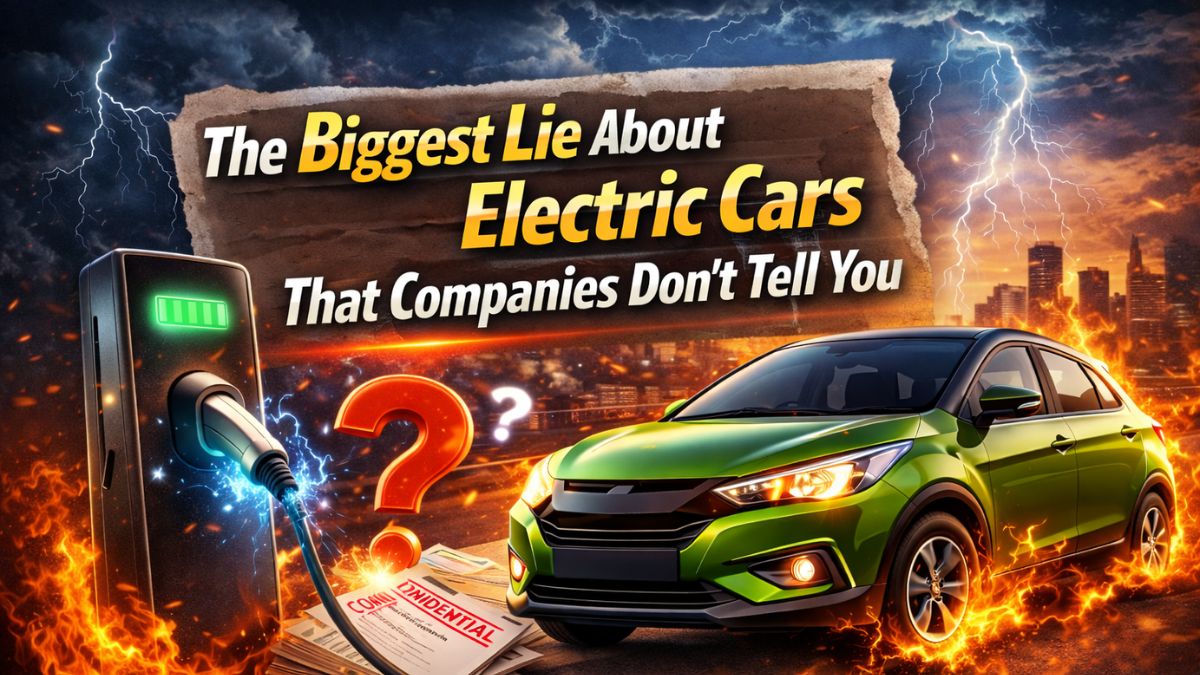
The Biggest Lie About Electric Cars That Companies Don’t Tell You
- Cars
- Published: 27 Jan, 2026
Book a Test Drive
Free doorstep test drive at your convenience
Electric cars are often marketed as the perfect solution for modern mobility. Zero emissions, ultra-low running costs, cutting-edge technology—on paper, they sound almost flawless. Advertisements and brand campaigns paint electric vehicles (EVs) as the future of driving, and for good reason.
But here’s the uncomfortable truth: there is one big lie about electric cars that companies rarely talk about openly. It doesn’t mean EVs are bad—but it does mean buyers deserve a clearer picture before making the switch.
Let’s uncover what’s really going on behind the hype.
The Biggest Lie: “Electric Cars Are Always Cheaper to Own”
One of the most repeated claims about electric cars is that they are much cheaper to own than petrol or diesel vehicles. While this is partially true, it’s also oversimplified—and sometimes misleading.
Where the Claim Comes From
EV companies often highlight:
- ₹1–₹2 per km running cost
- Fewer moving parts
- No engine oil, clutch, or exhaust system
All of this sounds great—and it is—but it doesn’t tell the full story.
The Hidden Costs Companies Rarely Emphasize
⚡ 1. Battery Replacement Cost
The battery is the heart of an electric car—and also its most expensive component.
While manufacturers promise long battery life (6–8 years), replacement costs can range from ₹4 lakh to ₹10 lakh, depending on the car and battery size.
Most buyers are told:
“Don’t worry, batteries last a long time.”
What they’re not told clearly:
Battery replacement can cost 30–40% of the car’s original price.
🔌 2. Charging Isn’t Always Cheap
Yes, home charging is affordable. But what about fast charging?
- Public fast chargers often cost significantly more
- Prices vary city to city
- Emergency charging can be expensive
If you rely heavily on public charging, your “cheap EV” may not remain cheap.
🕒 3. Time Is Money
Petrol refueling takes 5 minutes. Charging doesn’t.
- Fast charging: 40–60 minutes
- Home charging: 6–10 hours
Companies rarely talk about the time cost—especially for people who travel frequently or live in apartments without dedicated charging.
🔋 4. Range Drops in Real Conditions
EV range is often advertised under ideal test conditions.
In real life:
- AC usage
- High speeds
- Heavy load
- Cold or very hot weather
All reduce driving range—sometimes by 20–30%.
This doesn’t mean EVs are unreliable—but buyers should know expectations vs reality.
Are Electric Cars Bad Because of This?
Absolutely not.
Electric cars are still:
✔ Cleaner than petrol/diesel
✔ Cheaper to run daily
✔ Quieter and smoother
✔ Future-ready
The real problem isn’t EV technology—it’s incomplete transparency in marketing.
Why Companies Don’t Talk About This
The EV market is still growing. Brands want to:
- Encourage adoption
- Reduce fear around new technology
- Compete aggressively
So the focus remains on benefits, while drawbacks are downplayed.
This happens with every new technology—smartphones, internet, even petrol cars when they were first introduced.
Who Should Still Buy an Electric Car?
EVs make perfect sense if you:
- Drive mostly within the city
- Have home or office charging
- Cover predictable daily distances
- Plan to keep the car for many years
- Want lower daily running costs
For such users, EV ownership can be incredibly rewarding.
Who Should Think Twice?
You may want to reconsider if you:
- Frequently drive long highway trips
- Live in areas with poor charging infrastructure
- Change cars every 4–5 years
- Depend entirely on public charging
For these buyers, hybrid or CNG options may currently be more practical.
Why Choose an Electric Car Despite the “Lie”?
Even with hidden realities, EVs still offer strong advantages when chosen wisely.
✔ Lower Daily Running Cost
Even with charging variations, EVs are cheaper per km for regular commuting.
✔ Minimal Maintenance
No engine oil, fewer mechanical parts, and reduced wear and tear.
✔ Quiet & Smooth Driving
Instant torque and vibration-free performance improve driving comfort.
✔ Environmentally Better
Zero tailpipe emissions reduce urban pollution.
✔ Future-Proof Choice
Government policies, incentives, and infrastructure are moving toward electrification.
The Real Truth About Electric Cars
The biggest lie isn’t that electric cars are bad—it’s that they’re perfect for everyone.
They are not a one-size-fits-all solution yet.
EVs require:
- Lifestyle compatibility
- Infrastructure support
- Awareness of long-term costs
Once buyers understand this, electric cars become a smart choice—not a risky one.
Conclusion: Knowledge Makes EV Ownership Smarter
Electric cars are not a scam, nor are they magic machines that eliminate all costs. The biggest lie companies don’t tell you is that ownership is always cheaper and hassle-free for everyone.
The reality lies in the middle.
If your driving habits align with EV strengths, an electric car can save money, reduce pollution, and future-proof your mobility. But going in blind—without understanding battery costs, charging realities, and range behavior—can lead to disappointment.
An informed buyer is a happy buyer.
FAQs
1. Are electric cars really cheaper than petrol cars?
They are cheaper to run daily, but long-term ownership costs depend on battery life and charging habits.
2. How long does an EV battery last?
Most last 6–8 years or 1.5–2 lakh km, depending on usage and charging patterns.
3. Is battery replacement mandatory?
Not always, but it may become necessary after several years of use.
4. Do electric cars lose range over time?
Yes, like smartphones, EV batteries slowly degrade with age.
5. Should I buy an EV now or wait?
Buy now if your usage suits EVs. Otherwise, waiting for better infrastructure and lower battery costs is sensible.
Book a Test Drive
Free doorstep test drive at your convenience
Popular Brands
Latest Car News
Suzuki Loses India Market Share as Buyers Demand More Features
Hybrid Car Sales Decline 8% in June 2026: Complete Analysis
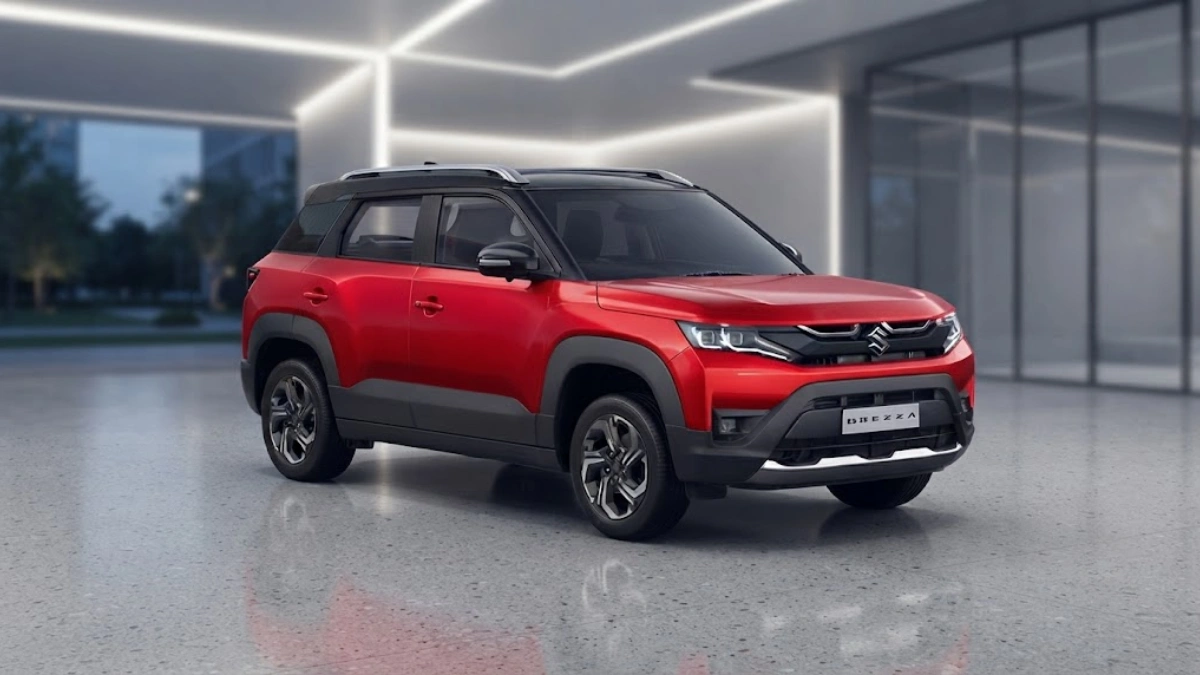
How to Book Maruti Brezza Facelift: Complete Booking Guide
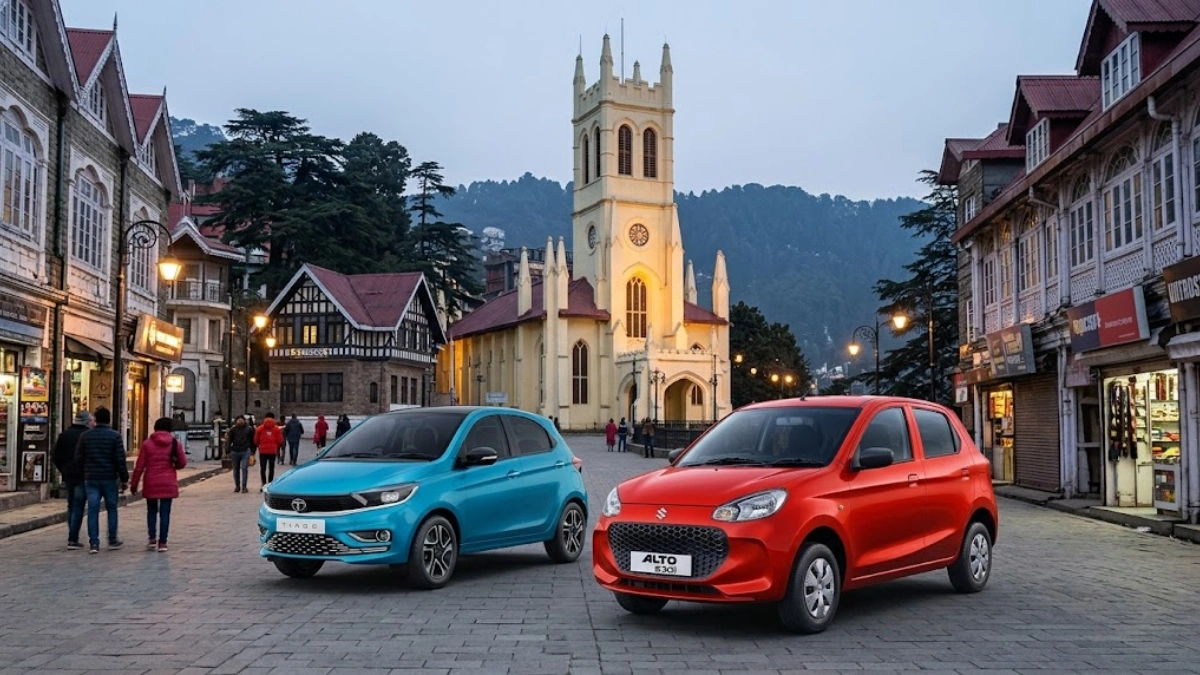
Alto K10 vs Tiago: Which Is Better?
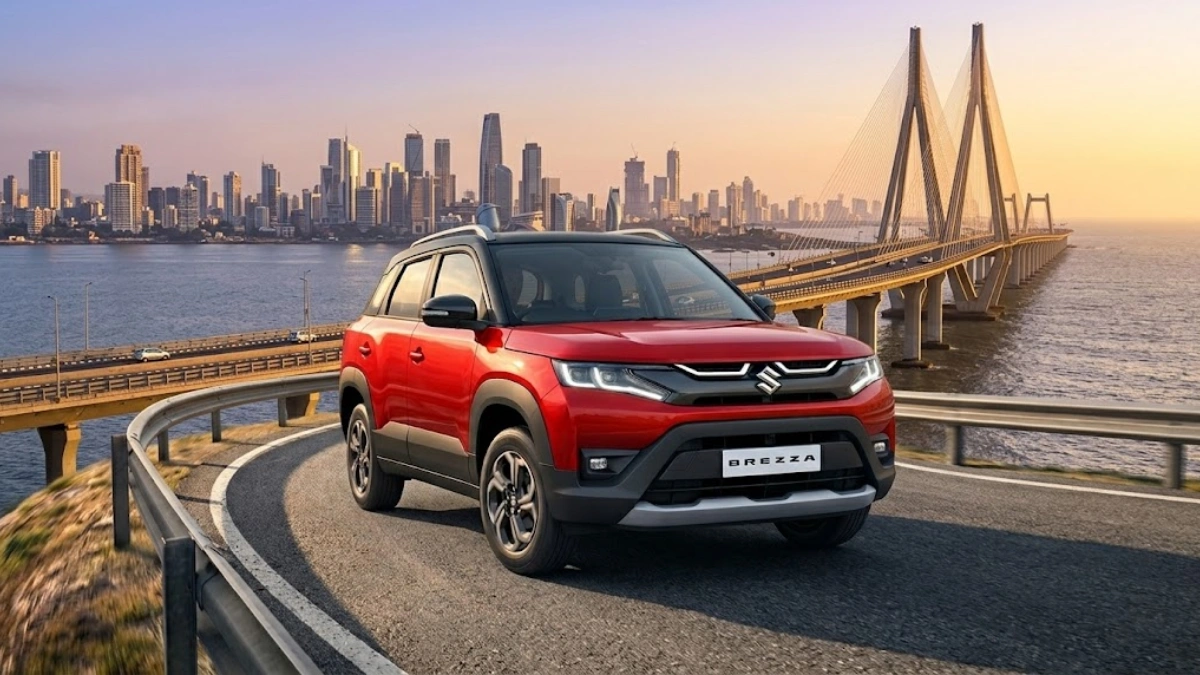
Maruti Brezza Facelift 2026: What's New Compared to the Current Model?
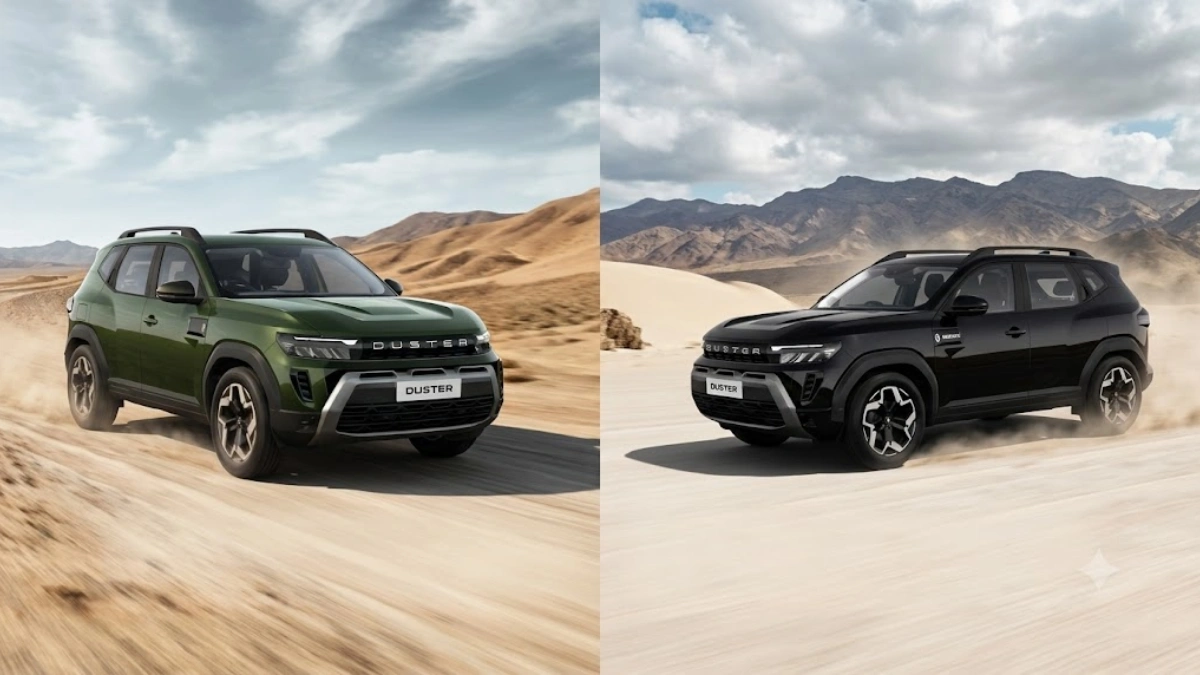
Renault Duster Adventure Edition vs Standard Duster: What's Different?
Skoda Slavia Facelift 2026 vs Volkswagen Virtus: Which Sedan Should You Wait For?
Volkswagen Tayron Life Launched in India at ₹41.99 Lakh
Volkswagen Announces 50% Reduction In Global Car Line-up
Tata Nexon Pure Plus : Know Everything Before Buying in July
Best Selling Cars of June 2026 in India
July 2026 Car Offers: Tata, Honda, Kia, MG, Hyundai, Maruti and Other Brands' Discount Offers
Renault Kwid 2026 Launched at Rs 4.53 Lakh
Cheapest Hybrid Cars in India: You Must Know
Tata Sierra Test Drive Booking in Noida: Complete Process Guide
Most Affordable Cars with Ventilated Seats in India
Upcoming Sedan Cars in August 2026 in India
Tata Harrier Test Drive Booking in Delhi: A Complete Guide
Upcoming SUVs in August 2026 in India