





Limited Edition Skoda Slavia Monte Carlo Adds New Colours for 200 Buyers Only
Global Auto Industry Outlook 2026: Will Car Prices Rise or Fall?
- Cars
- Published: 06 Jan, 2026
Book a Test Drive
Free doorstep test drive at your convenience
The automotive world is entering one of its most unpredictable phases in decades. With electric vehicles gaining momentum, supply chains stabilizing after global disruptions, and new technologies reshaping manufacturing, buyers are asking a crucial question: Global Auto Industry Outlook 2026: Will car prices rise or fall?
Understanding where prices are headed is essential for consumers, dealers, and investors alike. Several economic, technological, and geopolitical factors will determine whether vehicles become more affordable or more expensive over the next few years.
Key Factors Influencing Car Prices in 2026
1. Supply Chain Stabilization
Over the past few years, car prices surged due to semiconductor shortages, shipping delays, and factory shutdowns. By 2026, most analysts expect global supply chains to become more stable. Increased chip production, localized manufacturing, and diversified sourcing will reduce bottlenecks.
As availability improves, manufacturers will no longer need to limit production or prioritize only high-margin models. This could place downward pressure on prices, especially in mass-market segments.
2. Electric Vehicles and Battery Costs
The rapid rise of electric vehicles is one of the biggest influences on the global auto industry outlook 2026. While early EVs were expensive, battery technology is improving rapidly. Lithium-ion battery costs have already dropped significantly, and newer technologies such as solid-state batteries promise even better efficiency at lower costs.
As battery manufacturing scales and competition intensifies, the cost of producing EVs is expected to fall. This could make electric cars price-competitive with petrol and diesel vehicles by 2026, leading to more affordable options for buyers.
3. Inflation and Interest Rates
Macroeconomic conditions will play a critical role in determining whether car prices rise or fall. Persistent inflation, high interest rates, and fluctuating currency values can push manufacturing and financing costs higher.
If inflation remains under control by 2026 and interest rates ease, vehicle loans and leasing options could become more attractive. This would improve affordability even if base vehicle prices remain stable. However, prolonged inflation could offset cost reductions from technology and manufacturing improvements.
4. Technology and Feature Creep
Modern cars are becoming more advanced every year. Features such as advanced driver assistance systems (ADAS), connected infotainment, AI-based safety tools, and over-the-air software updates add value—but also add cost.
While manufacturing efficiency may reduce base prices, the inclusion of premium technology as standard could keep sticker prices from falling dramatically. In other words, buyers may pay similar prices but receive significantly better-equipped vehicles.
5. Government Policies and Emission Regulations
Stricter emission norms and sustainability regulations are forcing automakers to invest heavily in cleaner technology. While this initially increases production costs, government incentives, tax benefits, and subsidies for EVs and hybrids can balance the impact.
In many markets, supportive policies are likely to make eco-friendly vehicles more affordable by 2026. However, in regions with heavy taxation or import duties, prices could remain elevated.
Will Car Prices Rise or Fall in 2026?
The most realistic answer is: it depends on the segment.
- Entry-level and mass-market vehicles: Prices are likely to stabilize or even fall slightly due to improved supply chains, localized manufacturing, and intense competition.
- Electric vehicles: As battery costs decline and production scales up, EV prices are expected to become more competitive, potentially matching or undercutting traditional cars in some categories.
- Luxury and high-tech vehicles: Premium cars may continue to become more expensive due to advanced automation, AI features, and customization options.
Overall, while dramatic price drops are unlikely, 2026 is expected to bring better value for money rather than higher price tags.
How Consumer Behavior Will Shape the Market
Consumers are becoming more informed and cost-conscious. Subscription models, shared mobility, certified pre-owned programs, and online car sales platforms are changing how people buy vehicles. Automakers will be forced to offer flexible pricing, bundled services, and competitive financing to attract buyers.
This shift in consumer expectations will limit unjustified price increases and encourage brands to focus on long-term ownership value rather than short-term profit.
Why Choose to Follow the Global Auto Industry Outlook 2026?
- Smarter Buying Decisions: Knowing market trends helps you choose the right time to buy.
- Better Budget Planning: Price forecasts assist in planning finances for future vehicle purchases.
- Technology Awareness: Stay updated on how EVs, AI, and safety features impact costs.
- Investment Insights: Useful for dealers, investors, and automotive businesses.
- Future-Proof Choices: Helps you select vehicles with long-term value and resale potential.
Conclusion
Global Auto Industry Outlook 2026: Will car prices rise or fall? The answer lies in a combination of economic stability, technological progress, and market competition. While some premium segments may see continued price growth, mass-market vehicles and electric cars are expected to become more accessible.
Instead of focusing solely on whether prices go up or down, buyers should look at overall value—what they get for the money. With better safety, smarter technology, and lower running costs, 2026 vehicles will offer more benefits even if prices remain steady. For consumers, this signals a more balanced and transparent automotive market ahead.
FAQs
1. Will car prices be cheaper in 2026 than today?
In many mass-market and EV segments, prices may stabilize or reduce slightly, but luxury models could remain expensive.
2. Will electric vehicles become more affordable by 2026?
Yes. Declining battery costs and large-scale production are expected to make EVs more price-competitive.
3. How do interest rates affect car prices?
Higher interest rates increase loan costs, making cars feel more expensive even if base prices stay the same.
4. Will advanced technology make cars costlier?
Advanced features add value and may keep prices from dropping sharply, but they also improve safety and convenience.
5. Is 2026 a good time to buy a car?
For many buyers, 2026 could offer better value, more choices, and improved technology at competitive prices.
Book a Test Drive
Free doorstep test drive at your convenience
Popular Brands
Latest Car News
Suzuki Loses India Market Share as Buyers Demand More Features
Hybrid Car Sales Decline 8% in June 2026: Complete Analysis
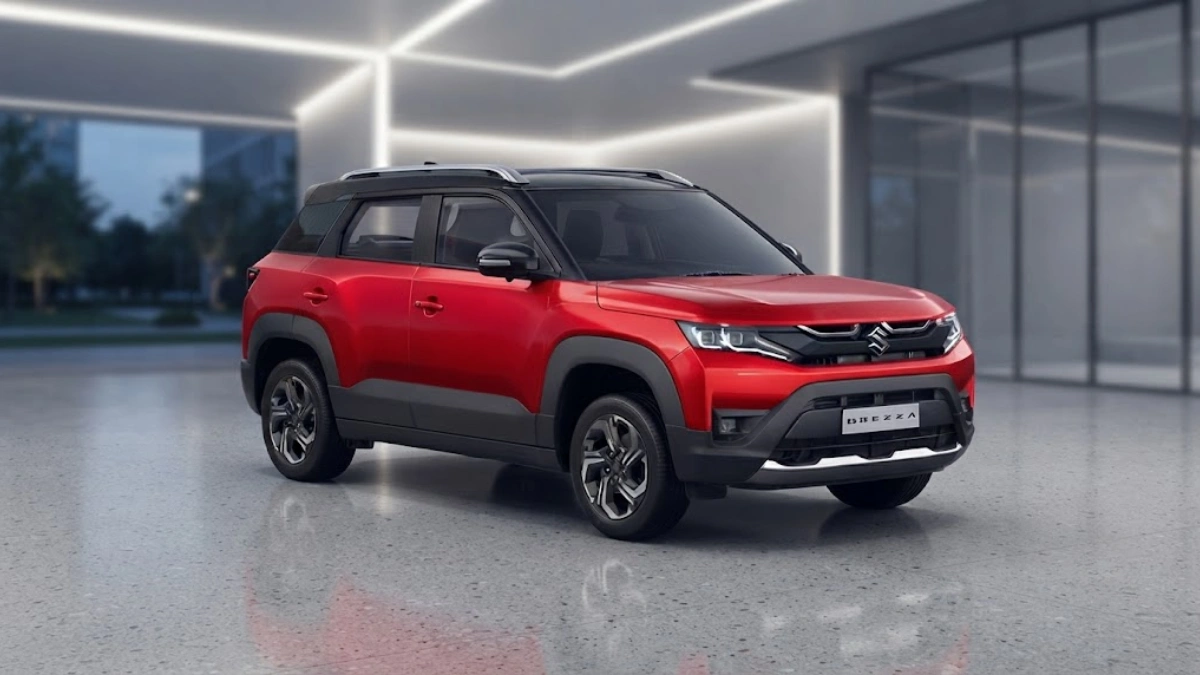
How to Book Maruti Brezza Facelift: Complete Booking Guide
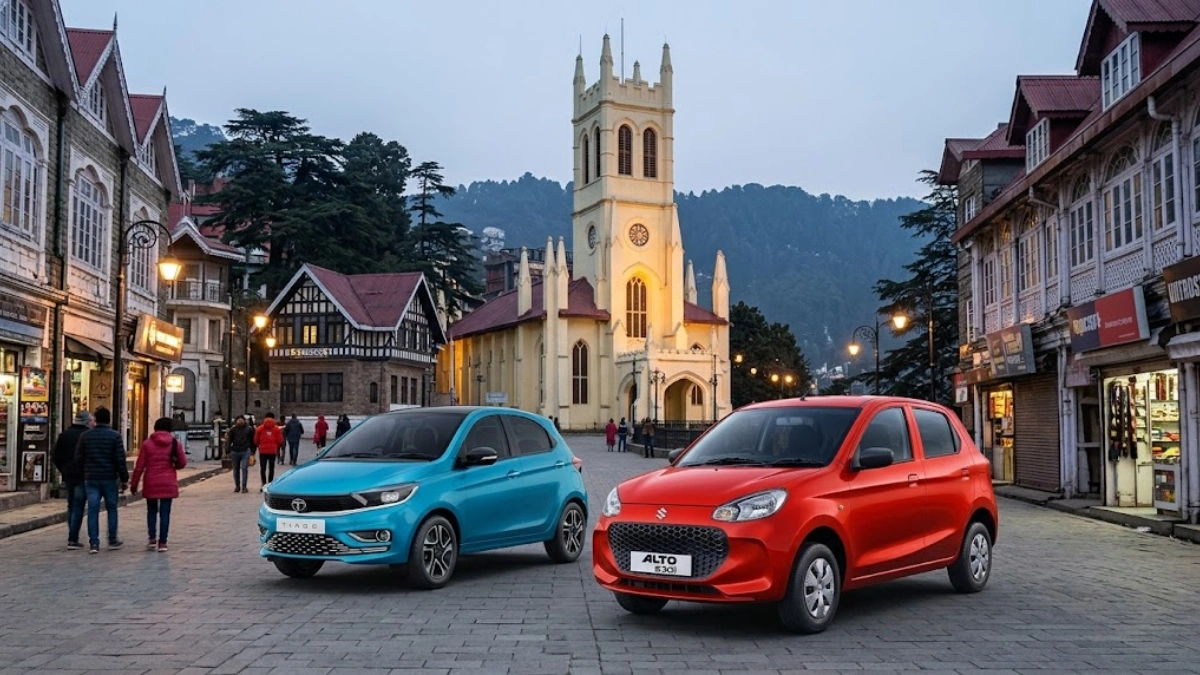
Alto K10 vs Tiago: Which Is Better?
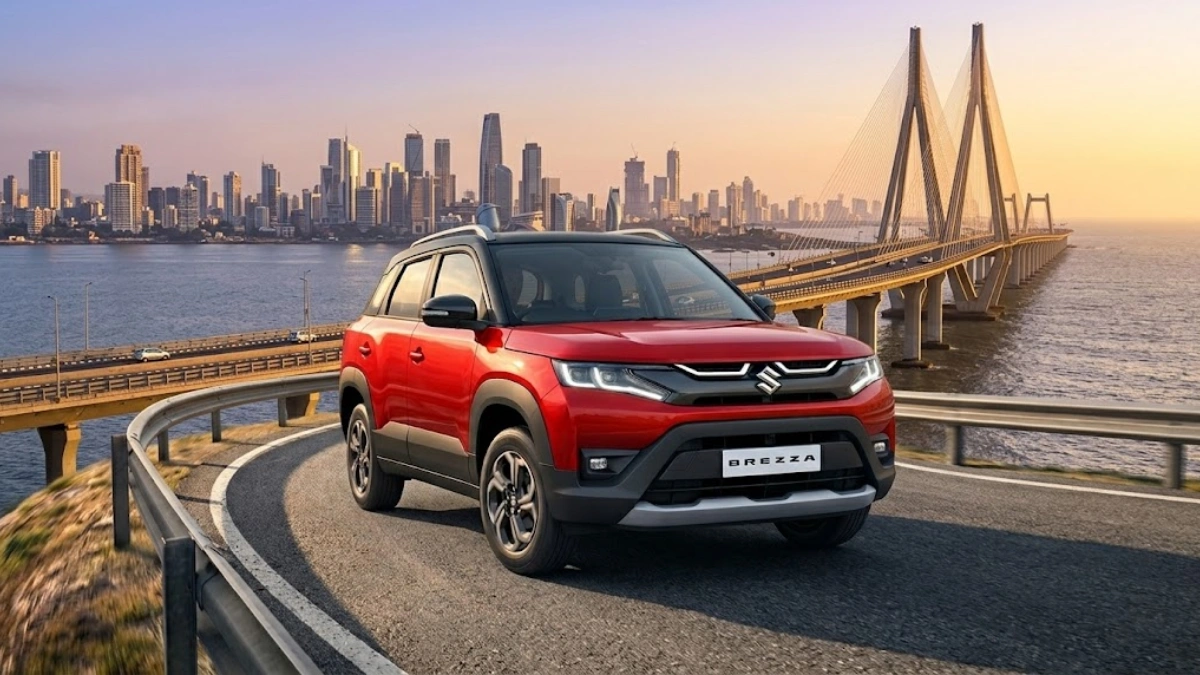
Maruti Brezza Facelift 2026: What's New Compared to the Current Model?
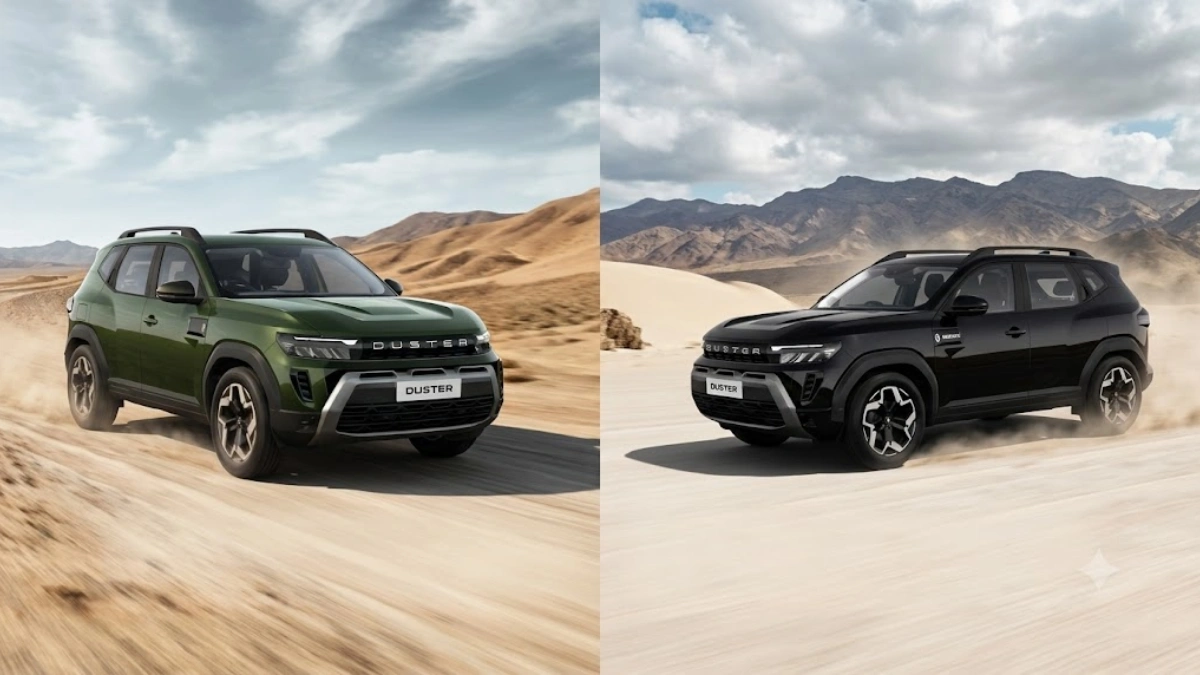
Renault Duster Adventure Edition vs Standard Duster: What's Different?
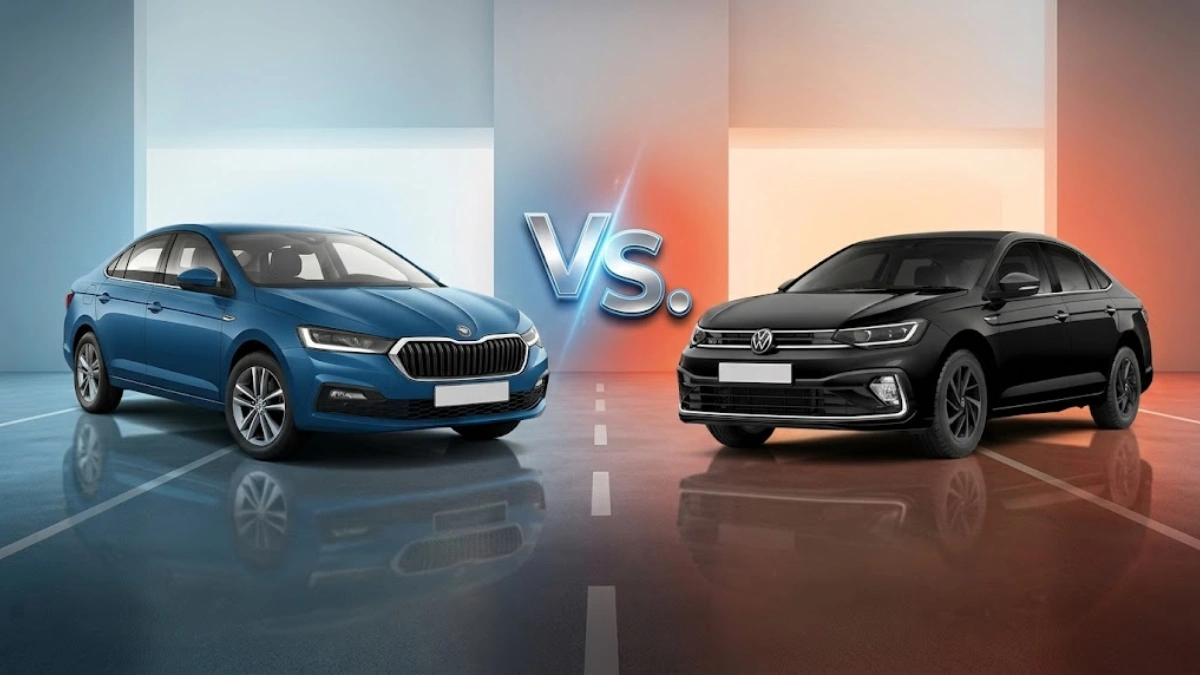
Skoda Slavia Facelift 2026 vs Volkswagen Virtus: Which Sedan Should You Wait For?
Volkswagen Tayron Life Launched in India at ₹41.99 Lakh
Volkswagen Announces 50% Reduction In Global Car Line-up
Tata Nexon Pure Plus : Know Everything Before Buying in July
Best Selling Cars of June 2026 in India
July 2026 Car Offers: Tata, Honda, Kia, MG, Hyundai, Maruti and Other Brands' Discount Offers
Renault Kwid 2026 Launched at Rs 4.53 Lakh
Cheapest Hybrid Cars in India: You Must Know
Tata Sierra Test Drive Booking in Noida: Complete Process Guide
Most Affordable Cars with Ventilated Seats in India
Upcoming Sedan Cars in August 2026 in India
Tata Harrier Test Drive Booking in Delhi: A Complete Guide
Upcoming SUVs in August 2026 in India