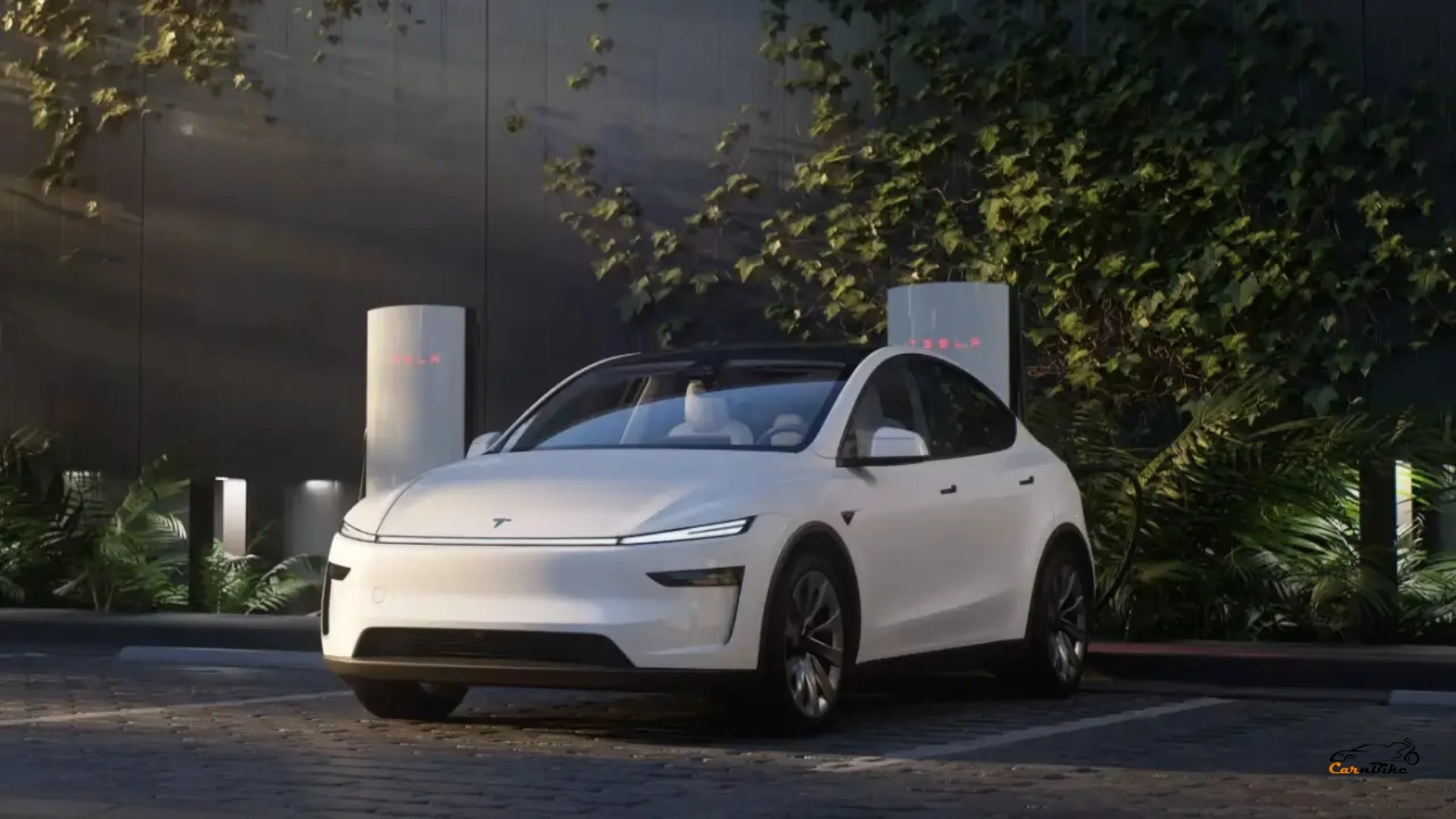
Tesla Losing Ground Against Its Biggest Rival in China
- Cars
- Published: 25 Feb, 2025
- Updated: 30 Apr, 2025
Book a Test Drive
Free doorstep test drive at your convenience
Tesla, once the undisputed leader in the Chinese electric vehicle (EV) market, is now facing intense competition from local EV giants. The rise of Chinese manufacturers like BYD, NIO, and XPeng has put pressure on Tesla’s market share, leading to a shift in dominance within the world's largest EV market.
Chinese EV Manufacturers Gaining Momentum
BYD Overtakes Tesla in Sales
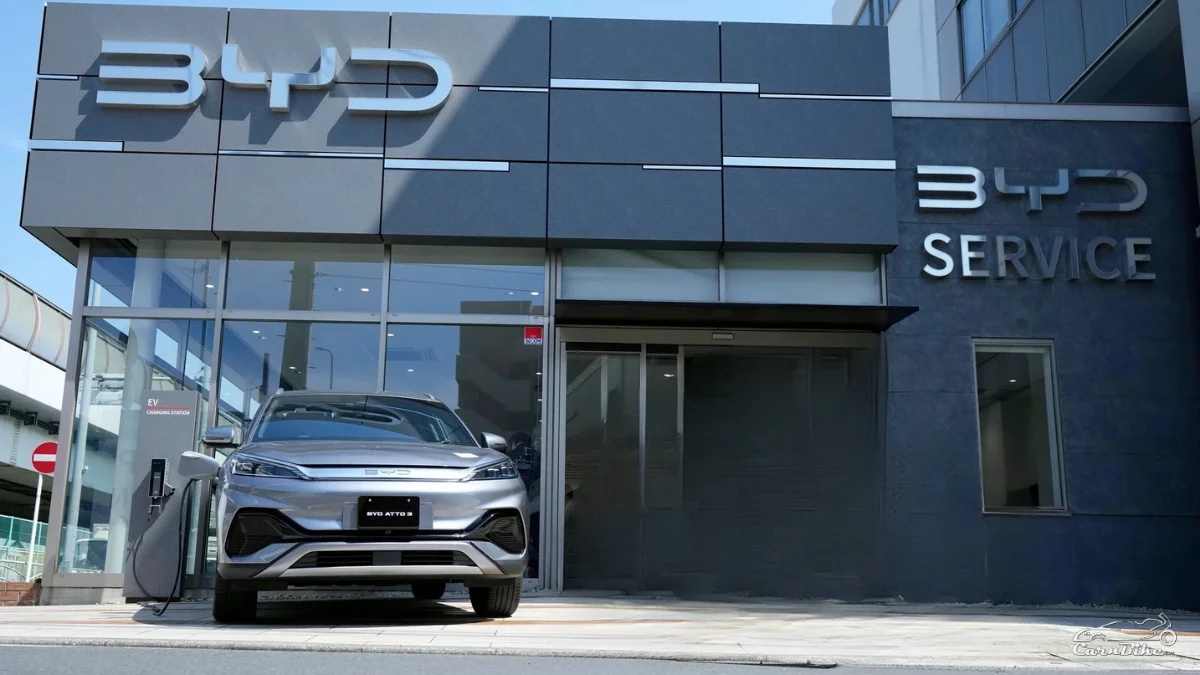
One of the biggest challenges Tesla is facing is from BYD (Build Your Dreams), which has surpassed Tesla in global EV sales. In 2023, BYD sold over 3 million EVs, significantly outpacing Tesla’s numbers. With its diversified range of affordable and premium electric cars, BYD has managed to attract a broader customer base.
Competitive Pricing Strategy
Chinese EV brands have aggressively priced their models, offering better value for money. While Tesla has relied on premium pricing, companies like NIO and XPeng have introduced high-tech vehicles with competitive pricing and localized features, making them more attractive to Chinese consumers.
Advanced Battery Technology & Localized Innovation
BYD and other Chinese EV makers have in-house battery production, allowing them to reduce costs and improve efficiency. With the launch of sodium-ion and LFP (Lithium Iron Phosphate) batteries, they have achieved better affordability and range than Tesla’s standard offerings.
You May Read Also: Mercedes-Benz to Discontinue A-Class, Shifts Focus to SUVs
Tesla’s Challenges in China
Government Policies & Tariffs
The Chinese government has been actively supporting local EV manufacturers through subsidies and incentives, giving them a competitive advantage over Tesla. Stricter regulations and tariffs on foreign companies have also made it challenging for Tesla to maintain its market dominance.
Production & Supply Chain Issues
Tesla’s Shanghai Gigafactory has played a crucial role in its global production, but supply chain disruptions and rising component costs have impacted production efficiency. Meanwhile, Chinese EV makers have built strong domestic supply chains, allowing them to scale production faster.
Consumer Preferences & Brand Loyalty
Chinese consumers increasingly prefer homegrown brands, as they offer unique features tailored to local needs, such as integrated AI, autonomous driving, and smart cockpit technology. Tesla's minimalistic interiors and software updates, while innovative, may not always align with the evolving preferences of Chinese buyers.
Can Tesla Regain Its Market Dominance?
While Tesla still enjoys a strong brand image and loyal customer base, it needs to adapt its strategy to stay competitive in China. Some potential steps Tesla could take include:
- Introducing more affordable EV models to compete with BYD’s cost-effective lineup.
- Enhancing local partnerships to navigate regulatory challenges.
- Investing in next-generation battery technology to offer better range and performance.
- Customizing its offerings to cater to Chinese consumer preferences.
China remains the largest EV market in the world, and Tesla's ability to compete against domestic manufacturers will determine its future success. With BYD and other Chinese automakers gaining market share, Tesla must rethink its pricing, innovation, and market strategy to maintain a competitive edge. The coming years will be crucial for Tesla as it fights to retain its position in China’s fast-growing EV industry.
Book a Test Drive
Free doorstep test drive at your convenience
Popular Brands





Latest Car News
Tata Sierra Dark Edition vs Regular Sierra: What Is Different?
Tata Altroz vs Maruti Suzuki Brezza: Which One Should You Buy in 2026?
Wagon R vs Swift: Which Is Cheaper to Maintain?
BMW 7 Series Facelift Interior Updates: Know Everything
How to Check Oil Level in Car: Step-by-Step Guide
Latest Cars Under ₹5 Lakh in India in September 2026
Maruti Alto K10 September Offers: Get Up to ₹62,500 Savings on Purchase
Tata Tigor Facelift Under ₹6 Lakh: A New Budget Sedan Is Coming
Hyundai Creta August 2026 Sales: With 16,288 Units Becomes India's Best-Selling Mid-Size SUV
Maruti Baleno Facelift Booking Price: Expected Booking Amount, EMI & Loan Calculation
Kia Sorento 6 Seater vs 7 Seater: Which One Should You Choose?
Kia Sorento AI Assistant Explained: Features, Commands, and Indian Language Support
What Is the Difference Between Tata Curvv and New Curvv Series X?
Tata Car Sales August 2026: Model-Wise Sales & Growth Report
Car Sales Report of August 2026: Tata Motors, Maruti, Mahindra Lead Growth
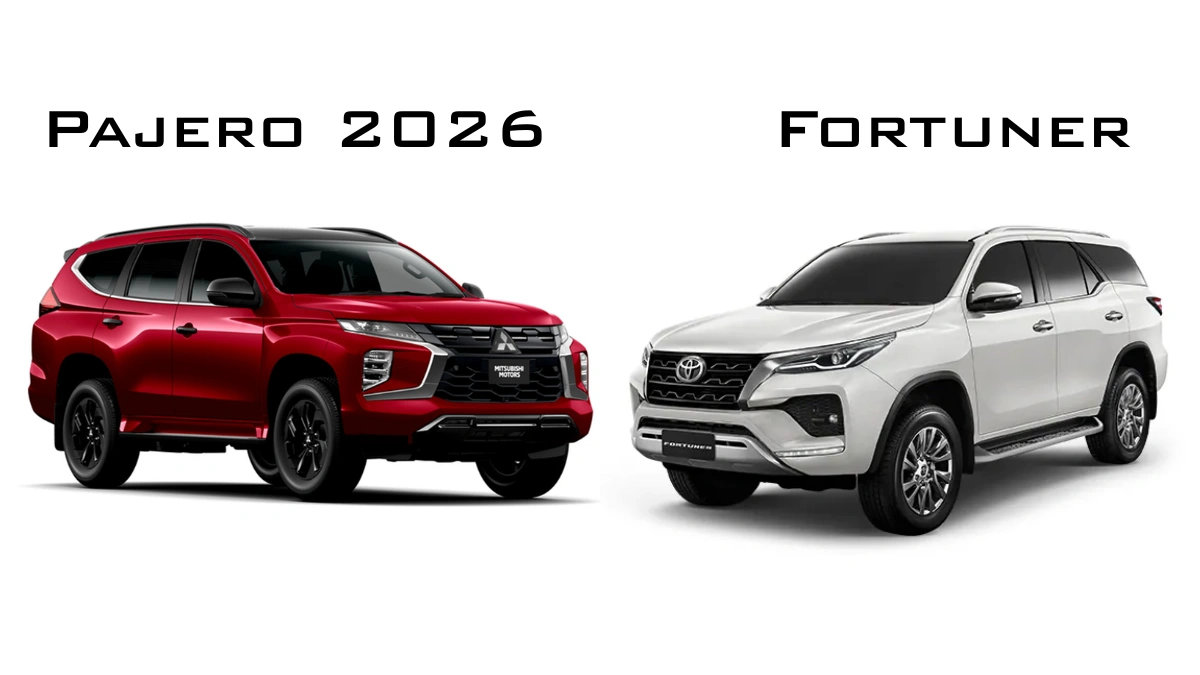
Pajero 2026 vs Fortuner: Which SUV Could Be Better?
Volvo EX90 Booking Price: Expected Booking Amount, EMI & Loan Calculation
Next Generation Tata Nexon 2027: Expected Launch, Price, Design & Features
MG Hector Tomahawk EV Variant-Wise Price & Features Comparison
Maruti Baleno Facelift vs Toyota Glanza: Complete Comparision