Tata vs Maruti vs Hyundai: Who’s Winning the Auto Race?
- Cars
- Published: 14 Jan, 2026
Book a Test Drive
Free doorstep test drive at your convenience
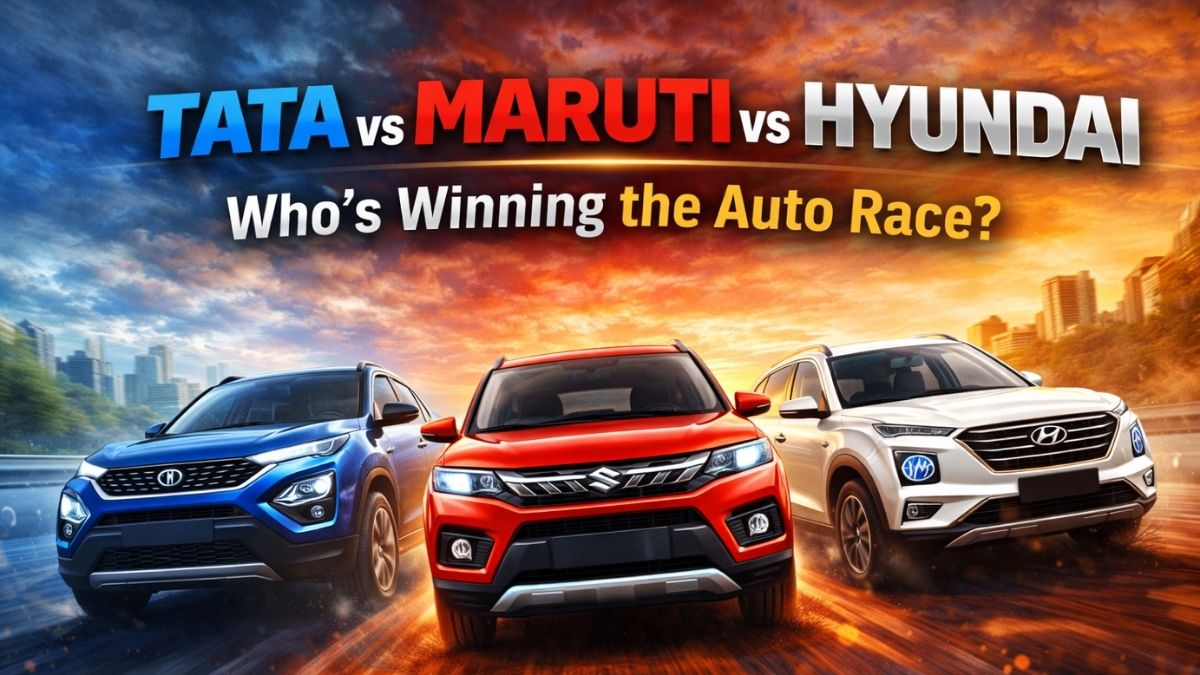
India’s automobile market is one of the most competitive in the world, and three brands dominate the conversation—Tata Motors, Maruti Suzuki, and Hyundai. Each represents a distinct philosophy: Tata is known for safety and innovation, Maruti for reliability and affordability, and Hyundai for premium features and modern design. This intense rivalry has shaped buying decisions for millions of Indians.
So the big question remains: Tata vs Maruti vs Hyundai: Who’s winning the auto race? The answer depends on what today’s consumers value most—price, safety, features, or future-ready technology.
The Indian Auto Market at a Glance
India’s passenger vehicle market has evolved rapidly. Buyers are more informed, more safety-conscious, and more aspirational than ever before. Hatchbacks once dominated, but today SUVs, connected technology, and electric vehicles are driving growth. In this changing environment, Tata, Maruti, and Hyundai are constantly adapting their strategies to stay ahead.
Each brand targets a wide audience, from first-time buyers to premium SUV and EV customers. However, their strengths differ significantly.
Maruti Suzuki: The Undisputed Mass Leader
For decades, Maruti Suzuki has been synonymous with the Indian car market. It leads in sales volume, dealership reach, and service network.
Strengths
Maruti’s biggest advantage is affordability and trust. Its cars are known for low maintenance, high fuel efficiency, and excellent resale value. Models like Alto, Swift, Baleno, Dzire, and Brezza consistently rank among the top sellers. The brand’s massive service network ensures easy ownership even in small towns and rural areas.
Challenges
Where Maruti has struggled in recent years is safety perception and premium appeal. Although the company is improving build quality and adding features, many buyers now look for stronger safety ratings and more advanced technology, areas where competitors are gaining ground.
Hyundai: The Feature-Rich Innovator
Hyundai has carved a strong position in India by offering modern design, premium interiors, and advanced technology at competitive prices.
Strengths
Hyundai excels in design and features. Its cars often introduce first-in-segment technology, from touchscreen infotainment systems to connected car features. Models like Creta, Venue, i20, and Verna are known for their comfort, refined engines, and urban appeal. Hyundai also maintains a strong service network, second only to Maruti.
Challenges
Hyundai’s vehicles are slightly more expensive to maintain than Maruti’s, and its resale value, though decent, does not always match Maruti’s. Additionally, while Hyundai offers good safety features, it doesn’t market safety as aggressively as Tata.
Tata Motors: The Safety-First Challenger
Once considered a budget-focused brand, Tata Motors has reinvented itself. Today, it is one of the strongest challengers in India’s auto race.
Strengths
Tata’s biggest win is safety and build quality. Models like Nexon, Punch, Altroz, and Harrier have scored high in Global NCAP crash tests, making Tata the go-to brand for safety-conscious buyers. Tata is also leading India’s EV revolution with vehicles like Nexon EV and Tiago EV, positioning itself as a future-ready manufacturer.
Challenges
Tata still faces challenges in after-sales consistency and long-term reliability perception. While quality has improved significantly, some buyers remain cautious due to past experiences with service and fit-finish issues.
Sales, Market Share, and Brand Momentum
When it comes to sheer numbers, Maruti Suzuki still dominates the Indian market. Its wide portfolio and mass appeal keep it ahead in volume.
However, momentum tells a different story. Hyundai maintains a strong second position, particularly in the premium hatchback and mid-size SUV segments. Meanwhile, Tata has shown the fastest growth in recent years, especially in SUVs and electric vehicles. Tata’s rise reflects changing consumer priorities—safety, build quality, and sustainability now matter more than ever.
Technology, EVs, and the Future
The future of the auto industry is being shaped by electrification, connectivity, and advanced safety systems.
- Tata Motors currently leads India’s EV market, offering the widest range of affordable electric cars.
- Hyundai is preparing global EV platforms and advanced hybrid technology, which could strengthen its future lineup.
- Maruti Suzuki is entering the EV space more cautiously, focusing on hybrids first and planning full EVs in the coming years.
In terms of future readiness, Tata appears ahead in EV adoption, Hyundai in technology integration, and Maruti in mass-market scalability.
Why Choose Tata, Maruti, or Hyundai?
Each brand appeals to a different type of buyer:
Choose Maruti Suzuki if you want:
- Low maintenance and high fuel efficiency
- Extensive service network across India
- Excellent resale value and long-term reliability
Choose Hyundai if you want:
- Premium interiors and modern design
- Advanced features and connected technology
- Comfortable driving experience for urban use
Choose Tata Motors if you want:
- Top-notch safety and strong build quality
- A wide range of SUVs and EVs
- A future-focused brand emphasizing sustainability
Your “winner” depends on whether you prioritize cost, comfort, or confidence.
So, Who’s Really Winning the Auto Race?
If we measure success by sales volume, Maruti Suzuki is still the leader. If we consider premium appeal and technology, Hyundai stands strong. But if the race is about future mobility, safety, and electric innovation, Tata Motors is rapidly gaining the upper hand.
In today’s India, the auto race is no longer about selling the most cars alone—it’s about meeting evolving customer expectations. Safety, sustainability, and smart technology are now key deciding factors, and this is where Tata and Hyundai are challenging Maruti’s long-standing dominance.
Conclusion
The debate over “Tata vs Maruti vs Hyundai: Who’s Winning the Auto Race?” has no single answer. Maruti continues to rule in mass-market popularity, Hyundai leads in premium features and design, and Tata is redefining the industry with safety and electric innovation.
Rather than one clear winner, the Indian auto market is benefiting from healthy competition. Buyers now enjoy better cars, improved safety, advanced technology, and more choices than ever before. In the end, the real winner of this race is the Indian customer.
FAQs
1. Which brand sells the most cars in India?
Maruti Suzuki remains the market leader in terms of overall sales and dealership reach.
2. Which brand is safest among Tata, Maruti, and Hyundai?
Tata Motors is widely recognized for safety, with several models scoring high in Global NCAP crash tests.
3. Which brand is best for low maintenance?
Maruti Suzuki is known for its low service costs, affordable spare parts, and wide service network.
4. Who is leading in electric vehicles in India?
Tata Motors currently dominates the Indian EV market with models like Nexon EV, Tiago EV, and Tigor EV.
5. Which brand is best for premium features?
Hyundai is preferred for modern design, advanced infotainment, and feature-rich interiors.
Book a Test Drive
Free doorstep test drive at your convenience
Popular Brands





Latest Car News
Tata Altroz vs Maruti Suzuki Brezza: Which One Should You Buy in 2026?
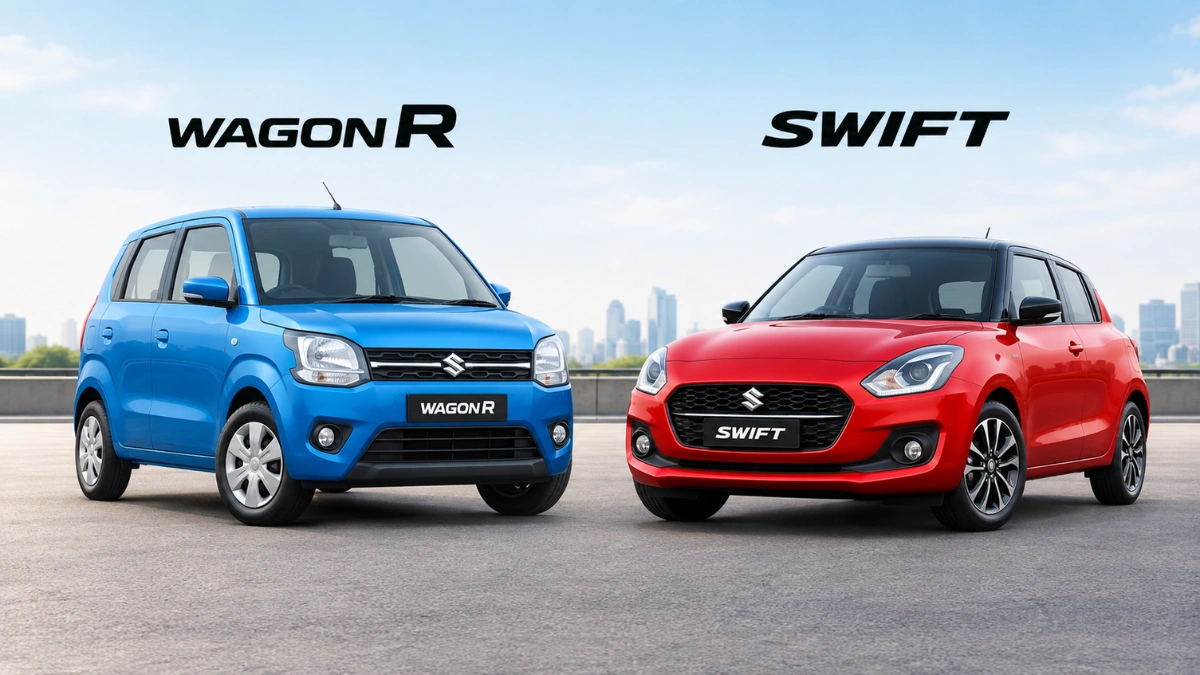
Wagon R vs Swift: Which Is Cheaper to Maintain?
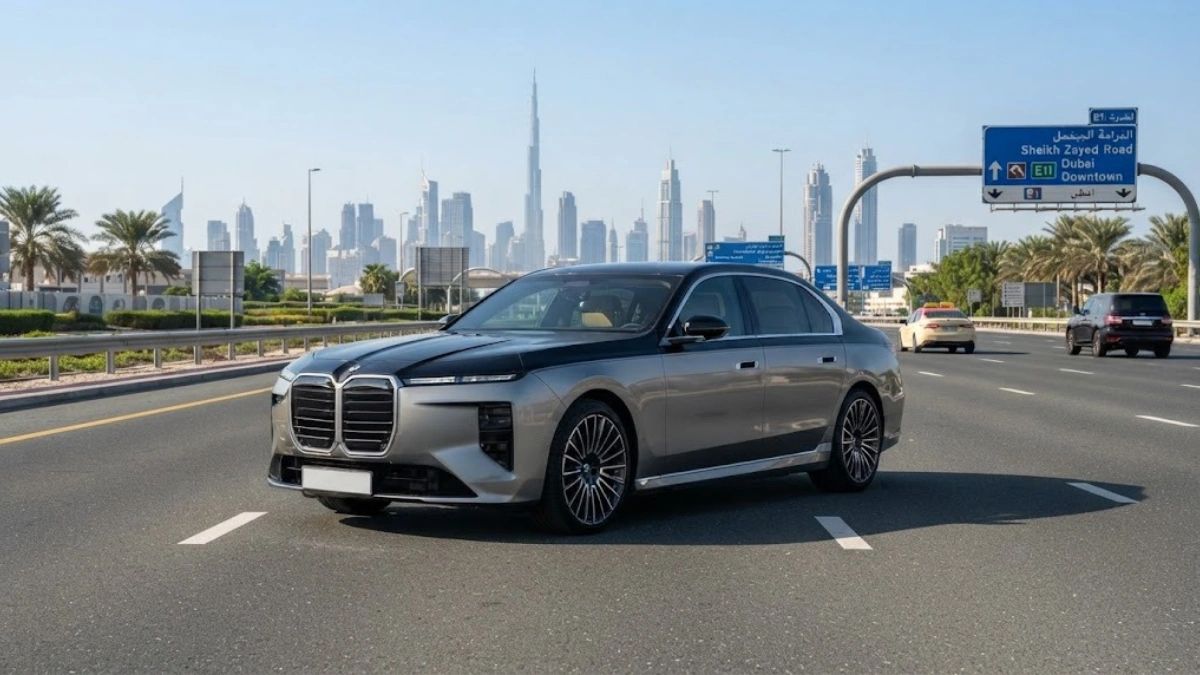
BMW 7 Series Facelift Interior Updates: Know Everything

How to Check Oil Level in Car: Step-by-Step Guide
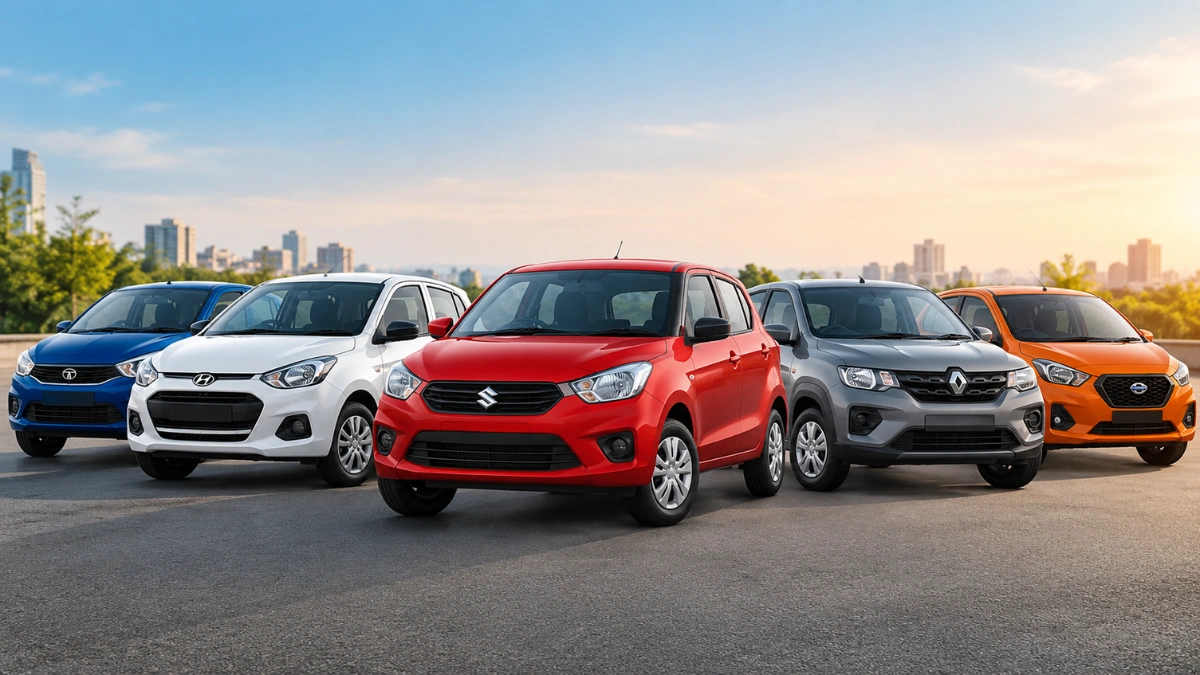
Latest Cars Under ₹5 Lakh in India in September 2026
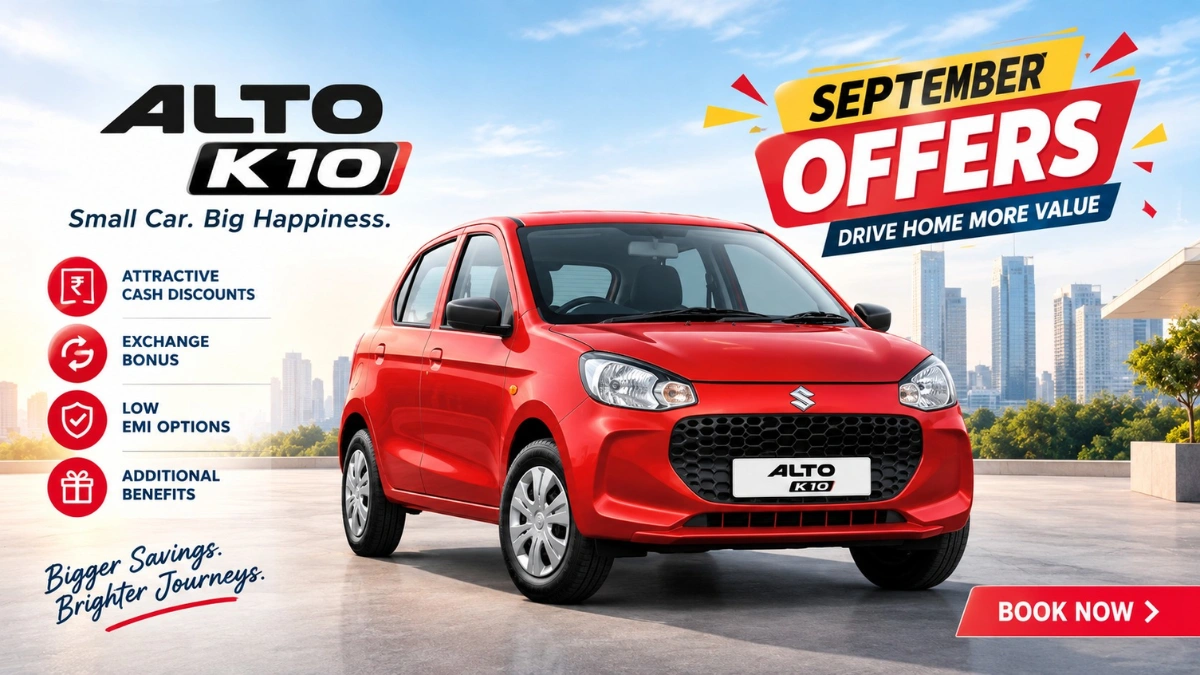
Maruti Alto K10 September Offers: Get Up to ₹62,500 Savings on Purchase
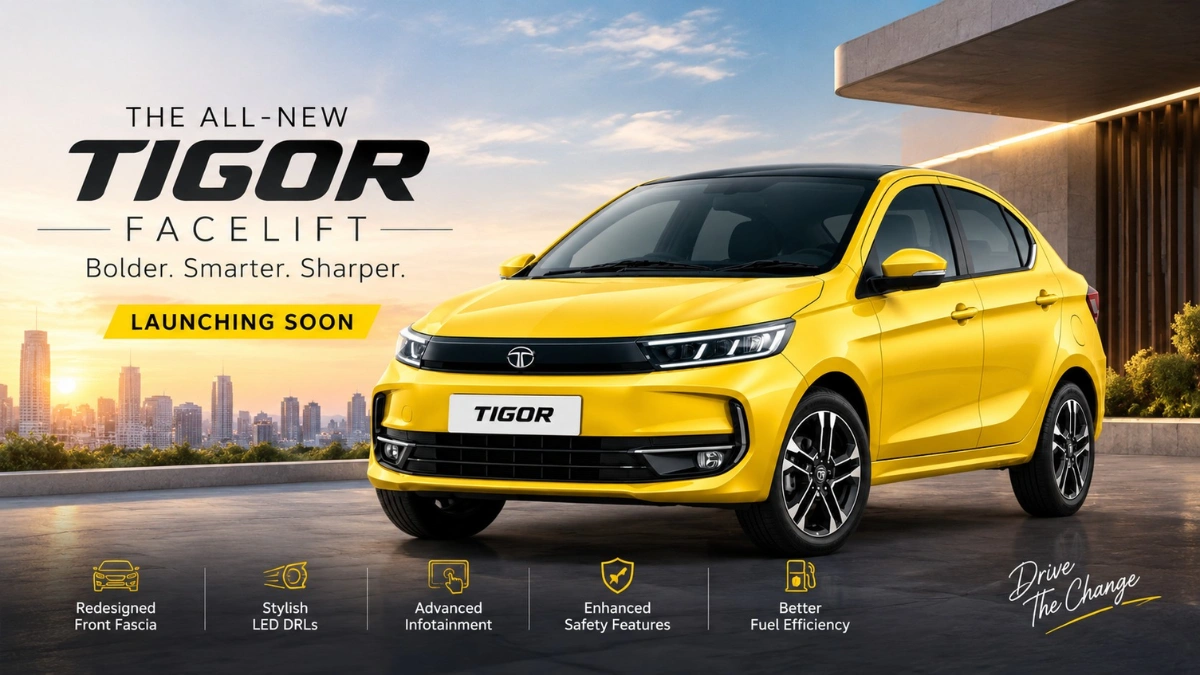
Tata Tigor Facelift Under ₹6 Lakh: A New Budget Sedan Is Coming
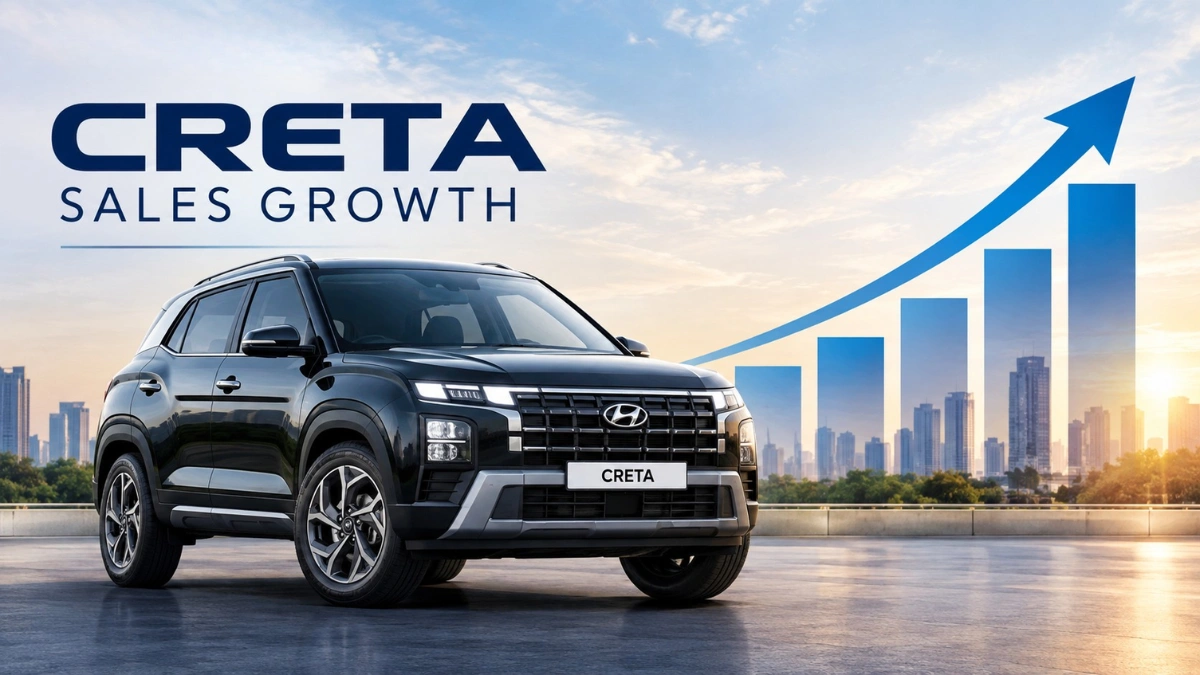
Hyundai Creta August 2026 Sales: With 16,288 Units Becomes India's Best-Selling Mid-Size SUV
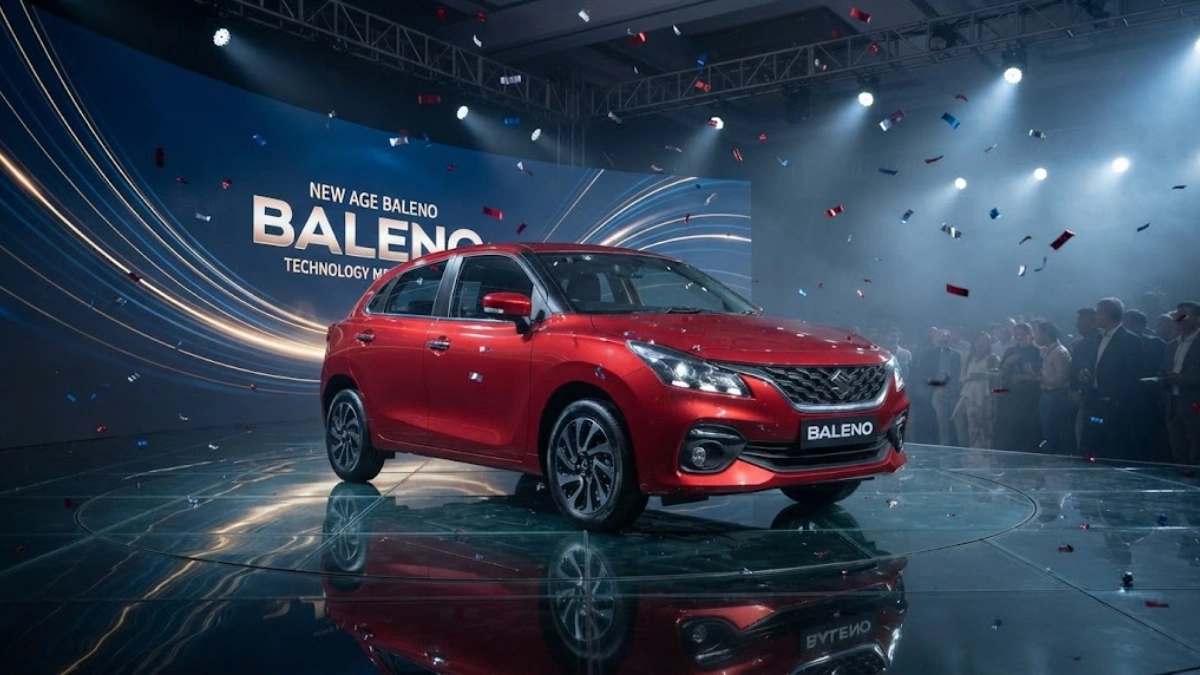
Maruti Baleno Facelift Booking Price: Expected Booking Amount, EMI & Loan Calculation
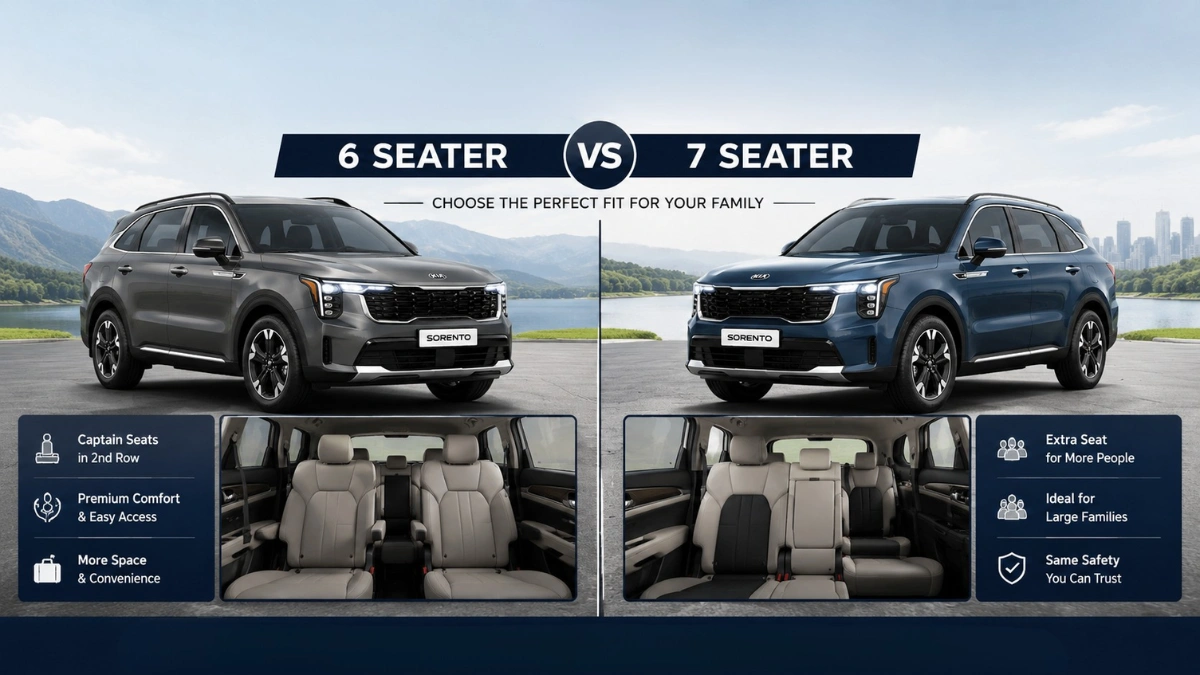
Kia Sorento 6 Seater vs 7 Seater: Which One Should You Choose?
Kia Sorento AI Assistant Explained: Features, Commands, and Indian Language Support
What Is the Difference Between Tata Curvv and New Curvv Series X?
Tata Car Sales August 2026: Model-Wise Sales & Growth Report
Car Sales Report of August 2026: Tata Motors, Maruti, Mahindra Lead Growth
Pajero 2026 vs Fortuner: Which SUV Could Be Better?
Volvo EX90 Booking Price: Expected Booking Amount, EMI & Loan Calculation
Next Generation Tata Nexon 2027: Expected Launch, Price, Design & Features
MG Hector Tomahawk EV Variant-Wise Price & Features Comparison
Maruti Baleno Facelift vs Toyota Glanza: Complete Comparision
Upcoming Cars in September 2026 in India: New Cars, Launch Dates & Expected Prices