Budget Car, Luxury Feel: The New Facelift Trend Explained
- Cars
- Published: 14 Jan, 2026
Book a Test Drive
Free doorstep test drive at your convenience
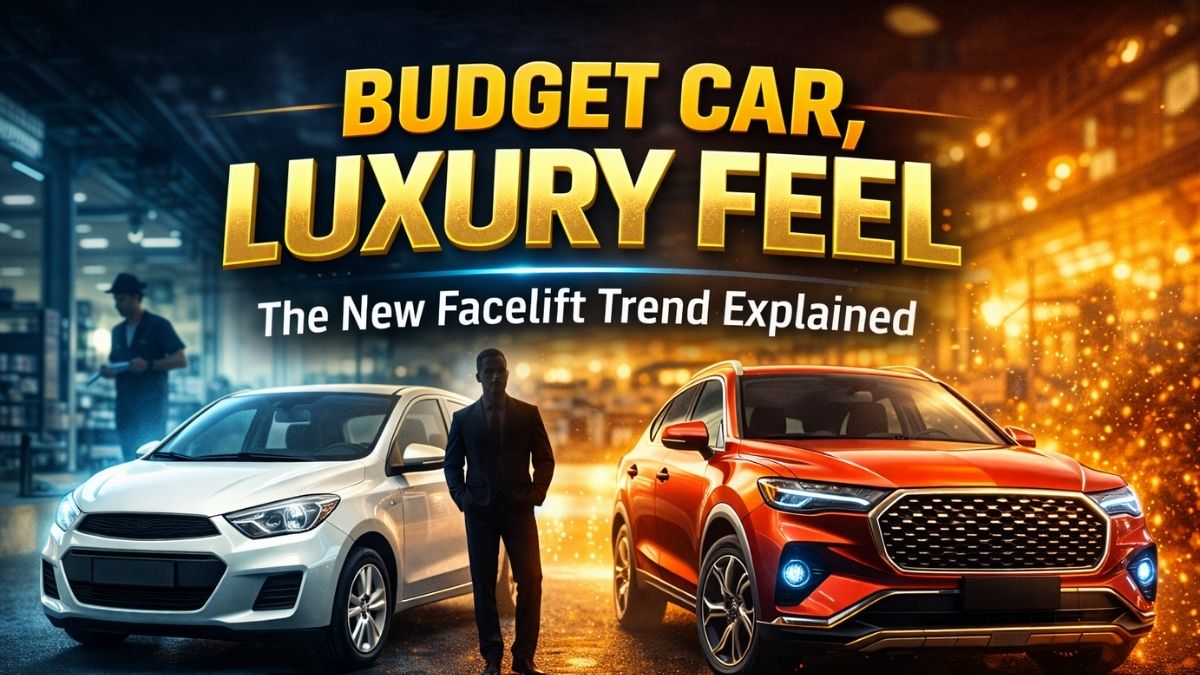
The automotive world is changing faster than ever, and one of the most exciting shifts is how affordable cars are beginning to look and feel premium. From sleek LED lighting to plush interiors and high-tech infotainment systems, manufacturers are transforming entry-level vehicles into stylish, feature-packed machines. This growing movement is best described by one phrase: “Budget Car, Luxury Feel: The New Facelift Trend Explained.”
What was once reserved for expensive sedans and SUVs is now available in compact hatchbacks and sub-₹10 lakh cars. But what exactly is driving this trend, and how is it reshaping buyer expectations?
What Is the New Facelift Trend?
In the past, a facelift meant minor cosmetic updates—perhaps a new grille, revised bumpers, or fresh paint options. Today, facelifts go far beyond surface-level changes. Carmakers are redesigning interiors, upgrading technology, enhancing comfort, and even improving safety features, all while keeping prices competitive.
The goal is clear: deliver a luxury-like experience without luxury pricing. This approach is especially popular in budget and mid-range segments, where buyers demand more value for every rupee.
Why Manufacturers Are Embracing “Luxury on a Budget”
1. Changing Customer Expectations
Modern car buyers are well-informed and highly selective. With easy access to online reviews, comparison videos, and social media, customers now expect premium features even in entry-level models. A basic car with bare interiors simply doesn’t excite today’s audience.
2. Fierce Market Competition
The budget car segment is one of the most competitive spaces in the auto industry. To stand out, brands are using facelifts to refresh their models with bold designs and high-end features without completely redesigning the platform.
3. Technology Becoming Affordable
Features like touchscreen infotainment, digital instrument clusters, LED lighting, and connected car technology were once costly. Advancements in manufacturing and economies of scale have made these technologies cheaper, enabling their inclusion in budget cars.
4. Urban Lifestyle Influence
As cities grow and commuting becomes a daily routine, buyers want comfort, convenience, and style—even in their first car. The facelift trend caters directly to this lifestyle shift.
How Budget Cars Are Getting a Luxury Feel
Premium Exterior Design
New facelifts bring sharper body lines, chrome accents, sportier alloy wheels, and signature LED headlamps and DRLs. Cars that once looked simple now carry a bold road presence, often inspired by high-end SUVs and sedans.
Upgraded Interiors
Soft-touch materials, dual-tone dashboards, leatherette seats, ambient lighting, and improved cabin layouts are now common in budget segments. The aim is to make the cabin feel upscale the moment you step inside.
High-Tech Features
Touchscreen infotainment with Android Auto and Apple CarPlay, wireless charging, digital instrument clusters, voice commands, and connected car apps are redefining the entry-level experience.
Improved Safety
Facelifts increasingly focus on safety. Features like multiple airbags, ABS with EBD, electronic stability control, rear cameras, parking sensors, and ADAS elements in some models give budget buyers peace of mind once associated only with premium cars.
Enhanced Ride and Comfort
Suspension tuning, noise insulation, better seats, and refined engines are also part of modern facelifts, delivering a smoother, more premium driving experience.
The Impact on Car Buyers
For consumers, this trend is a game-changer. A buyer no longer has to stretch their budget to enjoy stylish design or advanced technology. First-time car owners, young professionals, and small families can now access comfort and features that were once considered “luxury.”
Additionally, resale value improves when cars look modern and come equipped with popular features. A well-facelifted model often stays relevant longer in the used-car market.
Why Choose Budget Cars with a Luxury Feel?
Choosing a budget car with a premium facelift offers the perfect balance between affordability and sophistication:
- Maximum Value for Money: You get high-end features without paying luxury-brand prices.
- Modern Styling: Updated design ensures your car looks fresh and fashionable for years.
- Better Comfort: Improved interiors, seats, and suspension enhance everyday driving.
- Advanced Technology: Smart infotainment, connectivity, and safety features elevate the experience.
- Lower Ownership Costs: Budget cars still offer economical maintenance, fuel efficiency, and affordable parts.
For buyers who want style, technology, and comfort without financial strain, this new trend delivers the best of both worlds.
Are There Any Downsides?
While the facelift trend is largely positive, it does come with a few considerations:
- Feature Overload: Some budget cars may feel complex with too many digital controls.
- Minor Price Increases: Premium additions can slightly raise the price, though still within budget categories.
- Brand Perception: Even with luxury-like features, budget cars may not carry the prestige of premium brands for status-focused buyers.
However, for most practical consumers, these trade-offs are minimal compared to the benefits.
The Future of the Facelift Trend
Looking ahead, the line between budget and luxury cars will continue to blur. With EVs, hybrid technology, and digital integration becoming mainstream, even entry-level vehicles will offer experiences once unimaginable at lower price points.
Manufacturers are likely to focus more on personalization, interior design innovation, and AI-powered infotainment systems. The idea of “affordable luxury” is no longer a marketing slogan—it’s becoming the industry standard.
Conclusion
The concept behind “Budget Car, Luxury Feel: The New Facelift Trend Explained” reflects a major transformation in the automotive world. Today’s budget cars are no longer just basic transport tools; they are stylish, comfortable, tech-savvy machines designed to deliver a premium experience at an affordable cost.
This trend benefits both manufacturers and consumers—brands stay competitive, and buyers enjoy better value for their money. As technology becomes cheaper and design continues to evolve, the future of budget cars looks smarter, more elegant, and undeniably luxurious.
FAQs
1. What does a car facelift usually include?
A facelift typically updates exterior design, interior features, infotainment systems, safety technology, and sometimes engine refinement.
2. Are budget cars with luxury features reliable?
Yes. Most features are adapted from higher segments and undergo extensive testing. Reliability depends on brand quality and maintenance.
3. Do facelifts increase the price significantly?
Prices may rise slightly due to added features, but they usually remain within the same segment and still offer strong value.
4. Is it better to buy a facelifted model or an older version?
Facelifted models offer updated design, better technology, and improved safety, making them a smarter long-term choice.
5. Will this trend continue in the future?
Absolutely. As competition grows and technology becomes more affordable, luxury features in budget cars will become even more common.
Book a Test Drive
Free doorstep test drive at your convenience
Popular Brands





Latest Car News
Tata Altroz vs Maruti Suzuki Brezza: Which One Should You Buy in 2026?
Wagon R vs Swift: Which Is Cheaper to Maintain?
BMW 7 Series Facelift Interior Updates: Know Everything

How to Check Oil Level in Car: Step-by-Step Guide
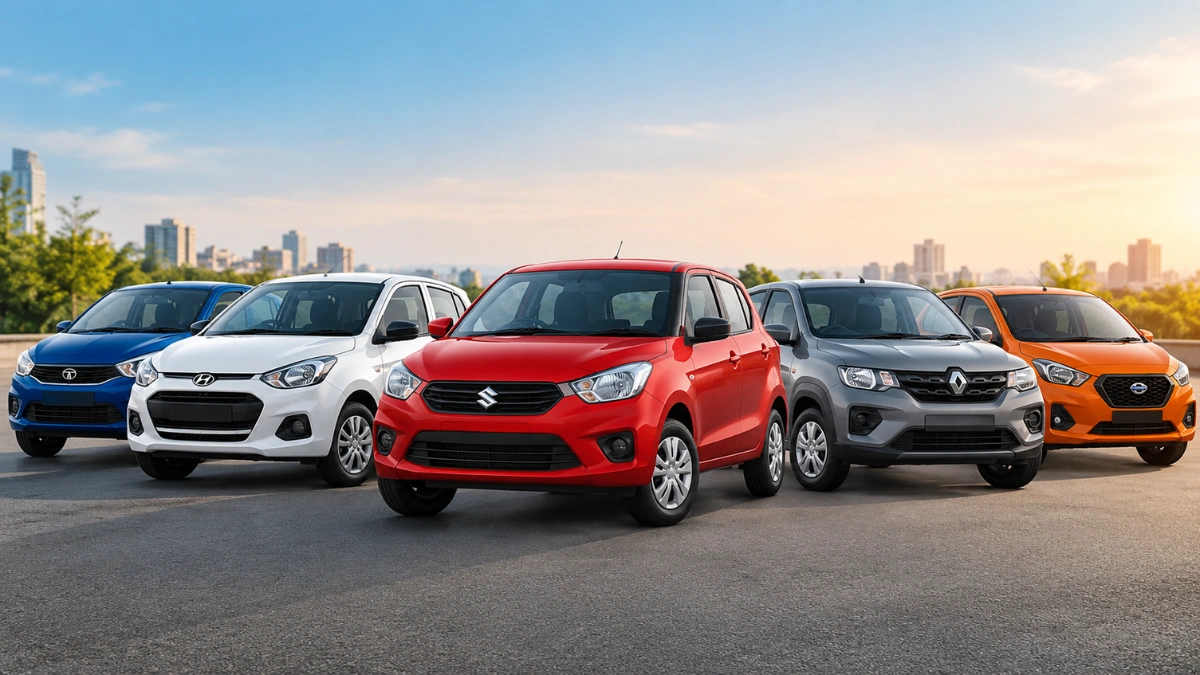
Latest Cars Under ₹5 Lakh in India in September 2026
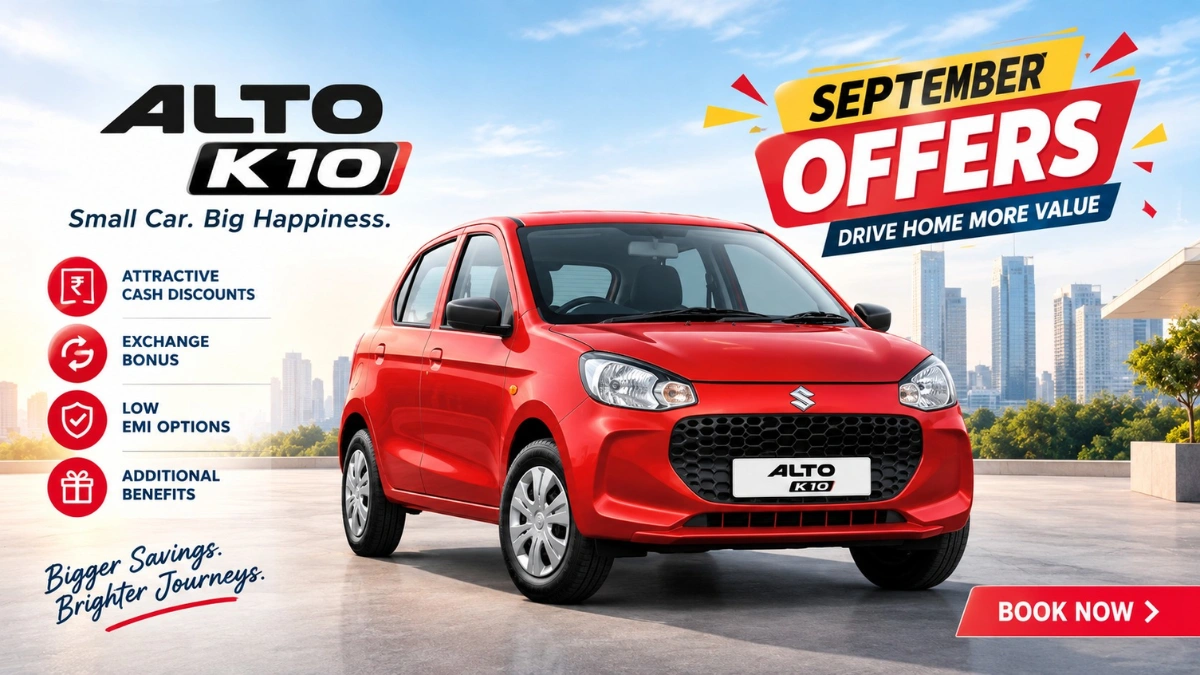
Maruti Alto K10 September Offers: Get Up to ₹62,500 Savings on Purchase
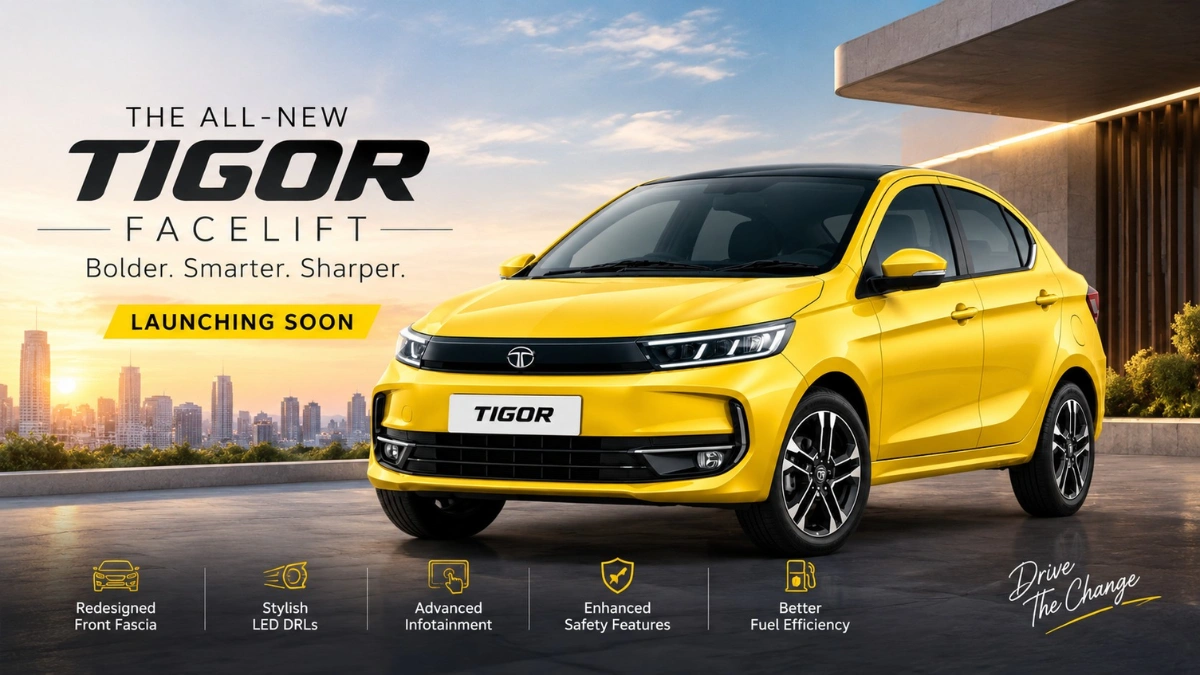
Tata Tigor Facelift Under ₹6 Lakh: A New Budget Sedan Is Coming
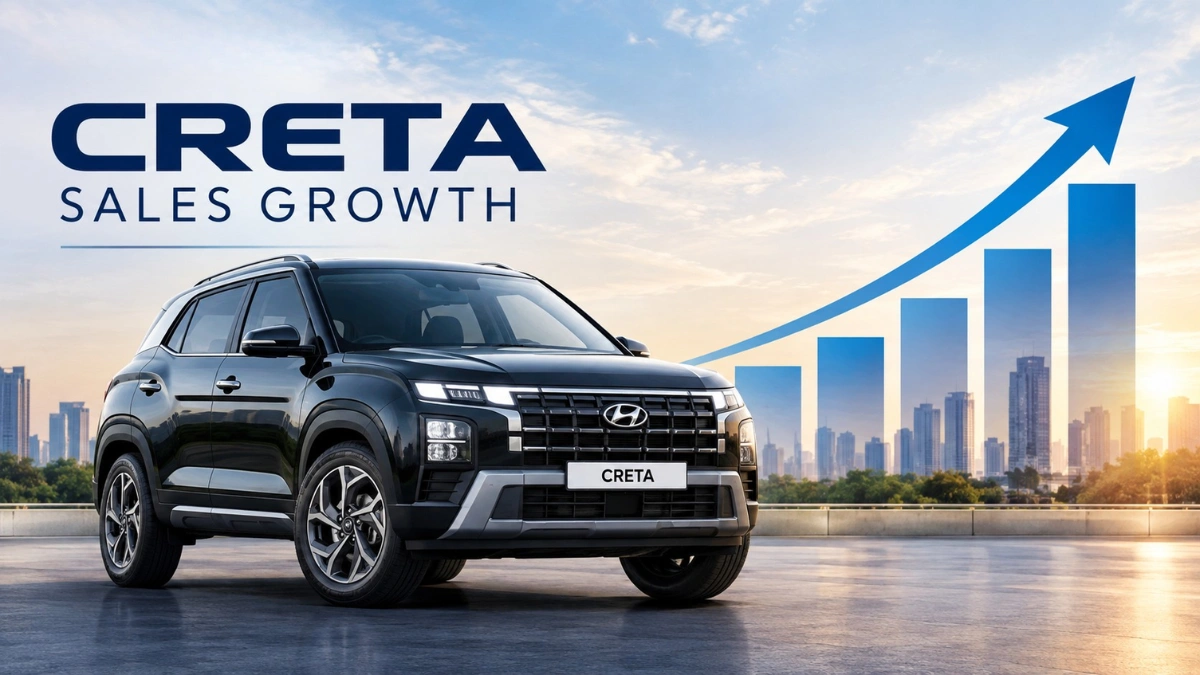
Hyundai Creta August 2026 Sales: With 16,288 Units Becomes India's Best-Selling Mid-Size SUV
Maruti Baleno Facelift Booking Price: Expected Booking Amount, EMI & Loan Calculation
Kia Sorento 6 Seater vs 7 Seater: Which One Should You Choose?
Kia Sorento AI Assistant Explained: Features, Commands, and Indian Language Support
What Is the Difference Between Tata Curvv and New Curvv Series X?
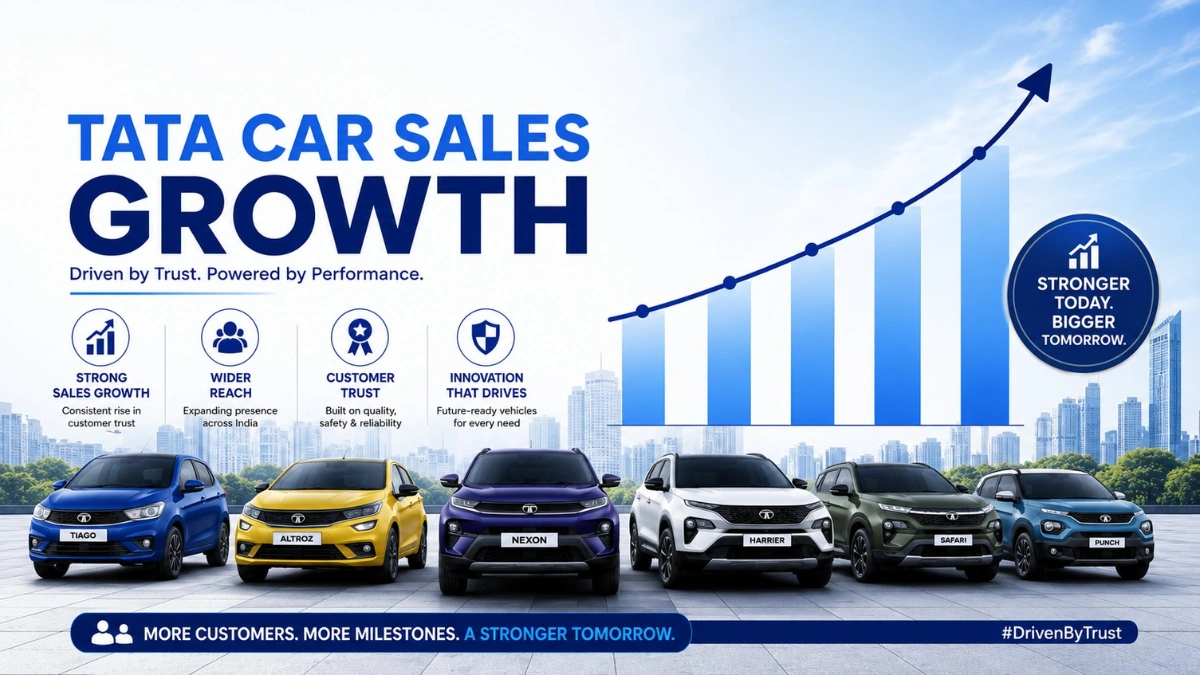
Tata Car Sales August 2026: Model-Wise Sales & Growth Report
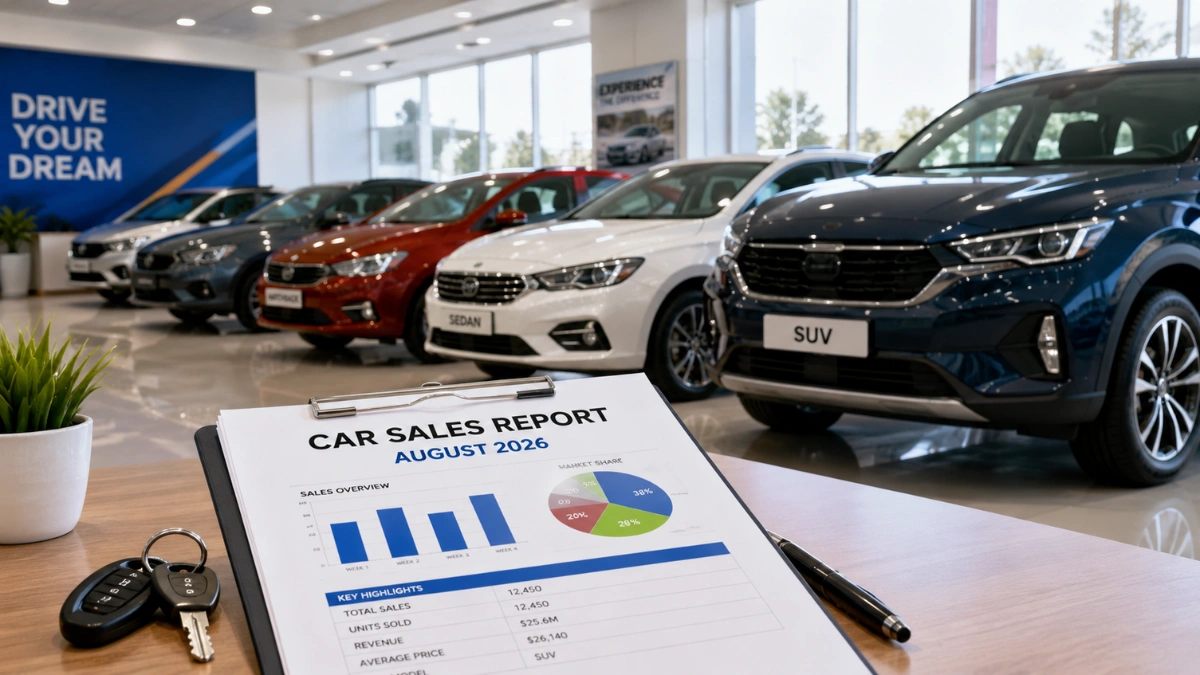
Car Sales Report of August 2026: Tata Motors, Maruti, Mahindra Lead Growth
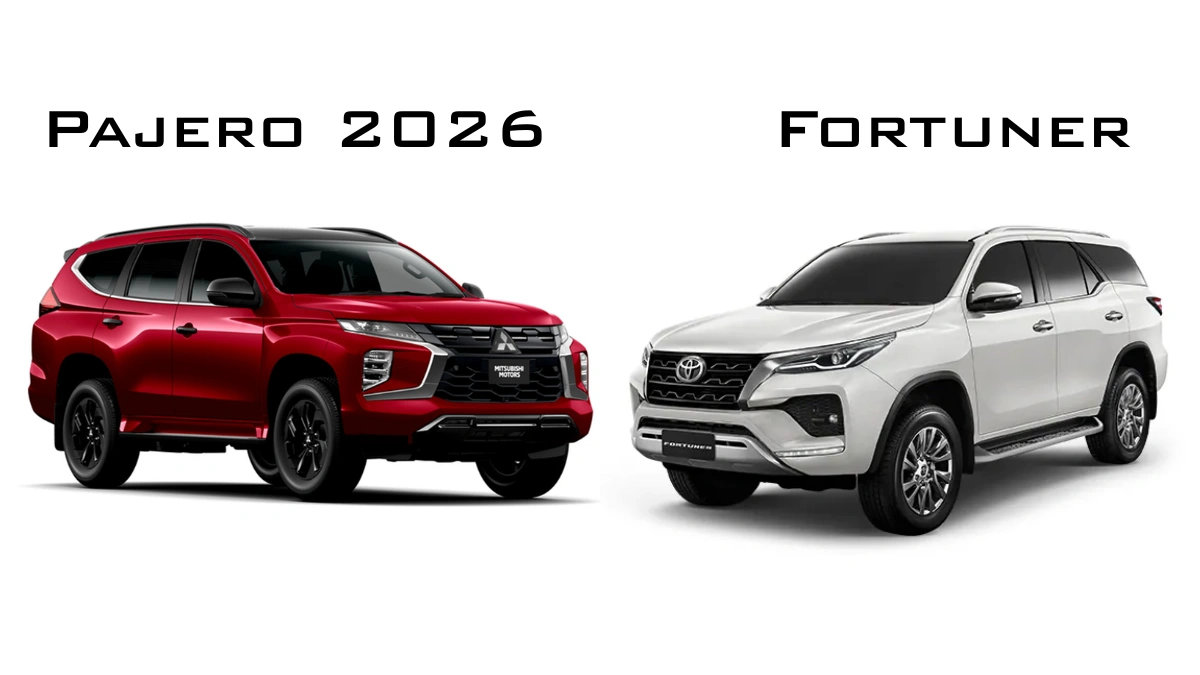
Pajero 2026 vs Fortuner: Which SUV Could Be Better?
Volvo EX90 Booking Price: Expected Booking Amount, EMI & Loan Calculation
Next Generation Tata Nexon 2027: Expected Launch, Price, Design & Features
MG Hector Tomahawk EV Variant-Wise Price & Features Comparison
Maruti Baleno Facelift vs Toyota Glanza: Complete Comparision
Upcoming Cars in September 2026 in India: New Cars, Launch Dates & Expected Prices