India to need 300 GWh batteries for e-mobility by 2030
- Cars
- Published: 21 Jan, 2025
- Updated: 05 May, 2025
Book a Test Drive
Free doorstep test drive at your convenience
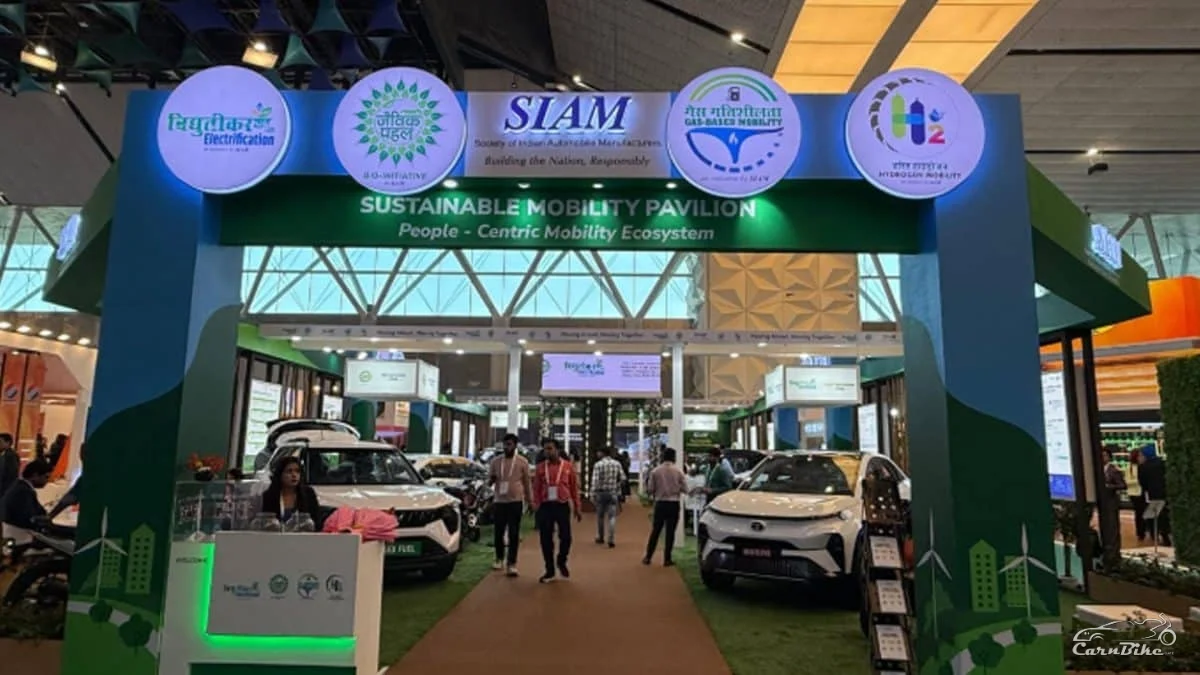
India is rapidly moving toward a greener and more sustainable future, with the automotive industry at the heart of this transformation. By 2030, the country is projected to need a staggering 300 GWh (Gigawatt Hours) of batteries to meet the growing demand for electric vehicles (EVs). This shift to e-mobility is not just a technological change but also a significant step toward reducing carbon emissions and dependency on fossil fuels. Here’s everything you need to know about India’s upcoming battery demand and what it means for the future of e-mobility.
Why 300 GWh? The Growing Demand for Batteries
The Indian government has set ambitious targets for EV adoption as part of its commitment to achieving net-zero emissions by 2070. The 300 GWh battery requirement stems from the expected surge in electric vehicle production, which will be driven by:
- Government Policies & Incentives
The Indian government is offering incentives to encourage the adoption of electric vehicles. With the FAME II scheme (Faster Adoption and Manufacturing of Hybrid and Electric Vehicles) and other state-level subsidies, the push for EVs is gaining momentum. - Rising Consumer Demand for EVs
As awareness grows about environmental concerns and the long-term benefits of EVs, Indian consumers are increasingly looking for electric options. This demand is expected to rise exponentially over the next decade. - Fleets & Commercial Applications
With the increasing number of electric buses, trucks, and two-wheelers being deployed across India, the need for large battery capacities is also growing. These vehicles require reliable, high-capacity batteries to operate efficiently.
What Does 300 GWh Mean for India?
To put the numbers into perspective, India will need to produce a vast amount of batteries to support the 300 GWh requirement. Here’s why it’s a game-changer:
- Massive Infrastructure Development
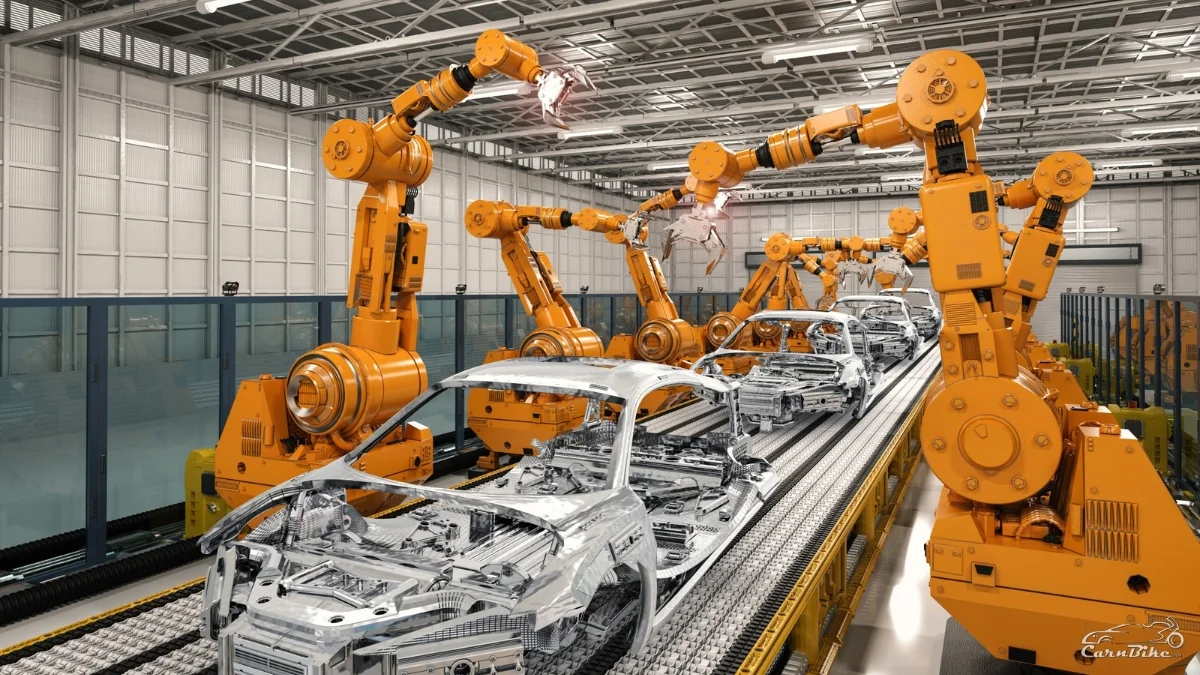
India will need to build a robust domestic battery manufacturing ecosystem. This means increasing investments in manufacturing plants, technology development, and supply chains for raw materials like lithium, cobalt, and nickel. The focus will be on reducing reliance on imports and ensuring sustainable battery production within the country. - Impact on EV Production
The 300 GWh battery capacity will directly impact the production of electric vehicles. With more batteries available, manufacturers can ramp up production of EVs, ensuring that more vehicles are available to meet the growing demand. - Energy Storage Solutions
Batteries are not just important for EVs but also for renewable energy storage solutions. As India pushes for more renewable energy, such as solar and wind, large-scale battery storage will play a vital role in stabilizing the grid and ensuring energy is available when needed.
You May Read Also: Evolution of Indian-Made Cars: A Journey of Innovation and Growth
Challenges India Will Face in Meeting the 300 GWh Target
- Battery Manufacturing Capacity
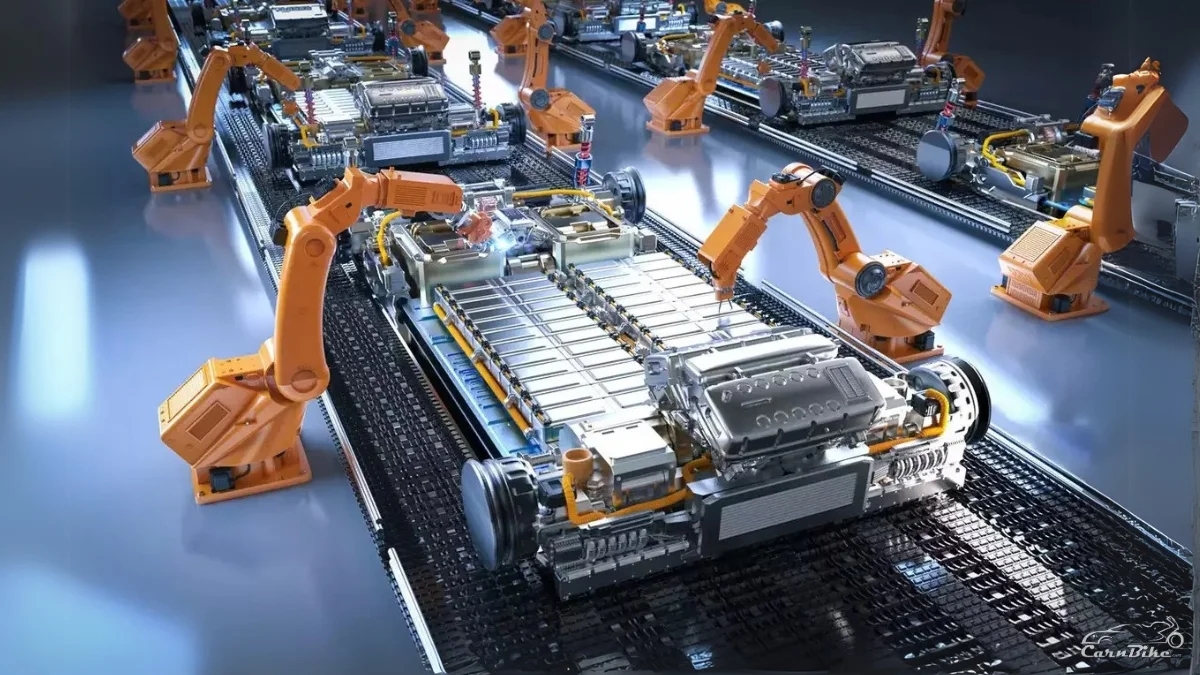
India currently faces limitations in domestic battery manufacturing. To meet the 300 GWh demand, the country will need to ramp up local production capacity significantly. This includes addressing challenges in building gigafactories and ensuring they operate efficiently. - Raw Material Supply
A key challenge in battery manufacturing is sourcing the raw materials required for high-capacity batteries. India will need to secure a steady and sustainable supply of materials like lithium, cobalt, and nickel. It’s expected that collaborations with international partners and domestic mining ventures will play a major role here. - Recycling Infrastructure
As EV adoption grows, there will be an increasing need for recycling old batteries. Establishing an efficient battery recycling ecosystem is crucial for minimizing environmental impact and ensuring the reuse of valuable materials.
Opportunities for Growth
Despite the challenges, India has several opportunities to become a global leader in the electric mobility and battery manufacturing sector:
- Investment in Research & Development
India’s technological and innovation ecosystem can play a pivotal role in advancing battery technologies. From better energy densities to quicker charging times, investing in R&D will be key to making EVs more affordable and efficient. - Job Creation
The shift to e-mobility and battery manufacturing will create a massive demand for skilled labor. From engineers to technicians, India can harness the potential for job creation within the green economy. - Global Battery Export Hub
As India develops its battery production capabilities, there’s potential to become a key supplier to global markets, particularly in developing countries seeking affordable, sustainable solutions for their transportation needs.
India’s need for 300 GWh of batteries by 2030 marks a crucial point in the country's journey toward a sustainable future. With the right investments in infrastructure, technology, and raw materials, India is well-positioned to meet this demand and emerge as a global leader in the electric mobility space. This shift toward e-mobility will not only revolutionize transportation but also create opportunities in manufacturing, job creation, and sustainable energy solutions.
Book a Test Drive
Free doorstep test drive at your convenience
Popular Brands





Latest Car News
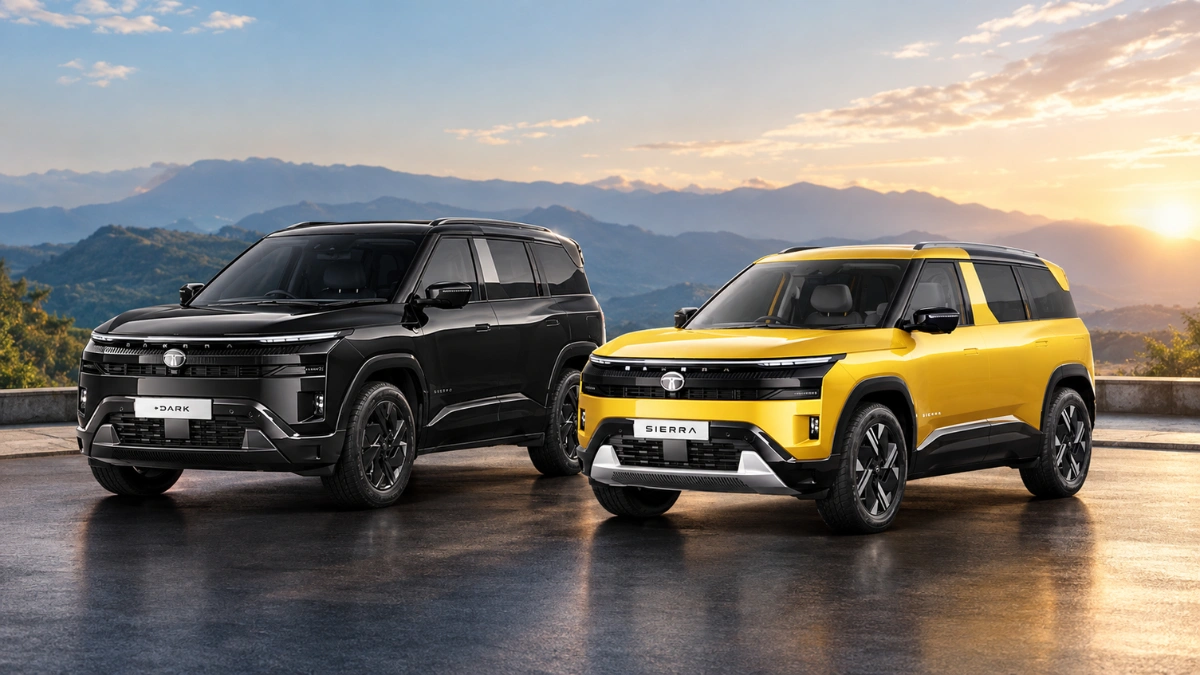
Tata Sierra Dark Edition vs Regular Sierra: What Is Different?
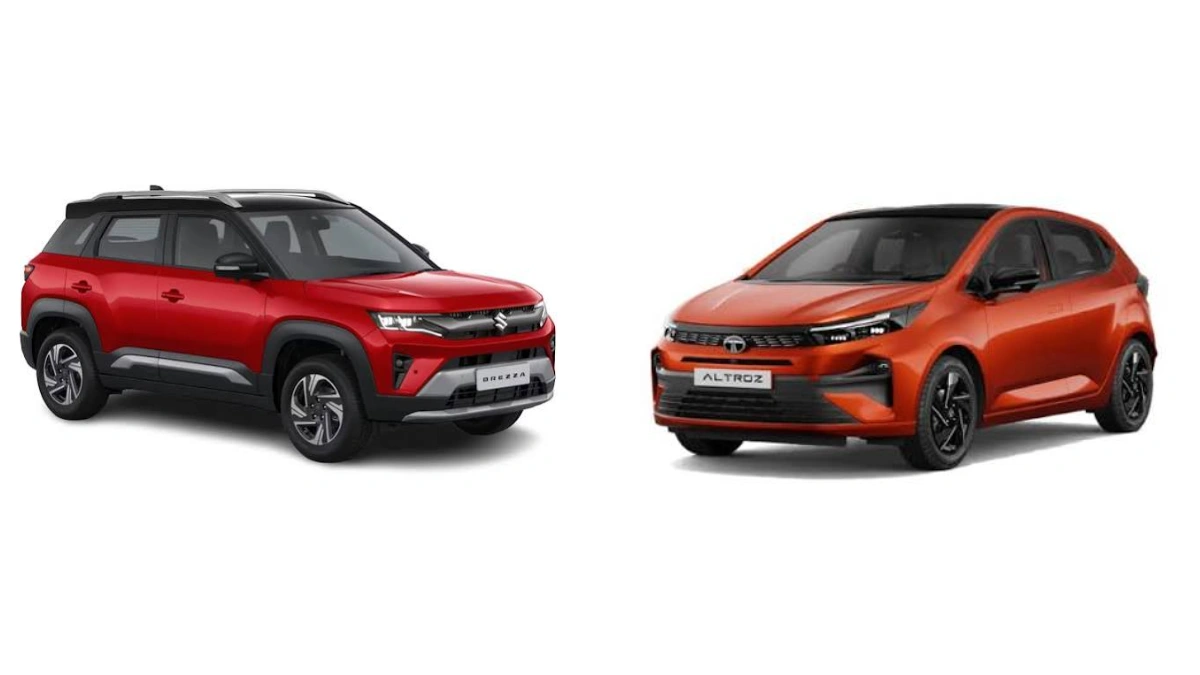
Tata Altroz vs Maruti Suzuki Brezza: Which One Should You Buy in 2026?
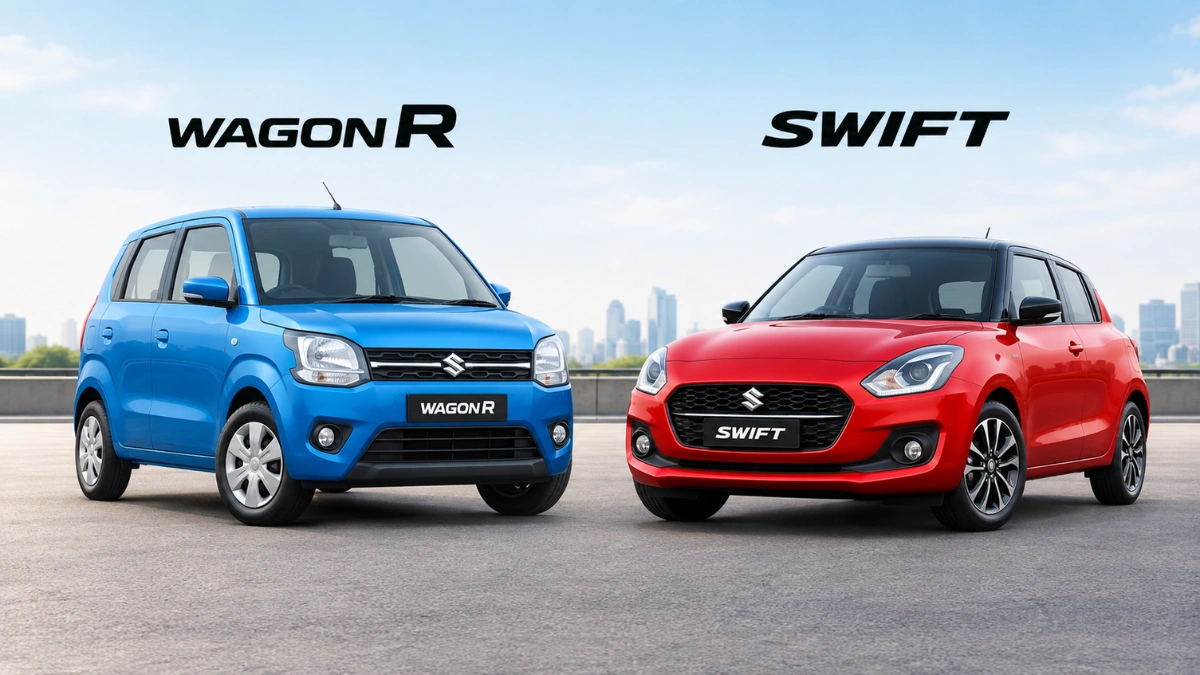
Wagon R vs Swift: Which Is Cheaper to Maintain?
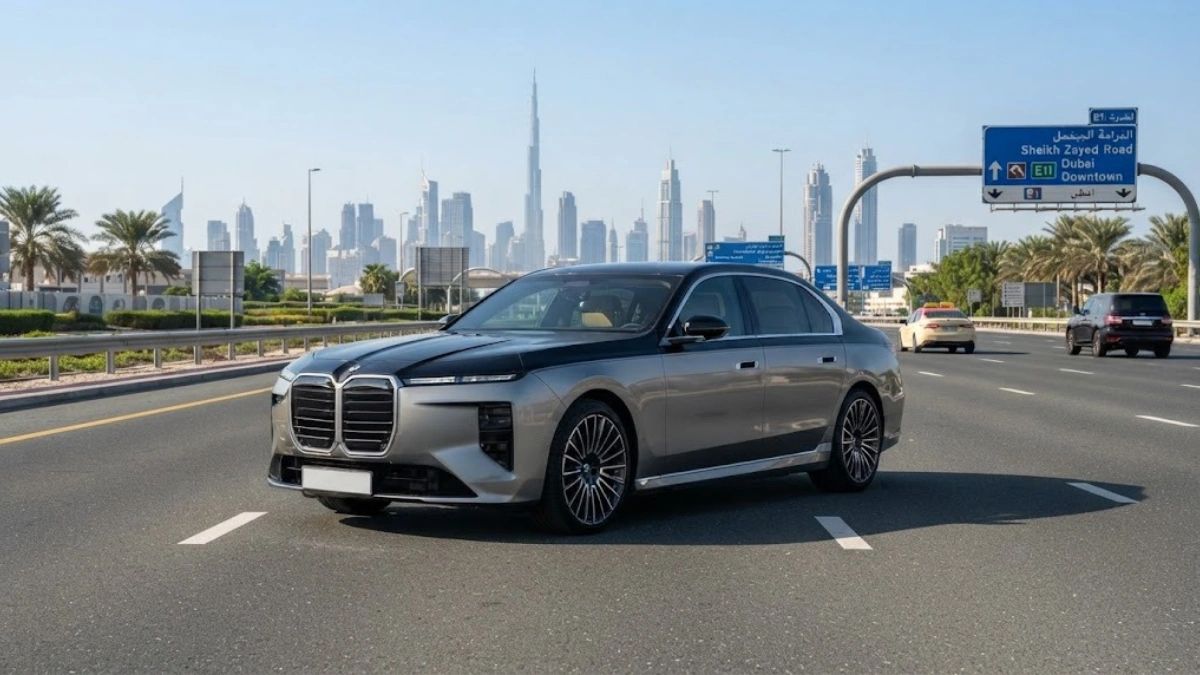
BMW 7 Series Facelift Interior Updates: Know Everything

How to Check Oil Level in Car: Step-by-Step Guide
Latest Cars Under ₹5 Lakh in India in September 2026

Maruti Alto K10 September Offers: Get Up to ₹62,500 Savings on Purchase
Tata Tigor Facelift Under ₹6 Lakh: A New Budget Sedan Is Coming
Hyundai Creta August 2026 Sales: With 16,288 Units Becomes India's Best-Selling Mid-Size SUV
Maruti Baleno Facelift Booking Price: Expected Booking Amount, EMI & Loan Calculation

Kia Sorento 6 Seater vs 7 Seater: Which One Should You Choose?
Kia Sorento AI Assistant Explained: Features, Commands, and Indian Language Support
What Is the Difference Between Tata Curvv and New Curvv Series X?
Tata Car Sales August 2026: Model-Wise Sales & Growth Report

Car Sales Report of August 2026: Tata Motors, Maruti, Mahindra Lead Growth
Pajero 2026 vs Fortuner: Which SUV Could Be Better?
Volvo EX90 Booking Price: Expected Booking Amount, EMI & Loan Calculation
Next Generation Tata Nexon 2027: Expected Launch, Price, Design & Features
MG Hector Tomahawk EV Variant-Wise Price & Features Comparison
Maruti Baleno Facelift vs Toyota Glanza: Complete Comparision