Electric vs Hybrid vs Petrol: Which Car Technology Will Survive?
- Cars
- Published: 19 Jan, 2026
Book a Test Drive
Free doorstep test drive at your convenience
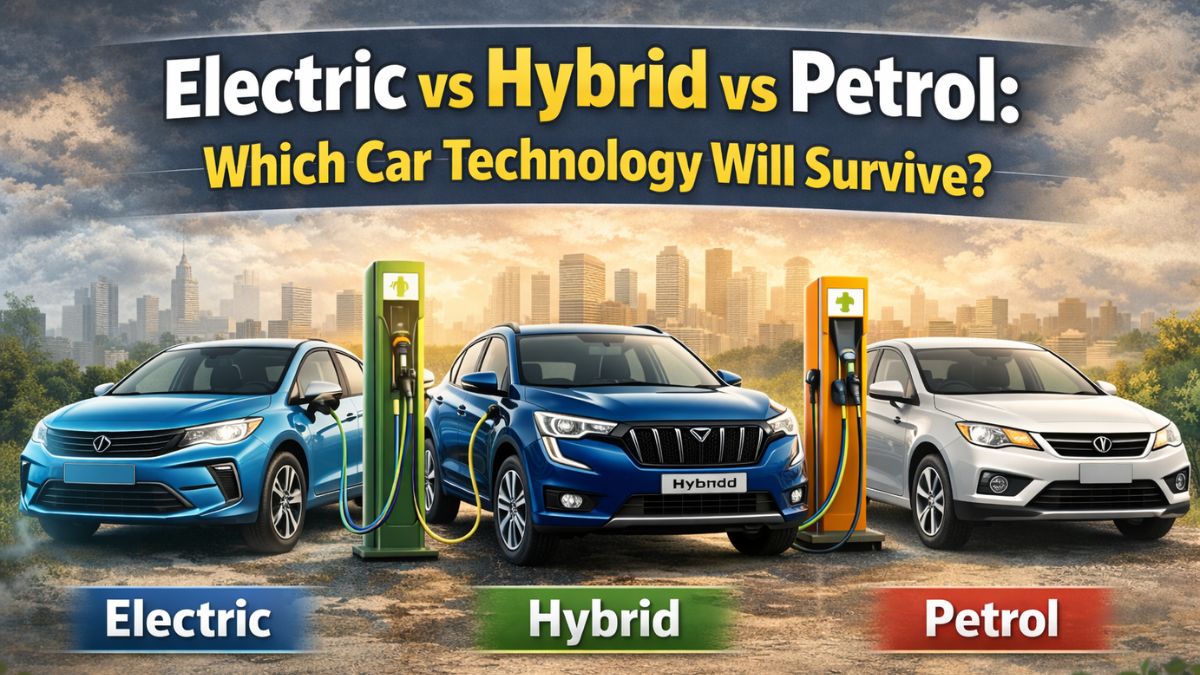
The global automotive industry is undergoing its biggest transformation in over a century. Rising fuel prices, stricter emission norms, and rapid technological advancements have forced buyers to rethink traditional car choices. Today, consumers are often confused between electric cars, hybrid vehicles, and petrol-powered cars. This raises a critical question: Electric vs Hybrid vs Petrol – which car technology will survive in the long run?
To answer this, we must understand how each technology works, its advantages, limitations, and its role in the future of mobility.
Understanding the Three Car Technologies
🔌 Electric Cars (EVs)
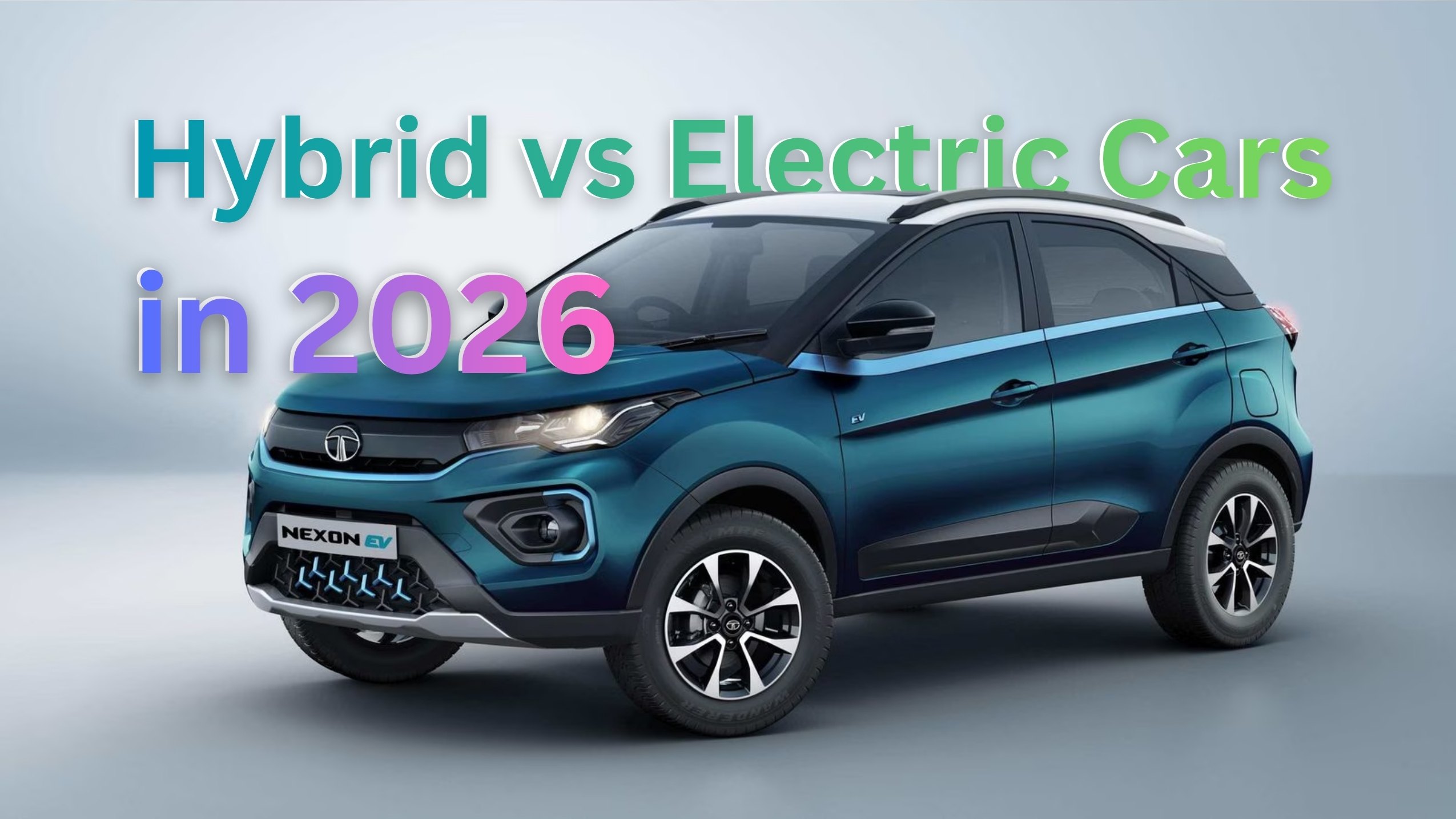
Electric vehicles run entirely on electricity and use large battery packs instead of engines. They produce zero tailpipe emissions, making them the cleanest option available today. EVs are gaining popularity due to lower running costs, silent operation, and government incentives.
However, challenges such as limited charging infrastructure, higher upfront cost, and range anxiety still restrict mass adoption, especially in developing markets.
🔋 Hybrid Cars
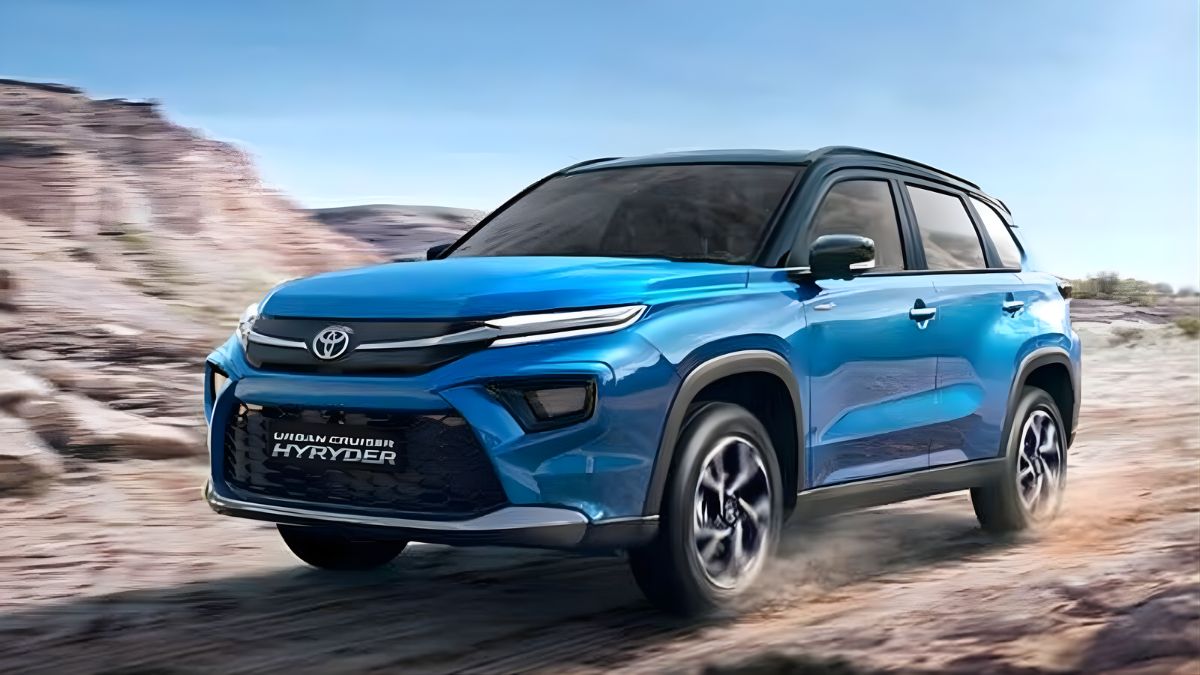
Hybrid cars combine a petrol engine with an electric motor. They automatically switch between electric power and fuel depending on driving conditions. Hybrids offer better fuel efficiency, lower emissions, and no dependency on charging stations.
They act as a middle ground between petrol and electric vehicles, making them suitable for buyers who want efficiency without charging concerns.
⛽ Petrol Cars
Petrol cars have dominated the market for decades. They are affordable, widely available, and supported by a massive fuel and service network. Petrol engines are reliable and easy to maintain, making them a practical choice even today.
However, increasing emission regulations and fuel costs are slowly reducing their long-term appeal.
Comparing Electric, Hybrid, and Petrol Cars
🚗 Cost of Ownership
- Electric cars have the lowest running cost but higher initial prices.
- Hybrid cars balance fuel savings with moderate purchase costs.
- Petrol cars are cheaper upfront but cost more to run over time.
🌱 Environmental Impact
- EVs are the most eco-friendly with zero emissions.
- Hybrids significantly reduce fuel consumption and pollution.
- Petrol cars contribute the most to air pollution and carbon emissions.
🔧 Maintenance & Reliability
- EVs require minimal maintenance due to fewer moving parts.
- Hybrids have slightly higher maintenance due to dual systems.
- Petrol cars need regular servicing and engine maintenance.
🔌 Infrastructure Readiness
- Petrol cars enjoy the strongest infrastructure.
- Hybrids do not rely on charging networks.
- EV infrastructure is improving but still developing in many regions.
Market Trends and Government Policies
Governments worldwide are pushing for cleaner mobility through incentives, subsidies, and stricter emission norms. Many countries plan to phase out new petrol and diesel car sales by 2030–2035, but existing vehicles will remain on roads for years.
Hybrid vehicles are increasingly seen as a transition technology, helping bridge the gap between petrol and electric. Meanwhile, EV adoption is accelerating as battery technology improves and charging networks expand.
Which Car Technology Will Survive?
🔮 Short-Term (Next 5–7 Years)
- Petrol cars will continue to sell due to affordability.
- Hybrids will see strong growth as fuel prices rise.
- EV adoption will grow steadily in urban areas.
🔮 Medium-Term (7–15 Years)
- Hybrids may dominate mass markets.
- Petrol cars may decline due to regulations.
- EVs will become more affordable and practical.
🔮 Long-Term (15+ Years)
- Electric cars are expected to lead the market.
- Petrol cars may survive in niche segments.
- Hybrids could gradually phase out as EV tech matures.
Why Choose This Comparison
- Provides clear and unbiased insights into all three technologies
- Helps buyers choose based on budget, usage, and future readiness
- Explains government trends and long-term survival
- Ideal for first-time car buyers and upgrade planners
- Written in simple language for easy understanding
This guide helps you make a smart, future-proof car buying decision.
Conclusion
The battle of Electric vs Hybrid vs Petrol is not about choosing a single winner today, but understanding how mobility will evolve. Petrol cars will survive in the short term due to affordability and infrastructure. Hybrid cars offer the best balance during the transition phase, while electric cars represent the future of sustainable mobility.
As technology improves and charging infrastructure expands, electric vehicles are most likely to dominate the automotive industry in the long run. However, for many buyers today, hybrids and petrol cars still remain practical and relevant choices.
Frequently Asked Questions (FAQs)
Q1. Are petrol cars going to be banned completely?
No. Most policies focus on banning new sales in the future, not existing petrol cars.
Q2. Are hybrid cars better than petrol cars?
Yes, hybrids offer better fuel efficiency and lower emissions than petrol cars.
Q3. Is an electric car practical in India?
EVs are practical for city driving, especially where charging infrastructure is available.
Q4. Which car has the lowest running cost?
Electric cars have the lowest running and maintenance costs.
Q5. Should I buy a hybrid or electric car now?
If charging access is available, EVs are ideal. Otherwise, hybrids are a safer transition option.
Book a Test Drive
Free doorstep test drive at your convenience
Popular Brands





Latest Car News
Tata Altroz vs Maruti Suzuki Brezza: Which One Should You Buy in 2026?
Wagon R vs Swift: Which Is Cheaper to Maintain?
BMW 7 Series Facelift Interior Updates: Know Everything
How to Check Oil Level in Car: Step-by-Step Guide
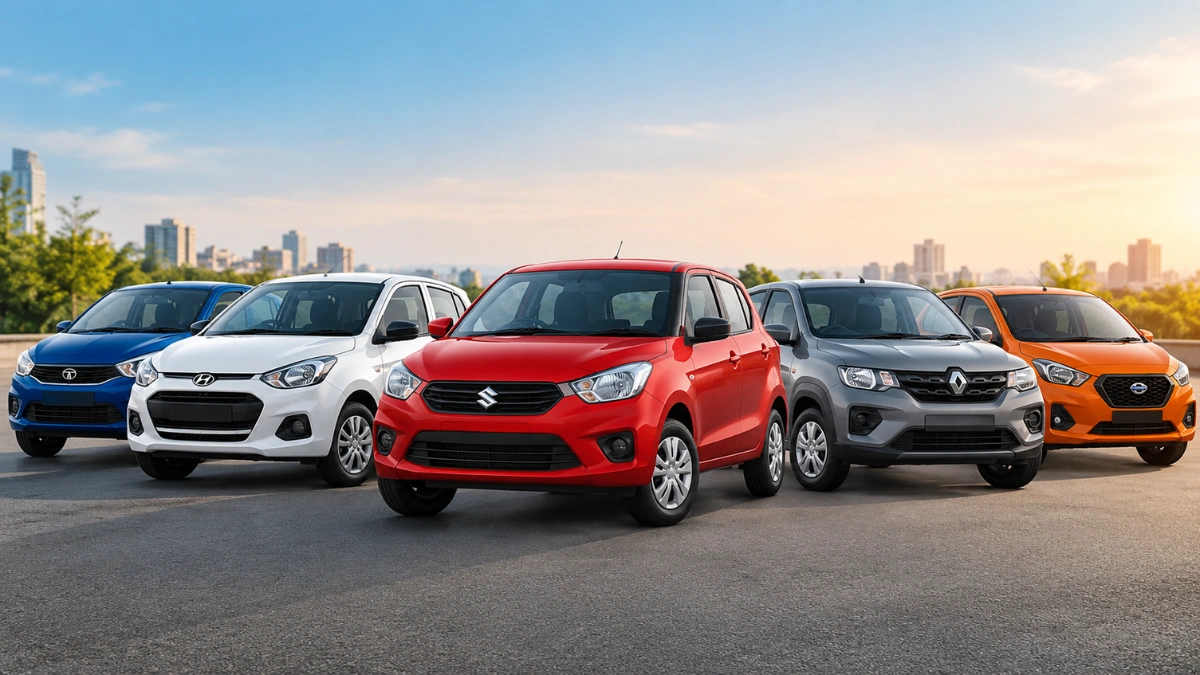
Latest Cars Under ₹5 Lakh in India in September 2026
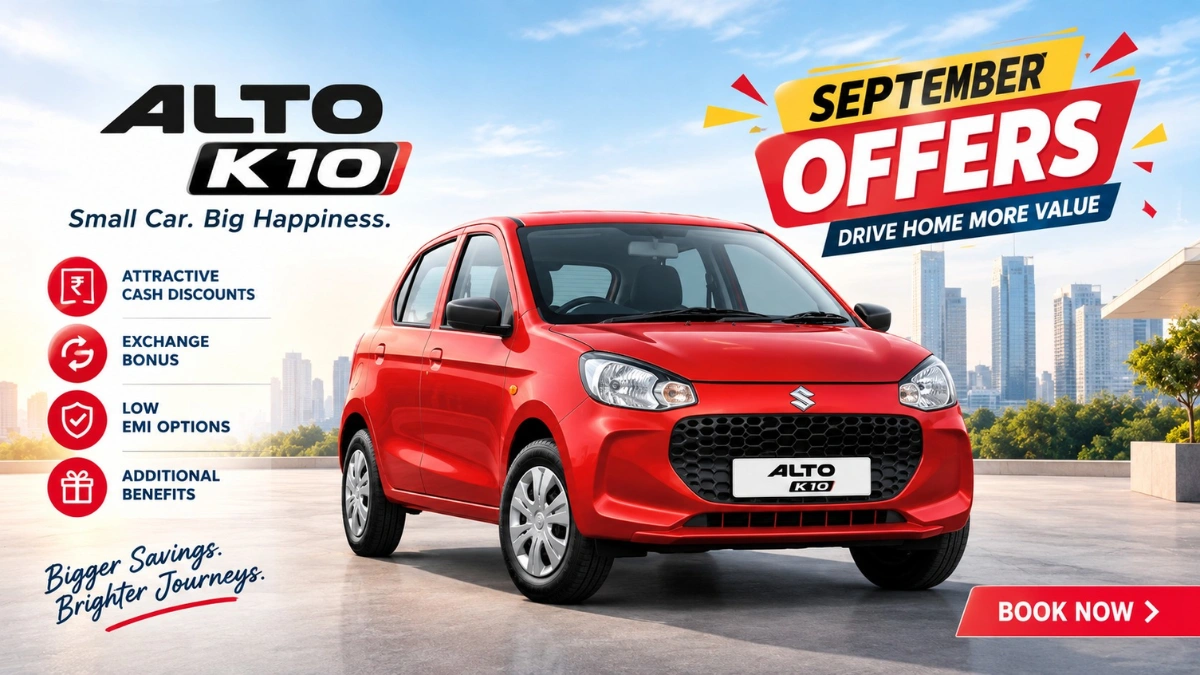
Maruti Alto K10 September Offers: Get Up to ₹62,500 Savings on Purchase
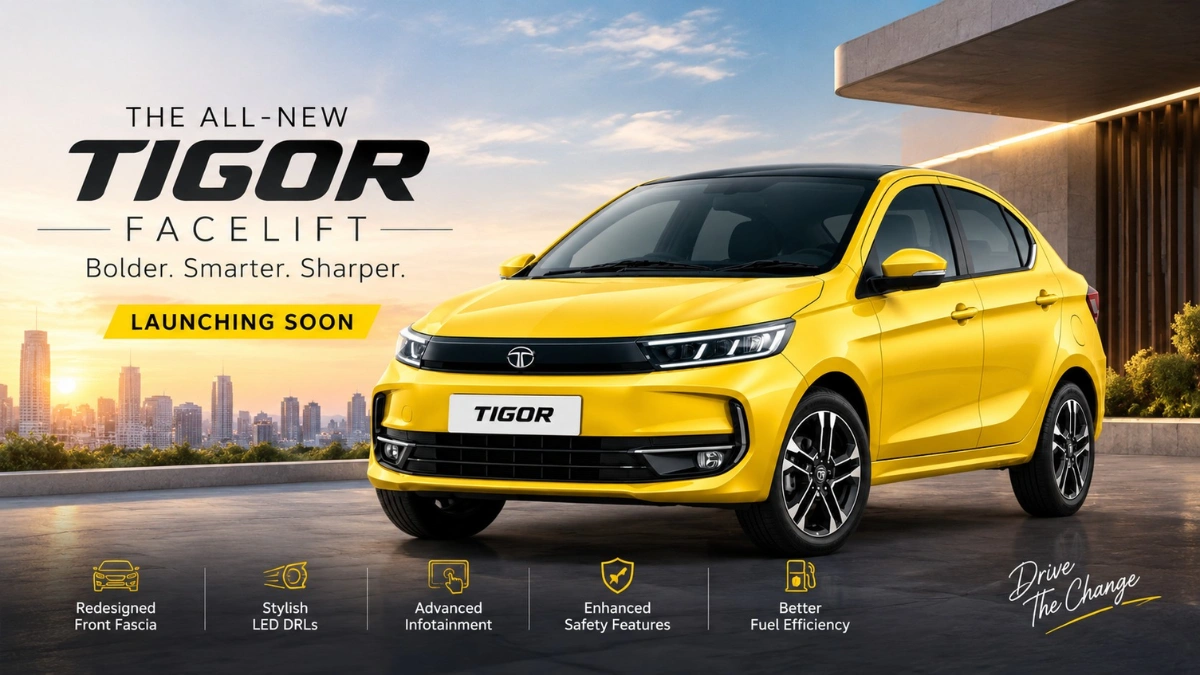
Tata Tigor Facelift Under ₹6 Lakh: A New Budget Sedan Is Coming
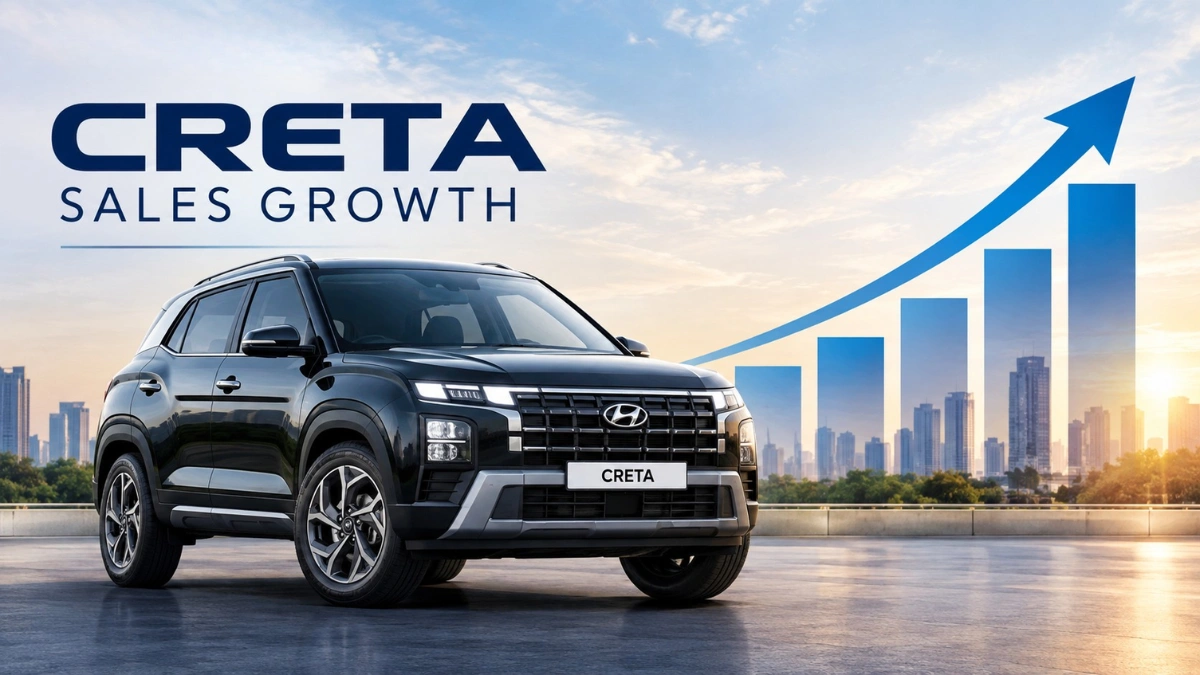
Hyundai Creta August 2026 Sales: With 16,288 Units Becomes India's Best-Selling Mid-Size SUV
Maruti Baleno Facelift Booking Price: Expected Booking Amount, EMI & Loan Calculation
Kia Sorento 6 Seater vs 7 Seater: Which One Should You Choose?
Kia Sorento AI Assistant Explained: Features, Commands, and Indian Language Support
What Is the Difference Between Tata Curvv and New Curvv Series X?
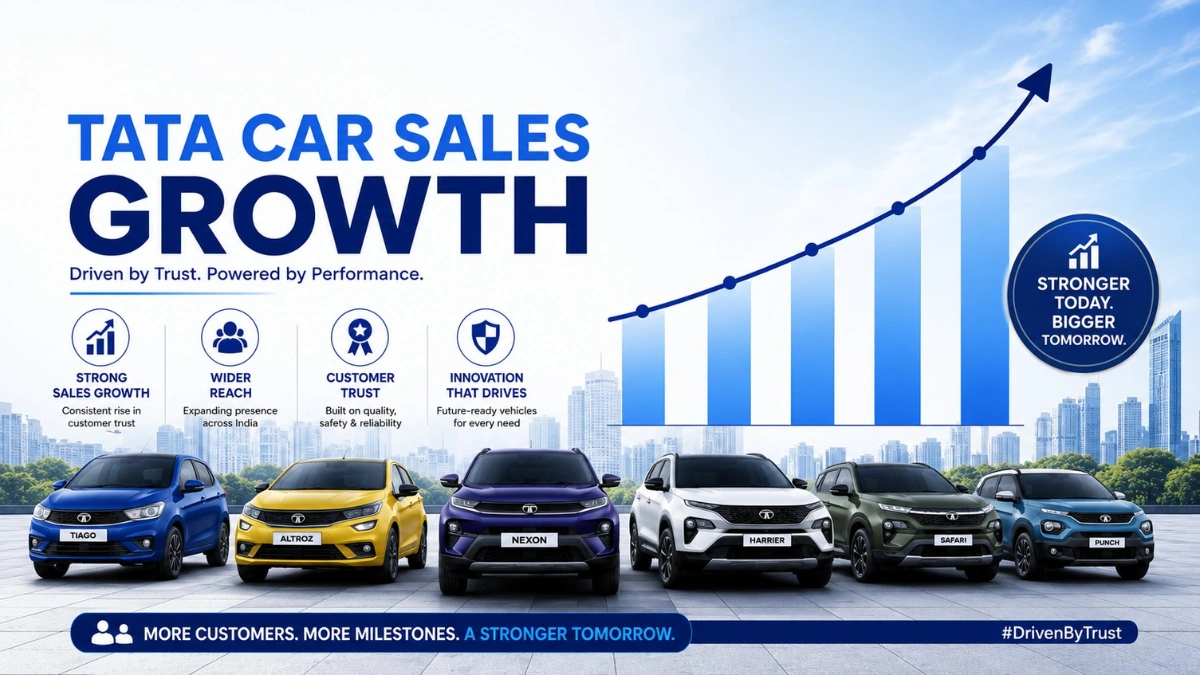
Tata Car Sales August 2026: Model-Wise Sales & Growth Report
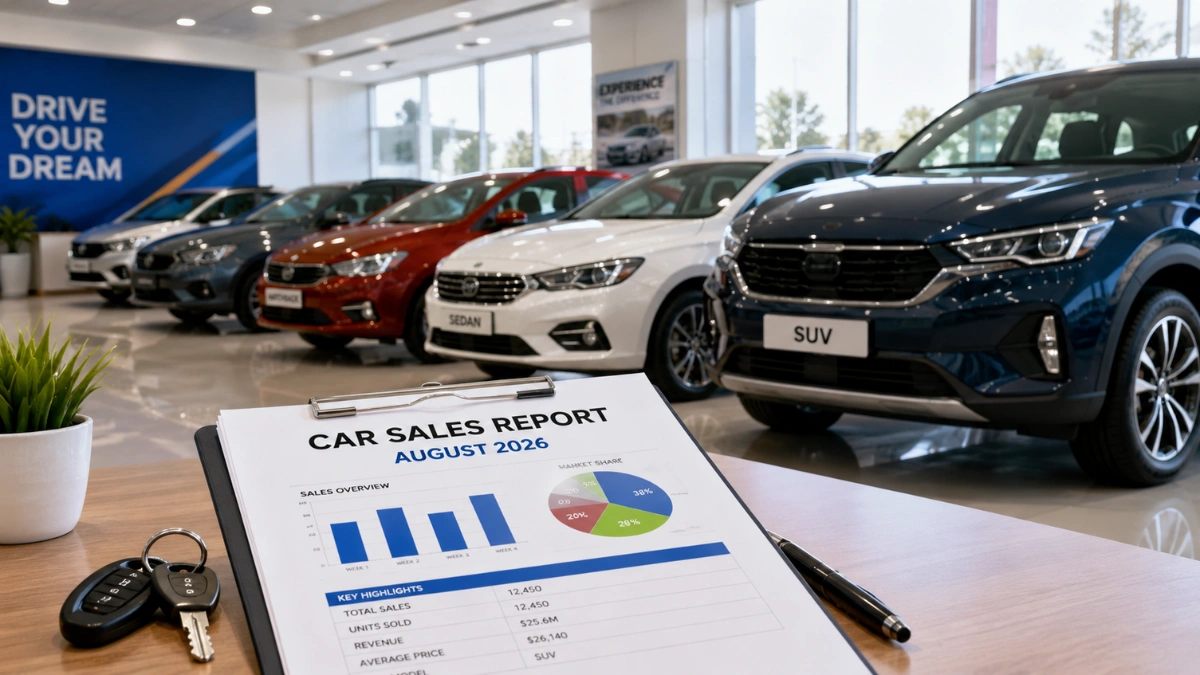
Car Sales Report of August 2026: Tata Motors, Maruti, Mahindra Lead Growth
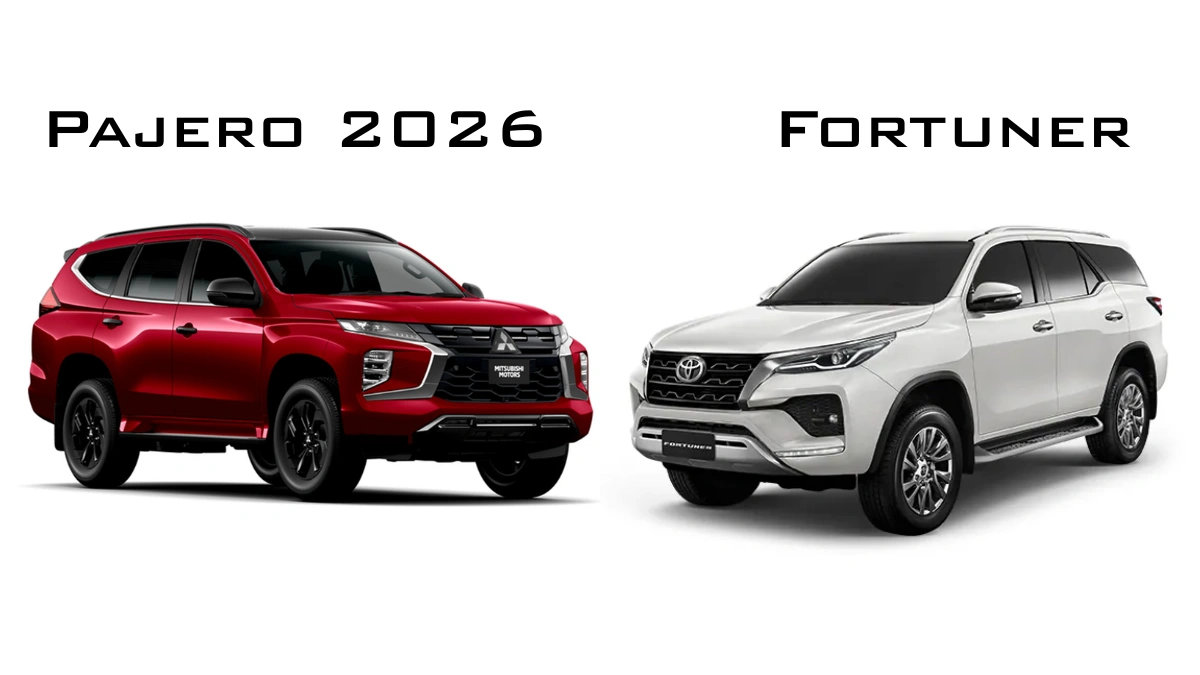
Pajero 2026 vs Fortuner: Which SUV Could Be Better?
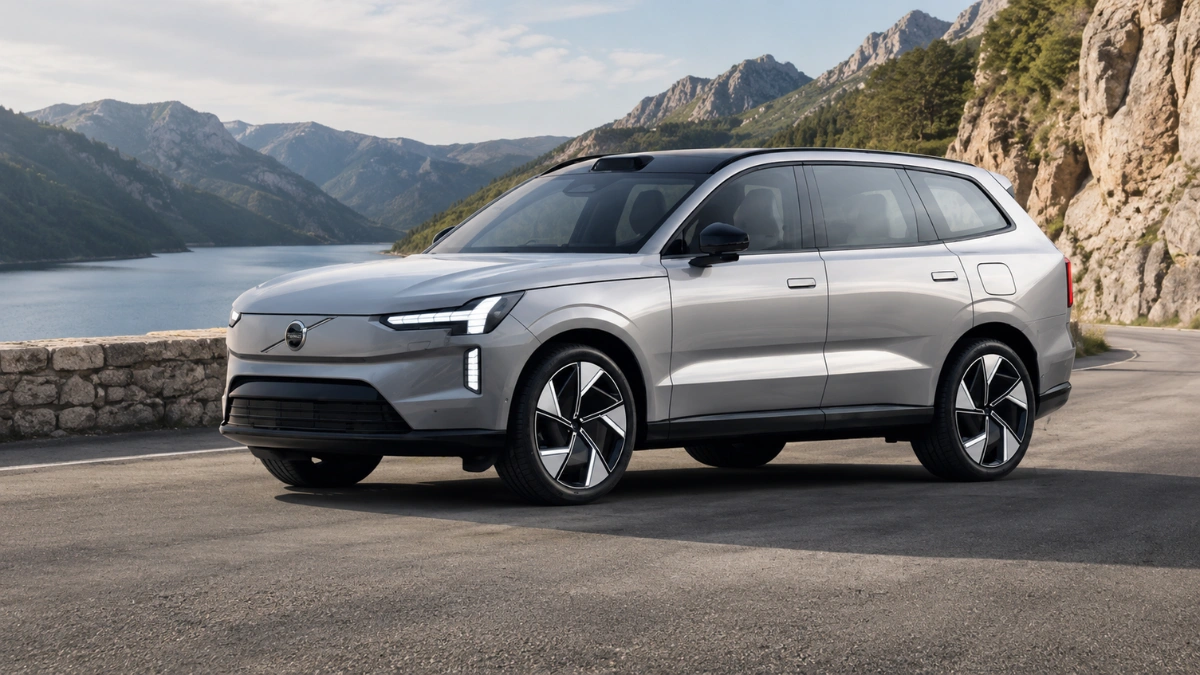
Volvo EX90 Booking Price: Expected Booking Amount, EMI & Loan Calculation
Next Generation Tata Nexon 2027: Expected Launch, Price, Design & Features
MG Hector Tomahawk EV Variant-Wise Price & Features Comparison
Maruti Baleno Facelift vs Toyota Glanza: Complete Comparision
Upcoming Cars in September 2026 in India: New Cars, Launch Dates & Expected Prices