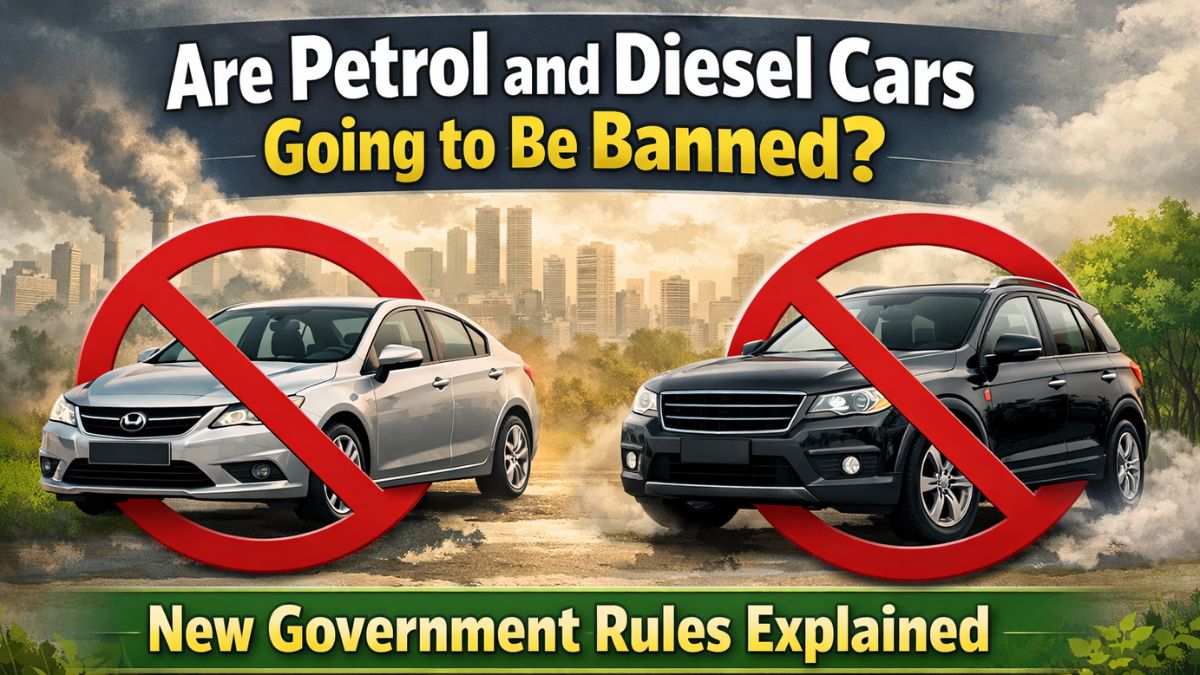
Are Petrol and Diesel Cars Going to Be Banned? New Government Rules Explained
- Cars
- Published: 19 Jan, 2026
Book a Test Drive
Free doorstep test drive at your convenience
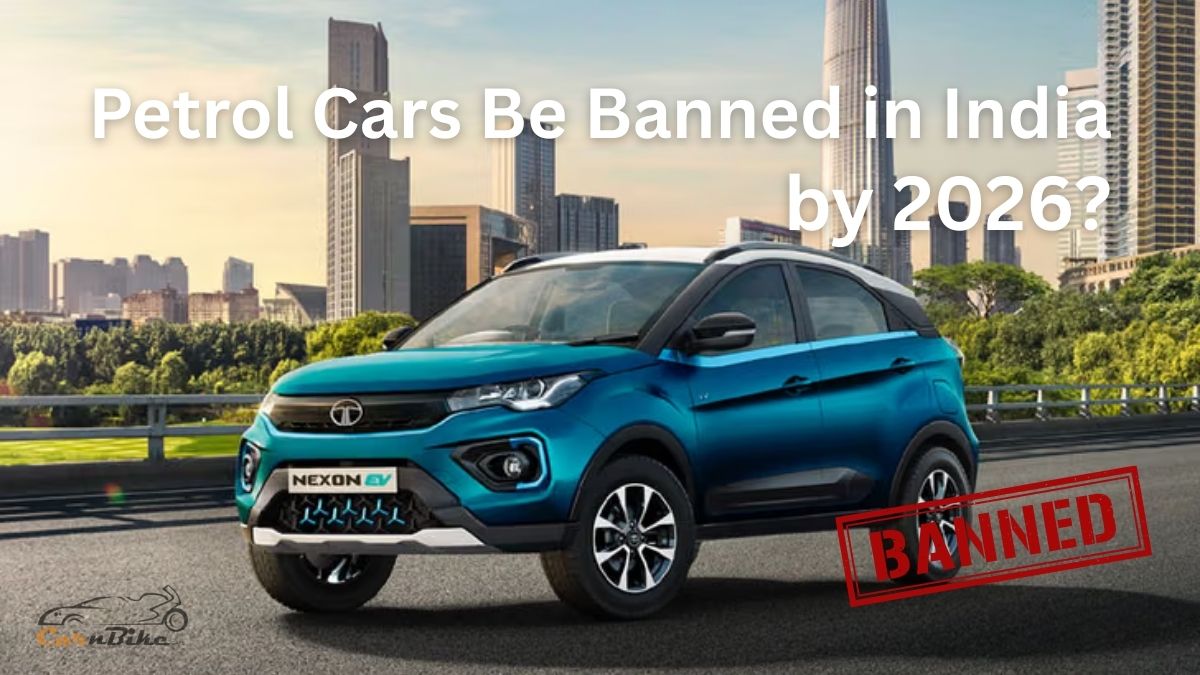
In recent years, governments worldwide have been pushing for cleaner air, reduced carbon emissions, and a transition to greener transport alternatives. A common question on many car owners’ minds is: Are petrol and diesel cars going to be banned? While the answer isn’t a simple yes or no, major policy changes are underway that affect how these vehicles can be sold and used — especially in India and other regions with aggressive emission targets.
🔍 Global and National Context
Worldwide Trends
Around the world, several governments have announced plans to gradually phase out the sale of new petrol and diesel cars. For instance, the UK has set a ban on the sale of new non-hybrid petrol and diesel cars from 2030 as part of its Net Zero strategy, followed by tighter rules on hybrids up to 2035. However, these rules apply only to new car sales, meaning that older petrol and diesel vehicles can still be driven legally after these dates.
In the European Union, earlier proposals aimed to ban new petrol and diesel car sales by 2035, though recent discussions suggest modifications to emission reduction targets in place of an outright ban.
India’s Approach
India’s automotive and environmental policies are evolving quickly, but there’s no blanket nationwide ban on petrol and diesel cars yet. What is happening involves localized and phased restrictions aimed at reducing pollution and promoting electric vehicles (EVs).
One of the most talked-about changes is in Delhi’s EV Policy. A draft of Electric Vehicle Policy 2.0 proposes banning the registration of new petrol and diesel two-wheelers starting August 15, 2026 in the capital to accelerate EV adoption.
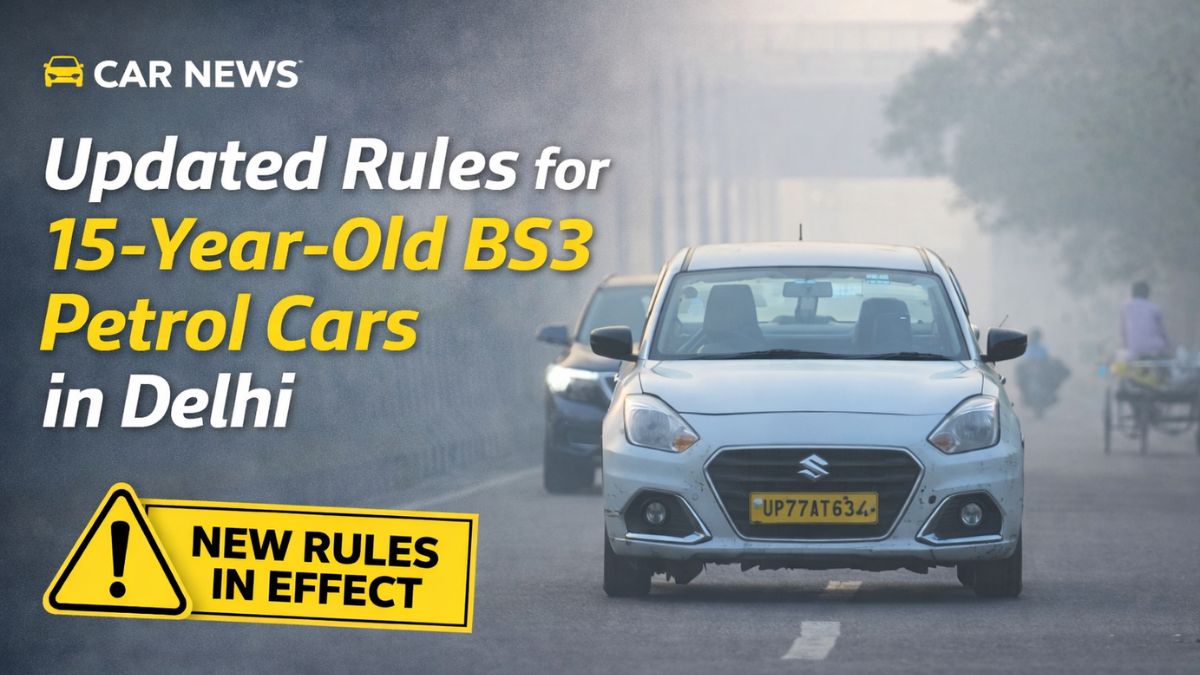
Meanwhile, Delhi has also seen enforcement of fuel bans for older petrol and diesel vehicles — such as refusing fuel to diesel vehicles older than 10 years and petrol vehicles older than 15 years — to curb highly polluting vehicles from operating. � However, this rule has seen extensions and revisions as authorities balance environmental goals with public response.
Interestingly, the Supreme Court of India has suggested that the government consider limiting high-end petrol and diesel luxury cars as an initial step toward boosting EV ownership, though this is a recommendation, not a law.
🛑 What Exactly Is Being Banned?
It’s essential to understand that most current policies do not ban all petrol and diesel cars outright. They fall into a few key categories:
🚗 1. Ban on New Sales (Global Trends)
Many countries (like the UK and parts of Europe) plan to stop new sales of conventional petrol and diesel cars by certain future dates — e.g., 2030/2035. But existing cars can still be sold in the used market and driven.
📍 2. Local Fuel and Registration Restrictions (India)
In cities like Delhi, governments are implementing policies to restrict:
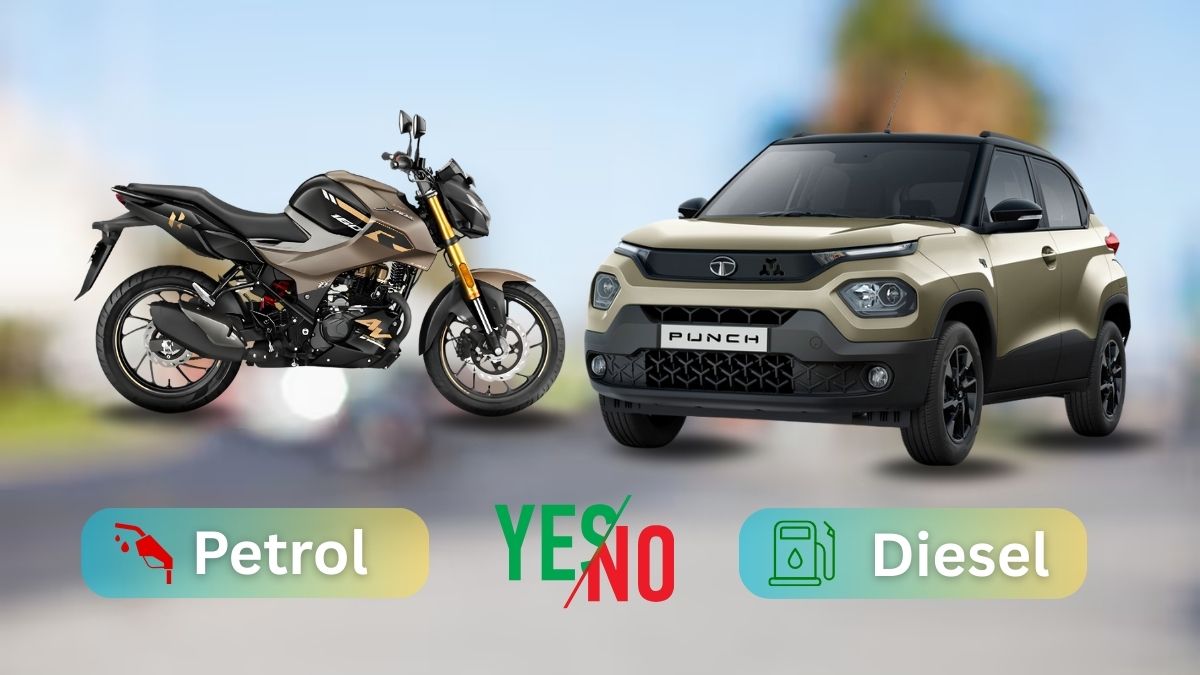
- Registration of new fossil-fuel two-wheelers from 2026.
- Fuel supply to older petrol and diesel vehicles as part of air quality controls.
These aren’t nationwide laws yet, but reflect a trend toward stricter regulation in high-pollution areas.
⚠️ 3. Emission Standards Enforcement
Countries are tightening emission standards (like Euro 6/7 norms in Europe) that make selling older-tech petrol/diesel cars harder — but this is not the same as banning them altogether.
🧭 What This Means for You
If you’re planning to buy a petrol or diesel car now:
- You can still buy and use them in most of India and globally.
- Future sales may be restricted by region and year (esp. in urban centers with EV policies).
- Used petrol/diesel cars will likely remain legal to drive long after any new-sales bans.
- Local rules, like those in Delhi, may affect older vehicles more aggressively.
🌱 Why Governments Are Making These Changes
The main reasons cited include:
- Air pollution reduction: Internal combustion engines contribute to smog and harmful particulate emissions.
- Climate goals: Countries aim to reach “Net Zero” greenhouse gas targets.
- EV adoption: Encouraging cleaner transport through incentives and infrastructure development.
👍 Why Choose This Information
Understanding petrol and diesel car regulations is crucial if:
- You’re planning to buy or sell a car soon.
- You live in an urban area with changing vehicular policies.
- You’re concerned about long-term resale values.
- You want to make an informed decision about EVs vs ICE vehicles.
This guide simplifies complex rules and distinguishes between national plans, local laws, and global trends — so you’re not confused by headlines that suggest outright bans where none exist yet.
✅ Conclusion
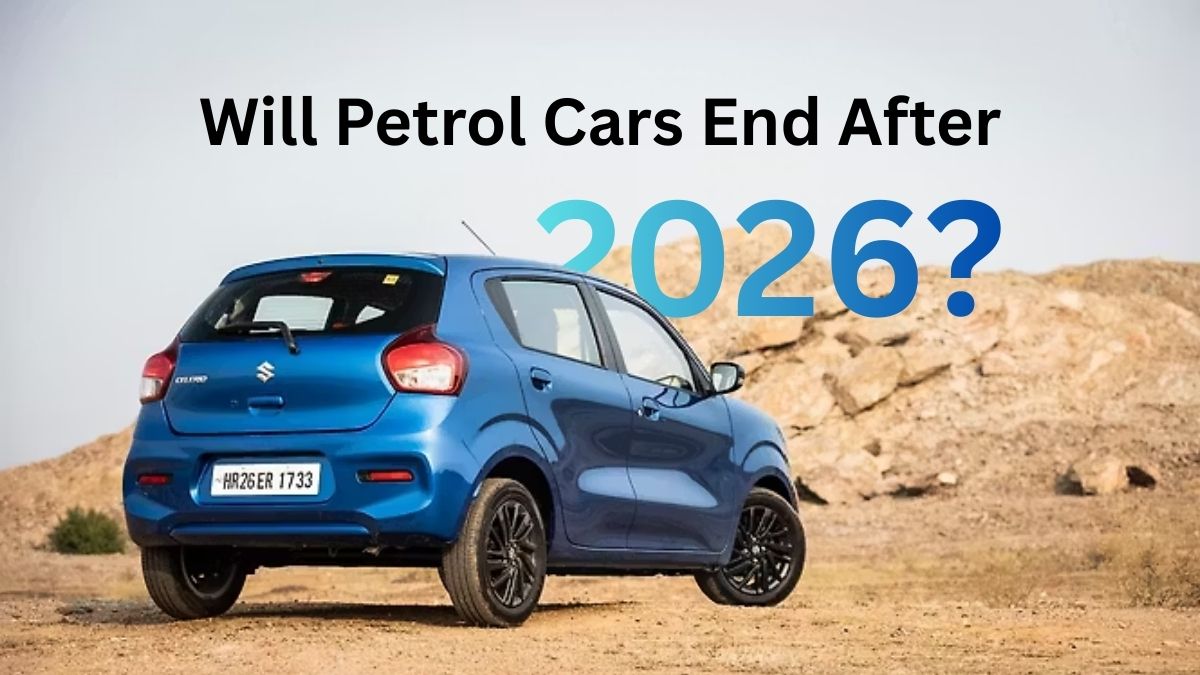
The narrative that petrol and diesel cars are being completely banned everywhere isn’t accurate — not yet. What’s happening is a gradual shift toward cleaner transport, with some countries planning to end new sales of conventional ICE cars by 2030-2035. In India, cities like Delhi are adopting EV-friendly policies that limit future registrations or fuel access for older petrol/diesel vehicles. While these changes signal the future, petrol and diesel cars will still be on roads for many years, especially outside major cities or in the used car market.
❓ Frequently Asked Questions (FAQs)
Q1. Will I still be able to drive my petrol or diesel car after 2030?
Yes — a proposed ban generally only stops new sales of petrol/diesel cars; existing cars can still be driven and resold.
Q2. Is there a petrol/diesel ban across India now?
No nationwide ban exists. Some local city policies (like Delhi’s EV policy) propose restrictions in their jurisdictions.
Q3. What about two-wheelers?
In some cities, registration of new petrol/diesel two-wheelers may be phased out to boost electric alternatives.
Q4. Does this affect used petrol and diesel cars?
Mostly no — used cars remain legal to sell and drive, although local emission rules might impose age-based restrictions.
Q5. Should I buy an EV instead of a petrol/diesel car now?
That depends on your budget, driving needs, and local incentives — EVs offer long-term environmental benefits, but petrol/diesel cars remain practical and legal today.
Book a Test Drive
Free doorstep test drive at your convenience
Popular Brands





Latest Car News
Tata Altroz vs Maruti Suzuki Brezza: Which One Should You Buy in 2026?
Wagon R vs Swift: Which Is Cheaper to Maintain?
BMW 7 Series Facelift Interior Updates: Know Everything
How to Check Oil Level in Car: Step-by-Step Guide
Latest Cars Under ₹5 Lakh in India in September 2026
Maruti Alto K10 September Offers: Get Up to ₹62,500 Savings on Purchase
Tata Tigor Facelift Under ₹6 Lakh: A New Budget Sedan Is Coming
Hyundai Creta August 2026 Sales: With 16,288 Units Becomes India's Best-Selling Mid-Size SUV
Maruti Baleno Facelift Booking Price: Expected Booking Amount, EMI & Loan Calculation
Kia Sorento 6 Seater vs 7 Seater: Which One Should You Choose?
Kia Sorento AI Assistant Explained: Features, Commands, and Indian Language Support
What Is the Difference Between Tata Curvv and New Curvv Series X?
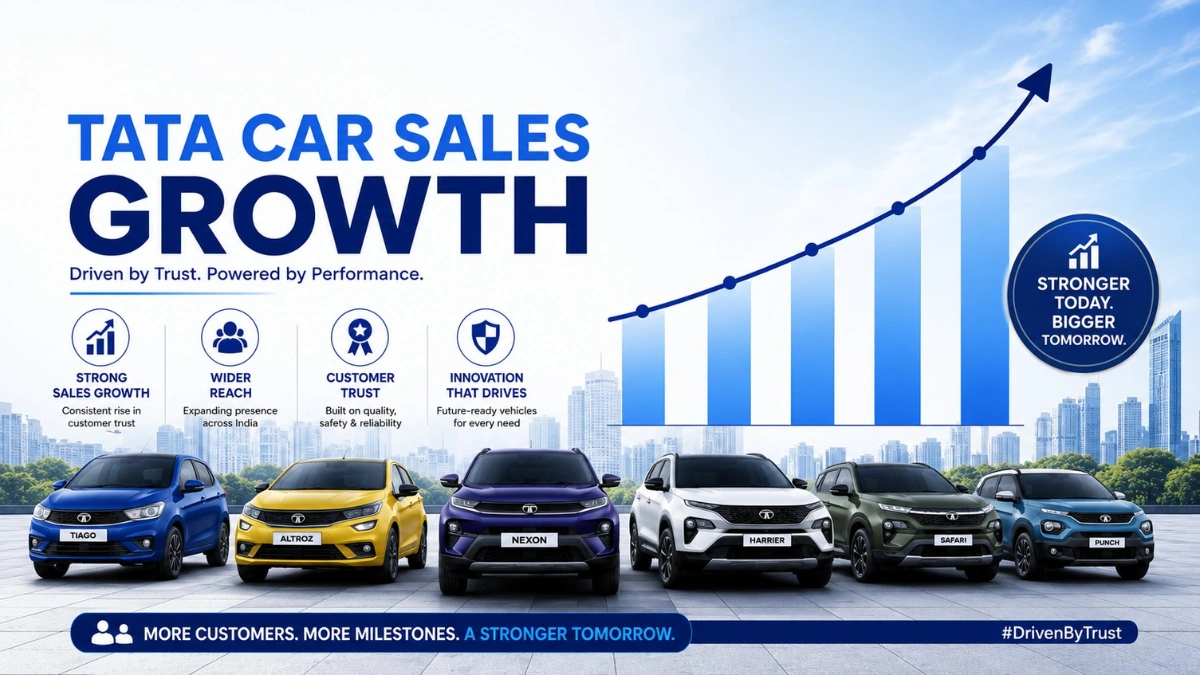
Tata Car Sales August 2026: Model-Wise Sales & Growth Report
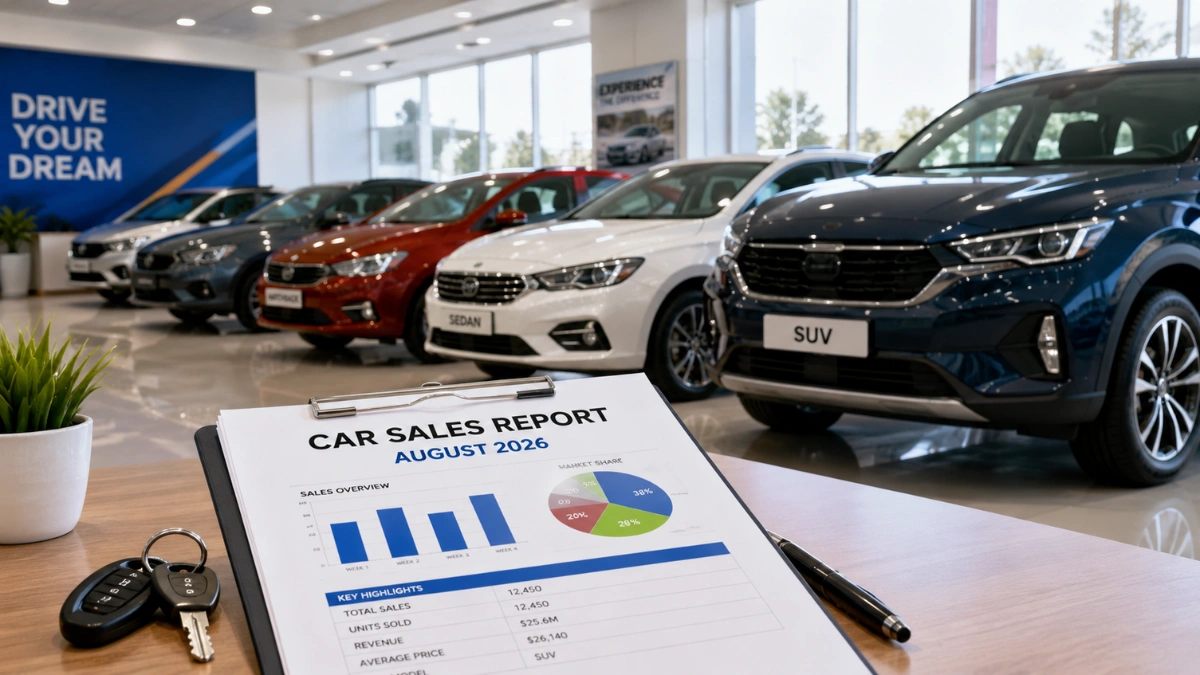
Car Sales Report of August 2026: Tata Motors, Maruti, Mahindra Lead Growth
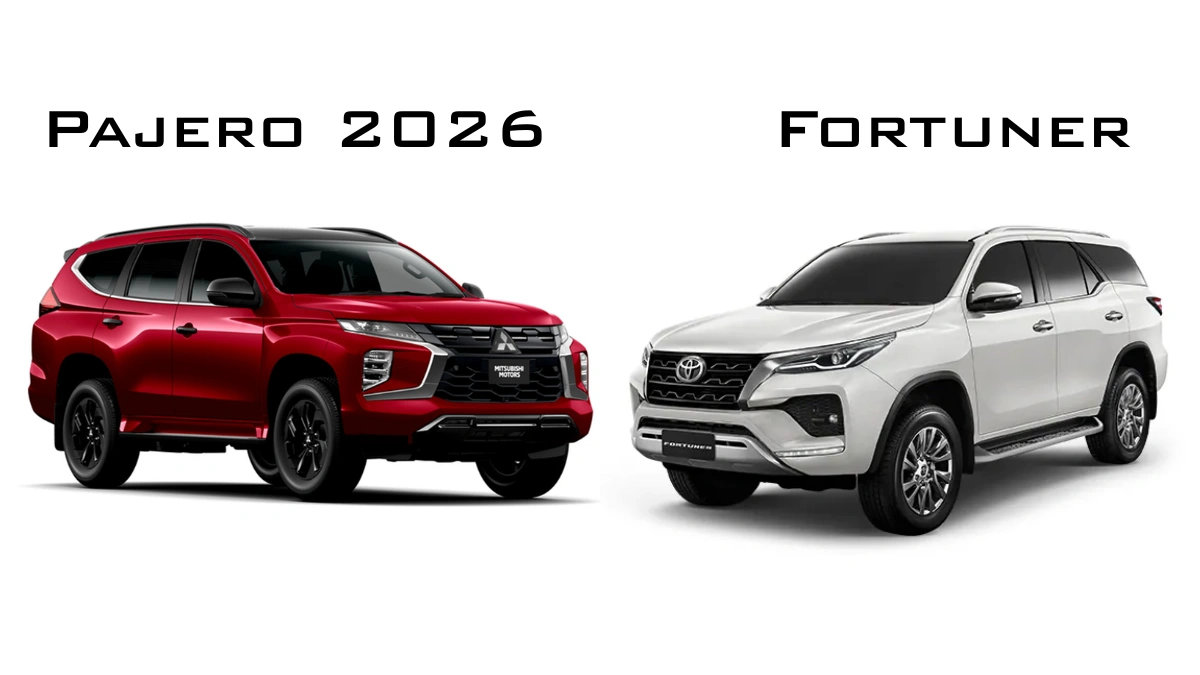
Pajero 2026 vs Fortuner: Which SUV Could Be Better?
Volvo EX90 Booking Price: Expected Booking Amount, EMI & Loan Calculation
Next Generation Tata Nexon 2027: Expected Launch, Price, Design & Features
MG Hector Tomahawk EV Variant-Wise Price & Features Comparison
Maruti Baleno Facelift vs Toyota Glanza: Complete Comparision
Upcoming Cars in September 2026 in India: New Cars, Launch Dates & Expected Prices