EU and US in Talks to Reduce Tariffs on Electric Vehicles
- Cars
- Published: 22 Aug, 2025

Book a Test Drive
Free doorstep test drive at your convenience
The electric vehicle (EV) industry is gaining momentum worldwide, and international trade policies are now at the center of discussions. Recently, the European Union (EU) and the United States (US) have begun negotiations to reduce tariffs on electric vehicles, a move that could reshape the global EV market. This development is seen as a step toward strengthening transatlantic cooperation, promoting cleaner mobility, and boosting adoption rates.
Why the Talks Matter
Currently, EVs traded between the EU and US face significant import tariffs that make them expensive for consumers and restrict competition. For example, the US imposes a 27.5% tariff on EVs imported from certain countries, while the EU levies around 10% on imported EVs. Lowering these tariffs could make vehicles more affordable, benefiting both consumers and manufacturers.
Moreover, reducing trade barriers would allow EV makers to expand their global footprint. Tesla, for instance, could export more efficiently to Europe, while European giants like Volkswagen, BMW, and Mercedes-Benz would find it easier to reach the American market.
Impact on the EV Industry
If successful, this deal could:
- Lower Prices: Reduced tariffs mean EVs could become more affordable for consumers.
- Increase Competition: Car buyers will have access to more brands and models.
- Boost Sustainability: Encouraging EV adoption supports climate goals on both continents.
- Enhance Innovation: Companies would be more motivated to improve technology to stay competitive globally.
Industry experts believe that such an agreement could also pressure other regions, like China and India, to adjust their EV trade policies to stay competitive in the global market.
Why Choose EVs Amid Policy Shifts?
The EV revolution is more than just about tariffs. Consumers are increasingly choosing electric vehicles because of:
- Lower running costs compared to petrol and diesel cars.
- Government incentives and tax rebates making EVs more accessible.
- Eco-friendly benefits such as zero tailpipe emissions.
- Growing charging infrastructure making ownership easier.
With policies like the EU-US tariff cut potentially in place, these advantages become even stronger, making EVs the most logical choice for future mobility.
Conclusion
The ongoing talks between the EU and US to reduce tariffs on electric vehicles highlight a strong push toward greener mobility and global cooperation. If these discussions lead to concrete policies, consumers in both markets could benefit from lower prices, wider choices, and faster EV adoption. For manufacturers, it would open new growth opportunities and encourage innovation.
As the EV industry continues to expand, such international collaborations will play a vital role in shaping the future of sustainable transportation.
FAQs
Q1: Why are the EU and US discussing tariff cuts on EVs?
They aim to make EVs more affordable, boost trade, and accelerate green mobility goals.
Q2: How will tariff cuts benefit consumers?
Lower import duties will reduce EV prices, giving buyers more affordable options.
Q3: Which companies could gain the most from this move?
Tesla in the US, and European automakers like Volkswagen, BMW, and Mercedes-Benz stand to benefit.
Q4: Will this impact the global EV market?
Yes, other regions may follow with similar trade-friendly policies, boosting global EV adoption.
Q5: When will the tariff cuts take effect?
Negotiations are ongoing, and timelines will depend on the outcomes of EU-US trade talks.
Book a Test Drive
Free doorstep test drive at your convenience
Popular Brands





Latest Car News
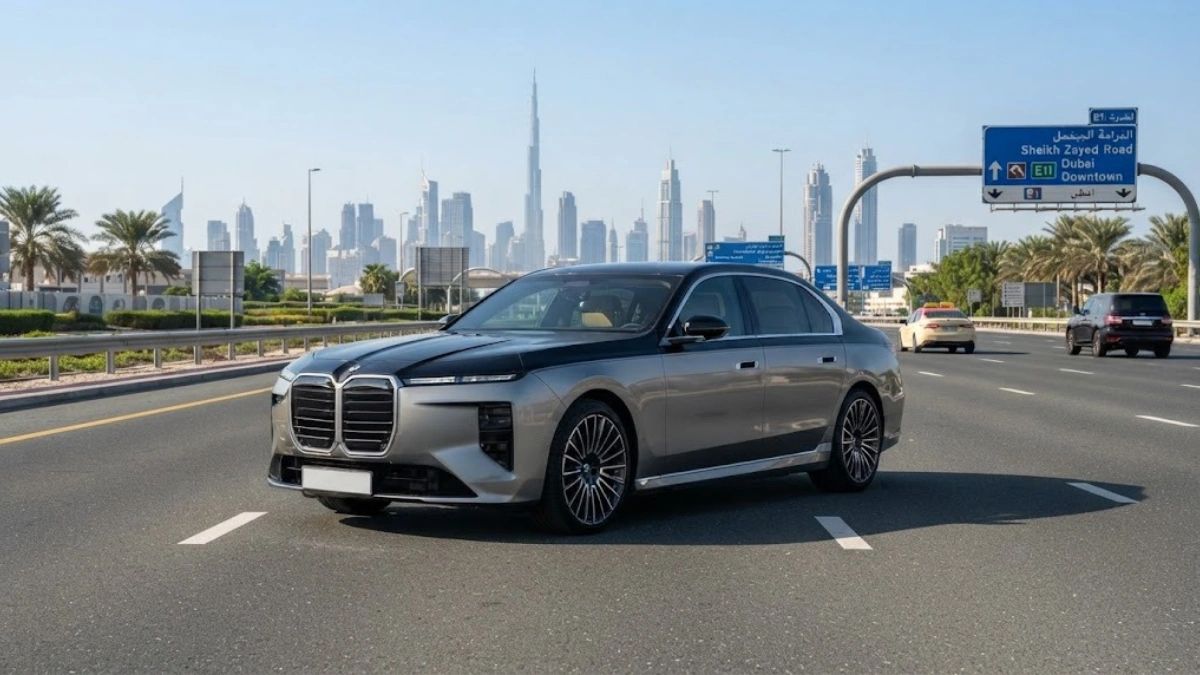
BMW 7 Series Facelift Interior Updates: Know Everything

How to Check Oil Level in Car: Step-by-Step Guide

Latest Cars Under ₹5 Lakh in India in September 2026

Maruti Alto K10 September Offers: Get Up to ₹62,500 Savings on Purchase
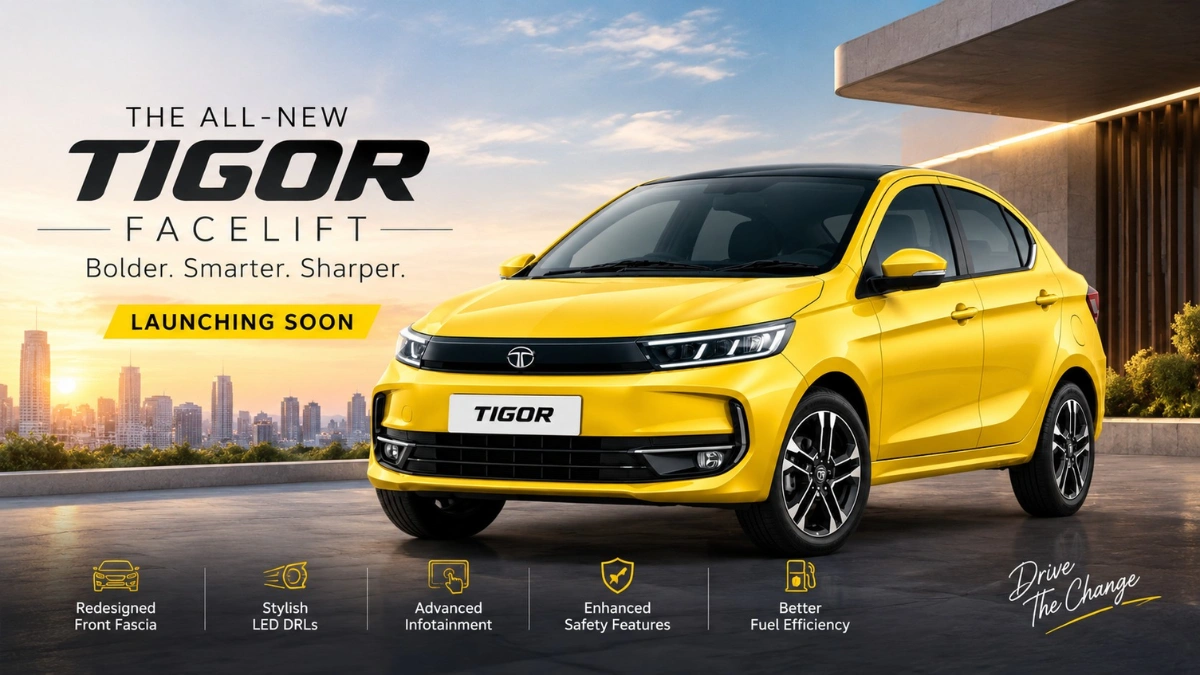
Tata Tigor Facelift Under ₹6 Lakh: A New Budget Sedan Is Coming
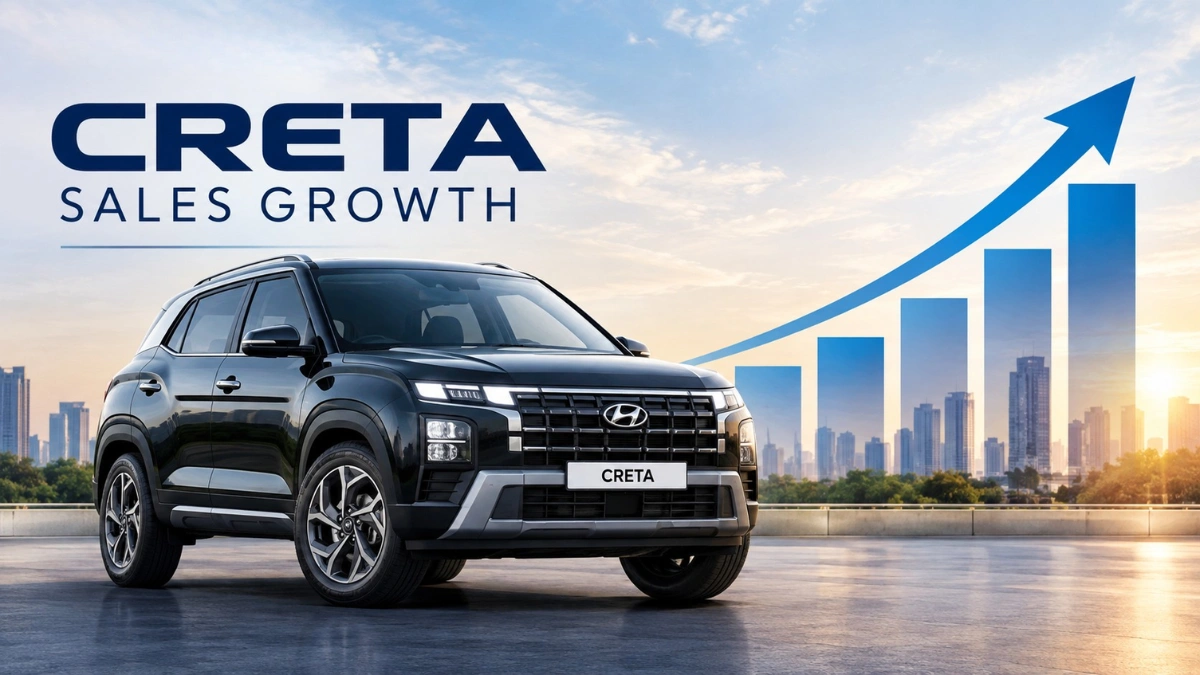
Hyundai Creta August 2026 Sales: With 16,288 Units Becomes India's Best-Selling Mid-Size SUV
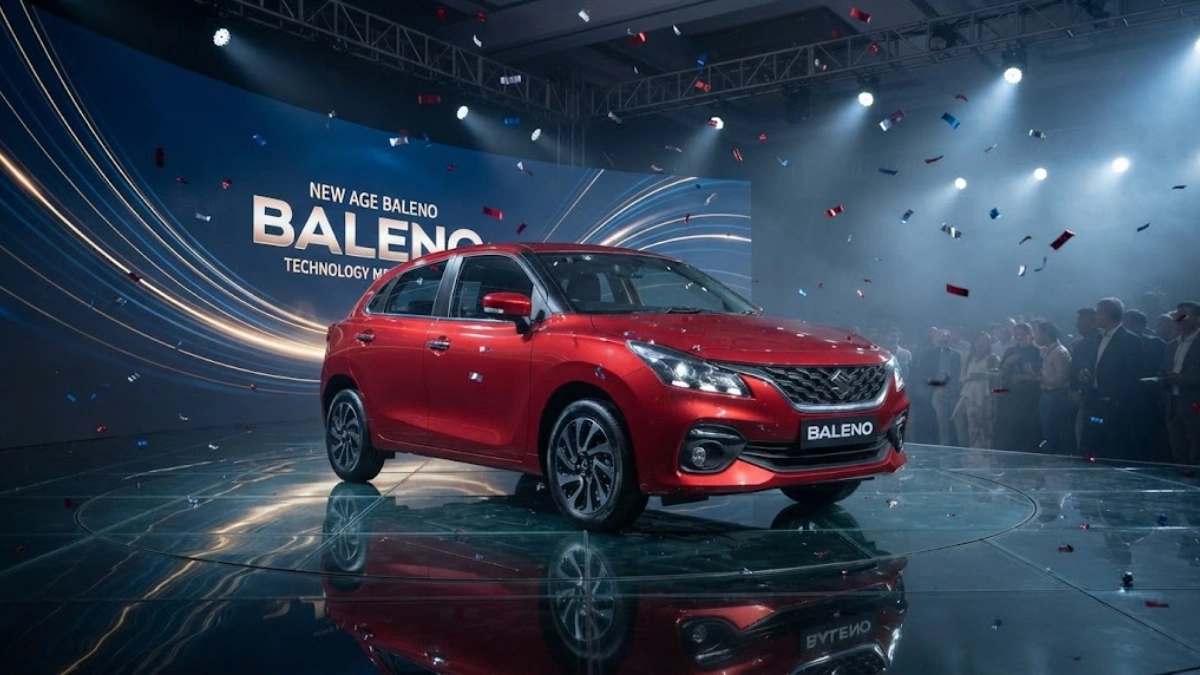
Maruti Baleno Facelift Booking Price: Expected Booking Amount, EMI & Loan Calculation
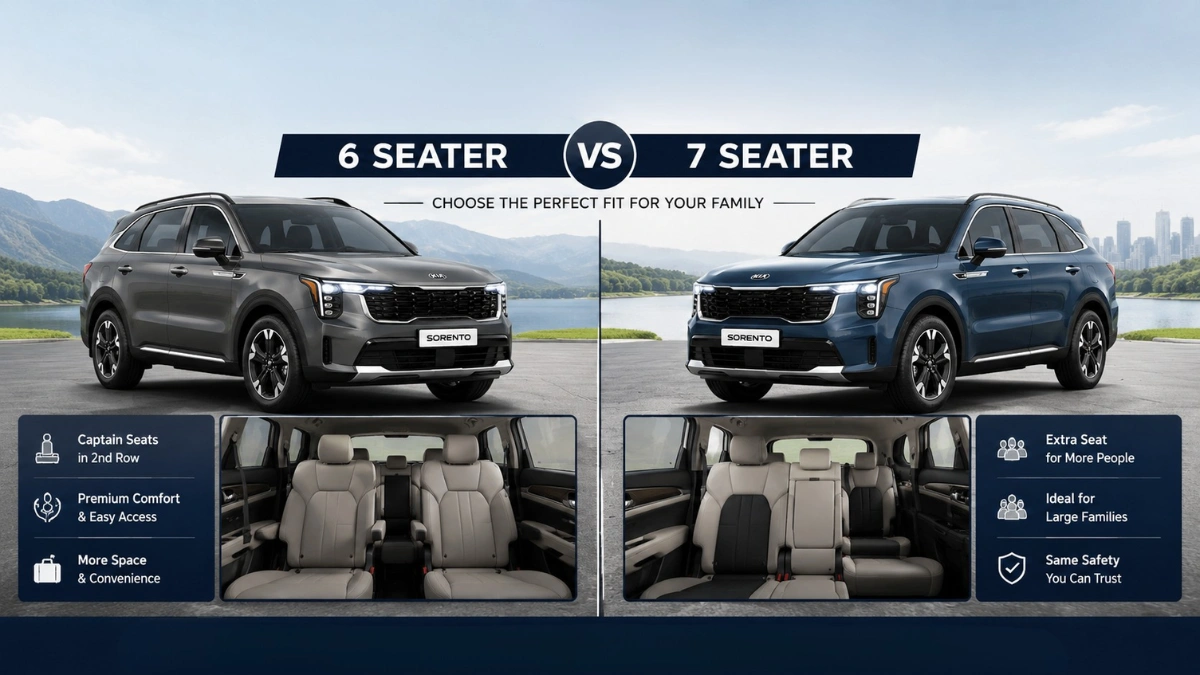
Kia Sorento 6 Seater vs 7 Seater: Which One Should You Choose?

Kia Sorento AI Assistant Explained: Features, Commands, and Indian Language Support
What Is the Difference Between Tata Curvv and New Curvv Series X?

Tata Car Sales August 2026: Model-Wise Sales & Growth Report
Car Sales Report of August 2026: Tata Motors, Maruti, Mahindra Lead Growth
Pajero 2026 vs Fortuner: Which SUV Could Be Better?
Volvo EX90 Booking Price: Expected Booking Amount, EMI & Loan Calculation

Next Generation Tata Nexon 2027: Expected Launch, Price, Design & Features
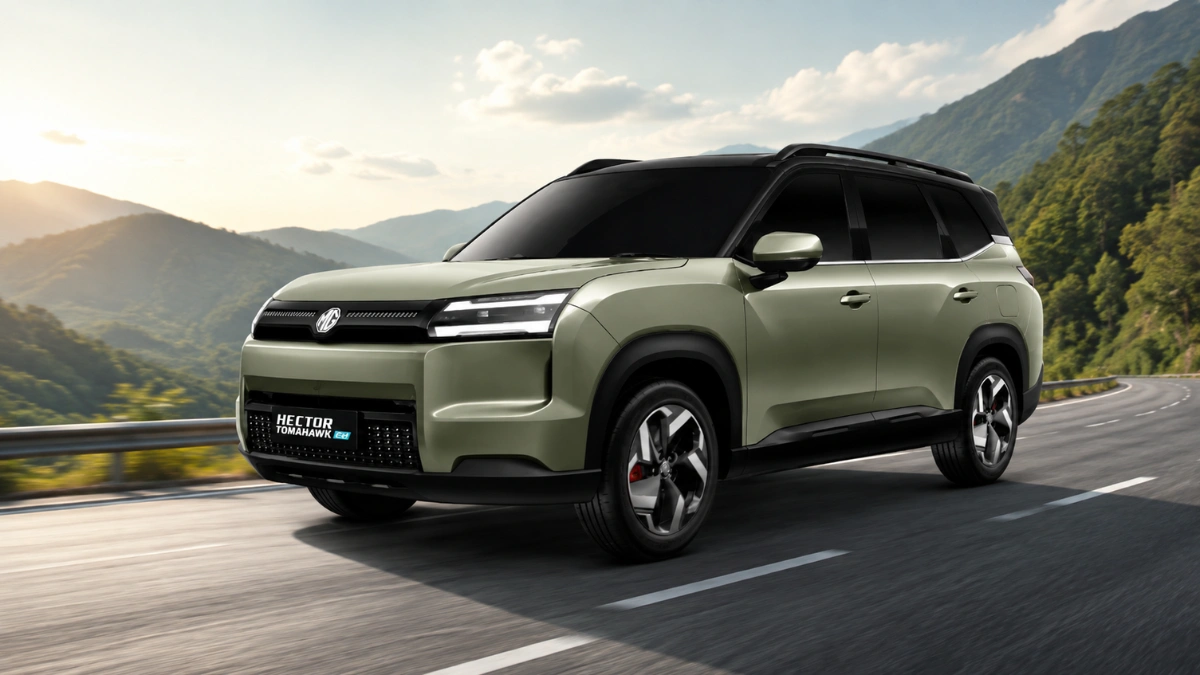
MG Hector Tomahawk EV Variant-Wise Price & Features Comparison
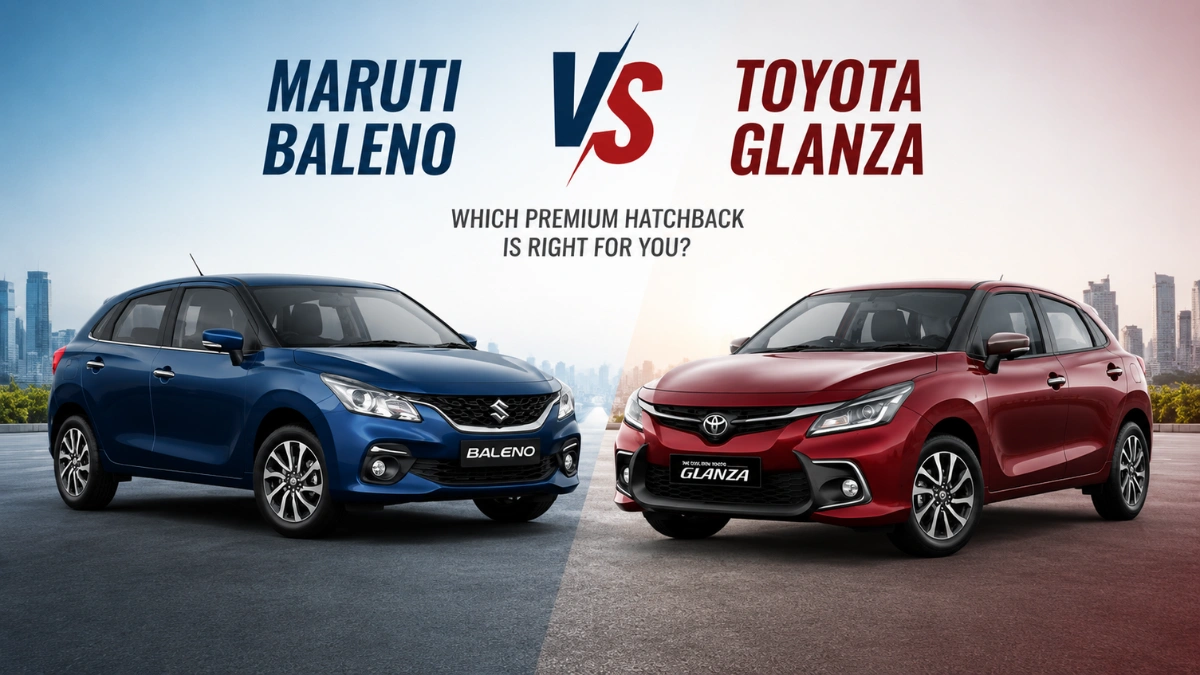
Maruti Baleno Facelift vs Toyota Glanza: Complete Comparision
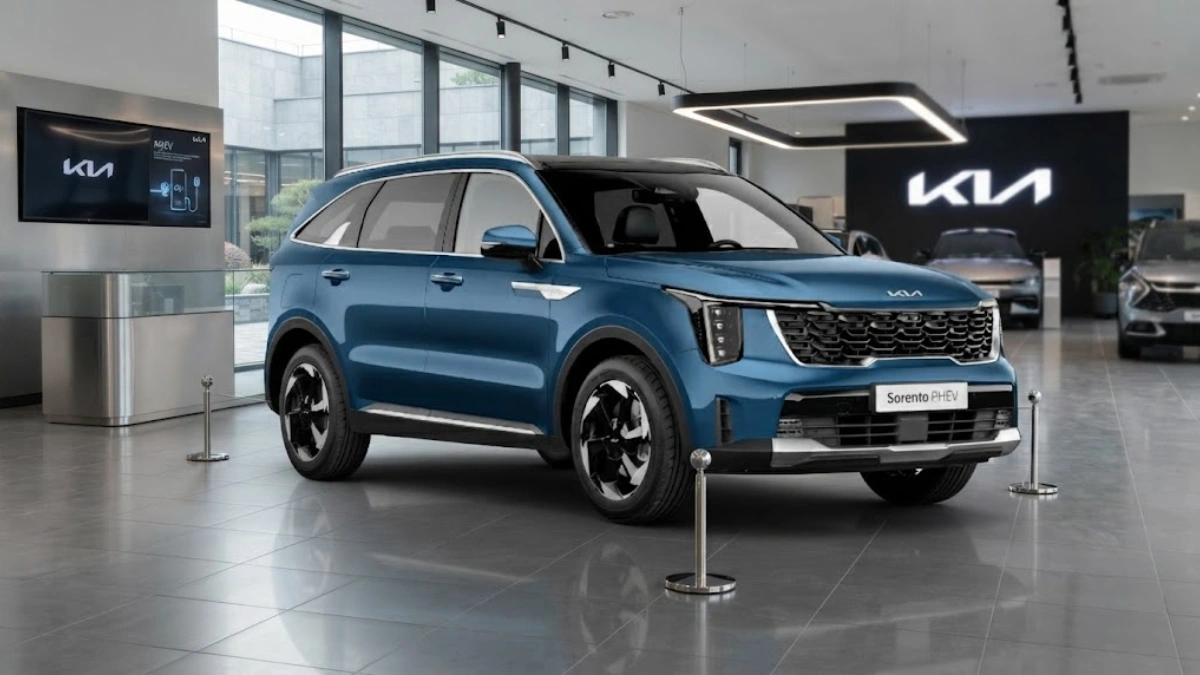
Upcoming Cars in September 2026 in India: New Cars, Launch Dates & Expected Prices
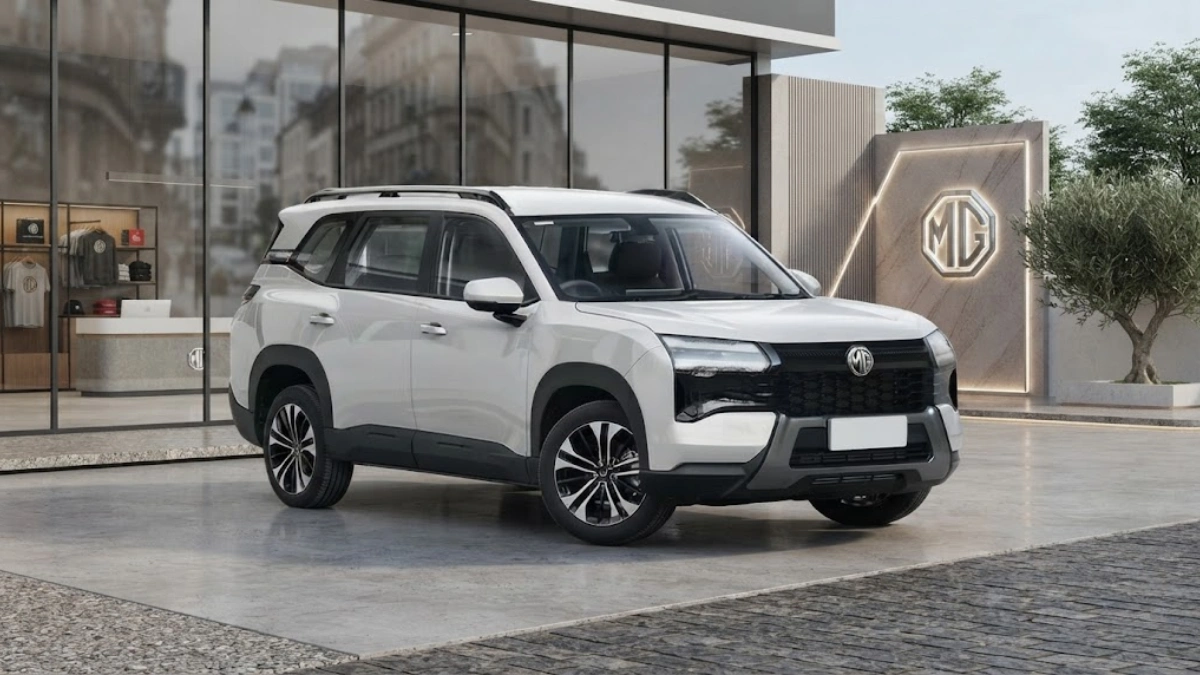
MG Hector Hawk SUV vs Tata Harrier: Expected Price, Features & Key Differences
Skoda Superb Diesel in India: Will the Diesel Engine Make a Comeback?