7 Mistakes to Avoid Before Buying an Electric Car in 2026 – New Rules & Expert Tips
- Electric-Cars
- Published: 16 Dec, 2025
Book a Test Drive
Free doorstep test drive at your convenience
Buying an electric car in 2026 can be one of the smartest decisions you make — but only if you avoid some costly mistakes. With new EV regulations, faster charging tech, and improved batteries coming into effect, many buyers still rush into EV ownership without understanding the latest changes.
As a result, they end up facing range issues, high running costs, charging problems, or resale losses. To help you make a smart and future-ready decision, here are the 7 biggest mistakes to avoid before buying an electric car in 2026, along with expert tips.
Mistake #1: Ignoring Real-World Range
Many buyers focus only on the claimed range, not the real-world driving range.
Why it’s a problem:
- Official figures are tested under ideal conditions
- AC usage, traffic, and highway speeds reduce range
- Real range can be 20–30% lower
Expert Tip:
Always check real-world range reviews and assume a buffer. In 2026, aim for an EV with at least 400 km real-world range if you drive frequently.
Mistake #2: Not Understanding New EV Rules (2026)
EV policies and regulations are changing rapidly.
New rules to watch:
- Mandatory fast-charging compatibility
- Updated battery warranty norms
- Recycling and disposal guidelines
- Standardized charging connectors
Expert Tip:
Buy an EV that complies with future-ready charging standards to avoid compatibility issues.
Mistake #3: Choosing Slow Charging Models
Some buyers prioritize price over charging speed.
Why it’s a mistake:
- Slow charging limits travel flexibility
- Time wasted at charging stations
- Difficult during emergencies
Expert Tip:
Choose an EV that supports fast charging (DC 80–150 kW). By 2026, 10–15 minute charging will become common.
Mistake #4: Ignoring Battery Warranty & Degradation
The battery is the most expensive component of an EV.
What buyers miss:
- Battery warranty terms
- Degradation percentage limits
- Replacement costs
Expert Tip:
Opt for EVs offering 8–10 years battery warranty with clear degradation guarantees.
Mistake #5: Overlooking Home Charging Setup
Many buyers assume public chargers are enough.
Reality:
- Public chargers may be busy or unavailable
- Home charging is cheaper and more convenient
- Apartment charging access can be challenging
Expert Tip:
Confirm home or society charging installation before booking the EV.
Mistake #6: Ignoring Total Ownership Cost
Some EVs look cheap upfront but cost more later.
Hidden costs include:
- Charging infrastructure upgrades
- Subscription-based connected features
- Insurance premiums
- Battery replacement post-warranty
Expert Tip:
Calculate total cost of ownership (TCO) over 5–8 years, not just ex-showroom price.
Mistake #7: Buying Without Future Tech Compatibility
Technology is evolving rapidly.
Common regrets:
- Incompatible fast chargers
- No OTA updates
- Missing ADAS or safety tech
- Poor resale value
Expert Tip:
Choose EVs with OTA updates, ADAS features, and upgrade-ready software.
Why Choose an Electric Car in 2026?
1. Lower Running Costs
EVs cost 70–80% less per km than petrol or diesel cars.
2. Improved Battery Technology
Solid-state and advanced lithium-ion batteries offer longer range and safety.
3. Faster Charging Infrastructure
5-minute hypercharging and ultra-fast DC chargers will be widespread.
4. Government Support
Tax benefits, subsidies, and EV-friendly regulations continue to grow.
5. Cleaner & Quieter Driving
Zero tailpipe emissions and silent performance improve urban living.
Conclusion
Buying an electric car in 2026 is a forward-thinking move — but only if you avoid these 7 common mistakes. Understanding real-world range, charging speed, battery warranty, new EV rules, and total ownership cost will help you make a smarter purchase.
With rapid EV innovation, the right choice today will save you money, stress, and regret tomorrow. Take time to research, test drive, and plan charging before making the switch.
The future is electric — just make sure you enter it prepared.
FAQs
1. Is 2026 a good year to buy an electric car?
Yes. Improved batteries, faster charging, and better infrastructure make 2026 ideal.
2. What real-world range should I look for?
At least 350–400 km for daily and highway driving comfort.
3. Are EV batteries expensive to replace?
Yes, which is why battery warranty is critical.
4. Do EVs need less maintenance than petrol cars?
Yes. EVs have fewer moving parts and lower servicing costs.
5. Can I charge my EV at home?
Yes, home charging is recommended and cost-effective.
Book a Test Drive
Free doorstep test drive at your convenience
Popular Brands


Latest Electric Car News
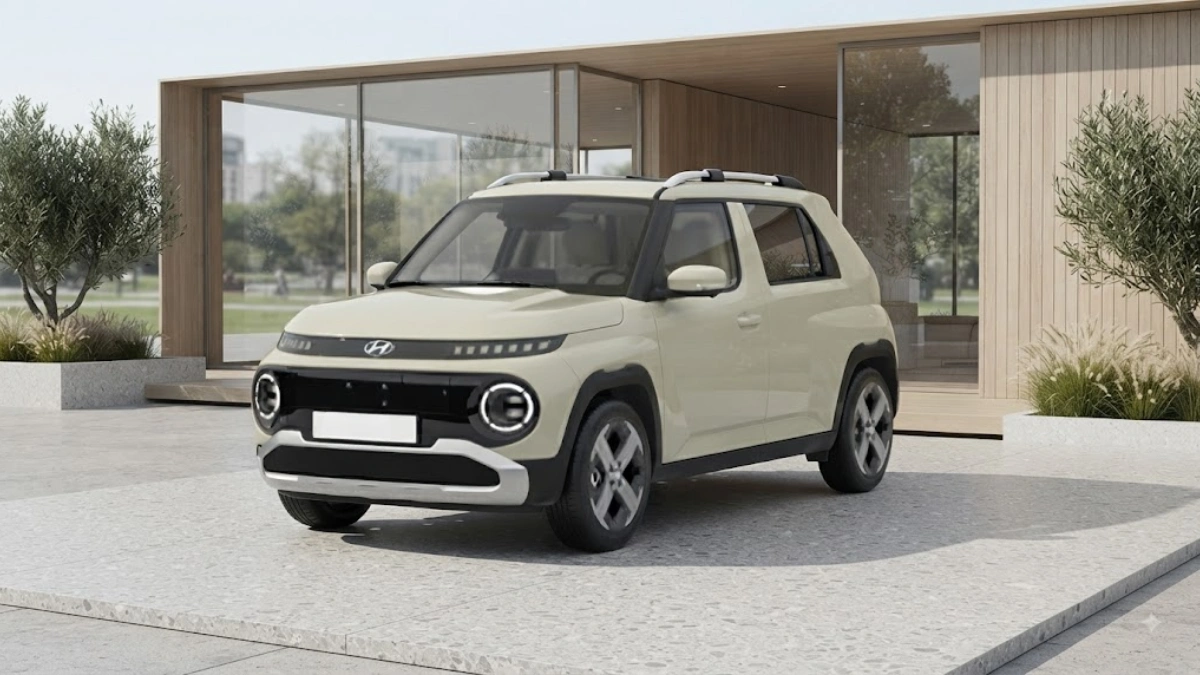
Hyundai EV Compact SUV India Launch: Expected Price, Range & Key Details
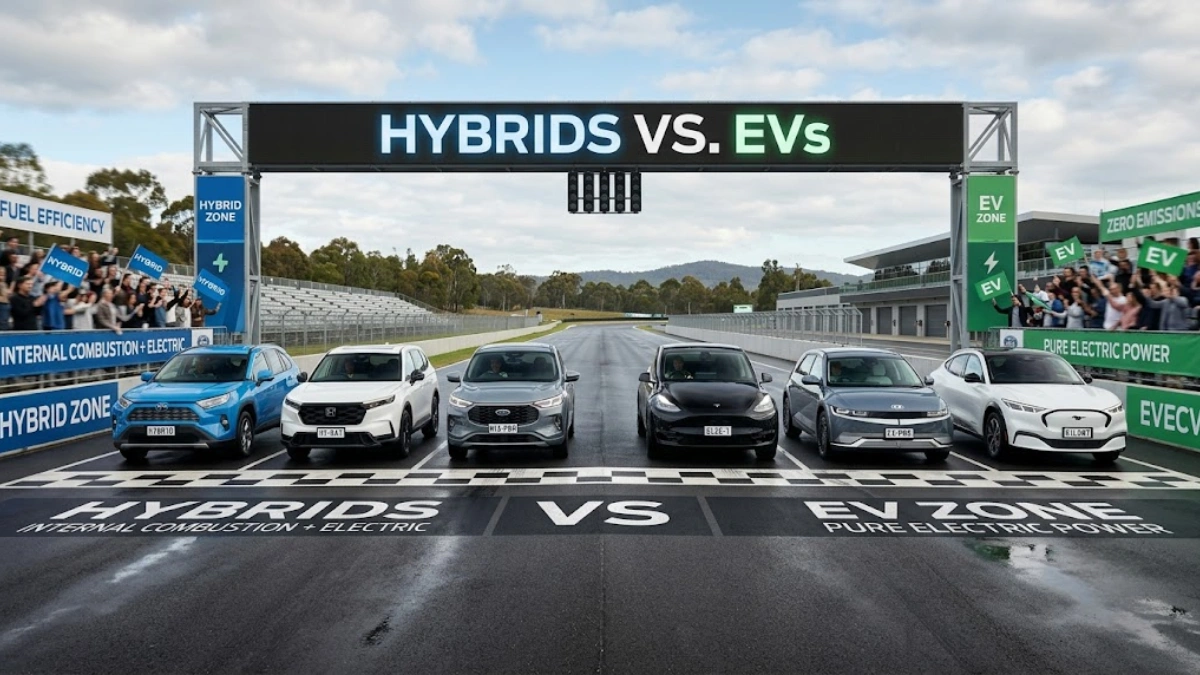
Hybrids vs. EVs: Which Is Better for You?
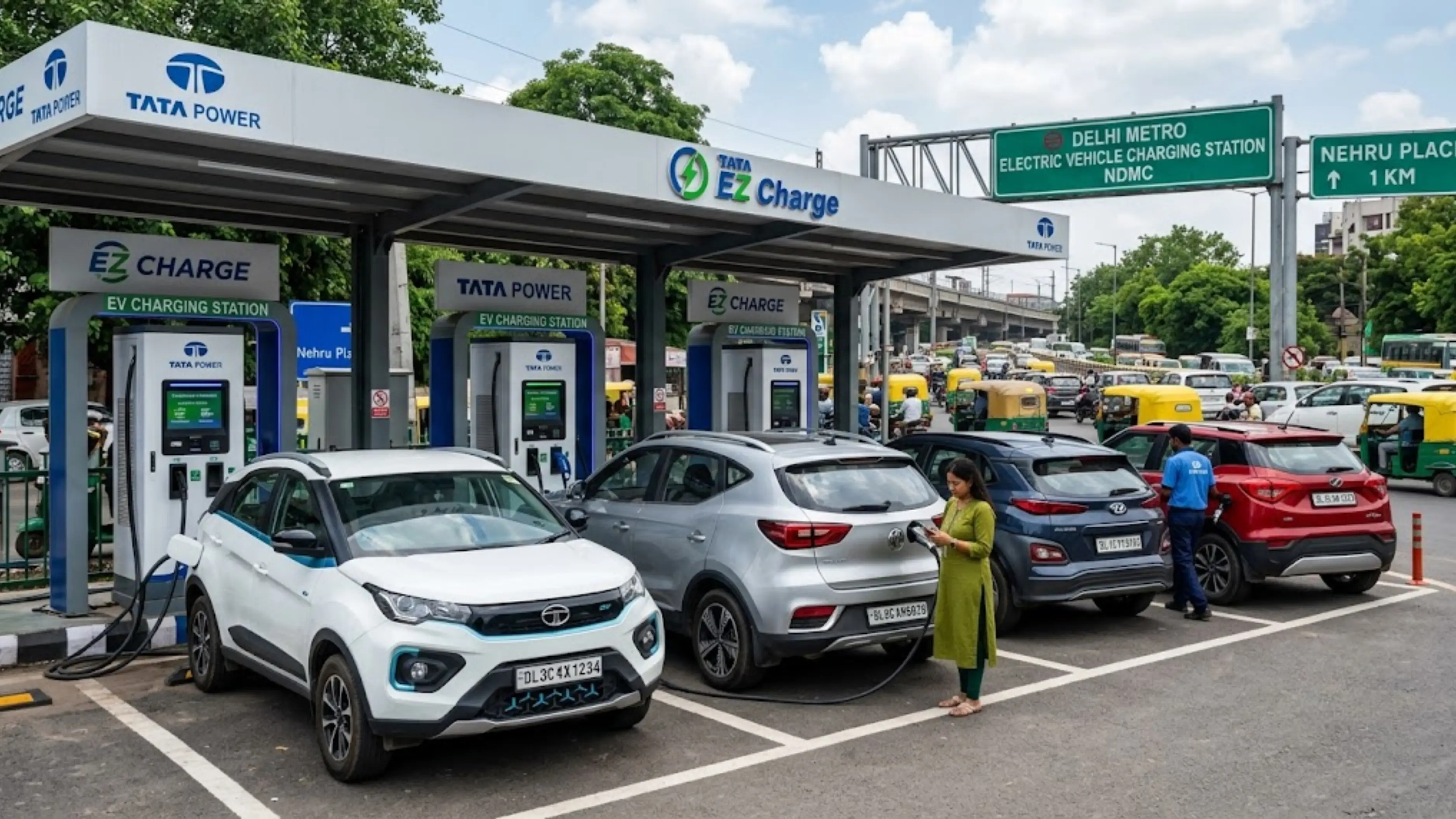
Delhi EV Policy 2026 in Effect from July 1
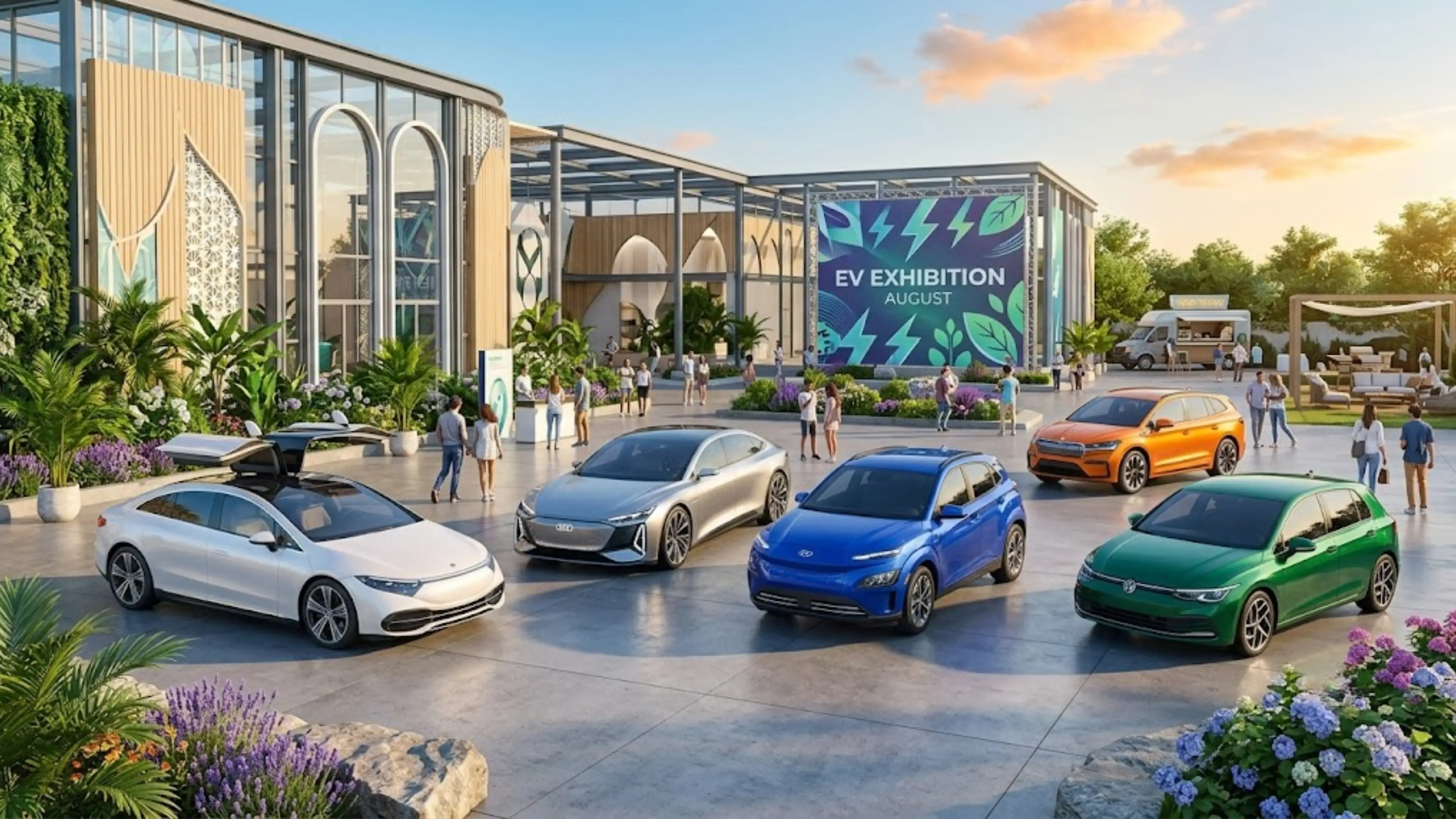
Upcoming Electric Cars in August 2026 in India
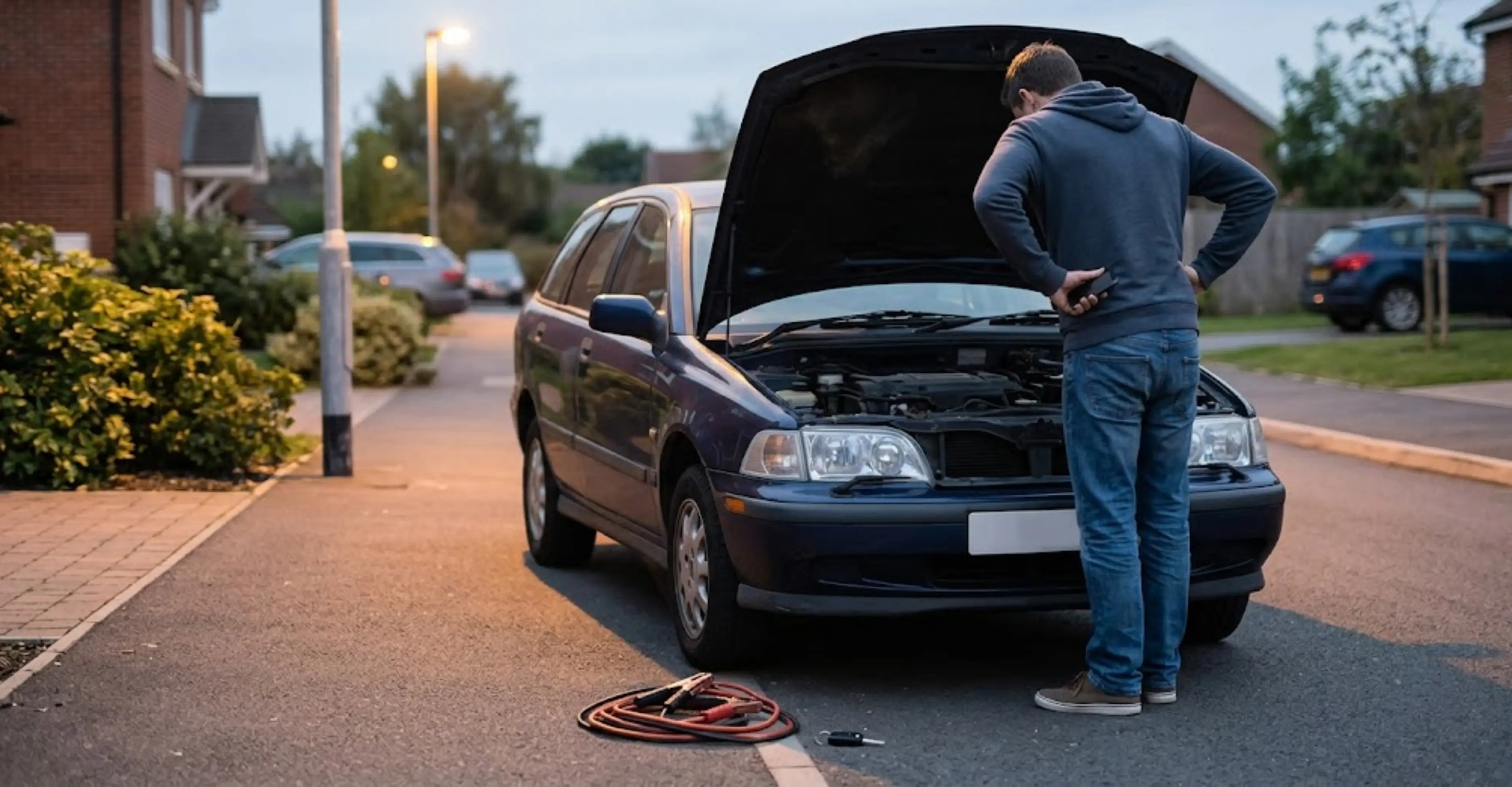
What to Do If Your Car Battery Is Dead
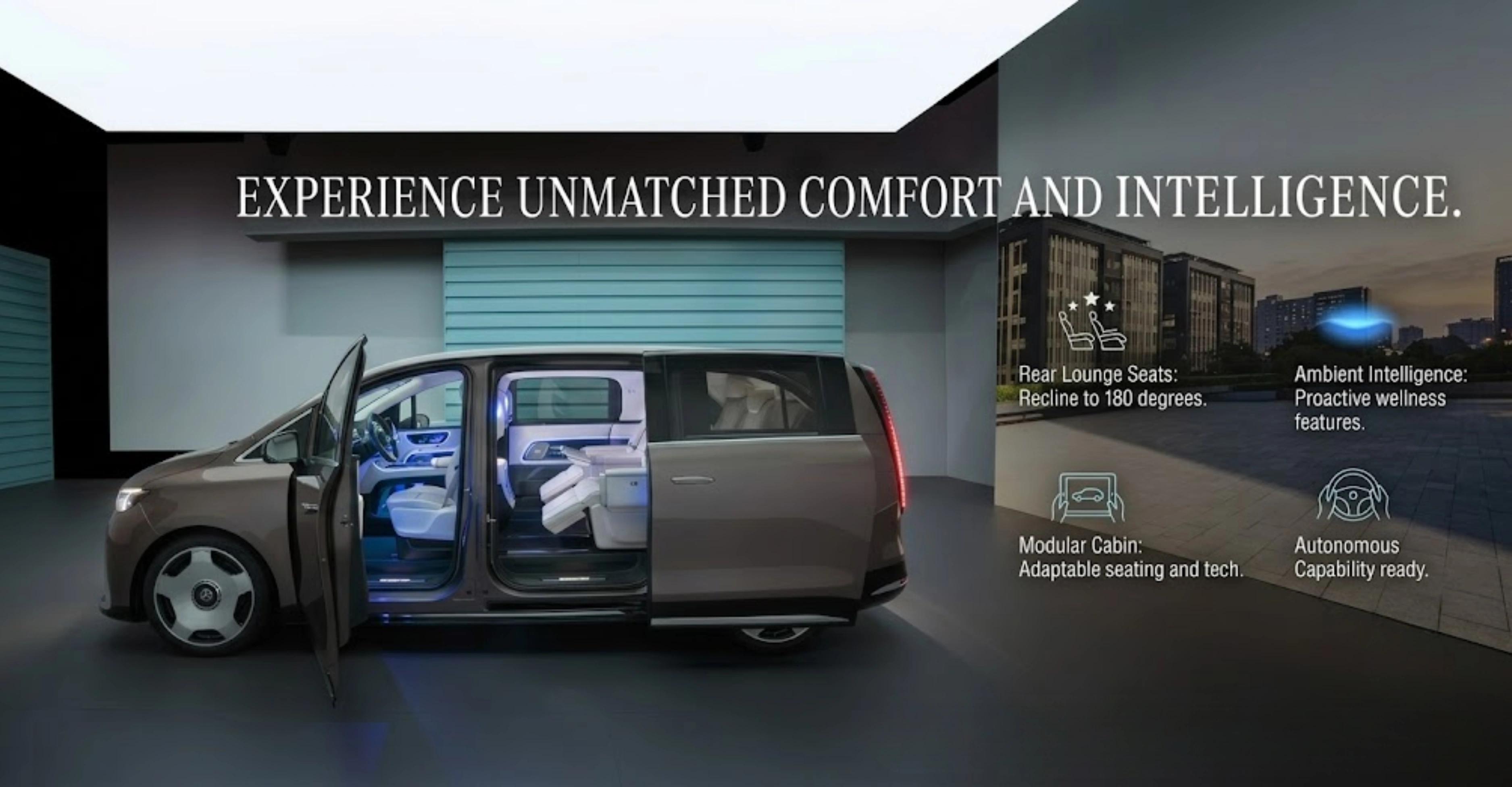
Mercedes-Benz VLE Unveiled: 8-Seater EV with 700+ KM Range
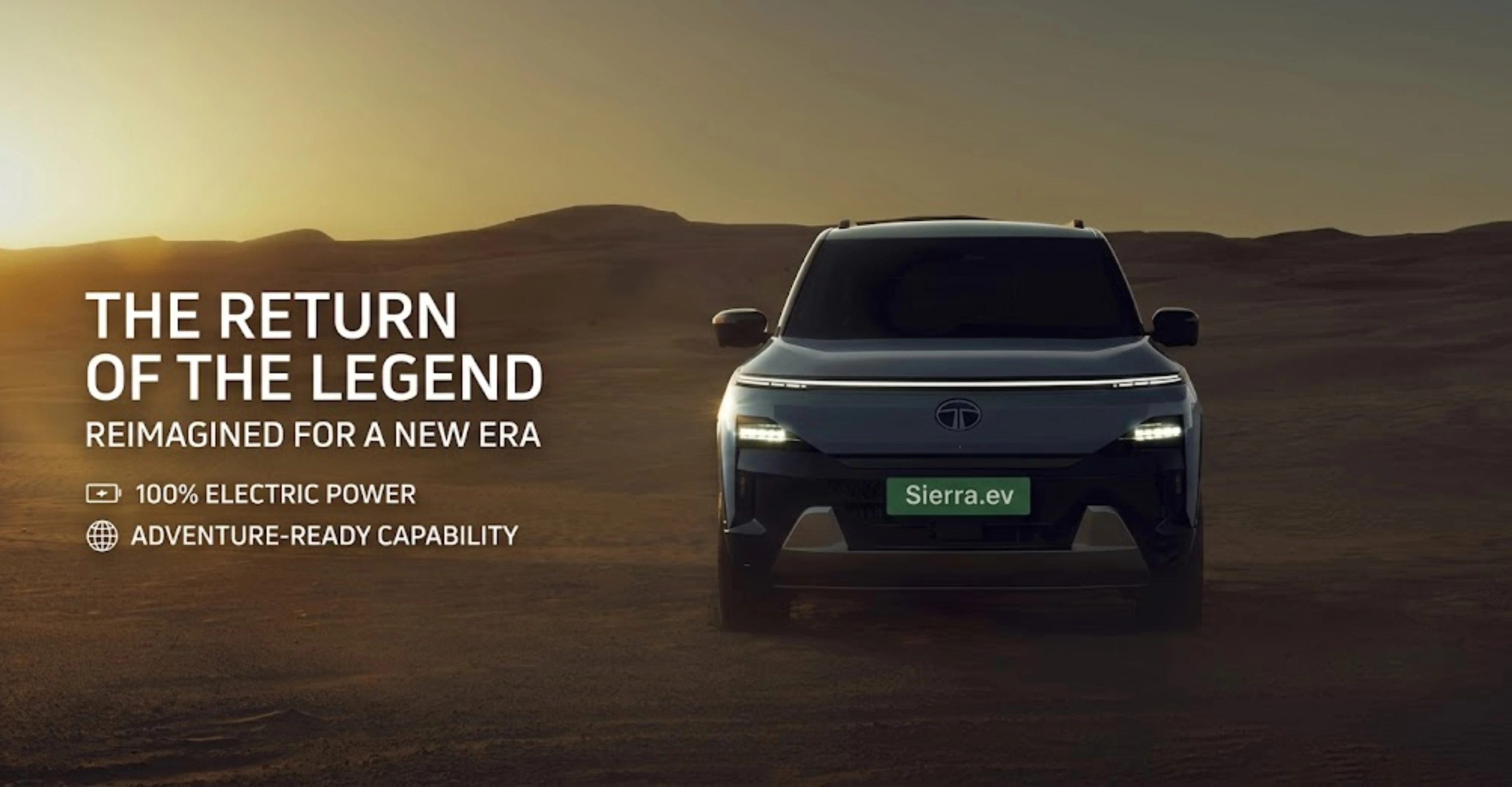
Tata Sierra EV First Look: 600+ KM Range, Triple Screens & More
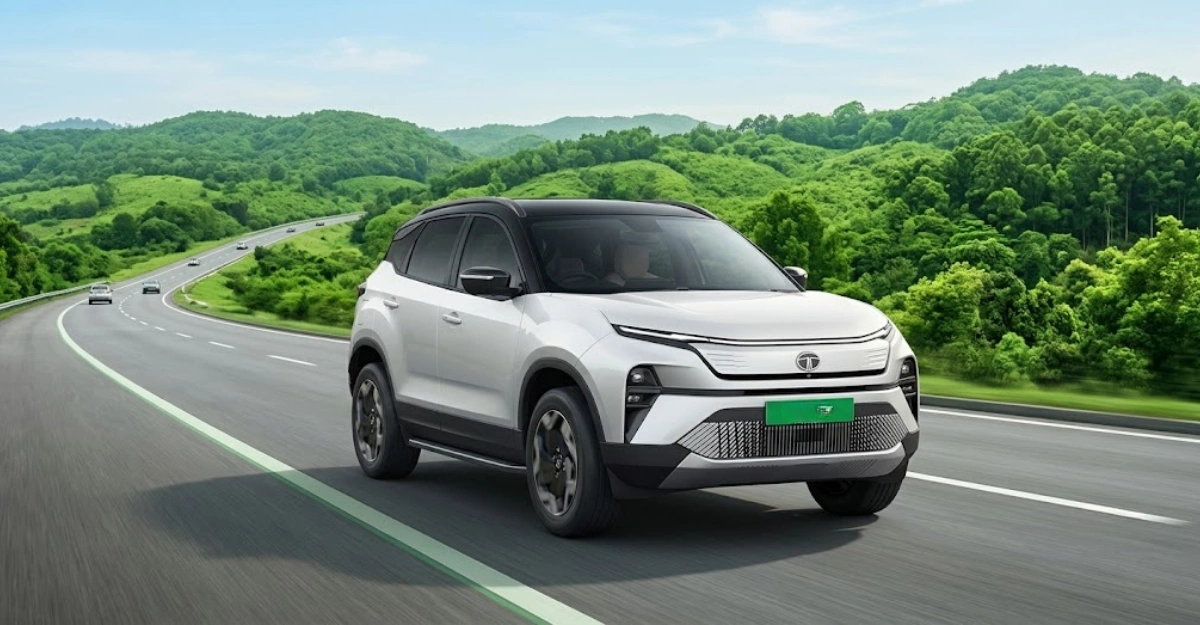
Top Accessories You Should Buy for Your Tata Harrier EV
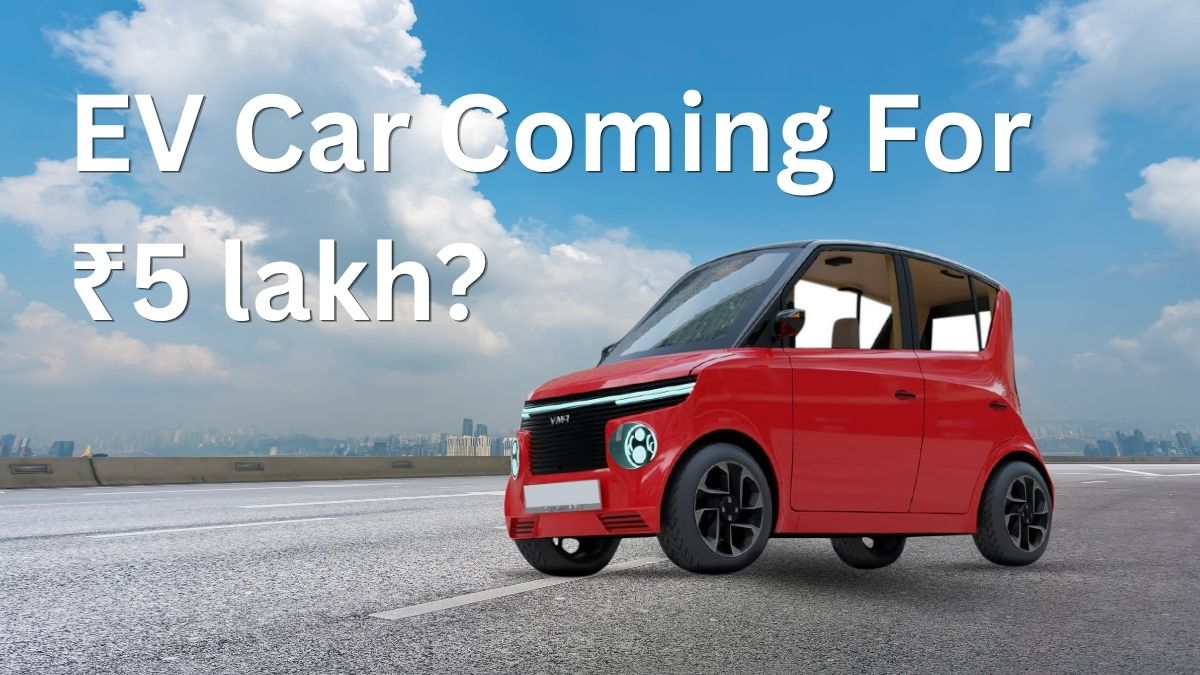
Is an EV Car Coming for ₹5 Lakh? A Major Shift in the Indian Auto Market
Top Upcoming SUVs and Electric Cars in April 2026 That Could Change the Market
Bookings Open for the Mercedes-Benz CLA Electric – A New Competitor Enters India’s EV Market
Tata’s New Budget Electric Car Coming in 2026 – Is the Nano EV Making a Comeback?
Hybrid Cars vs Electric Cars in India 2026: Which Is Better?
BYD India New Electric Sedan Launched – Price & Range Revealed
Top 5 Affordable Electric Cars in India 2026 (Best Budget EVs with Long Range)
Tata vs MG EV Comparison – Which One Is Better in 2026?
Tata EV Lineup 2026 REVEALED – Full Price Breakdown

Tesla India Booking Date LEAK – Big Update!
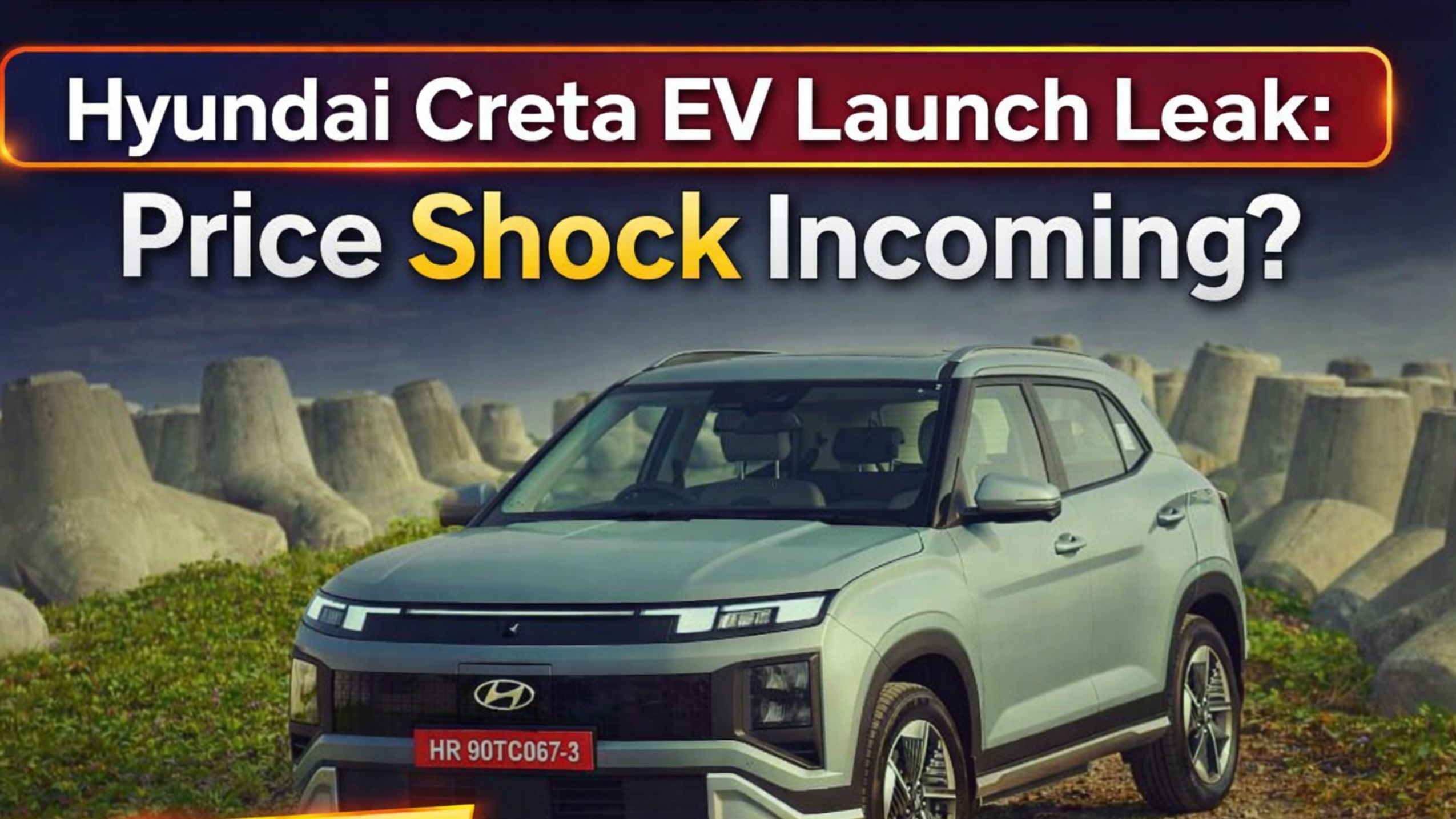
Hyundai Creta EV Launch Leak: Price Shock Incoming?
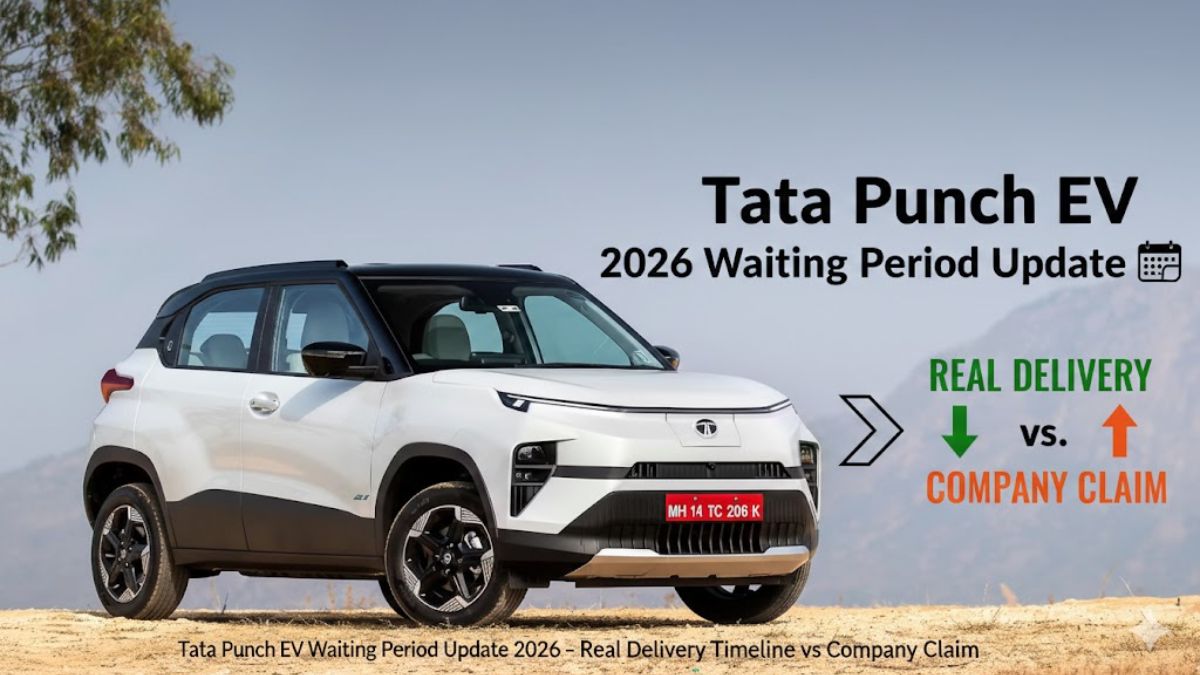
Tata Punch EV Waiting Period Update 2026: Real Delivery Timeline vs. Company Claims