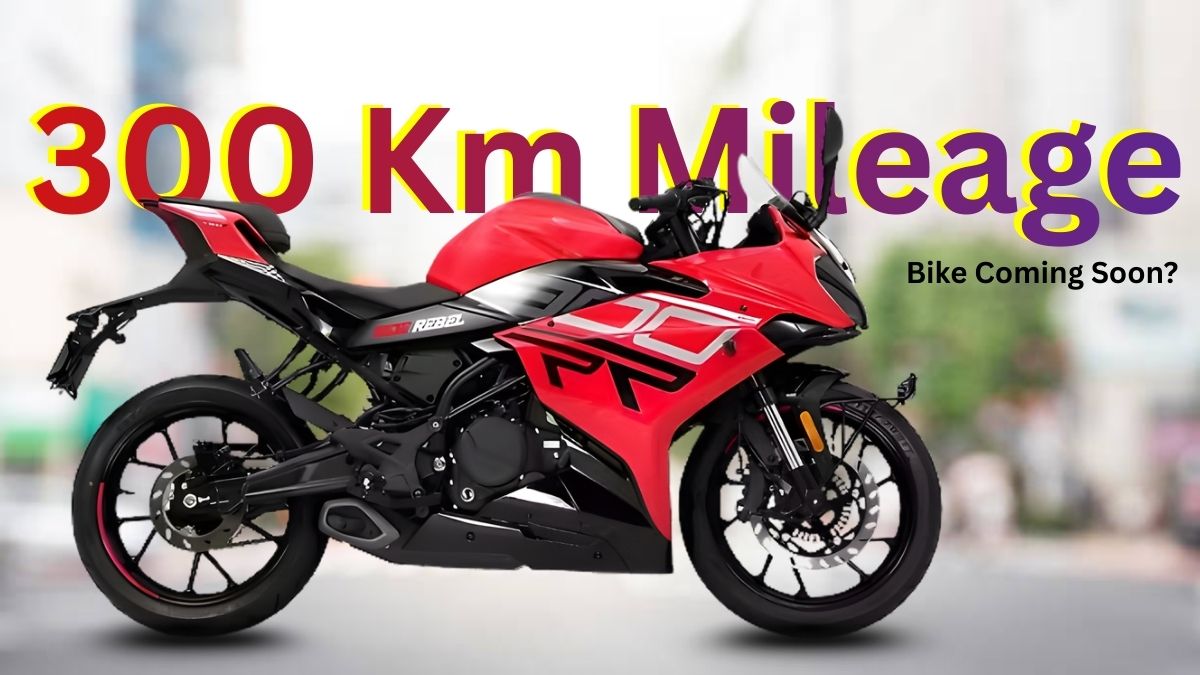
300 Km Mileage Bike Coming Soon? Company Leaks New Hyper-Mileage Engine
- Bikes
- Published: 05 Dec, 2025
Book a Test Drive
Free doorstep test drive at your convenience
Imagine — a motorcycle that gives a realistic range of 300 kilometres on a single tank. Sounds too good to be true, right? Yet, recent rumours and a leak from an unnamed manufacturer suggest exactly that: a “hyper-mileage” engine in development, promising drastically improved fuel efficiency compared to typical bikes on the road today. As fuel prices soar and commuting distances increase, the idea of a 300 km-per-tank (or per fill) bike has naturally captured the attention of riders and commuters across India.
But what is real, what is hype — and is “300 km mileage” even plausible for a petrol-powered bike? This article explores the claim, what we know so far, what to watch out for, and whether such a bike could be a game-changer.
📈 Background: What Typical Bikes Get Today
To appreciate the magnitude of the claim, it helps to know what normal fuel efficiency looks like in India. Most commuter-class bikes — especially 100–125 cc or small-cc engines — deliver mileage in the range of 60–80 km per litre (kmpl), depending on engine design, riding conditions, and maintenance.
Even among popularly fuel-efficient bikes, achieving above 70 kmpl under ideal conditions is considered very good.
Given that reality, a “300 km mileage bike” claim suggests one of two things might be implied:
- Either a much higher km per litre efficiency, or
- A larger fuel tank + good efficiency, or
- A different fuel/energy system (hybrid / alternate fuel / new tech) — especially if it truly seems beyond what conventional combustion engines deliver.
What the Leak Claims: “New Hyper-Mileage Engine”
According to the unconfirmed leak, a yet-to-be-revealed manufacturer is working on a “hyper-mileage engine” meant for their next bike — engineered to give riders a range of around 300 km per fill. The marketing around this leak highlights:
- A more efficient combustion process or improved engine tuning (higher compression efficiency, optimized fuel-air mixing).
- Possibly a larger fuel tank — enabling longer rides between refuels.
- Optimized gearing and lightweight frame to maximize fuel economy.
- Aimed at commuters and long-distance city-to-outskirts riders who want to cut down fuel costs.
Supporters of this leak argue that with rising fuel prices in India — and increasing commute distances in urban sprawl — such a bike could significantly ease daily expenses for riders.
However, many industry experts and reviewers remain skeptical — not because the goal is impossible, but because achieving it consistently under real-world urban and highway conditions may be difficult for a standard petrol bike.
Potential Challenges & Why Real-World Mileage Might Differ
Even if a bike is optimized for efficiency, a few key challenges remain:
- Traffic, stop-and-go driving, and frequent acceleration/deceleration dramatically reduce real-world mileage compared to ideal test conditions.
- Riding habits and load (pillion, luggage, road gradients) impact mileage more than manufacturers often highlight.
- Tank-to-tank mileage vs. kmpl claims: A 300 km per tank figure is only impressive if the fuel tank size is reasonable; otherwise, it might hide a not-so-impressive kmpl efficiency.
- Engine tuning vs. durability trade-offs: Pushing for maximum fuel economy sometimes compromises performance, engine life, or reliability if not engineered carefully.
- Emission norms & real usage conditions: Real-world conditions including air pollution norms, fuel quality, and maintenance regimes matter significantly.
Given that many currently popular bikes deliver around 35–45 kmpl in real usage even though their claimed has higher numbers, a “300 km per tank” claim must be scrutinized thoroughly before acceptance.
What If It’s Real — What It Could Mean for Indian Riders
If the leak turns out to be legitimate and the “hyper-mileage” bike delivers close to 300 km per tank in real-world use, it could bring few big advantages:
- Significant savings on fuel cost — especially with current and rising petrol prices.
- Less frequent fuel stops — a big plus for long commuters or people travelling on highways/town outskirts.
- Lower maintenance and running cost per km — over time, high efficiency pays off.
- Reduced carbon footprint per km — if the engine is designed to burn fuel more cleanly and efficiently.
- More appeal for daily commuters and budget-conscious riders — as people might prefer efficiency & cost-savings over heavy performance.
Why Choose This Hyper-Mileage Bike (If It Comes) 🚴♂️
If you decide to go for this upcoming bike — assuming the leaks are true and specs are verified — here are reasons why it could be right for you:
1. Cost-Effective Commuting
Fuel economy translates directly to savings. Perfect for daily riders, college students, office commuters, or those with long travel distances.
2. Longer Range, Fewer Fuel Stops
Less time waiting in fuel queues or searching for pumps — ideal for long rides, highway travels, or rural trips.
3. Lower Running & Maintenance Cost per km
Efficient engines usually put less strain per kilometre — giving potential savings on maintenance and wear-and-tear in long run.
4. Environmentally Friendly Option (Relative)
Reduced fuel consumption per km helps in lowering fuel demand and emissions — a small but meaningful step in greener commuting.
5. Good Balance of Efficiency & Convenience
For riders who care more about mileage and practicality than just speed or power, this bike could offer a balanced, smart solution.
What to Verify — Before Getting Too Excited
Before you get carried away by the hype:
- Wait for official confirmation and detailed specs from manufacturer (fuel tank capacity, claimed kmpl, real-world test data).
- Look out for independent reviews and first-ride reports — they’ll reveal real-world performance under Indian traffic and road conditions.
- Pay attention to maintenance schedule, engine build quality, and fuel type compatibility — these affect long-haul reliability.
- Compare with existing high-mileage bikes in your city to see actual savings vs. expectations.
🧭 Conclusion
The idea of a “300 km mileage bike” emerging soon is exciting — and with rising fuel costs, it’s easy to see why riders are keen. If the leaked “hyper-mileage engine” delivers on its promises, it could change the way many Indians commute: more savings, longer rides, fewer fuel stops, and a more efficient daily ride.
Yet, until we get official confirmation and real-world performance data, the claim remains speculative. Given how mileage often falls short in real traffic compared to ideal conditions, a healthy dose of caution and critical evaluation is wise.
In short: this could be a game-changer — but only if reality lives up to the hype.
FAQ
Q1. Is 300 km on one tank realistic for a normal petrol bike?
It’s unlikely under normal urban riding conditions — most existing bikes manage far lower efficiency. 300 km per tank might only be possible if tank capacity is big or mileage extremely high under ideal conditions.
Q2. Could the new “hyper-mileage engine” mean hybrid or electric technology instead of petrol?
It’s possible. Hybrid or alternate-fuel setups often promise higher real-world range than standard petrol engines. If it’s purely petrol, then achieving such range consistently will be more challenging.
Q3. When might this bike launch happen?
Since details are currently based on leaks and rumours, there’s no confirmed launch date yet. Watch out for official announcements from manufacturers.
Q4. Should I buy a yet-to-launch bike based merely on mileage claims?
No. Always wait for official reviews, real-world mileage reports, fuel tank details, long-term reliability data before making a decision.
Q5. What should I check first if I consider this bike seriously?
Check fuel tank capacity, independent real-world mileage tests, engine build quality, maintenance costs, and availability of service centres — these matter more than the hype of “300 km per tank.”
Book a Test Drive
Free doorstep test drive at your convenience
Popular Brands





Latest Bike News
Bajaj Pulsar N160 SS Mileage: Real-World Average, City & Highway Figures
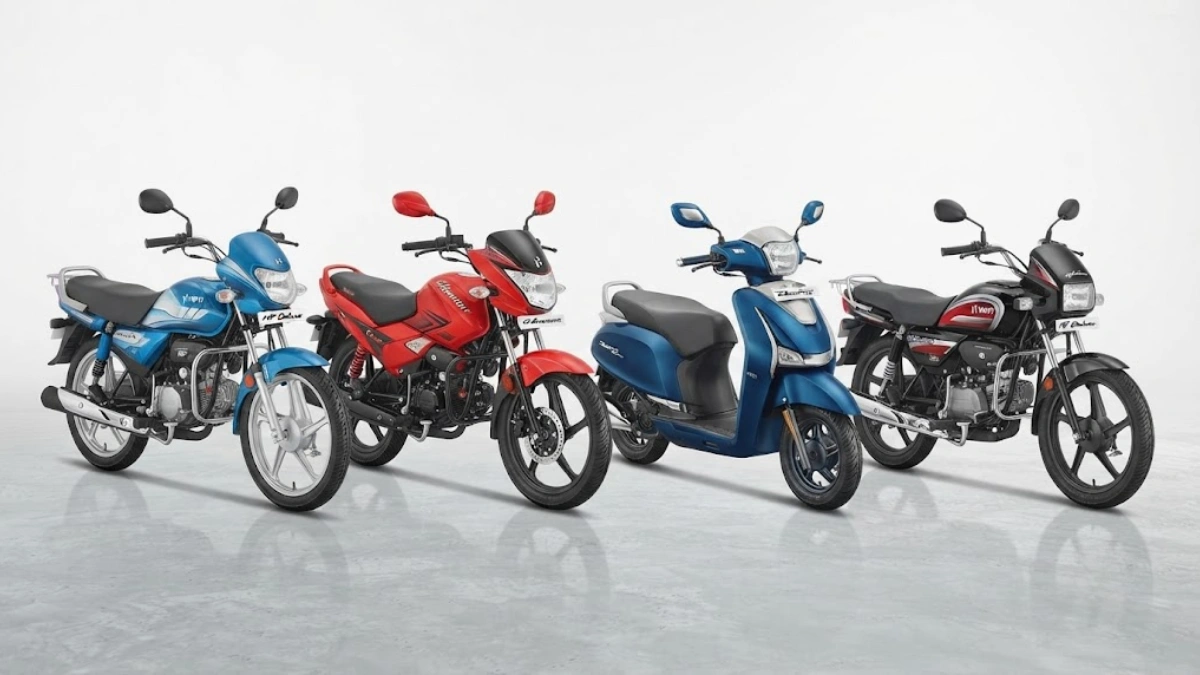
Hero June 2026 Sales Report: Splendor, HF Deluxe, Destini & Glamour
War Impact on Two-Wheeler Market: Sales Growth or Slowdown in 2026?
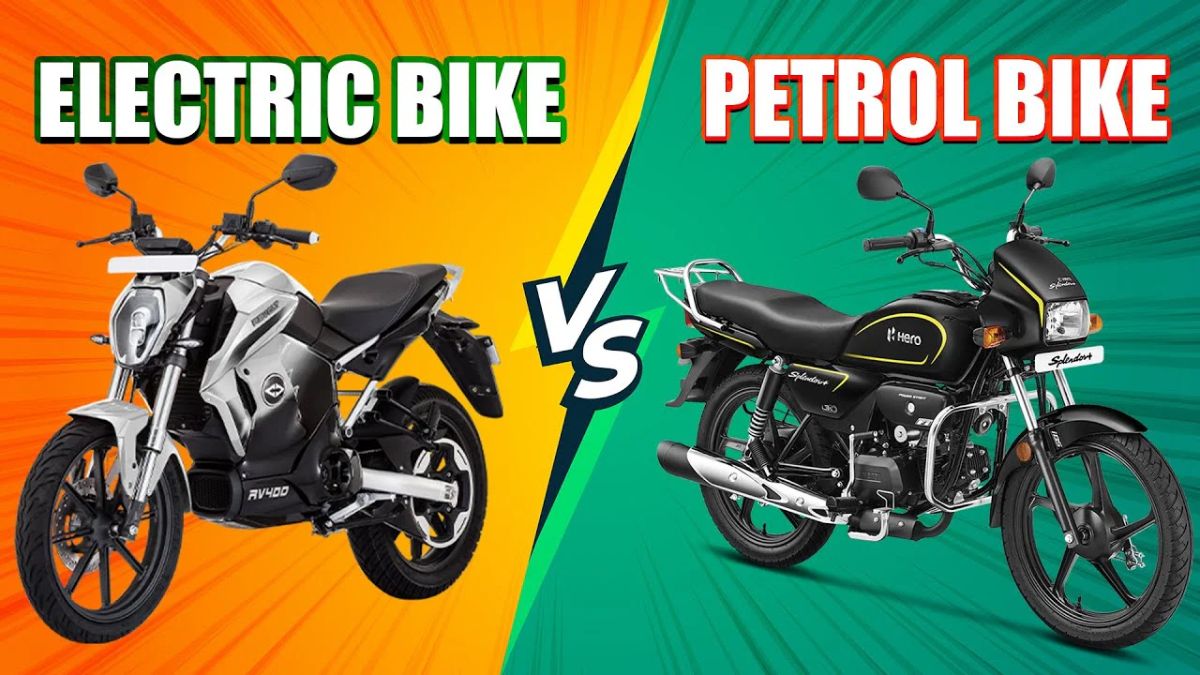
Electric Bikes vs Petrol Bikes During War: Which Is the Smarter Choice?
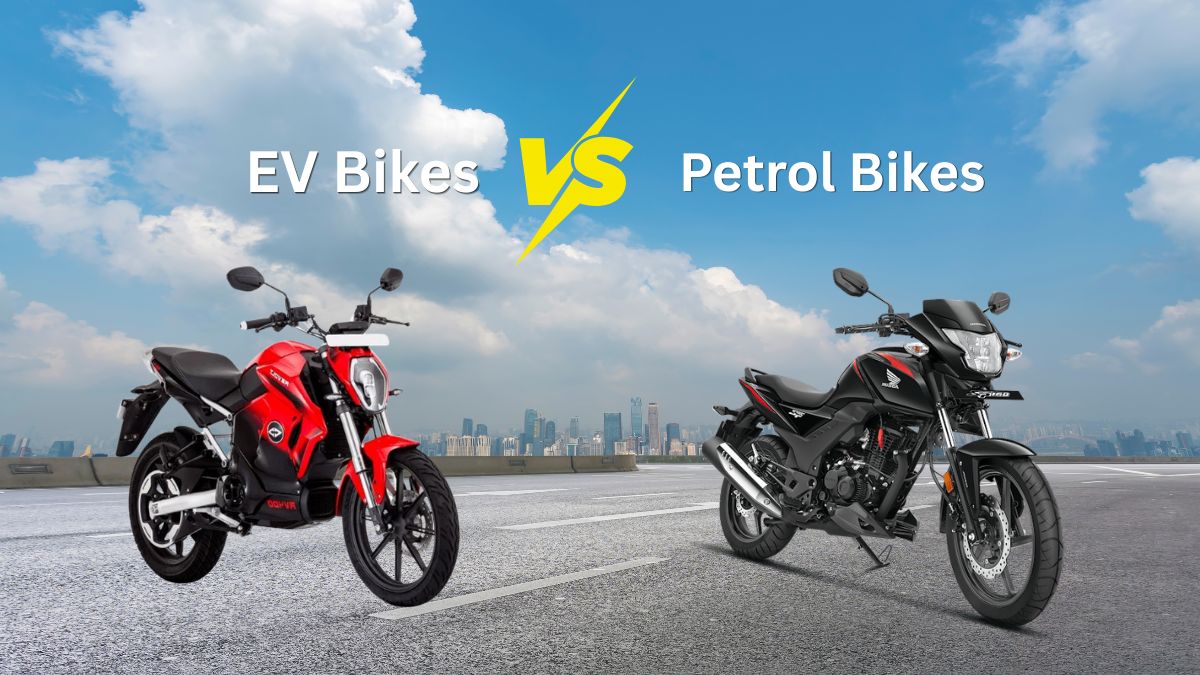
EV Bikes vs Petrol Bikes: Which One Holds the Future in 2026?

Royal Enfield Hunter 350 Launched in 2026: What’s New in India’s Popular Bike?
Triumph Tracker 400 (350cc) Launched in India: Affordable Premium Bike?
Upcoming Bikes April 2026: 5 Bikes That Can Change the Market
Hero Xtreme 160R 4V Launched in India with Cruise Control: Price, Features and Full Specs
Hero MotoCorp February 2026 Sales Report: No.1 Again?
TVS Holi Finance Scheme 2026 Brings 0% Down Payment
Bajaj Holi Discount 2026: ₹10,000 Off Bikes
Top 5 Best Mileage Bikes in India 2026 Under ₹1 Lakh
Hero Xtreme 125R vs TVS Raider 125 – Best 125cc Bike Comparison
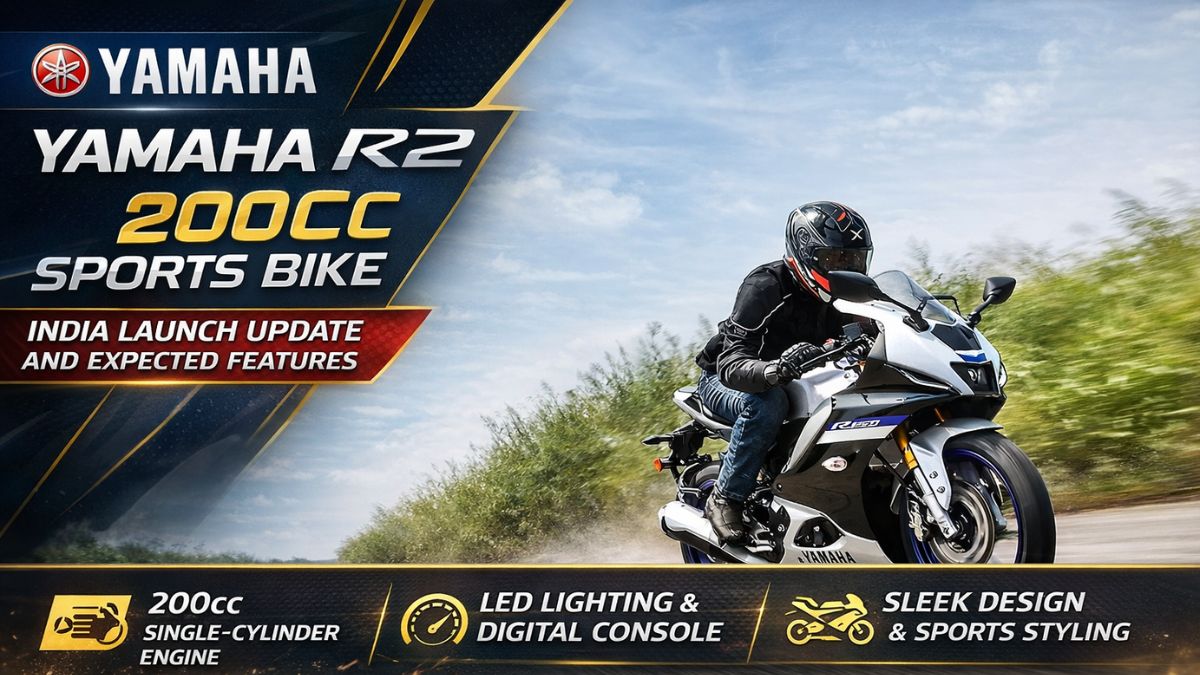
Yamaha R2 200cc Sports Bike – India Launch Update and Expected Features
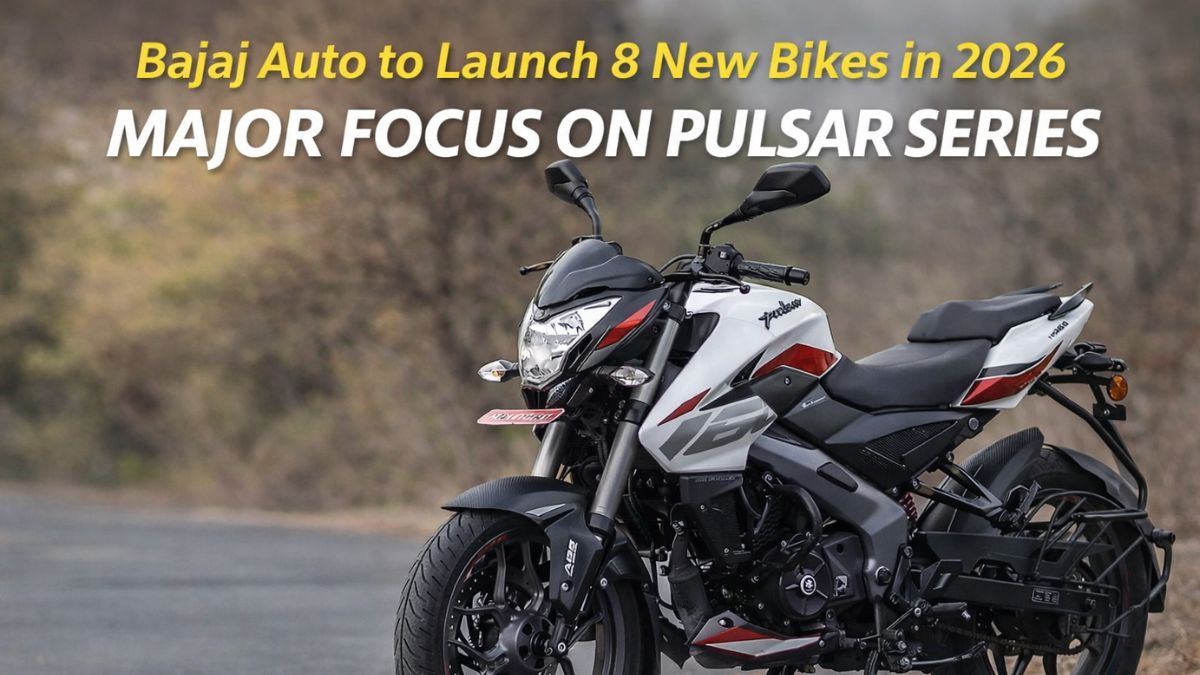
Bajaj Auto to Launch 8 New Bikes in 2026 – Major Focus on Pulsar Series
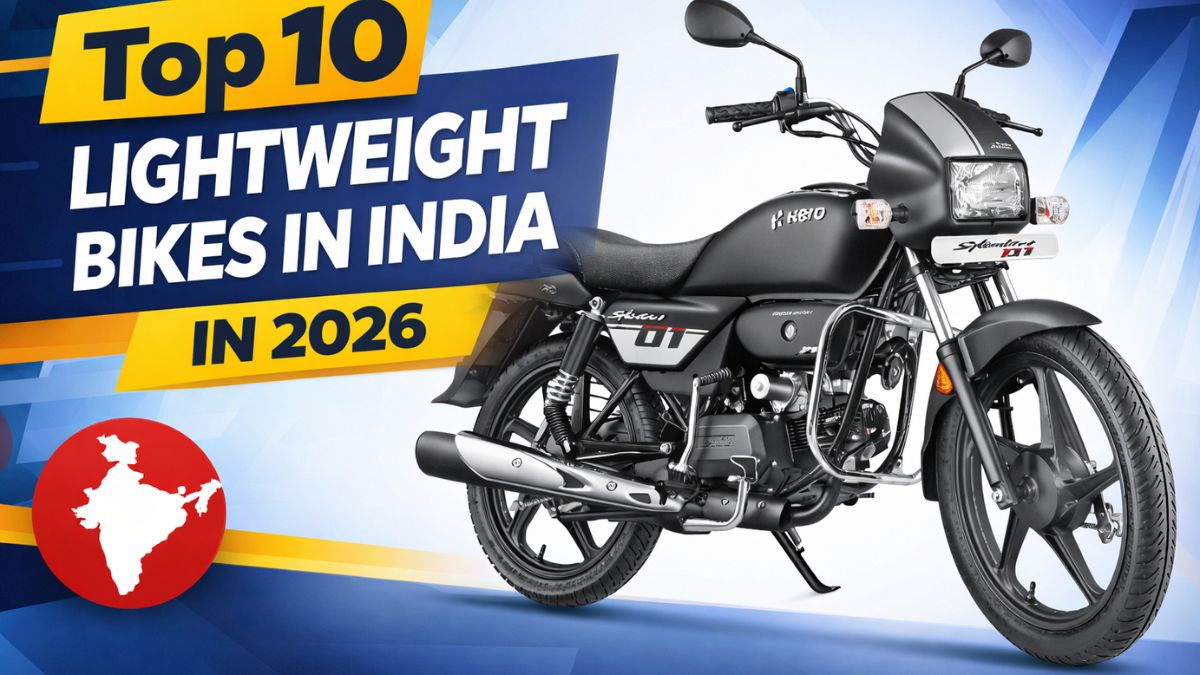
Top 10 Lightweight Bikes in India in 2026
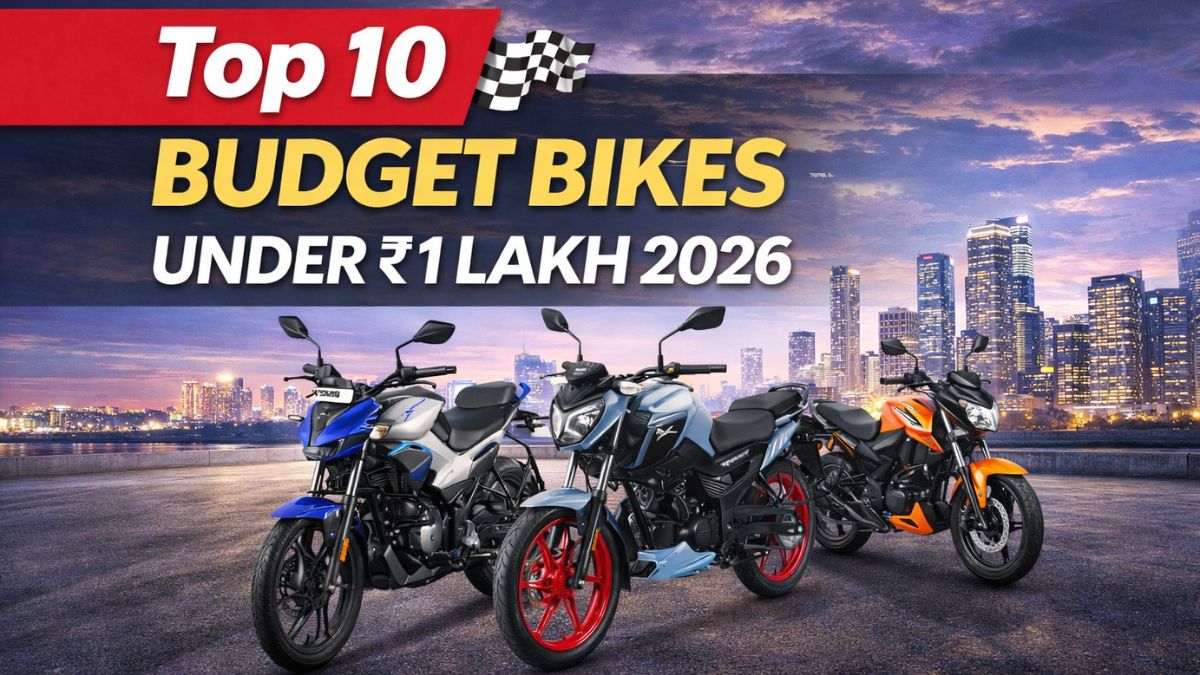
Top 10 Budget Bikes Under ₹1 Lakh 2026

Hero Xpulse 200 vs Royal Enfield Himalayan – Off-Road Comparison
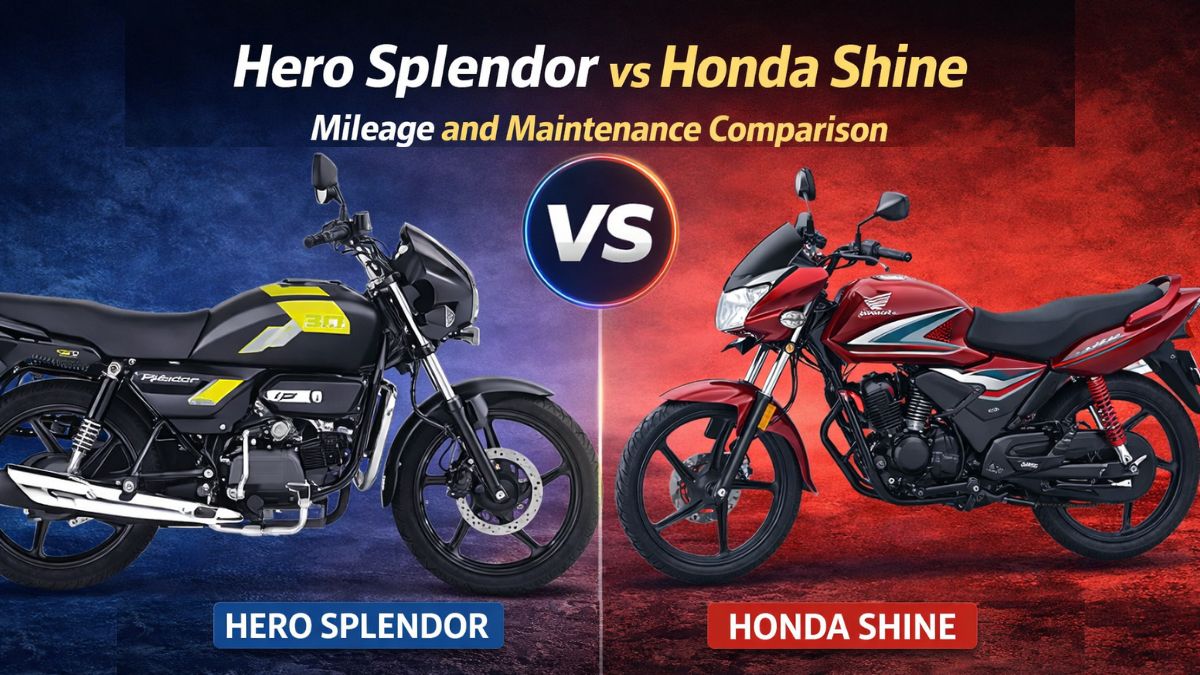
Hero Splendor vs Honda Shine – Mileage and Maintenance Comparison