Which Will Be the Cheapest Electric Car in 2026? Tata vs Maruti vs Tesla
- Electric-Cars
- Published: 23 Dec, 2025
Book a Test Drive
Free doorstep test drive at your convenience
As electric vehicles (EVs) gain ground in India, many buyers are asking: Which will be the cheapest electric car in 2026? Tata vs Maruti vs Tesla is a hot topic — especially for first-time EV buyers and budget-conscious families. With major automakers expanding EV lineups and new models launching, the competition for the most affordable EV is heating up.
The Current Budget EV Landscape in India
In 2025, several compact and budget-friendly electric cars have already carved out a place in the Indian market:
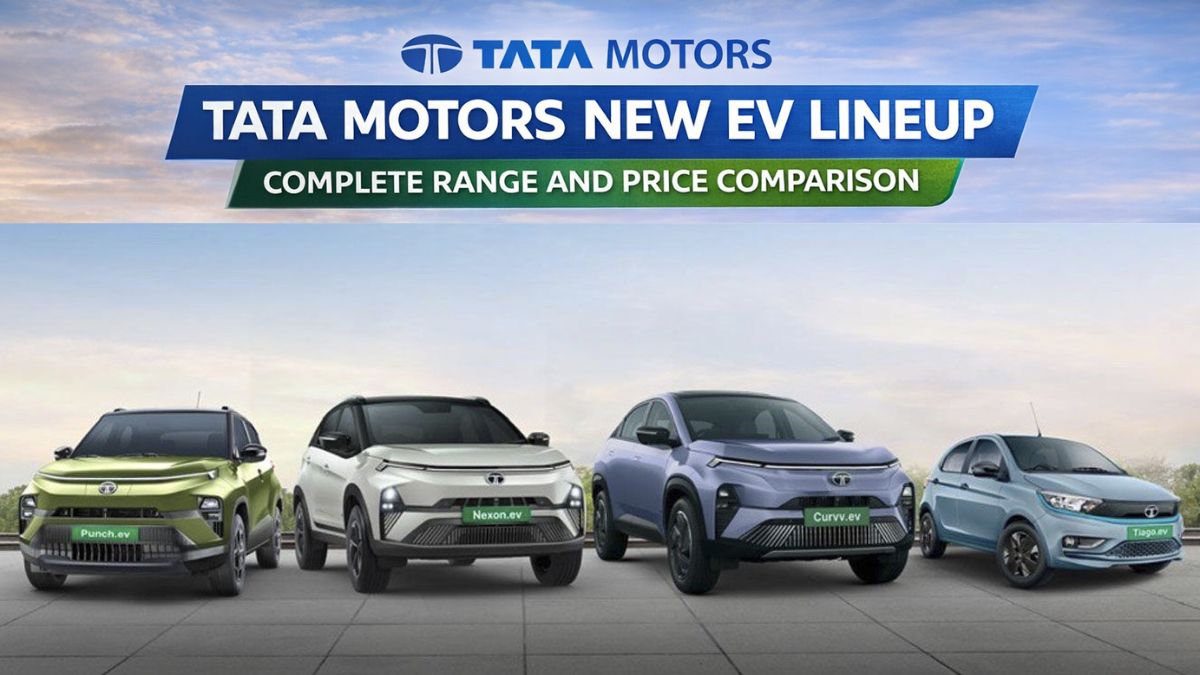
- Tata Tiago EV: One of the most affordable new electric cars in India with prices starting around ₹7.99 lakh** ex-showroom**, making it an attractive choice for urban buyers.
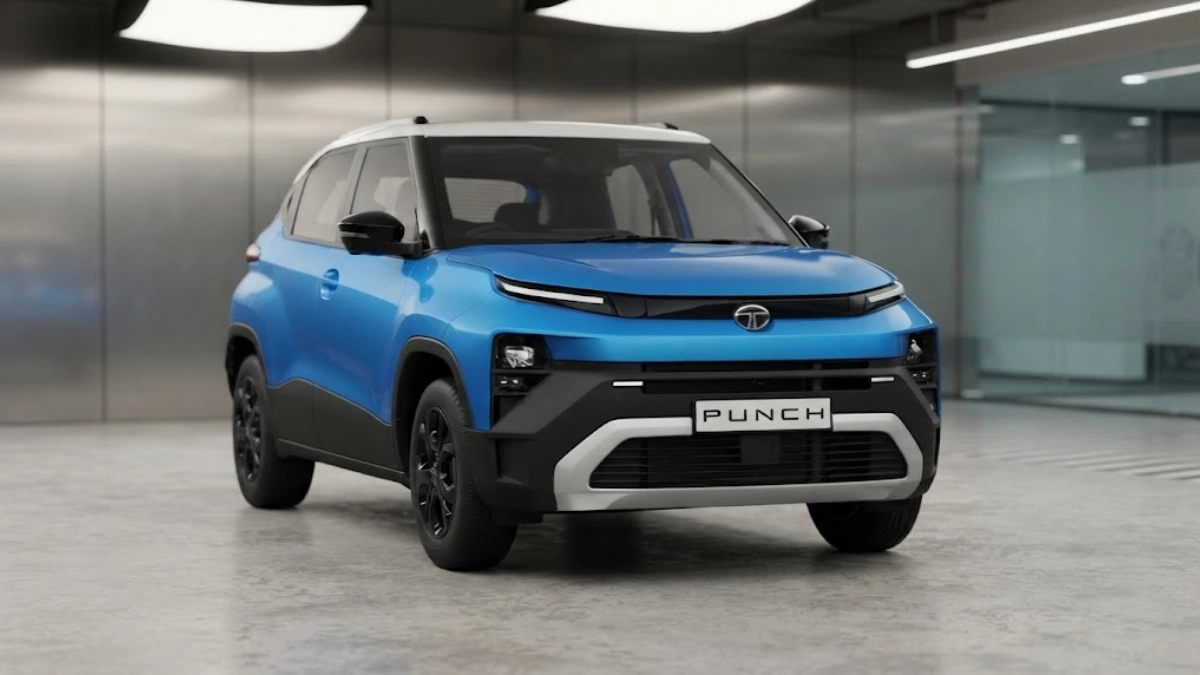
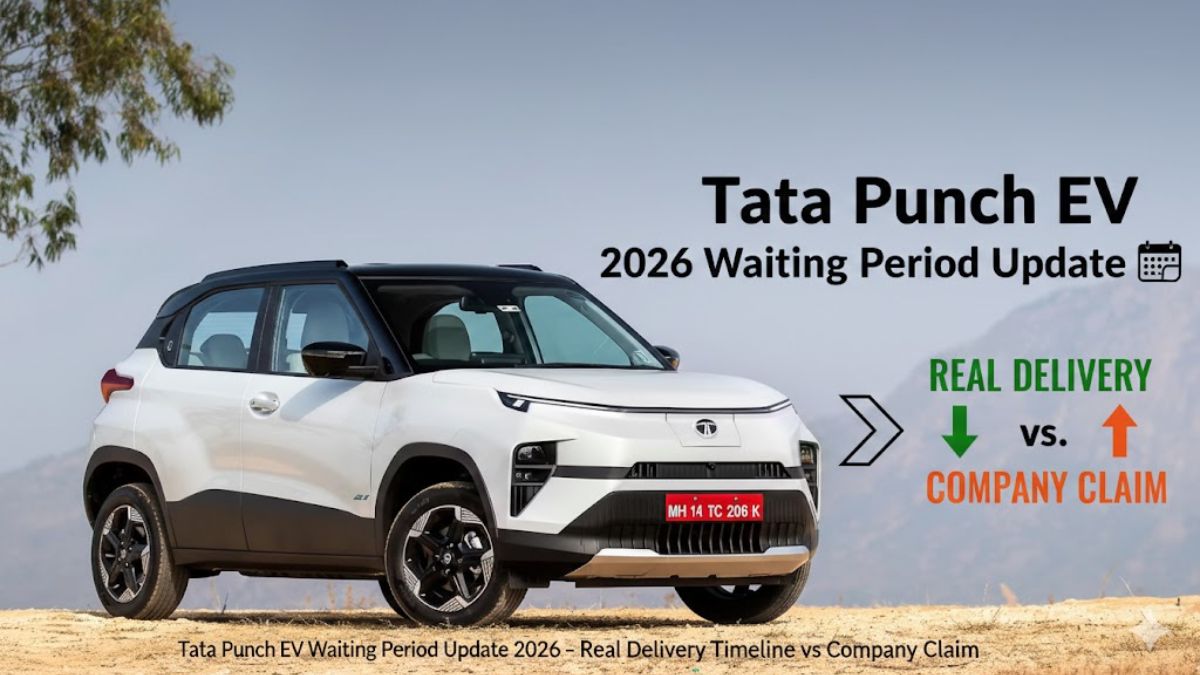
- Tata Punch EV: A slightly larger compact SUV-style EV that sits close to the ₹10 lakh mark in base trims, offering more space and SUV-like stance.
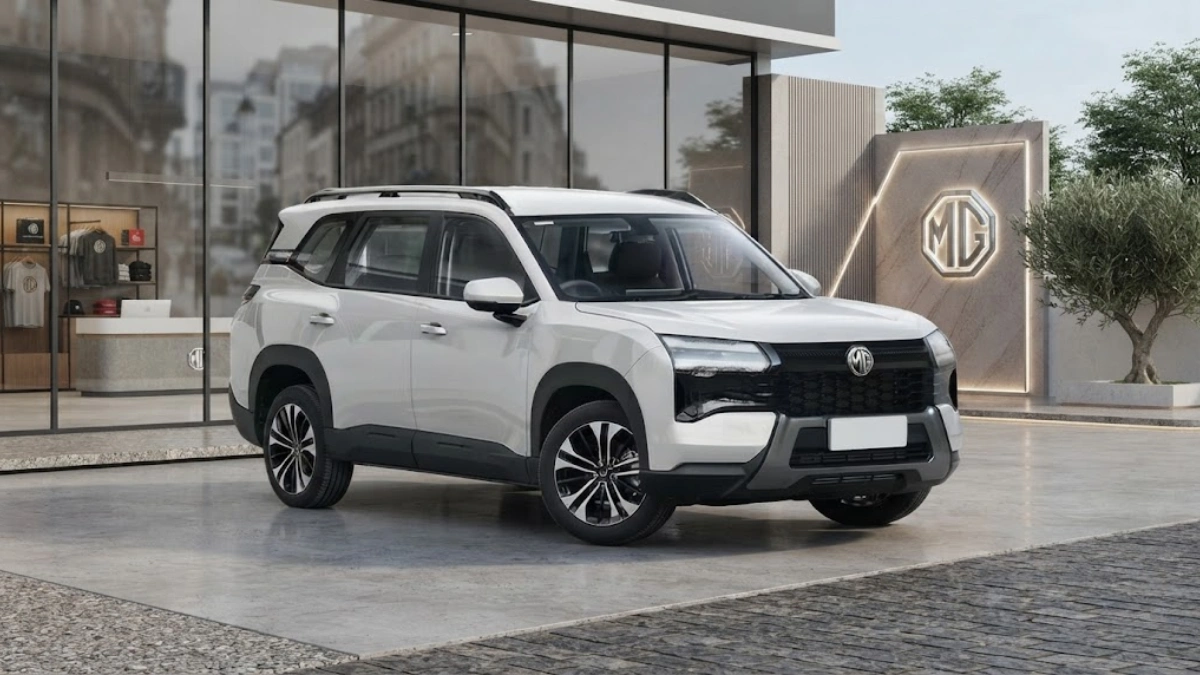
- MG Comet EV: A mini city EV clustering under ₹10 lakh — often featured in lists of cheapest EVs in 2026.
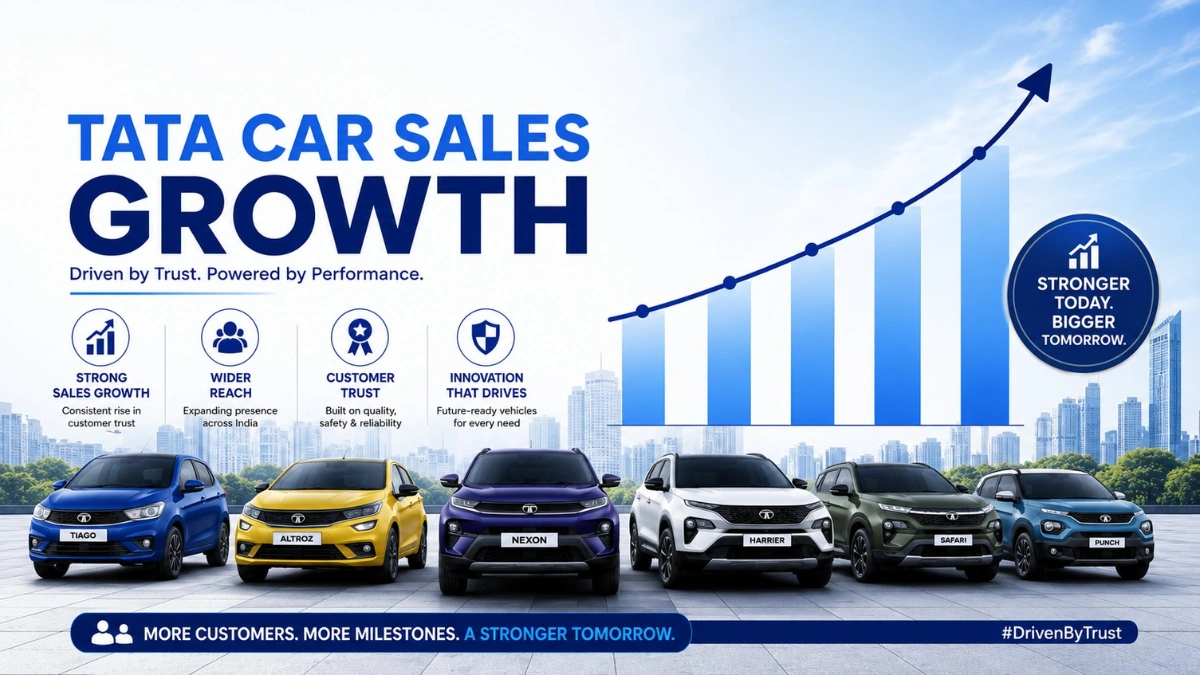
These models dominate the entry-level EV segment today, especially under ₹10 lakh price points, and Tata Motors leads this category with strong sales and network support.
Tata Motors: Leader in Affordable Electric Cars
Tata Motors currently holds a strong advantage when it comes to pricing and delivery of budget EVs. The Tata Tiago EV remains one of the lowest-priced factory-new electric cars in India, backed by Tata’s widespread dealership network and proven reliability.
For 2026, Tata is expected to retain this lowest-cost crown with its existing models and possibly new entry trims designed specifically for cost-sensitive buyers. Given Tata’s experience with electric drivetrains and domestic manufacturing scale, its base EV pricing is difficult for rivals to undercut.
Maruti Suzuki: Affordable EV Entry Soon, But Not the Cheapest
Maruti Suzuki — India’s best-selling carmaker — is finally entering the EV space. Its first EV, the Maruti e-Vitara, is expected to launch and compete in the market. Early estimates and media reports suggest pricing could start around the mid-₹10 lakh range and above, which is competitive for mainstream EVs but still higher than Tata’s entry models.
This means Maruti’s smallest EV won’t likely be the cheapest EV in India in 2026, even though it might attract buyers who trust the brand’s service network and fuel-efficient legacy. Maruti’s cautious strategy also reflects its focus on building charging and ecosystem readiness before large-scale EV adoption.
Tesla: Technology Icon But Not Affordable
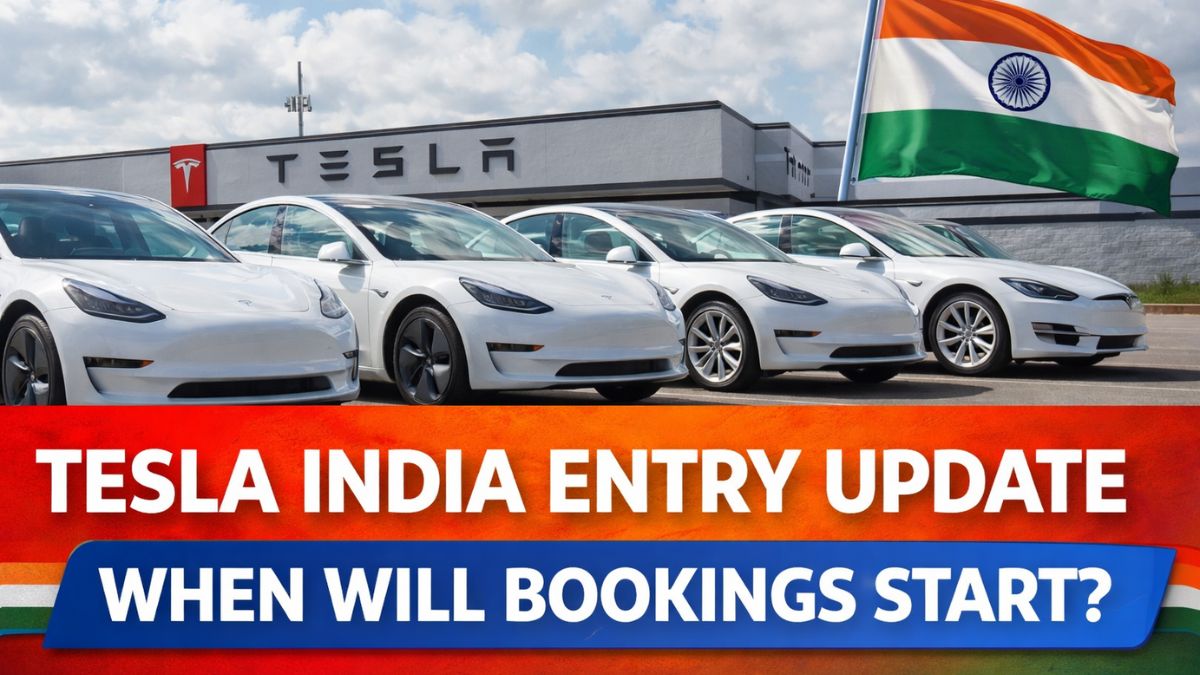
While Tesla is a global EV leader, its presence in India will not dominate the budget EV segment in 2026. The most affordable Tesla model globally (such as the Model 3) is expected to cost well above ₹30 lakh in India due to import duties, logistics, and premium positioning — making it far more expensive than Tata’s and Maruti’s offerings.
Tesla could eventually localize production in India or launch smaller models in the long run — but for 2026, it’s not a contender for the cheapest EV title.
Other Affordable EV Competitors to Watch
There are also micro and ultra-budget EVs entering the Indian market in 2025–2026 from lesser-known makers and startups, as well as small city EVs like the MG Comet EV. These could offer extremely low prices, but they often come with limited range, performance, and safety features compared to mainstream cars.
So — Who Will Be the Cheapest in 2026?
In the Tata vs Maruti vs Tesla showdown for the cheapest EV in India by 2026:
✅ Tata Motors — Most likely to be the cheapest EV provider with the Tata Tiago EV or similar entry-level EV trims staying under ₹10 lakh.
❌ Maruti Suzuki — Expected to launch EVs at higher price points than Tata’s cheapest EVs.
❌ Tesla — Positioned far above budget EV price ranges in India.
So if you’re buying purely for lowest entry price and urban commuting, Tata’s entry EVs remain the best bet in 2026.
Why Choose Tata’s Budget Electric Cars in 2026?
✔ Most Affordable New EVs — Tata’s models like the Tiago EV lead the price charts among new EVs under ₹10 lakh.
✔ Proven Network & Service — Tata has India’s largest passenger car dealer and service footprint — a big advantage for cross-India ownership.
✔ Decent Range for City Use — Tata’s electric cars offer practical range and performance for daily drives and commutes.
✔ Strong Safety Ratings — Tata cars tend to score well in safety assessments, giving peace of mind to families.
Conclusion
When answering the question “Which will be the cheapest electric car in 2026? Tata vs Maruti vs Tesla?”, the clear frontrunner is Tata Motors. With entry-level EVs like the Tata Tiago EV and Punch EV positioned around or under the ₹10 lakh mark, Tata continues to dominate the affordable EV segment.
Maruti Suzuki’s upcoming EVs will broaden choices and boost confidence in electric mobility, but won’t take the crown for cheapest EV in 2026. Tesla, despite its tech prowess, remains a premium choice far above entry-level pricing in India.
Frequently Asked Questions (FAQs)
1. Will Tata have the cheapest EV in India in 2026?
Yes — Tata’s entry EVs are likely to remain among the most affordable new electric cars in 2026, especially models like the Tiago EV.
2. Is Maruti Suzuki launching an electric car in India by 2026?
Yes — Maruti Suzuki is expected to launch its first EV (e-Vitara) with pricing higher than Tata’s cheapest EVs.
3. Will Tesla electrify India’s budget car market?
Unlikely by 2026 — Tesla’s models are expected to remain far above the lowest price brackets due to import costs.
4. Are there EVs cheaper than ₹10 lakh available by 2026?
Yes — budget EVs like Tata’s entry models and MG Comet EV aim to stay under ₹10 lakh, making electric cars more accessible.
5. Should I wait for 2026 to buy an electric car?
If price is your priority, waiting for more budget EV launches in 2026 could give you better choices and lower pricing.
Book a Test Drive
Free doorstep test drive at your convenience
Popular Brands


Latest Electric Car News
Hyundai EV Compact SUV India Launch: Expected Price, Range & Key Details
Hybrids vs. EVs: Which Is Better for You?
Delhi EV Policy 2026 in Effect from July 1
Upcoming Electric Cars in August 2026 in India
What to Do If Your Car Battery Is Dead
Mercedes-Benz VLE Unveiled: 8-Seater EV with 700+ KM Range
Tata Sierra EV First Look: 600+ KM Range, Triple Screens & More
Top Accessories You Should Buy for Your Tata Harrier EV
Is an EV Car Coming for ₹5 Lakh? A Major Shift in the Indian Auto Market
Top Upcoming SUVs and Electric Cars in April 2026 That Could Change the Market
Bookings Open for the Mercedes-Benz CLA Electric – A New Competitor Enters India’s EV Market
Tata’s New Budget Electric Car Coming in 2026 – Is the Nano EV Making a Comeback?
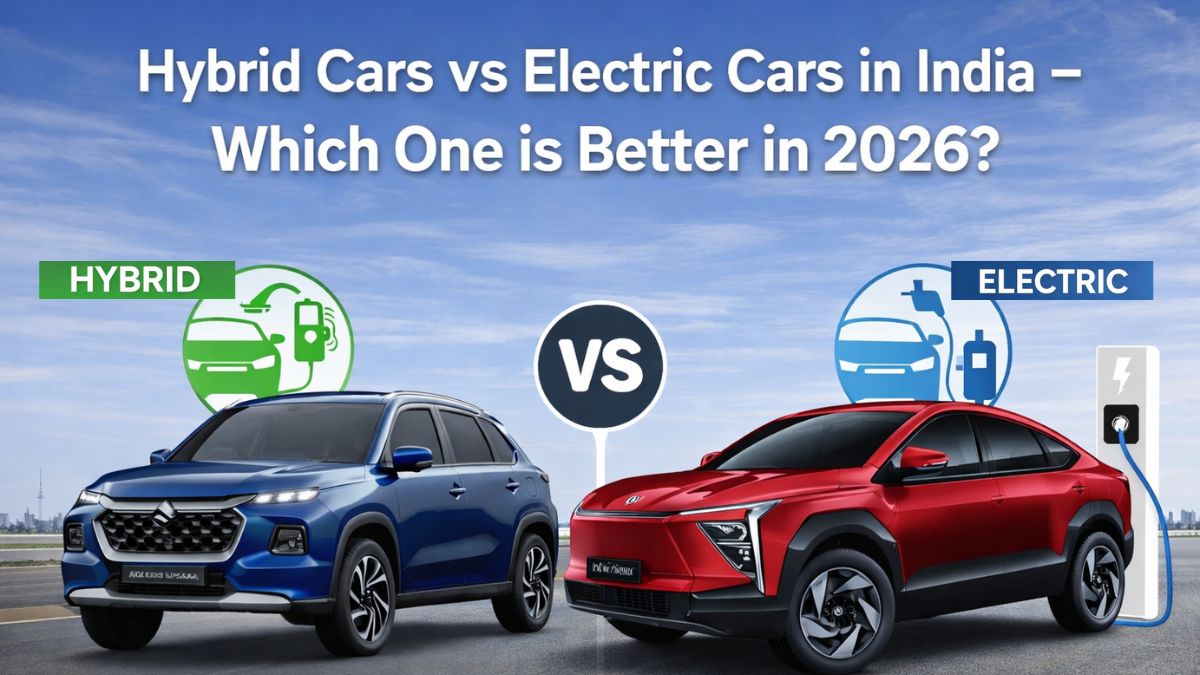
Hybrid Cars vs Electric Cars in India 2026: Which Is Better?
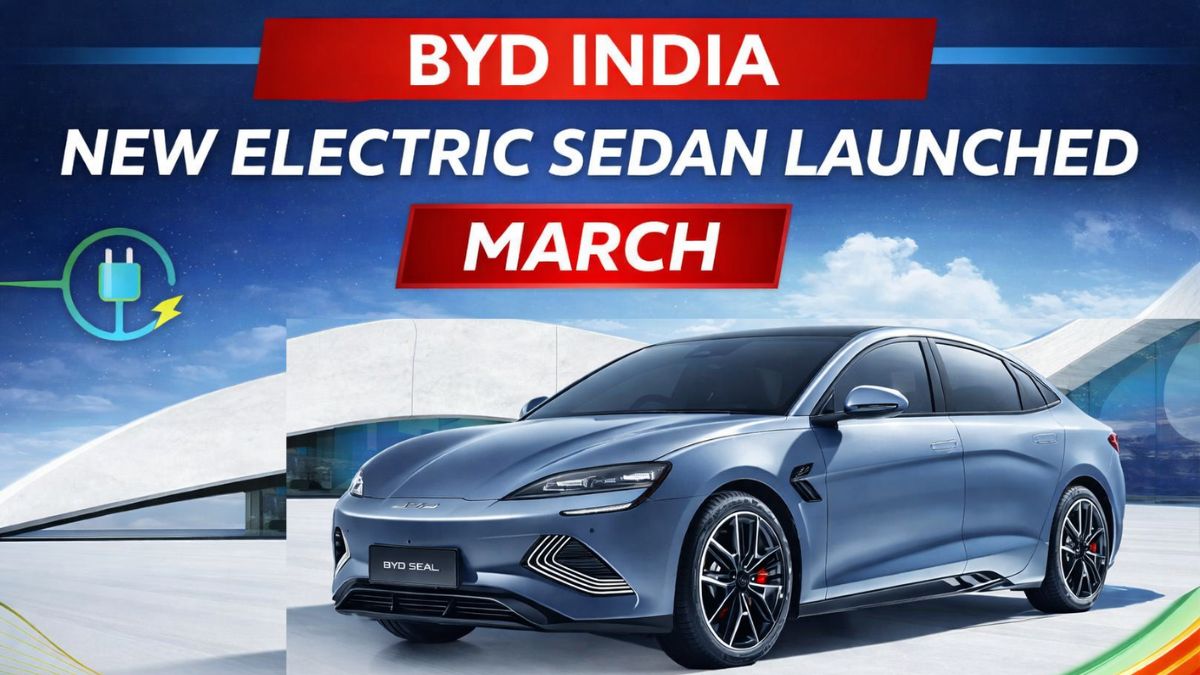
BYD India New Electric Sedan Launched – Price & Range Revealed
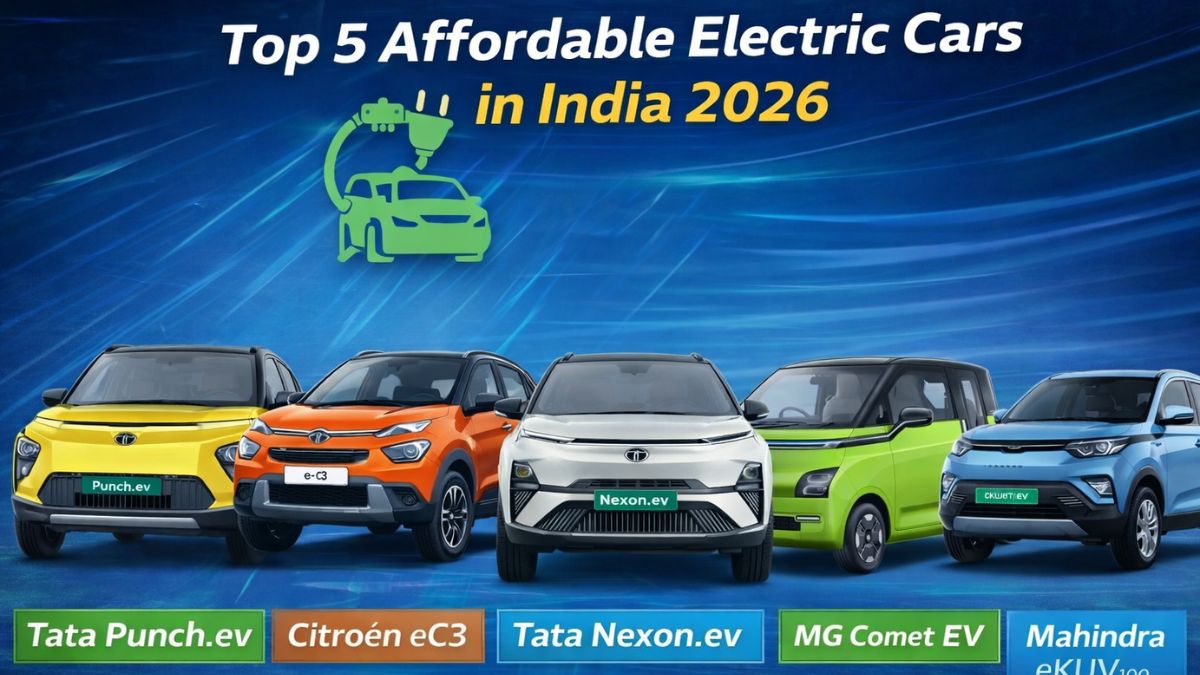
Top 5 Affordable Electric Cars in India 2026 (Best Budget EVs with Long Range)
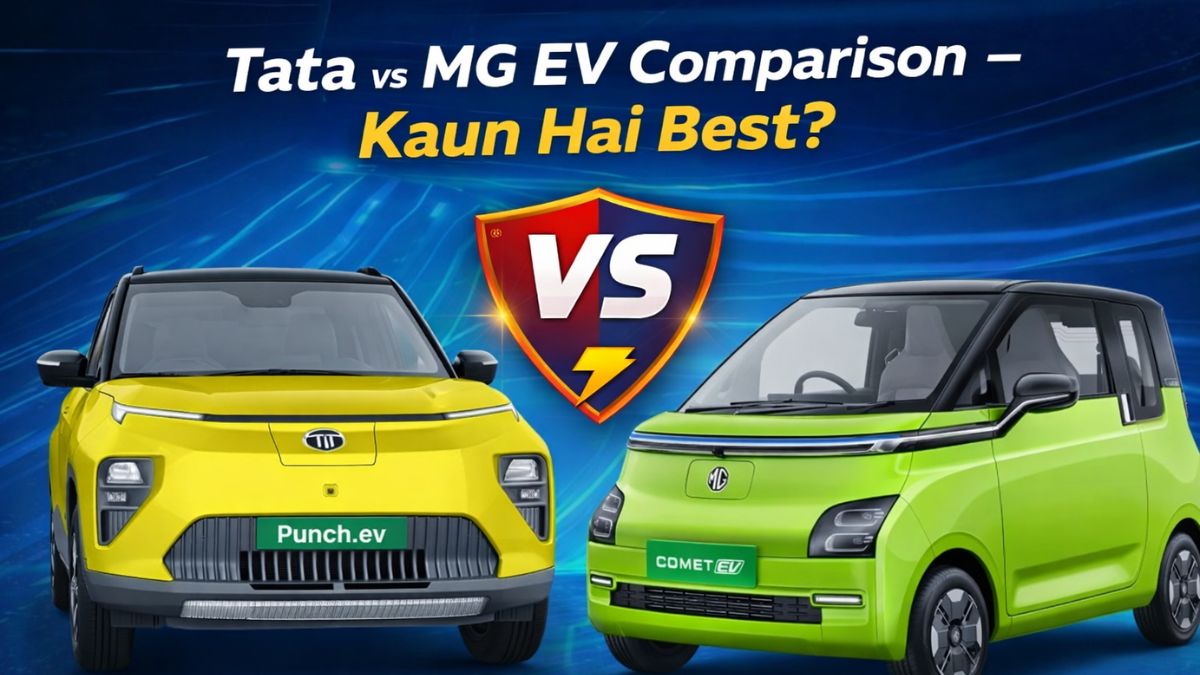
Tata vs MG EV Comparison – Which One Is Better in 2026?
Tata EV Lineup 2026 REVEALED – Full Price Breakdown
Tesla India Booking Date LEAK – Big Update!
Hyundai Creta EV Launch Leak: Price Shock Incoming?
Tata Punch EV Waiting Period Update 2026: Real Delivery Timeline vs. Company Claims