Tata vs Mahindra: The 2026 Electric SUV Battle That Will Redefine the Indian Auto Market
- Electric-Cars
- Published: 12 Dec, 2025
Book a Test Drive
Free doorstep test drive at your convenience
India’s EV revolution is speeding up, and 2026 is shaping up to be the biggest year yet—thanks to an intense showdown between two giants: Tata Motors and Mahindra. Both companies have announced multiple electric SUVs scheduled for 2026, and industry experts believe this rivalry will dramatically reshape India’s EV landscape.
Tata currently dominates the EV market with models like the Nexon EV, Punch EV, and Tiago EV, while Mahindra is aggressively expanding its Born Electric (BE) lineup after unveiling futuristic concepts like the BE.05, BE.07, and XUV.e series. The competition is not just about cars—it’s about leadership in technology, design, battery innovation, and long-term market strategy.
Let’s explore why the Tata vs Mahindra 2026 electric SUV battle is one of the biggest turning points for India’s automotive future.
1. Tata’s 2026 EV SUV Lineup — Focus on Mass Market + Solid-State Battery Push
Tata Motors plans to launch three new EV SUVs in 2026:
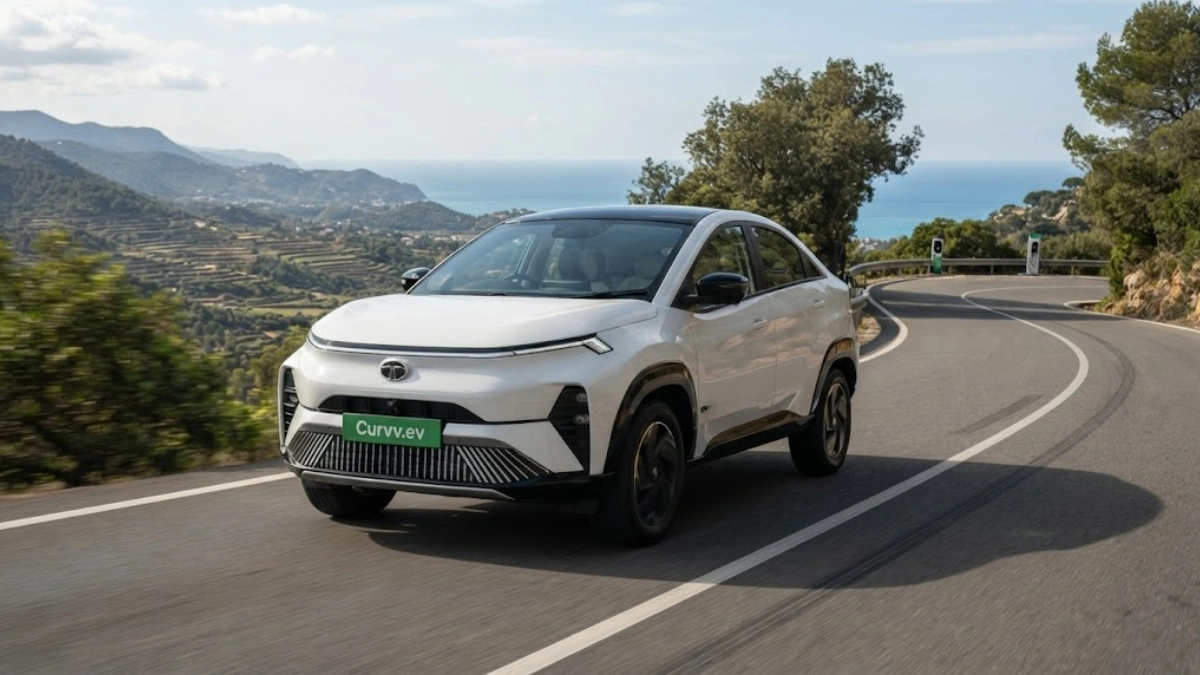
✔ Tata Curvv EV (2026 Edition)
A coupe SUV with extended range, ADAS Level 2+, and fast-charging support.
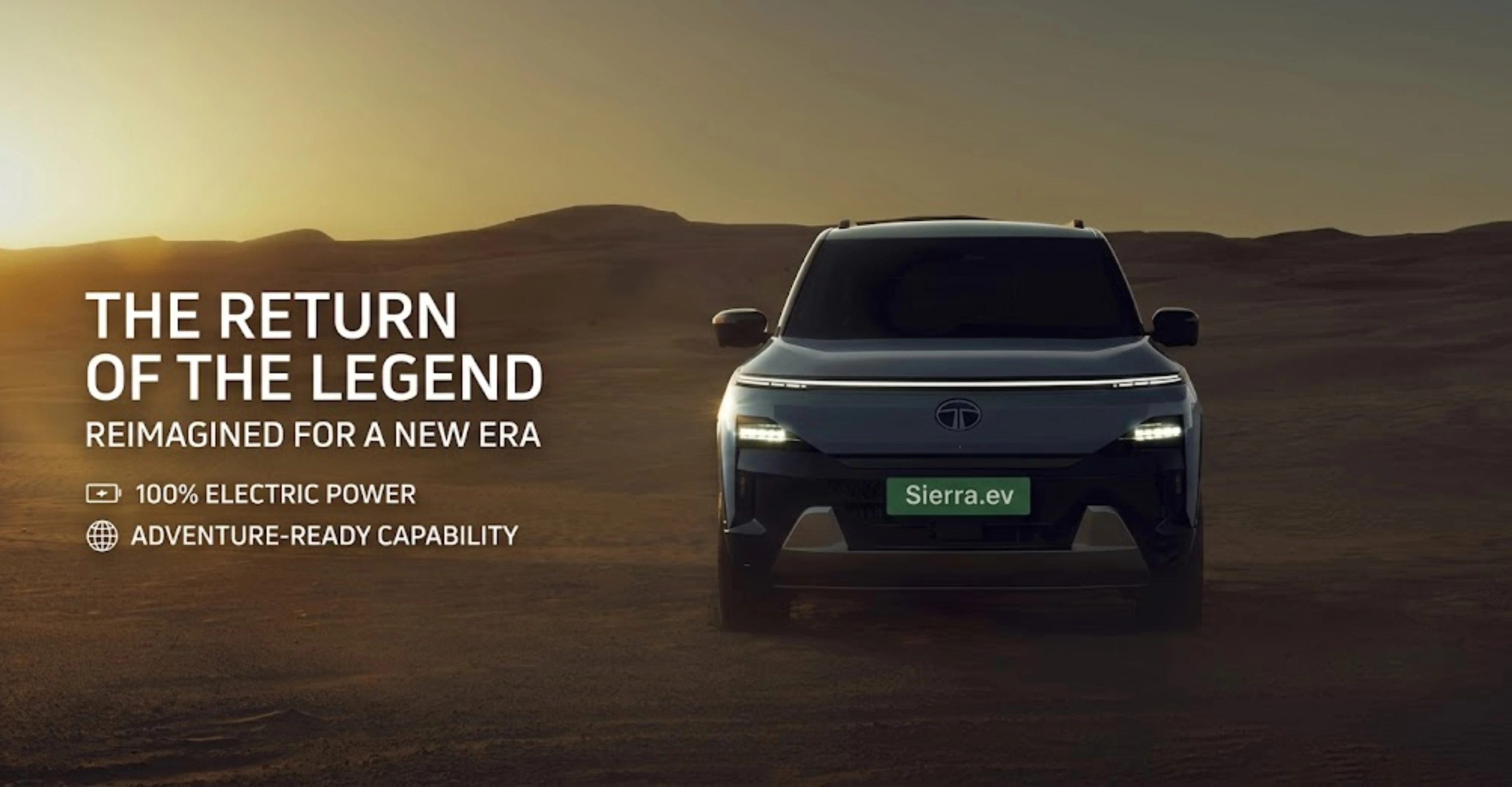
✔ Tata Sierra EV
A fully electric revival of the legendary nameplate. Expected features:
- 450–550 km range
- Spacious cabin
- Connected tech with AI driving assist
✔ Tata Harrier EV (2026 Upgrade)
This upgrade may feature:
- Dual-motor AWD
- 500+ km range
- New-generation battery pack
- ADAS L2 and Highway Assist
Key Tata Advantage: Solid-State Battery Prototype
Tata’s breakthrough work on solid-state battery tech gives it a huge edge.
Benefits include:
- Faster charging
- Higher energy density
- Increased safety
- Longer lifespan
If Tata manages commercial deployment by 2026, the entire Indian EV market could shift dramatically.
2. Mahindra’s 2026 EV SUV Lineup — High Performance + Futuristic Design
Mahindra is approaching EVs from a premium, design-forward angle.
Its 2026 lineup includes:
✔ Mahindra BE.05 EV
A sporty electric SUV with:
- 0–100 km/h under 6 seconds
- 400–500 km range
- Intelligent cockpit with AR displays
✔ Mahindra BE.07 EV
A family EV SUV targeting comfort, safety, and long-distance capability.
✔ Mahindra XUV.e9 EV
A coupe-styled electric SUV featuring:
- Panoramic sky roof
- Next-gen battery pack
- Level 2 ADAS + AI drivers
Key Mahindra Advantage: Racing-Inspired Performance
Mahindra’s Formula E experience helps develop:
- Higher torque delivery
- Thermal-efficient batteries
- Performance-focused traction control
Their EVs emphasize sporty driving and futuristic cabin design.
3. Comparing Tata vs Mahindra (2026)
✔ Range
- Tata: 500–600 km expected
- Mahindra: 450–550 km depending on model
✔ Pricing Strategy
- Tata: Aggressive, mass-market pricing (₹15–30 lakh)
- Mahindra: Slightly premium positioning (₹20–40 lakh)
✔ Battery Technology
- Tata: Solid-state battery ambition
- Mahindra: Advanced lithium nickel-manganese packs
✔ Interior & Tech
- Tata focuses on reliability, usability, and AI safety.
- Mahindra focuses on futuristic AR displays and sportiness.
✔ Design Language
- Tata: Minimal, modern, family-friendly
- Mahindra: Bold, angular, concept-inspired
Why Choose a Tata EV in 2026?
✔ Better Value for Money
Tata EVs continue to offer more features at lower pricing.
✔ Strong Charging Network (Tata Power)
Fast-growing charging infrastructure gives Tata an advantage.
✔ Safety First
Tata’s track record with GNCAP ratings builds trust.
✔ Potential Solid-State Battery Breakthrough
Game-changing for range, cost, and safety.
Why Choose a Mahindra EV in 2026?
✔ Futuristic Design & Premium Interiors
Mahindra’s BE lineup looks global and visually striking.
✔ Higher Performance
Perfect for those who want sporty acceleration.
✔ Advanced Cockpit & Displays
AR windshield, AI-powered infotainment, immersive cabin experience.
✔ Built for Highway Cruising
Mahindra’s EVs focus heavily on long-drive comfort.
Conclusion
The Tata vs Mahindra 2026 electric SUV battle will redefine the Indian auto market. Tata is pushing mass adoption through affordability and battery innovation, while Mahindra is creating premium performance EVs with futuristic design.
Both approaches benefit consumers—offering more choices, better technology, and improved EV infrastructure across India.
2026 will not just be a year of new launches; it will be a turning point in India’s journey toward a fully electric future.
FAQs
1. Which company will dominate the EV SUV market in 2026?
Both have strong strategies—Tata in affordability, Mahindra in premium performance.
2. Will prices of these EV SUVs be affordable?
Yes, Tata may begin around ₹15 lakh; Mahindra from ₹20 lakh onwards.
3. Will these EVs offer 500+ km range?
Most Tata and Mahindra 2026 EV SUVs will target 450–600 km per charge.
4. Are fast charging and ADAS included?
Yes, all 2026 models are expected to offer ADAS and fast charging.
5. When will the first 2026 EV SUV launch?
Initial launches may begin in early 2026, with full rollout by late 2026.
Book a Test Drive
Free doorstep test drive at your convenience
Popular Brands


Latest Electric Car News
Hyundai EV Compact SUV India Launch: Expected Price, Range & Key Details
Hybrids vs. EVs: Which Is Better for You?
Delhi EV Policy 2026 in Effect from July 1
Upcoming Electric Cars in August 2026 in India
What to Do If Your Car Battery Is Dead
Mercedes-Benz VLE Unveiled: 8-Seater EV with 700+ KM Range
Tata Sierra EV First Look: 600+ KM Range, Triple Screens & More
Top Accessories You Should Buy for Your Tata Harrier EV
Is an EV Car Coming for ₹5 Lakh? A Major Shift in the Indian Auto Market
Top Upcoming SUVs and Electric Cars in April 2026 That Could Change the Market
Bookings Open for the Mercedes-Benz CLA Electric – A New Competitor Enters India’s EV Market
Tata’s New Budget Electric Car Coming in 2026 – Is the Nano EV Making a Comeback?
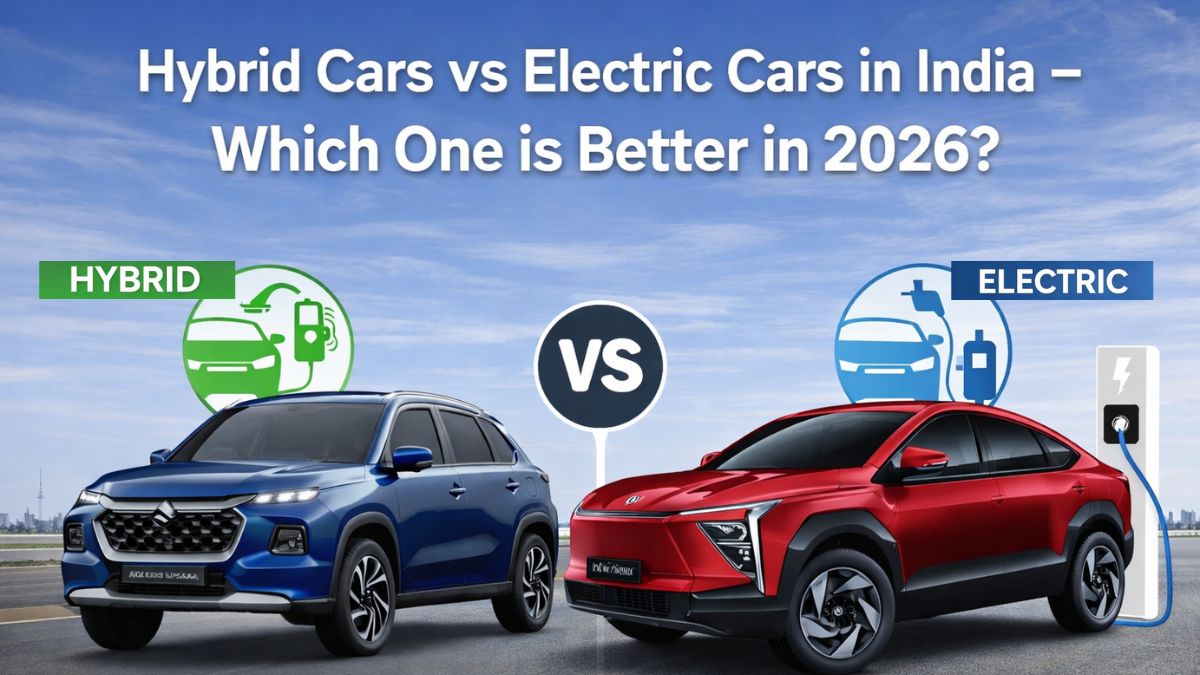
Hybrid Cars vs Electric Cars in India 2026: Which Is Better?
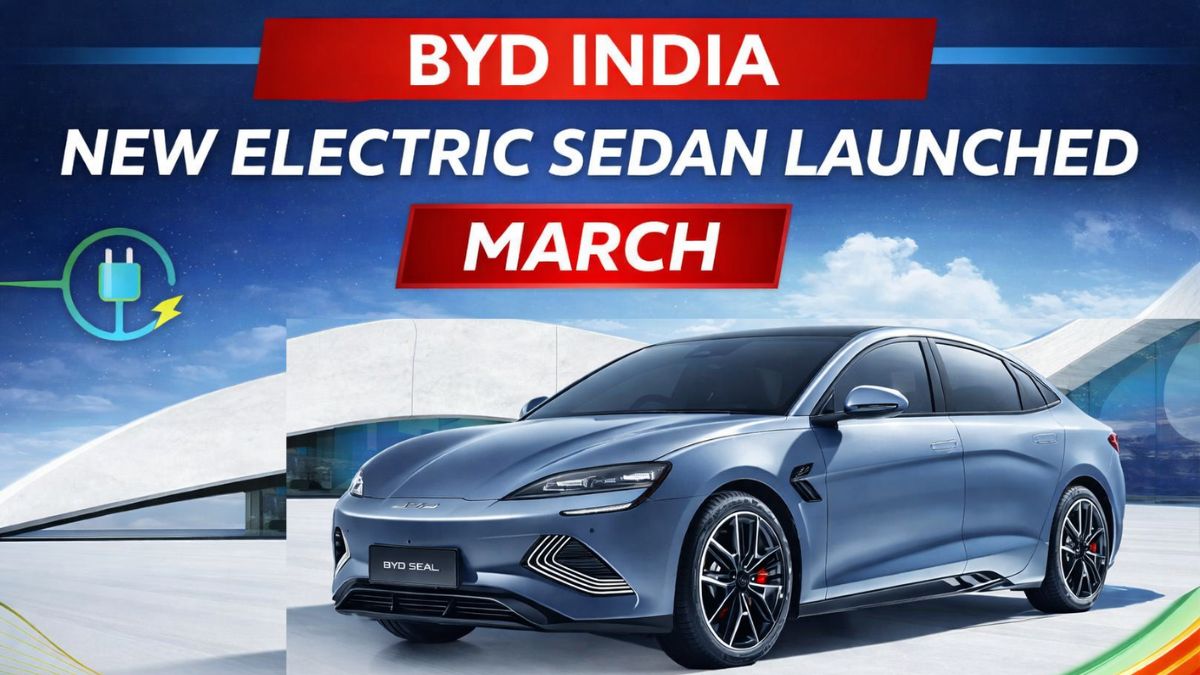
BYD India New Electric Sedan Launched – Price & Range Revealed
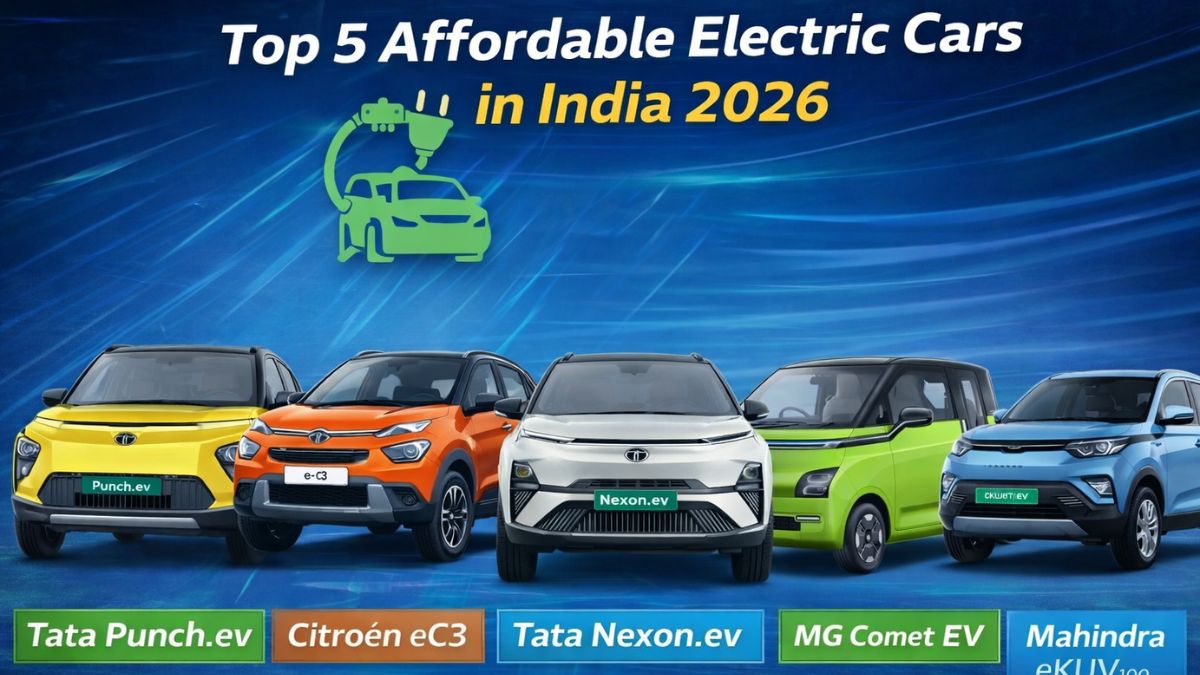
Top 5 Affordable Electric Cars in India 2026 (Best Budget EVs with Long Range)
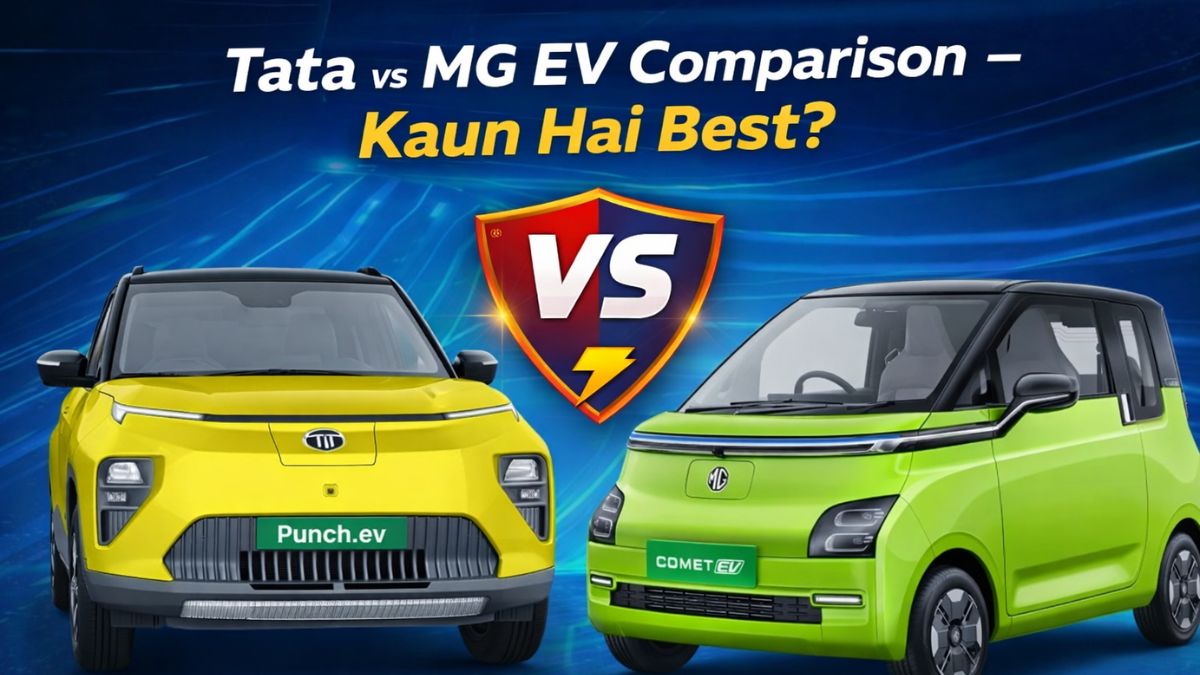
Tata vs MG EV Comparison – Which One Is Better in 2026?
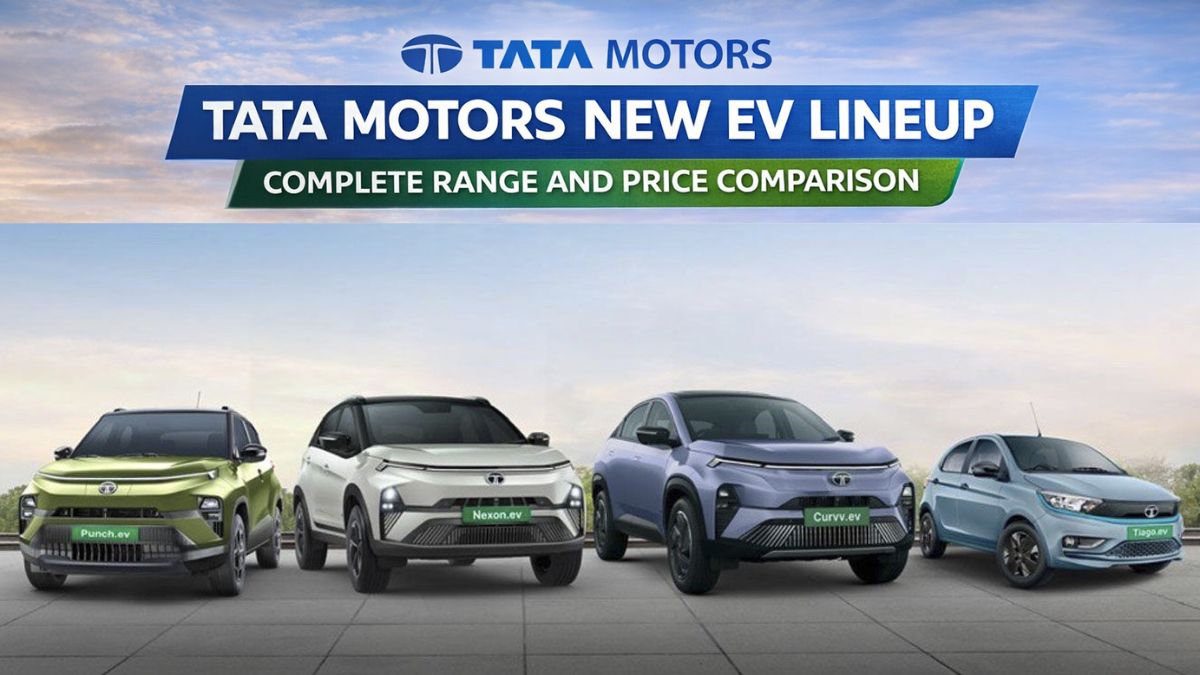
Tata EV Lineup 2026 REVEALED – Full Price Breakdown
Tesla India Booking Date LEAK – Big Update!
Hyundai Creta EV Launch Leak: Price Shock Incoming?
Tata Punch EV Waiting Period Update 2026: Real Delivery Timeline vs. Company Claims