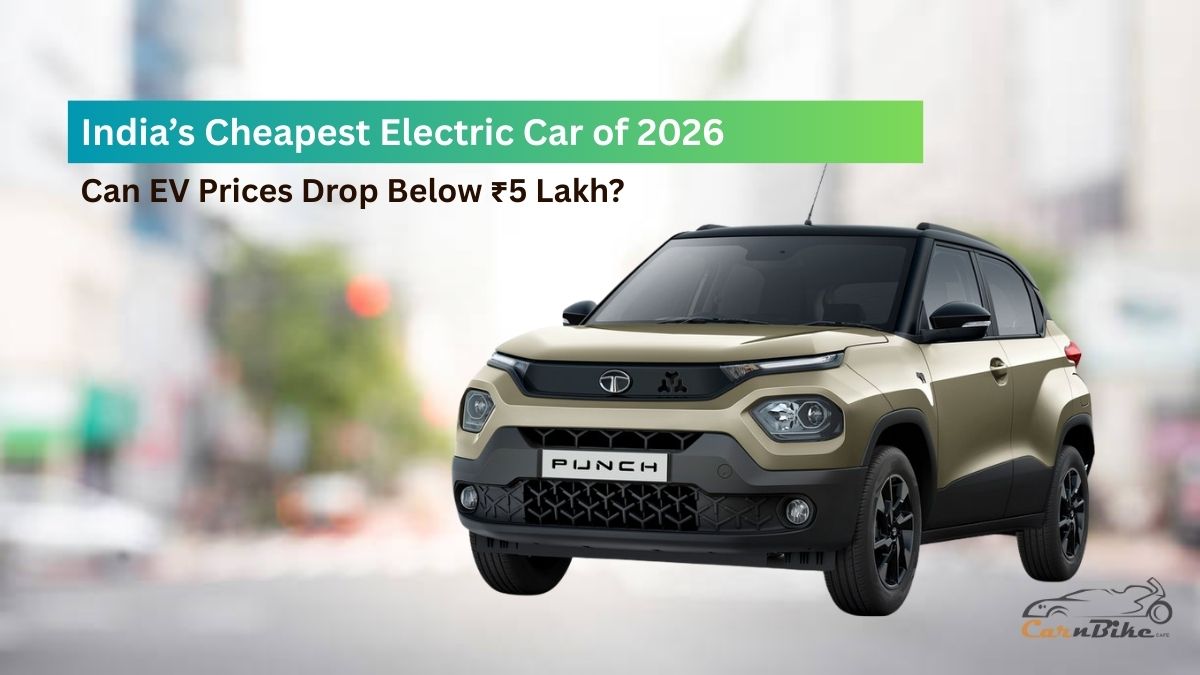
India’s Cheapest Electric Car of 2026 – Can EV Prices Drop Below ₹5 Lakh?
- Electric-Cars
- Published: 10 Dec, 2025
Book a Test Drive
Free doorstep test drive at your convenience
As electric vehicles (EVs) become mainstream in India, a recurring question is whether prices can fall low enough for entry-level cars to cost below ₹5 lakh. Today the market already shows ultra-budget entrants and a flurry of discounts, but reaching a sustainable mass-market EV at ₹5 lakh will depend on technology, policy and scale.
Where prices stand today
Some of the most affordable EVs in India in recent years include micro-EVs and compact city cars launched by startups and established brands. Niche makers and regional players list sub-₹5 lakh models (ex-showroom) in limited configurations, while mainstream manufacturers place their cheapest mass models closer to ₹6–8 lakh. For example, some market listings show very low-priced micro EVs available around ₹3.2–3.5 lakh, while popular small EVs from established OEMs like Tata have starting prices near ₹7.99 lakh.
Why prices are still above ₹5 lakh for most mainstream EVs
- Battery cost — Batteries remain the single largest cost component. Even with steady declines in per-kWh battery pack costs, a car with acceptable range needs a battery that pushes the vehicle’s manufacturing cost above the ₹5 lakh threshold unless compromises are made on range, safety or features.
- Safety and regulatory standards — Compliance with crash norms, airbags, ABS and other features add cost; lowering price too far may force trade-offs consumers (and regulators) won’t accept.
- Localization & scale — Mass price drops need domestic supply chains and huge volumes. Until cell, pack and component manufacturing scale up domestically, imports or low volumes keep prices higher.
- Market positioning — OEMs balance profitability and brand image; selling a mass-market EV below ₹5 lakh may not be attractive without subsidies or new business models. Recent industry activity shows automakers are using sizeable discounts to move inventory, underlining that list prices and market prices can differ substantially.
How prices could fall to ₹5 lakh — realistic pathways
- Battery cost breakthrough: If battery costs plunge faster than expected through chemistry improvements or massive gigafactory scale-ups, the per-vehicle cost could come down sharply.
- Lightweight city-EV platforms: Purpose-built ultra-compact platforms (micro-EVs) with minimal frills but robust safety for city use could be engineered for <₹5 lakh. Some startups and small OEMs already target this segment.
- Policy support: Subsidies, tax incentives or targeted incentives for micro-EVs and battery manufacturing would accelerate affordability. India’s policymakers have signaled optimism about near-term parity between EV and ICE prices if scale and incentives continue to evolve.
- New ownership models: Leasing, battery-as-a-service (BaaS), and shared mobility can lower upfront cost to consumers even if sticker prices remain above ₹5 lakh.
Why Choose (if you’re eyeing an entry EV in 2026)
- Lowest operating costs: Even modest EVs deliver far lower running and maintenance costs compared with petrol scooters or cars.
- Urban suitability: If your daily driving is city-centric, a compact EV with limited range still fits most use cases and is cheaper to operate.
- Access to incentives & priority lanes: Many states offer benefits such as scrappage incentives, registration concessions and better parking/charging support.
- Future-proofing: Buying an EV today hedges against rising fuel costs and potential urban restrictions on ICE vehicles.
Conclusion
Can EV prices sustainably drop below ₹5 lakh in India by 2026? It’s possible in specific segments — particularly micro-EVs and highly stripped city cars — and some models already approach or undercut this figure in limited trims. However, for mainstream mass-market cars that meet expected range, safety and comfort levels, broad-based sub-₹5 lakh pricing will require faster declines in battery costs, bigger domestic manufacturing scale and stronger policy support. In short: yes for niche micro-EVs; challenging but not impossible for mainstream small cars.
FAQ
Q1: Which is the cheapest electric car available in India right now?
A: Market lists and aggregators show micro-EVs and regional models with very low starting prices (some around ₹3.25–3.5 lakh), while mainstream small EVs from established brands are generally in the ₹6–8 lakh range. Prices change frequently with discounts and offers.
Q2: Will government subsidies make ₹5 lakh EVs common?
A: Subsidies help, but long-term affordability depends more on battery cost declines and localized manufacturing than on one-off subsidies alone. Targeted incentives for micro-EVs and cell manufacturing would accelerate the shift. 0search0
Q3: Are sub-₹5 lakh EVs safe?
A: Safety varies by model. Some micro-EVs are built to meet local safety norms, but buyers should check crash ratings, airbags and structural integrity. Lower price often means trade-offs; research each model carefully.
Q4: Is total cost of ownership lower even if the sticker price is higher?
A: Yes. Lower fuel and maintenance costs frequently make EVs cheaper over their lifecycle compared to ICE counterparts, which is a major part of the EV affordability story.
Book a Test Drive
Free doorstep test drive at your convenience
Popular Brands


Latest Electric Car News
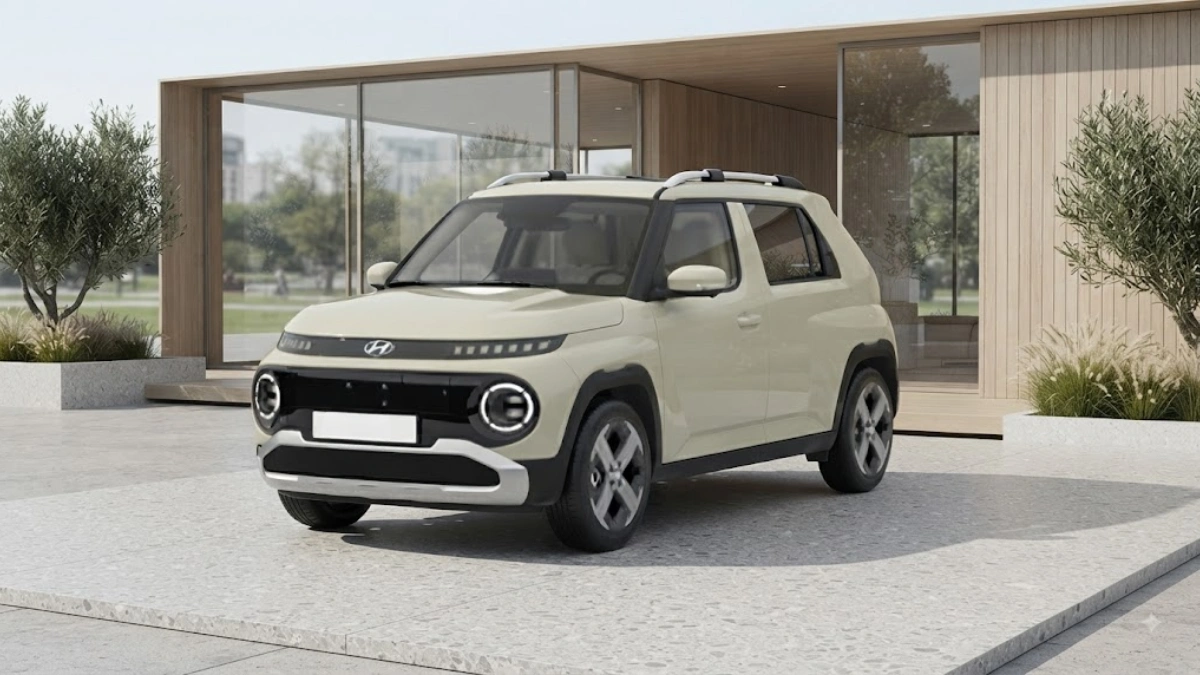
Hyundai EV Compact SUV India Launch: Expected Price, Range & Key Details
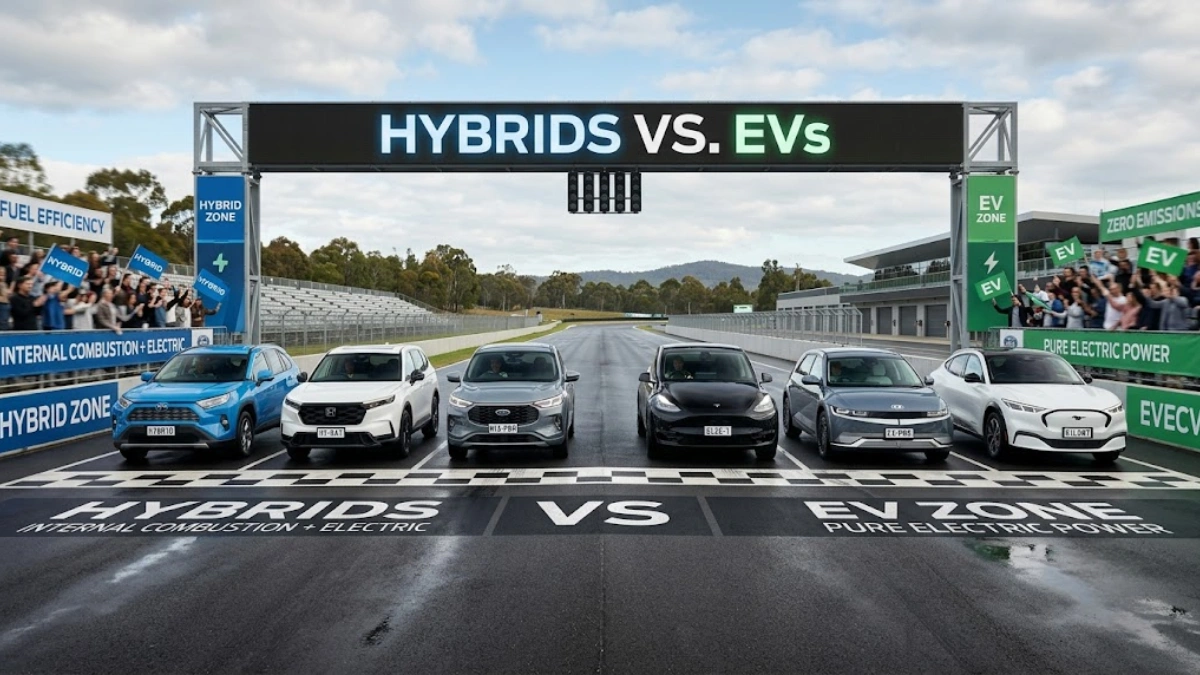
Hybrids vs. EVs: Which Is Better for You?
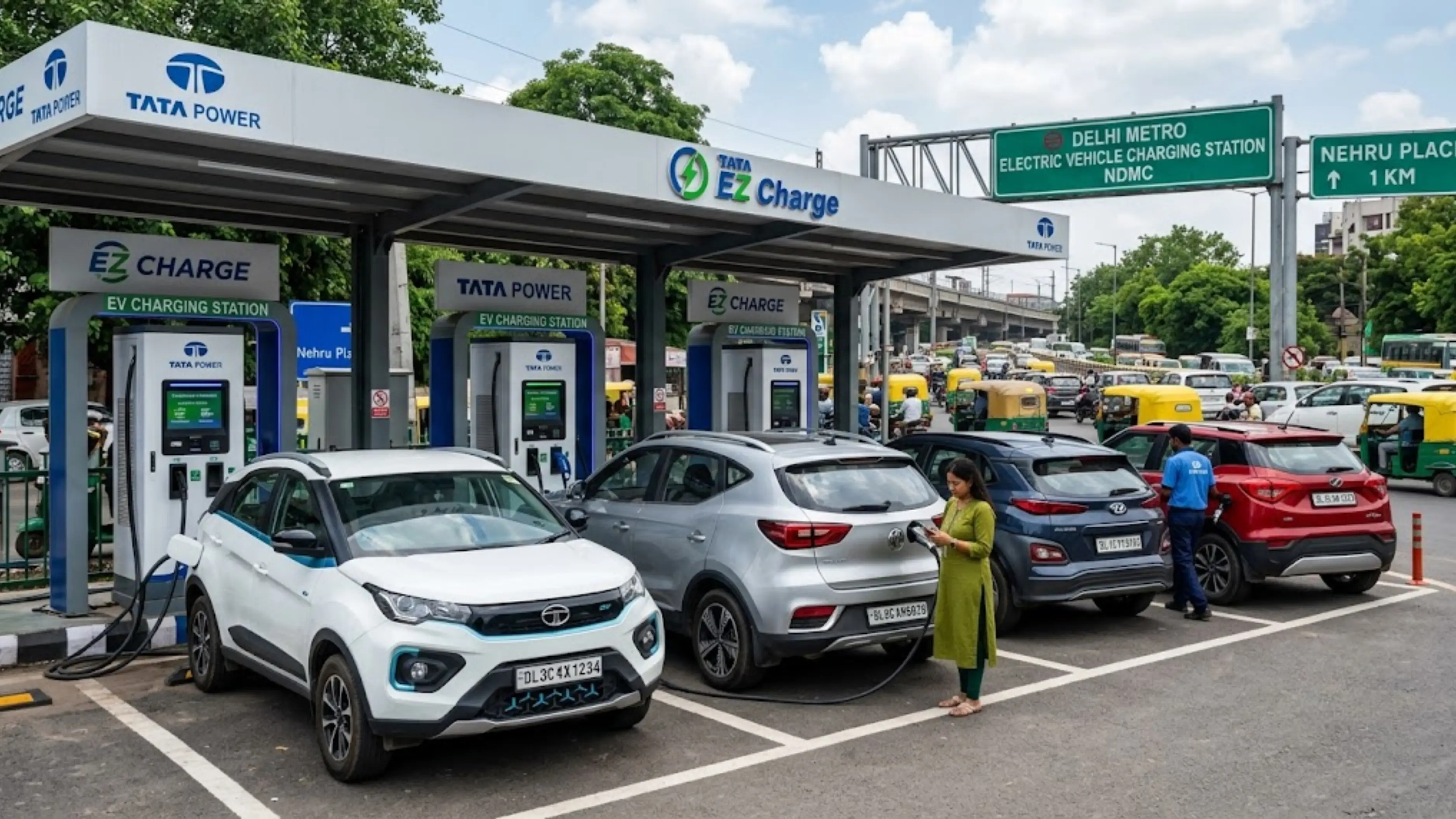
Delhi EV Policy 2026 in Effect from July 1
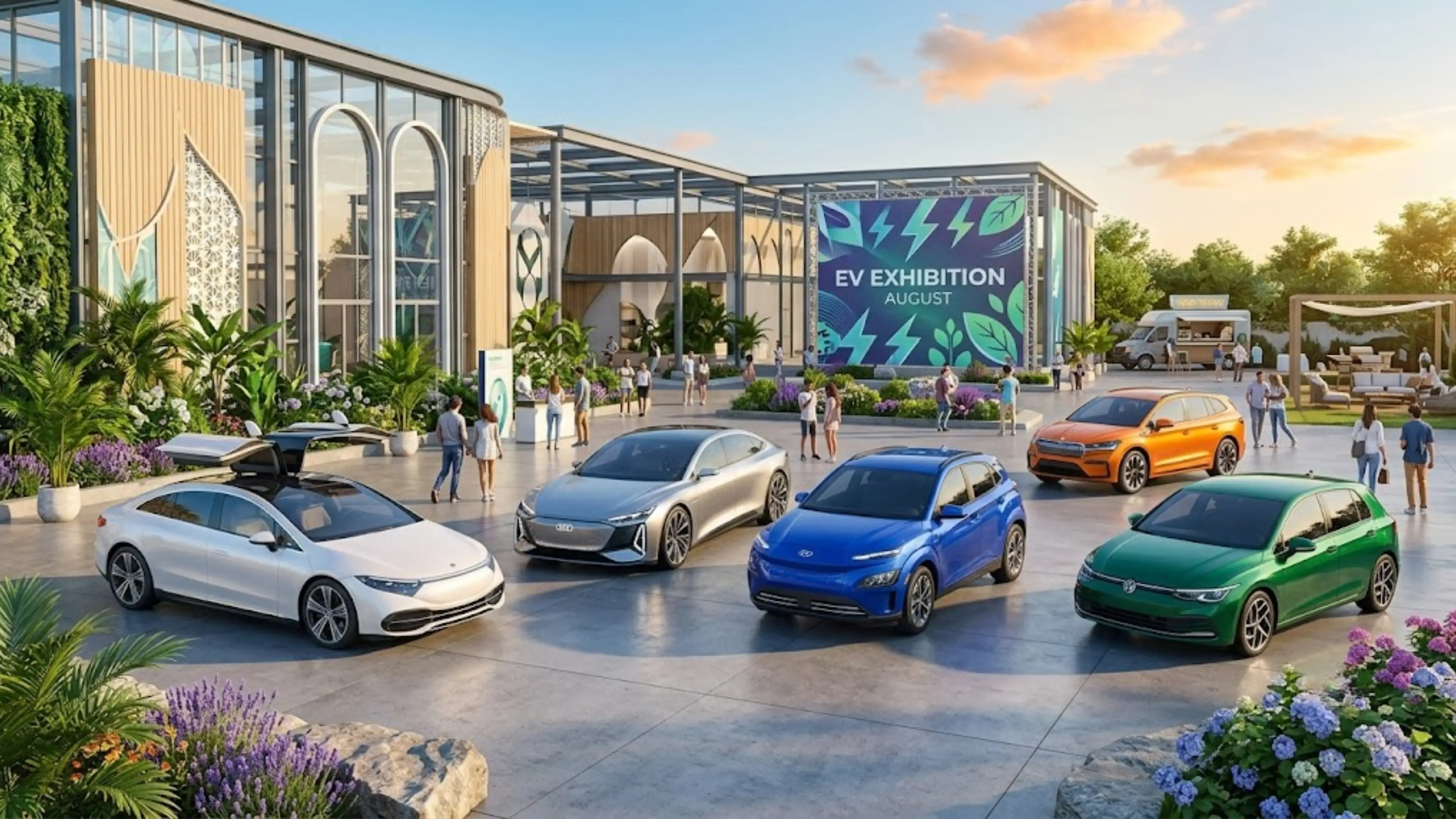
Upcoming Electric Cars in August 2026 in India
What to Do If Your Car Battery Is Dead
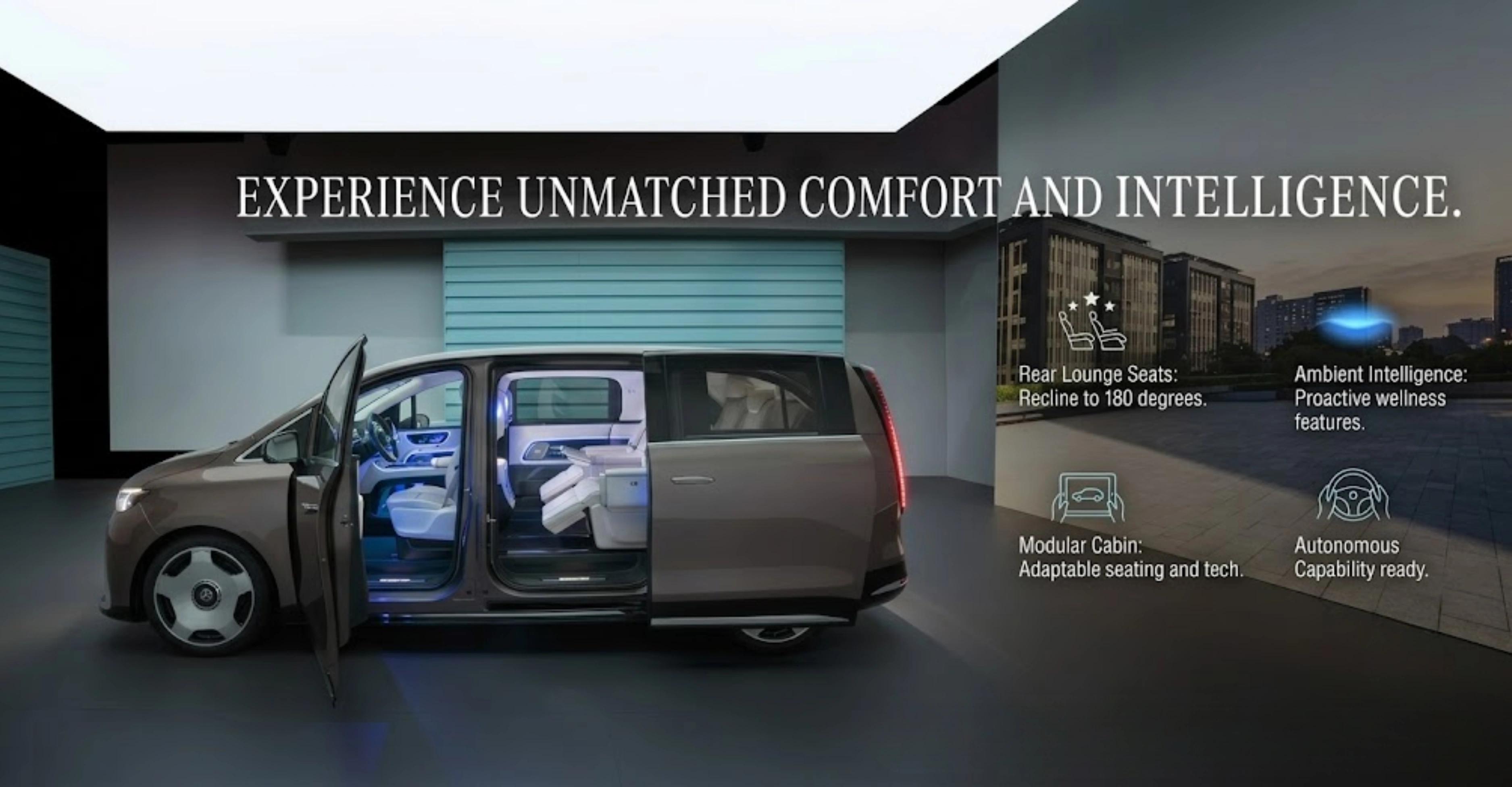
Mercedes-Benz VLE Unveiled: 8-Seater EV with 700+ KM Range
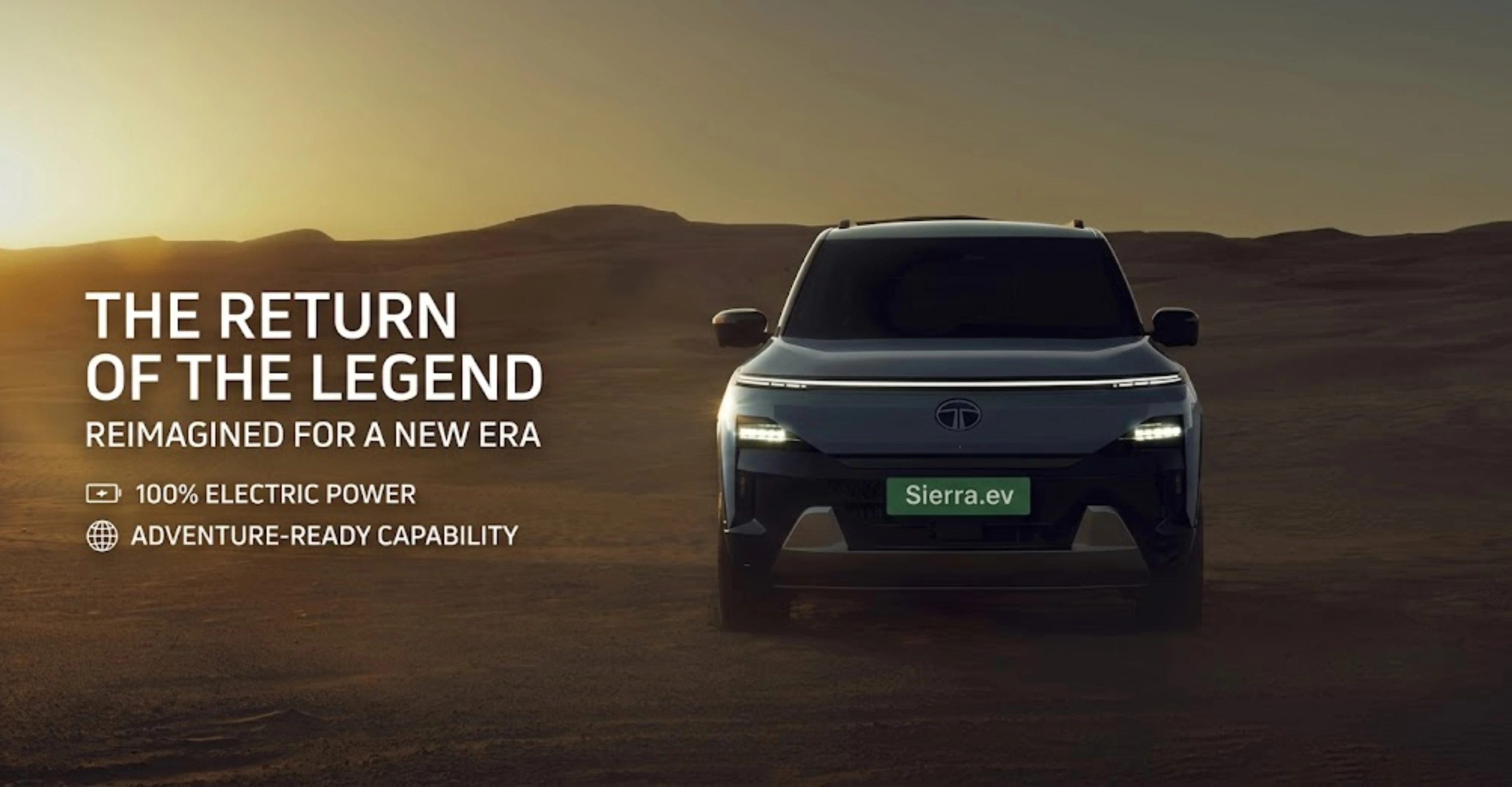
Tata Sierra EV First Look: 600+ KM Range, Triple Screens & More
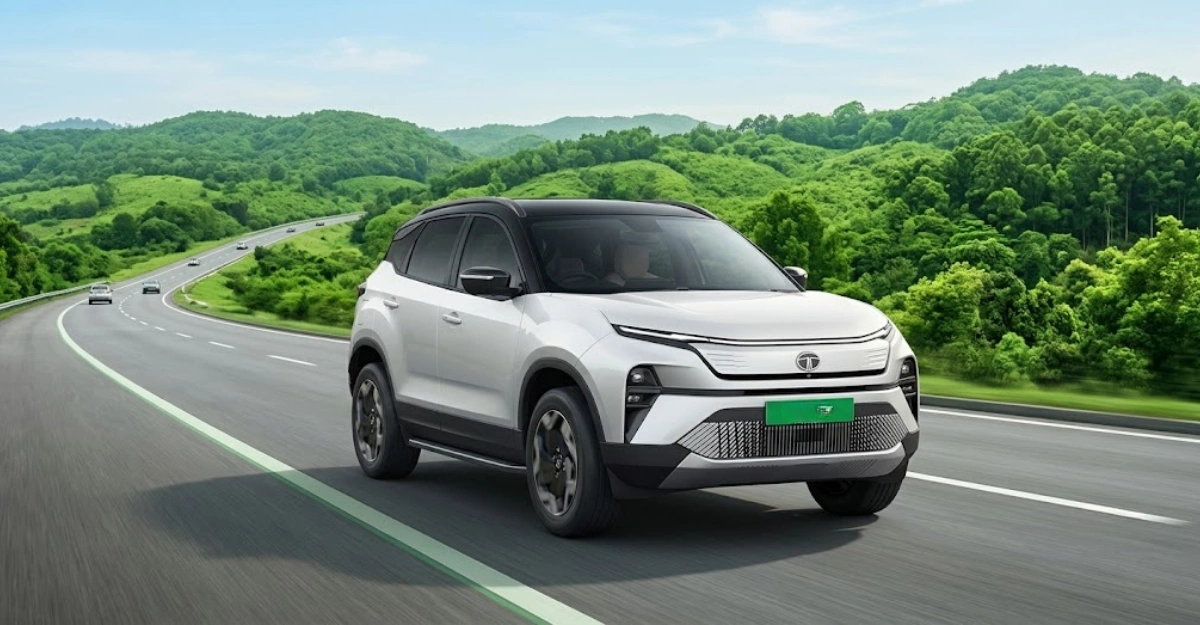
Top Accessories You Should Buy for Your Tata Harrier EV
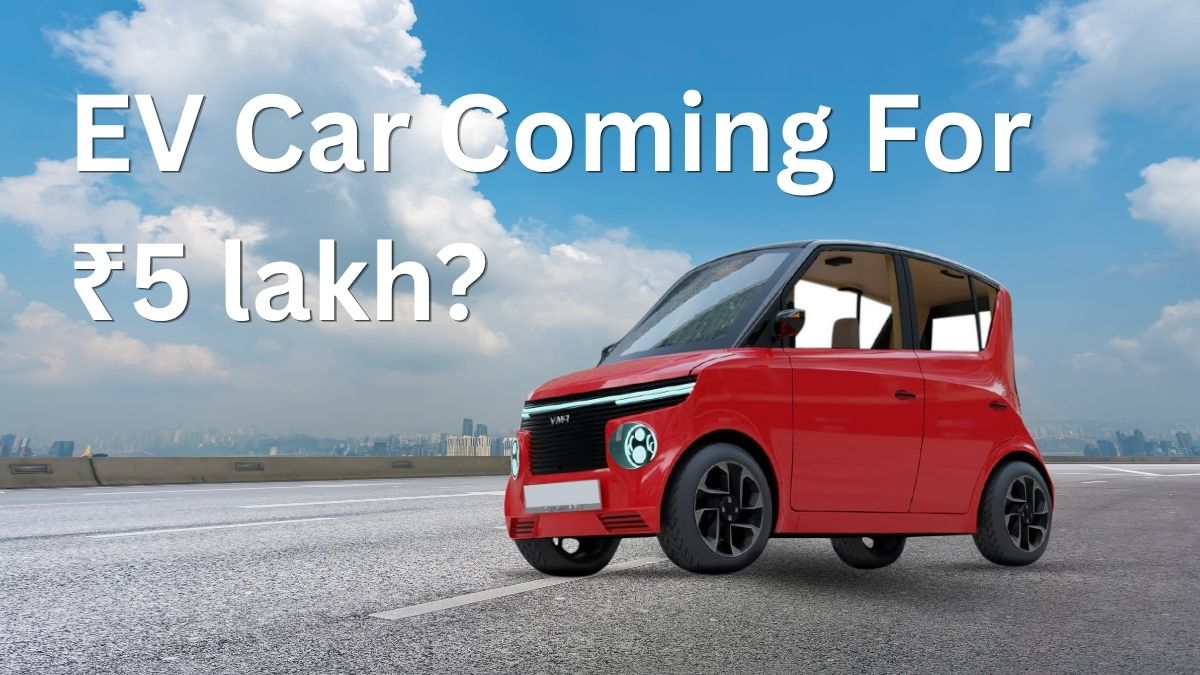
Is an EV Car Coming for ₹5 Lakh? A Major Shift in the Indian Auto Market
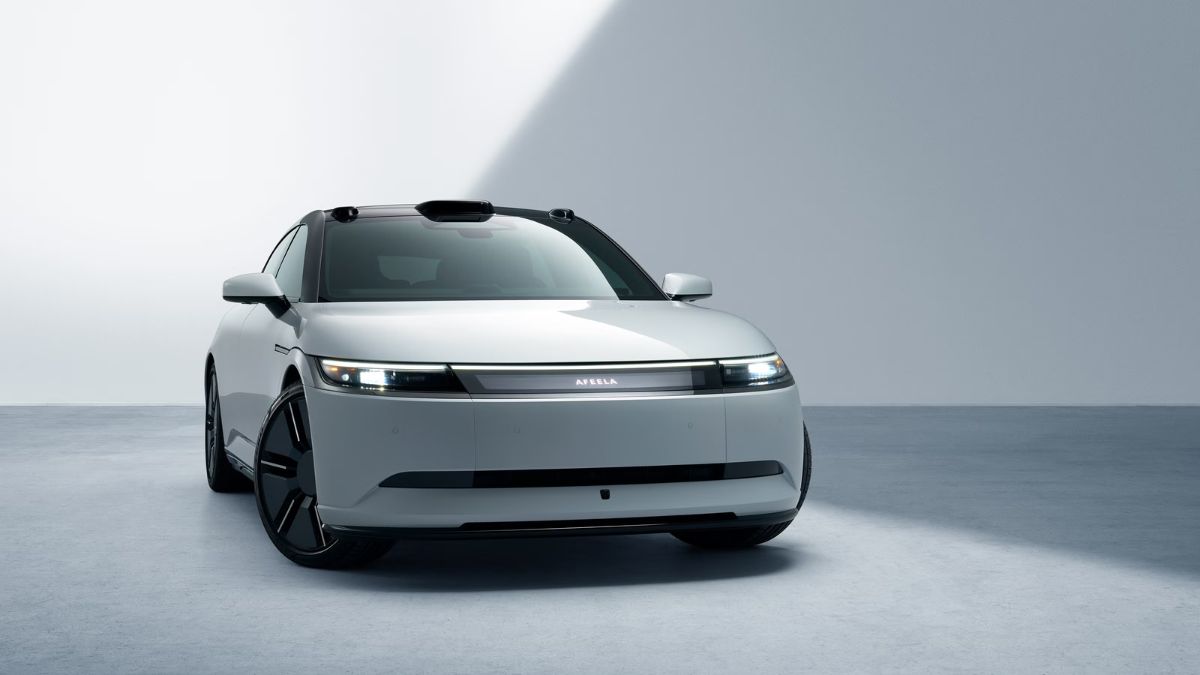
Top Upcoming SUVs and Electric Cars in April 2026 That Could Change the Market
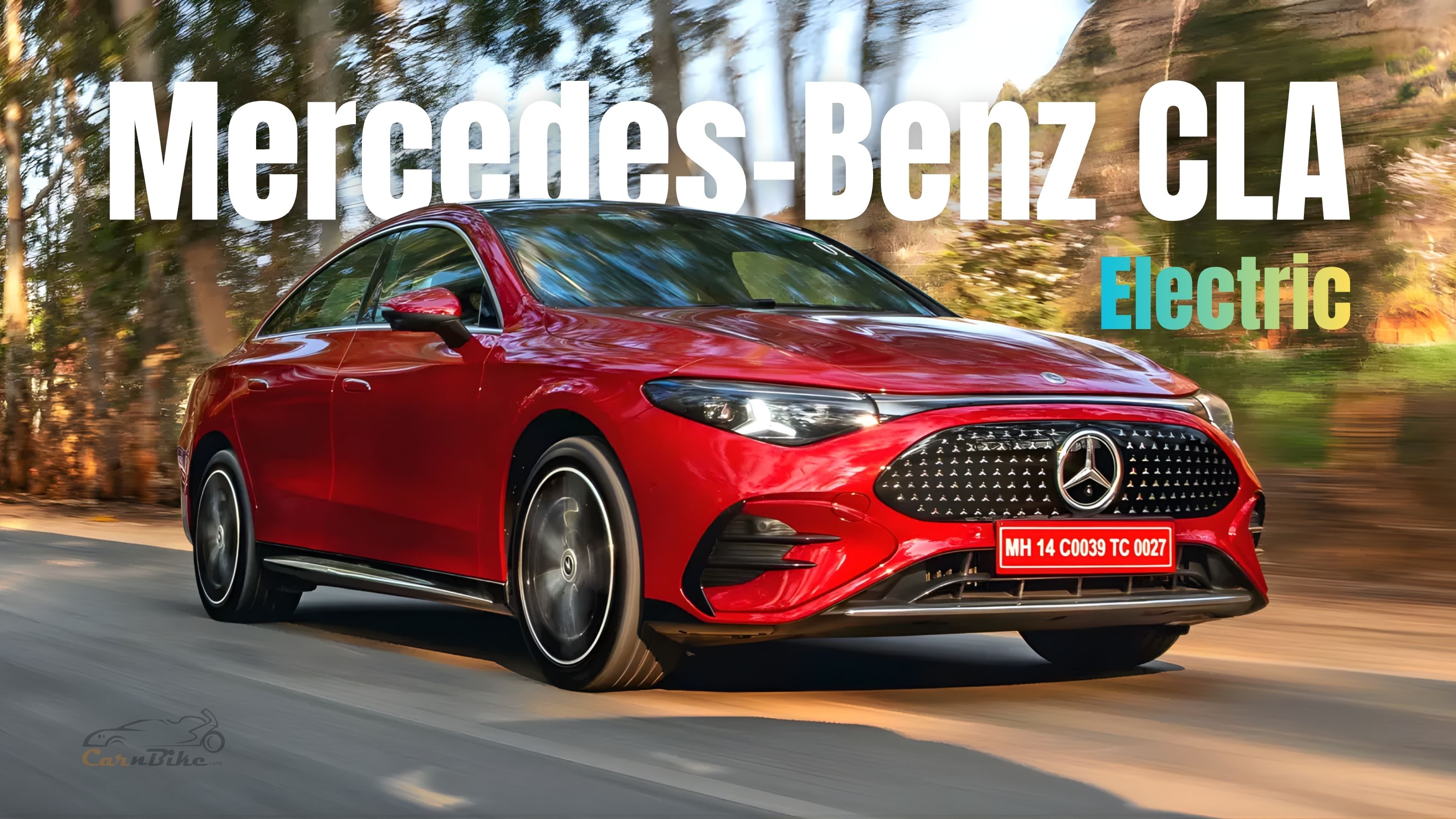
Bookings Open for the Mercedes-Benz CLA Electric – A New Competitor Enters India’s EV Market
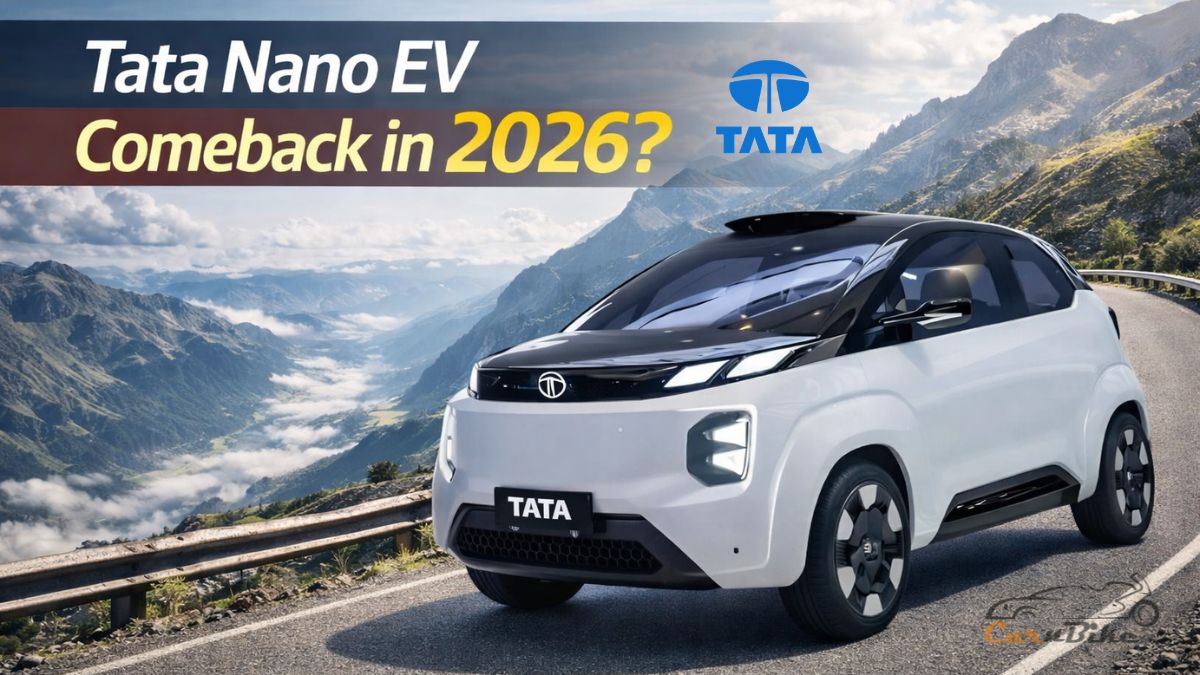
Tata’s New Budget Electric Car Coming in 2026 – Is the Nano EV Making a Comeback?
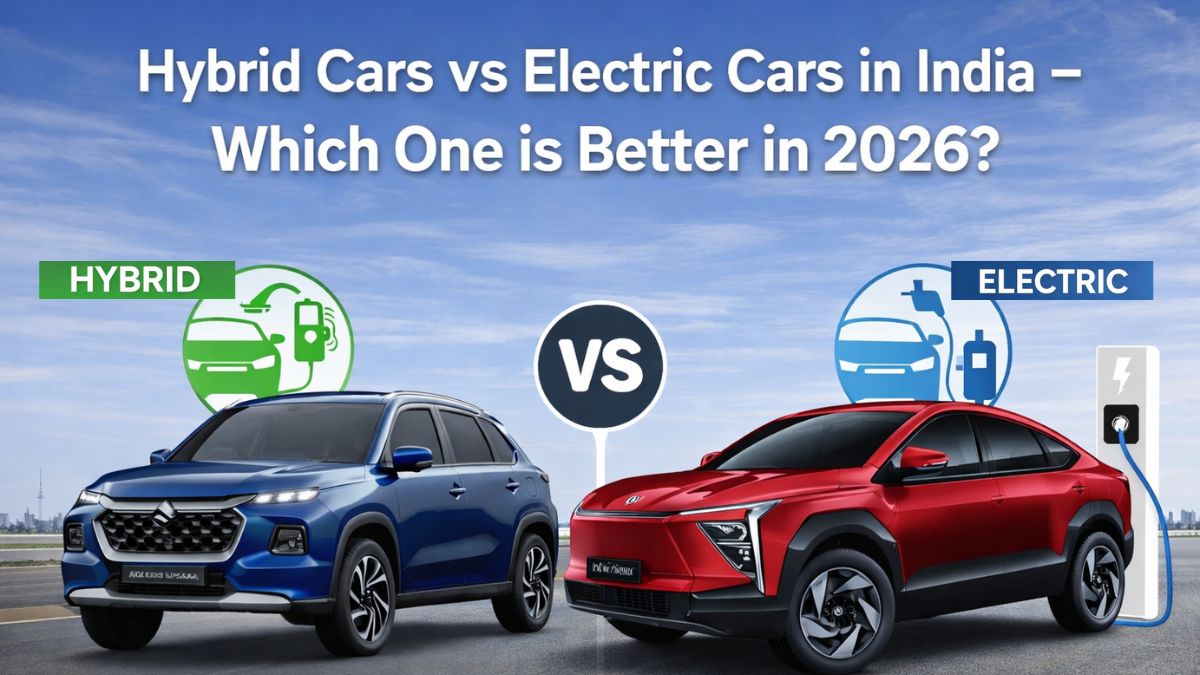
Hybrid Cars vs Electric Cars in India 2026: Which Is Better?
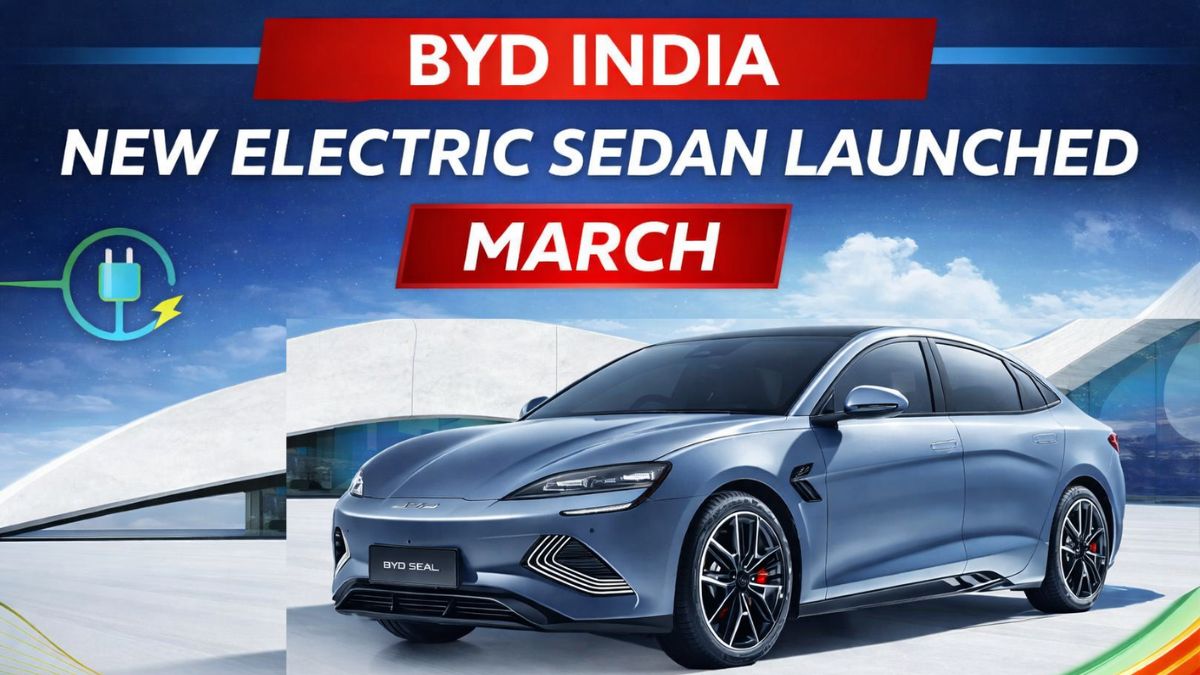
BYD India New Electric Sedan Launched – Price & Range Revealed
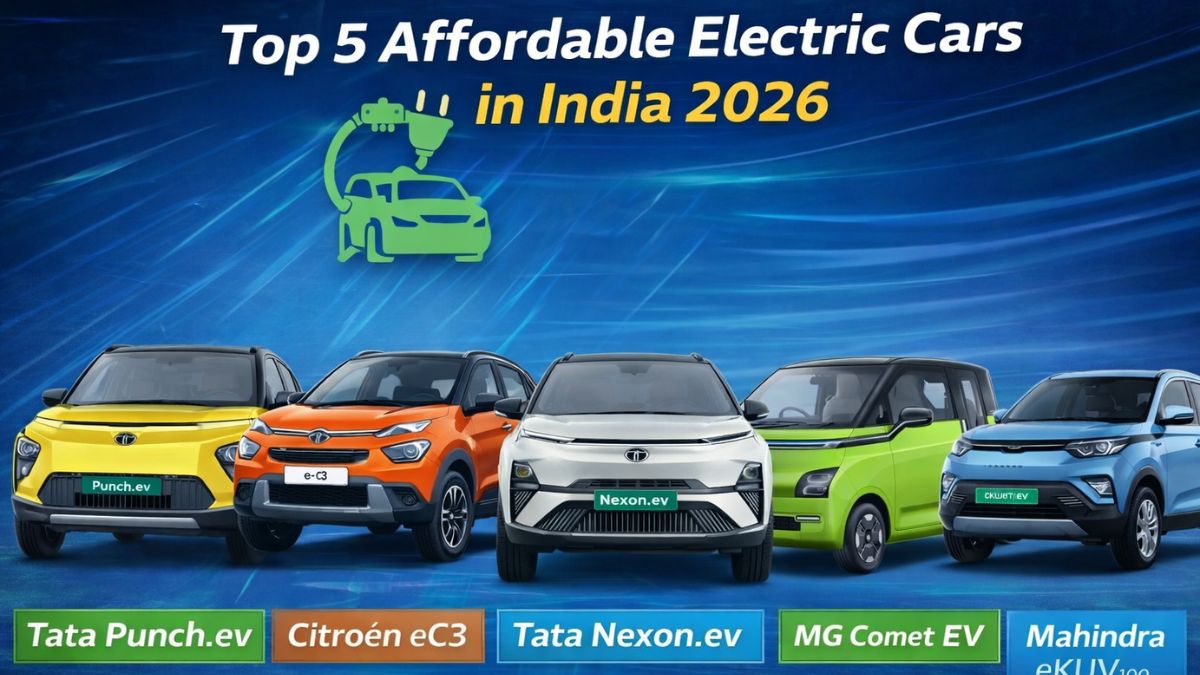
Top 5 Affordable Electric Cars in India 2026 (Best Budget EVs with Long Range)
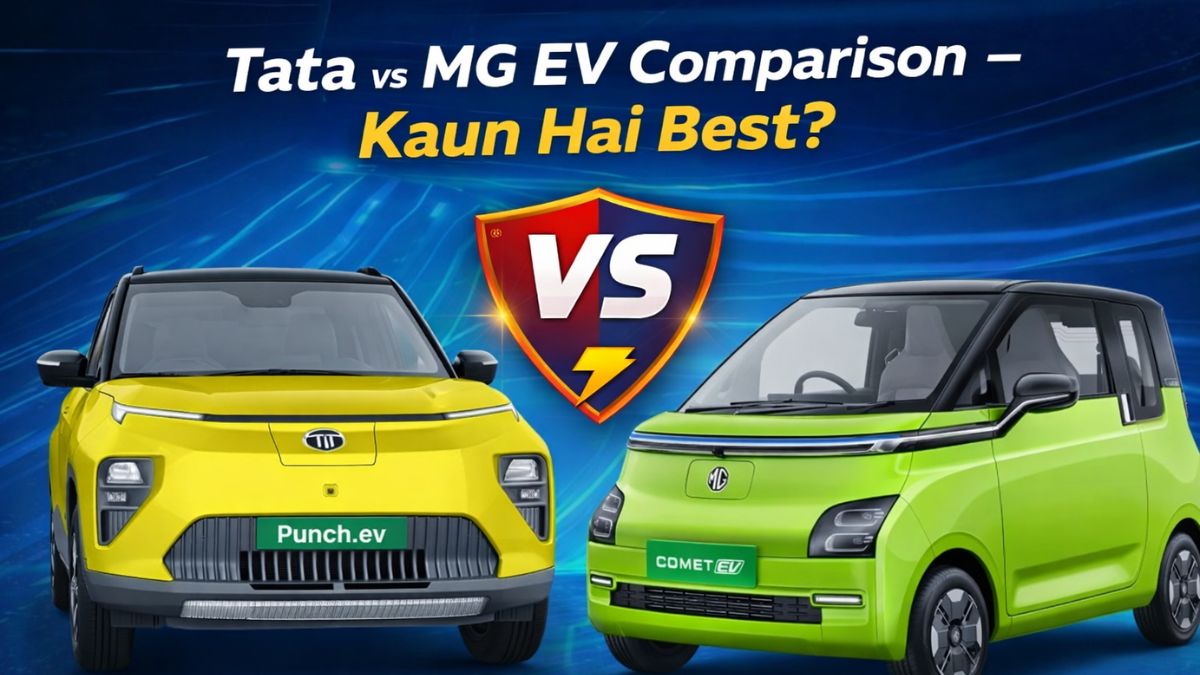
Tata vs MG EV Comparison – Which One Is Better in 2026?
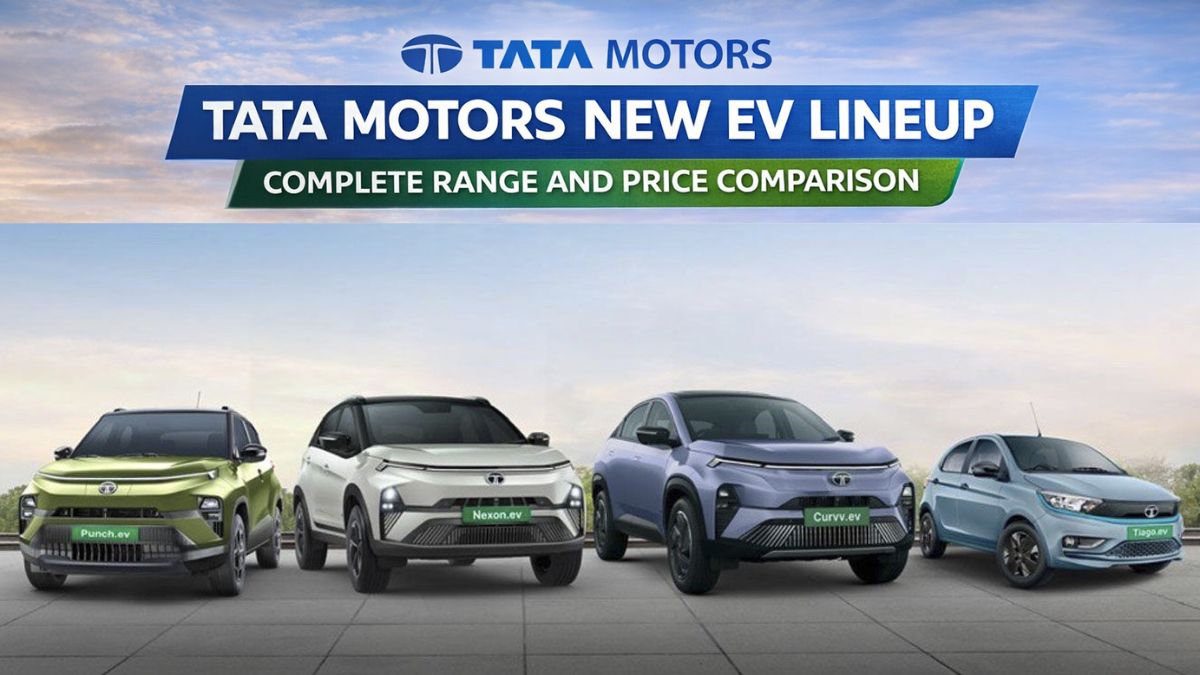
Tata EV Lineup 2026 REVEALED – Full Price Breakdown
Tesla India Booking Date LEAK – Big Update!
Hyundai Creta EV Launch Leak: Price Shock Incoming?
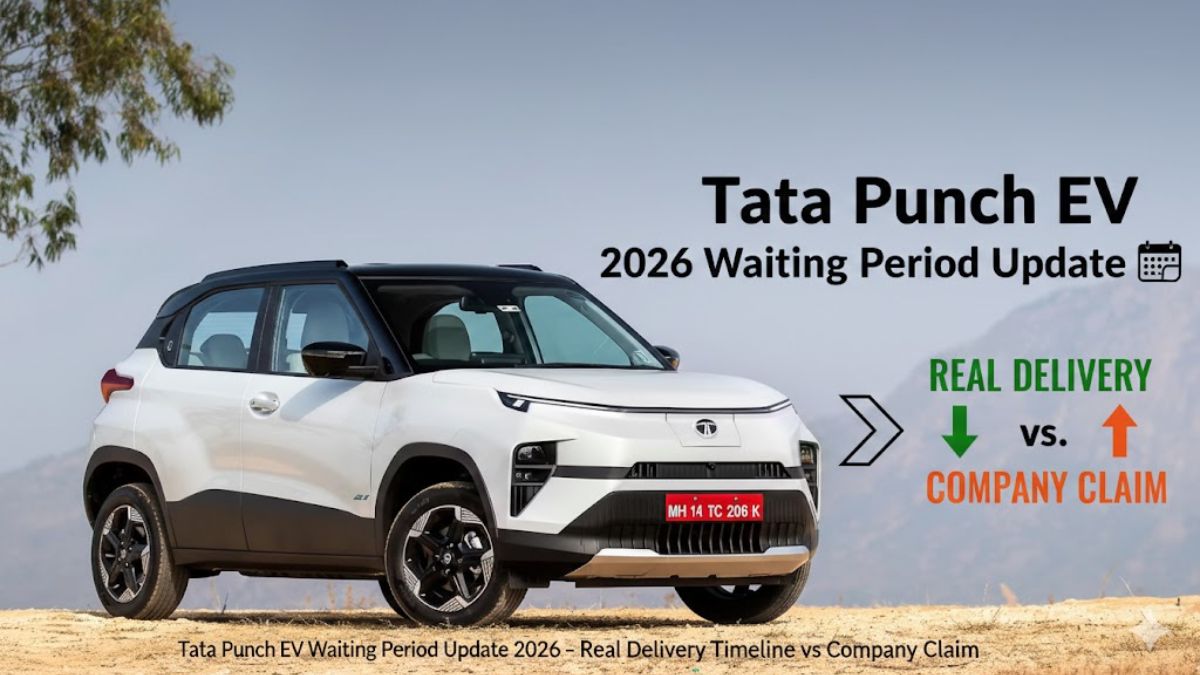
Tata Punch EV Waiting Period Update 2026: Real Delivery Timeline vs. Company Claims