Charge Once, Drive 1000 KM: The Truth About Solid-State Batteries in 2026
- Electric-Cars
- Published: 23 Dec, 2025
Book a Test Drive
Free doorstep test drive at your convenience
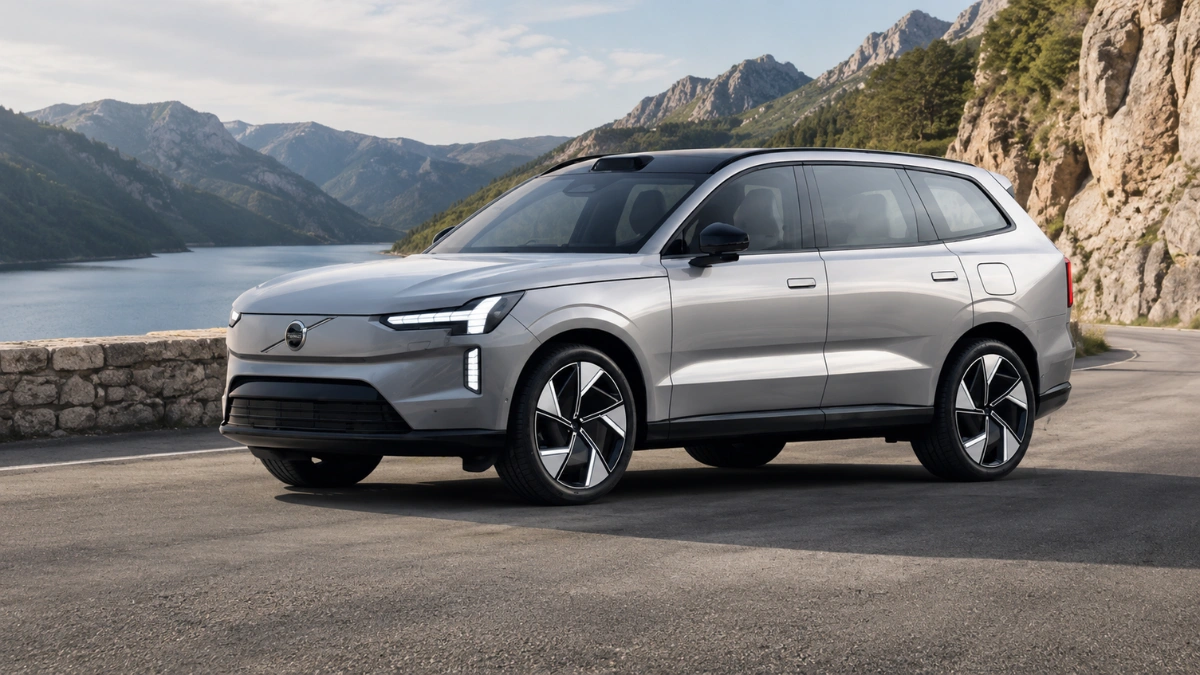
The phrase “Charge Once, Drive 1000 KM” sounds like a dream for electric vehicle (EV) owners — and solid-state batteries are often presented as the technology that will make it real. As we move toward 2026, automakers, battery companies, and governments are investing heavily in solid-state battery research. But how close are we really to EVs that can travel 1,000 km on a single charge? Let’s break down the truth behind solid-state batteries in 2026, separating real progress from marketing hype.
What Are Solid-State Batteries?
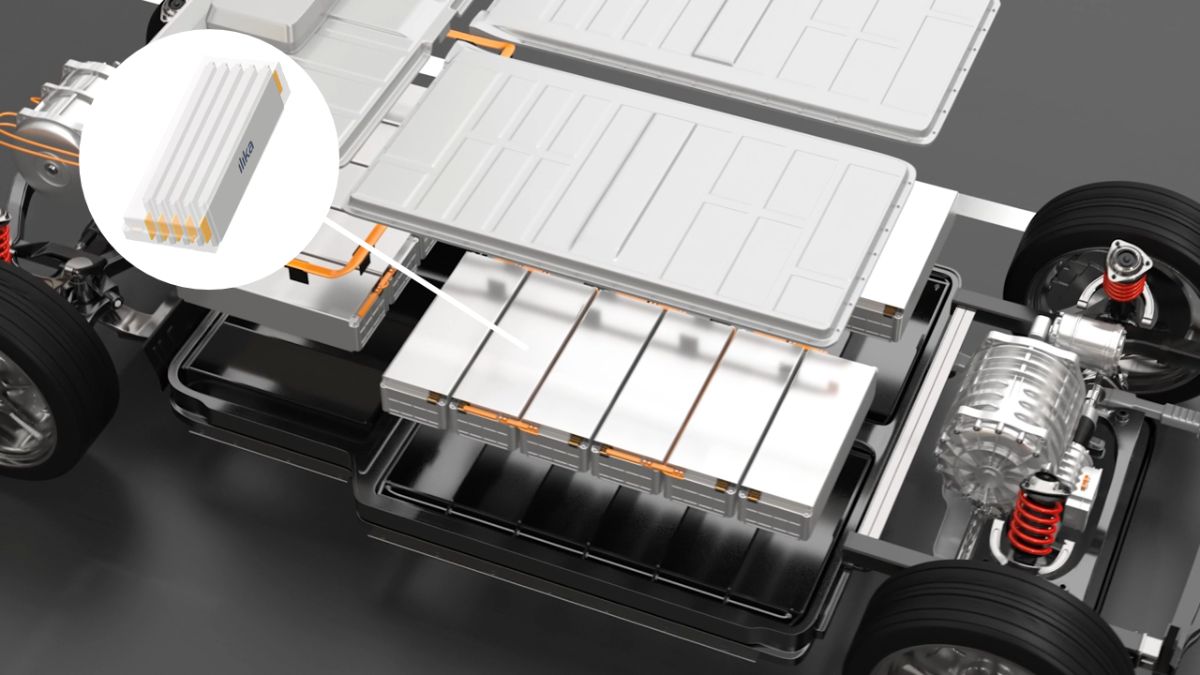
Solid-state batteries are next-generation energy storage systems that replace the liquid or gel electrolyte used in today’s lithium-ion batteries with a solid electrolyte. This single change brings several major advantages:
- Higher energy density (more power in less space)
- Improved safety, as solid electrolytes are far less flammable
- Longer lifespan with reduced degradation
- Faster charging potential
Because of these benefits, solid-state batteries are often linked to the promise of ultra-long range EVs, including the much-talked-about 1,000 km range on a single charge.
Why 1,000 KM Range Is Theoretically Possible
Current lithium-ion EVs typically offer ranges between 300 and 600 km. Solid-state batteries can theoretically deliver 30–50% higher energy density, meaning the same battery size could store significantly more energy. In practical terms, this could allow:
- A 600 km EV to approach 850–1,000 km range, or
- Smaller batteries to deliver today’s ranges at lower weight and cost
This is why headlines confidently claim: Charge once, drive 1,000 km. From a scientific standpoint, it’s not impossible — but real-world deployment is more complex.
The Reality in 2026: Limited, Not Mainstream
By 2026, solid-state batteries will exist — but not as mass-market solutions. Most experts agree on these realities:
- Pilot production only: Solid-state batteries will be used in limited fleets, premium vehicles, or test models.
- High costs: Manufacturing solid electrolytes at scale remains expensive and technically challenging.
- Durability challenges: Some solid electrolytes struggle with cracking or performance loss over repeated charge cycles.
Major automakers like Toyota, BMW, and Mercedes-Benz have announced solid-state battery roadmaps, but even they expect large-scale consumer adoption closer to 2028–2032, not 2026.
Will Any Car in 2026 Truly Drive 1000 KM on One Charge?
Short answer: Very few, if any, regular consumer cars.
In 2026, a 1,000 km EV range will likely be seen only in:
- Concept cars or demonstration vehicles
- Ultra-premium EVs with controlled usage
- Laboratory-rated conditions, not everyday driving
Most EVs in 2026 will still rely on advanced lithium-ion variants (like lithium-iron phosphate or high-nickel chemistries) offering 500–700 km real-world range.
What Solid-State Batteries Will Actually Improve by 2026
Even if 1,000 km isn’t common yet, solid-state batteries will still make a real impact:
- Better safety: Reduced fire risk compared to liquid batteries
- Faster charging: Potentially 10–15 minutes for a significant range boost
- More efficient packaging: Lighter batteries improve performance and efficiency
- Foundation for future EVs: 2026 models will pave the way for mass adoption later
So while the headline promise may be exaggerated, the technology itself is very real and transformative.
Why Choose Solid-State Battery Technology?
Solid-state batteries represent a long-term leap forward in EV innovation:
- Higher energy density enables longer range without bigger batteries
- Improved safety makes EVs more reliable and trustworthy
- Lower long-term costs as battery life improves
- Environmental benefits due to better efficiency and reduced material waste
Choosing vehicles developed with solid-state battery platforms — even early versions — means investing in future-ready technology.
Conclusion
The idea of “Charge Once, Drive 1000 KM” captures the excitement around solid-state batteries, but in 2026, it remains more promise than everyday reality. Solid-state batteries will appear in limited, premium, or experimental EVs, proving the concept rather than transforming the mass market. Most consumers will still rely on advanced lithium-ion batteries offering practical ranges of 500–700 km.
That said, 2026 will be a turning point — the year solid-state batteries move from research labs into real vehicles. The true 1,000 km EV revolution is coming — just a few years later.
Frequently Asked Questions (FAQs)
1. Can solid-state batteries really give 1,000 km range?
Yes, in theory. Higher energy density makes 1,000 km possible, but mass-market adoption will take more time.
2. Will solid-state batteries be available in India by 2026?
They may appear in limited models or test fleets, but widespread availability in India is unlikely before 2028.
3. Are solid-state batteries safer than lithium-ion batteries?
Yes. They significantly reduce fire and overheating risks due to solid electrolytes.
4. Will solid-state EVs be cheaper in 2026?
No. Early solid-state EVs will likely be more expensive due to production costs.
5. Should I wait for solid-state batteries before buying an EV?
If you need a car now, current EVs are reliable and efficient. Solid-state batteries are promising, but waiting solely for them may mean delaying your purchase for several years.
Book a Test Drive
Free doorstep test drive at your convenience
Popular Brands


Latest Electric Car News
Hyundai EV Compact SUV India Launch: Expected Price, Range & Key Details
Hybrids vs. EVs: Which Is Better for You?
Delhi EV Policy 2026 in Effect from July 1
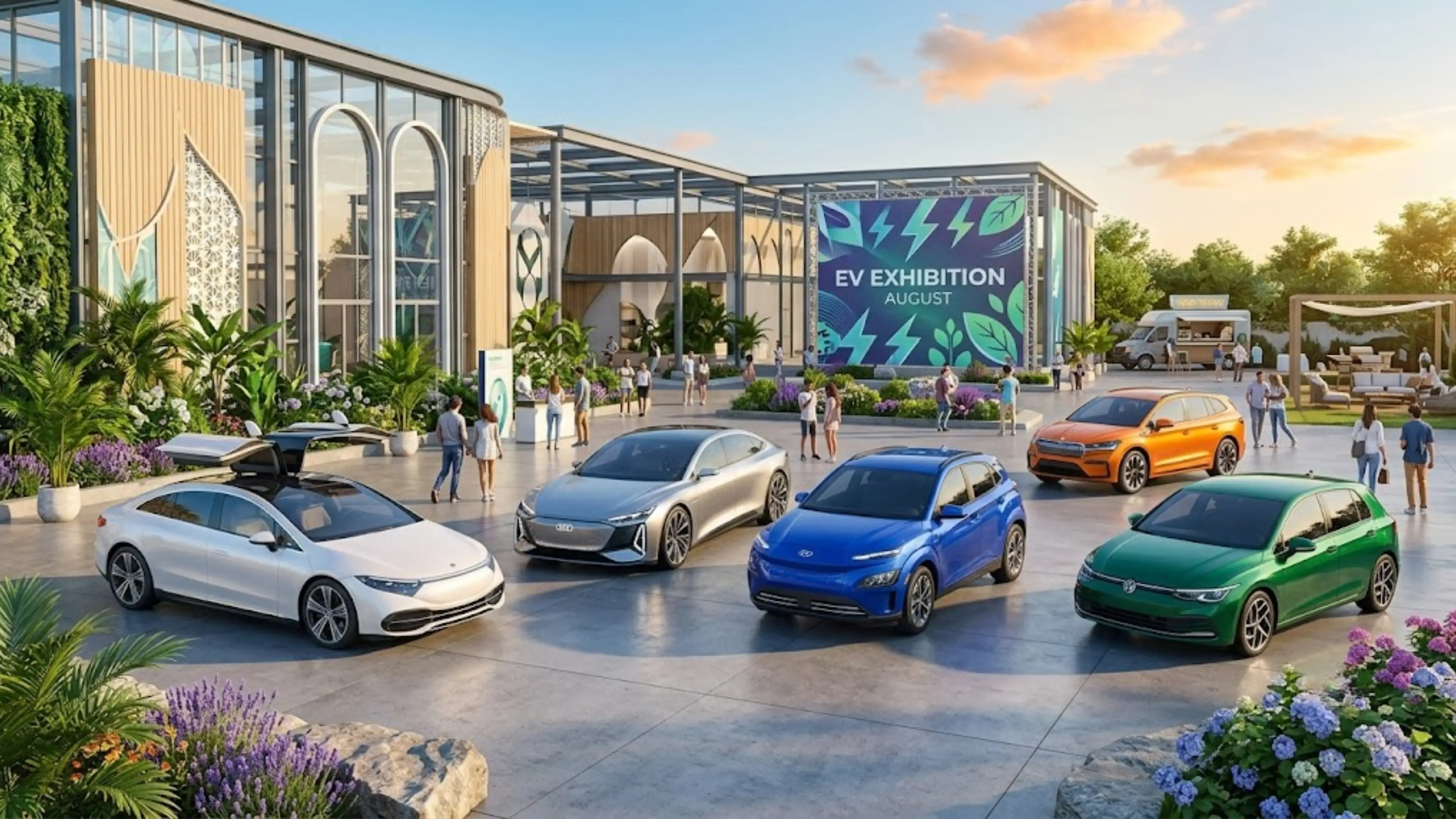
Upcoming Electric Cars in August 2026 in India
What to Do If Your Car Battery Is Dead
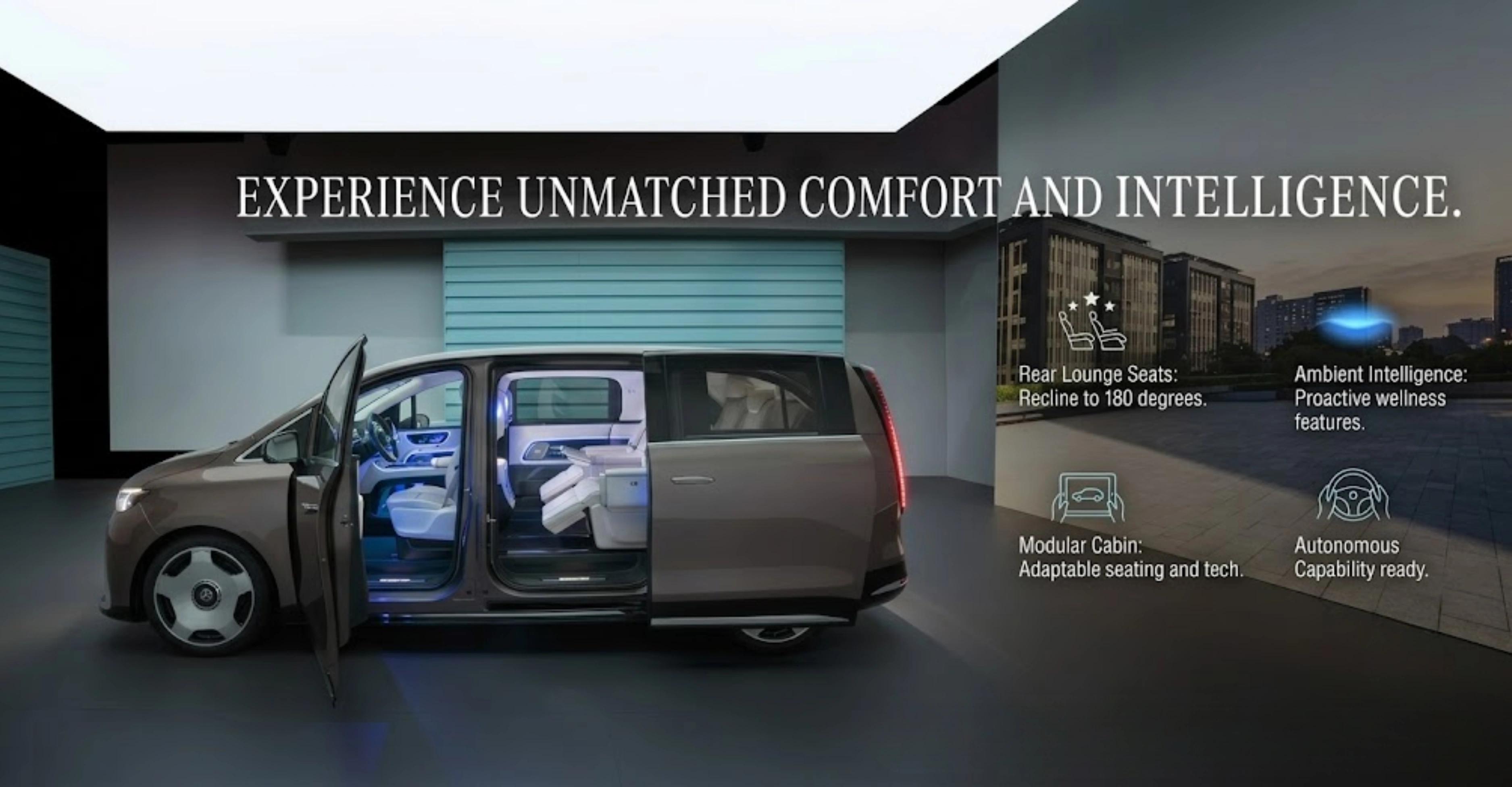
Mercedes-Benz VLE Unveiled: 8-Seater EV with 700+ KM Range
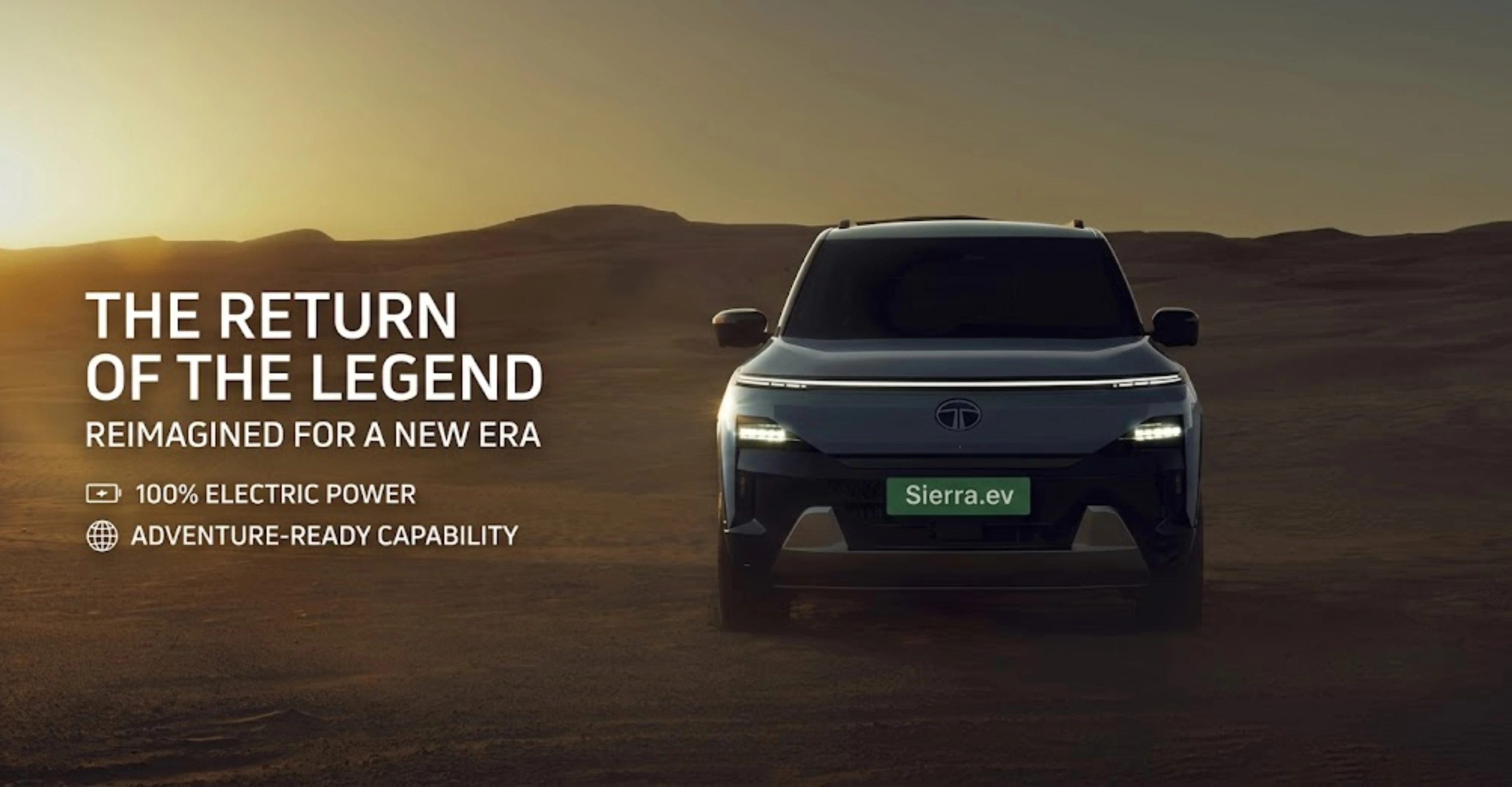
Tata Sierra EV First Look: 600+ KM Range, Triple Screens & More
Top Accessories You Should Buy for Your Tata Harrier EV
Is an EV Car Coming for ₹5 Lakh? A Major Shift in the Indian Auto Market
Top Upcoming SUVs and Electric Cars in April 2026 That Could Change the Market
Bookings Open for the Mercedes-Benz CLA Electric – A New Competitor Enters India’s EV Market
Tata’s New Budget Electric Car Coming in 2026 – Is the Nano EV Making a Comeback?
Hybrid Cars vs Electric Cars in India 2026: Which Is Better?
BYD India New Electric Sedan Launched – Price & Range Revealed
Top 5 Affordable Electric Cars in India 2026 (Best Budget EVs with Long Range)
Tata vs MG EV Comparison – Which One Is Better in 2026?
Tata EV Lineup 2026 REVEALED – Full Price Breakdown
Tesla India Booking Date LEAK – Big Update!
Hyundai Creta EV Launch Leak: Price Shock Incoming?
Tata Punch EV Waiting Period Update 2026: Real Delivery Timeline vs. Company Claims