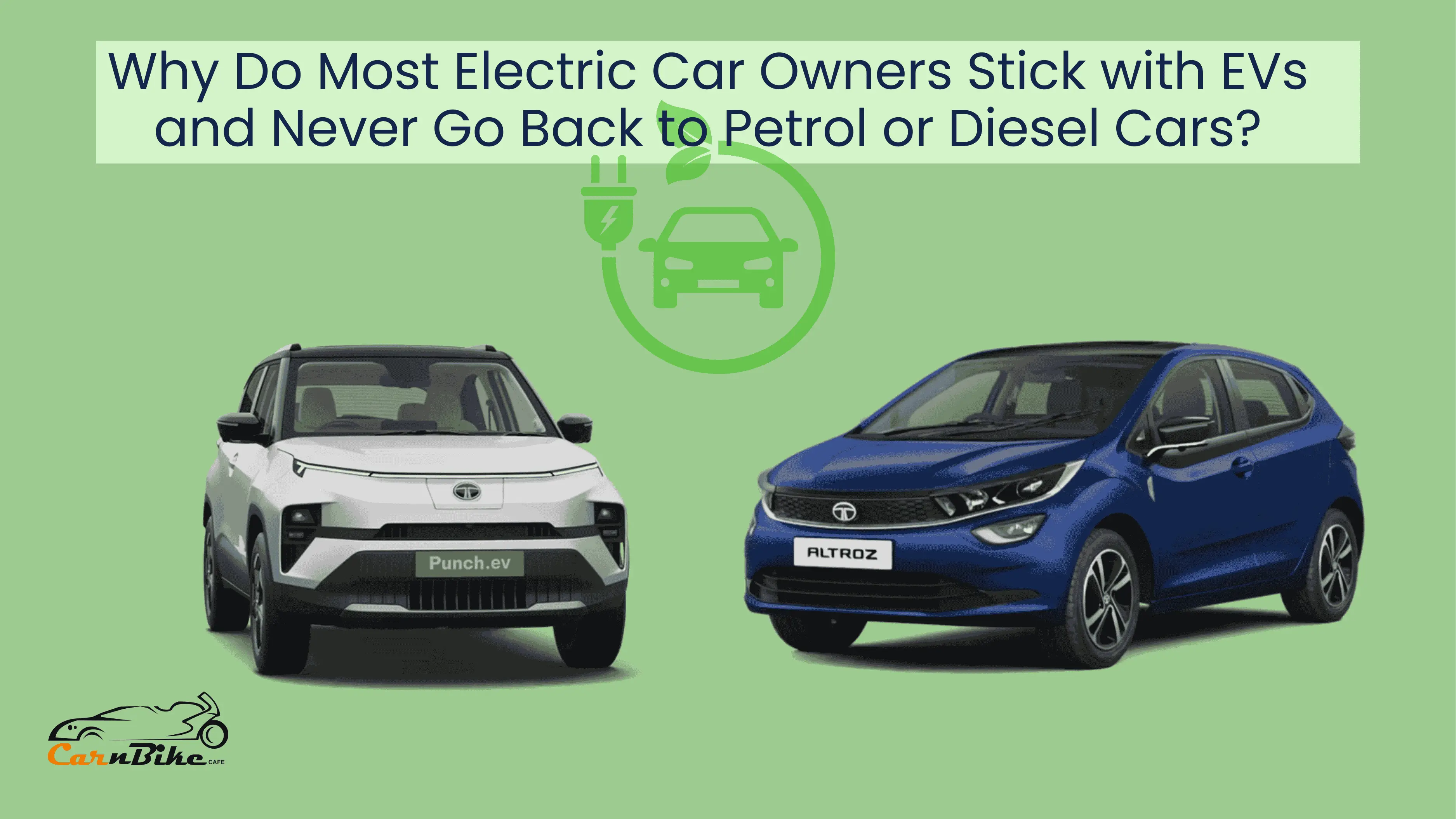
Why Do Most Electric Car Owners Stick with EVs and Never Go Back to Petrol or Diesel Cars?
- Electric-Cars
- Published: 24 Apr, 2025
- Updated: 30 Apr, 2025
Book a Test Drive
Free doorstep test drive at your convenience
Let's say you've just picked up your shiny new electric vehicle (EV) from the dealer. The quiet smoothness, the instant power, and the fact that you're doing your part for the planet—it's great. Now a few months down the road, you're loving it more than ever. So, when someone asks, "Would you ever consider going back to a petrol or diesel car?" your answer is a definite "No way." But why is it that so many EV drivers are so loyal? Why aren't they tempted to go back to their old fuel-burning vehicles?
Here's a look at why electric vehicles are drawing so many drivers—and why they won't look back.
1. The Savings Add Up
Initially, an EV will be much more expensive than a regular car. But if you take into account how much less you spend on fuel and maintenance, it is worth it. Refueling an EV is significantly cheaper than a diesel or petrol, and EVs need less maintenance since they have fewer parts. No oil changes and less time at the mechanic translates to more money saved in the long run. For most owners, this is a major reason why they will not go back to a petrol car.
2. Driving an EV Is Just Fun
Once you've driven an electric vehicle, it's difficult to forget. The smooth ride, the instant torque, and the silence of EVs make them a much nicer vehicle to drive than diesel or petrol equivalents. With an EV, you have a lovely, smooth, and quick ride whenever you're motoring—something older cars cannot compete with.
3. Helping the Environment
There are simply more people now wanting to make cleaner, healthier decisions. EVs also don't release toxic fumes like gasoline and diesel cars, which maintains the air clean and assists in the fight against climate change. For most drivers, driving an electric car is the way they can help make the world cleaner. After they make the change, they just don't feel right driving a gas car.
You May Read Also: Nissan Hyper Force: A Powerful Electric Supercar of the Future
4. Government Subsidies reduce the costs of EVs
Governments all around the world are offering tax rebates, incentives, and other advantages to prompt people to buy electric vehicles. These incentives make EVs less affordable, hence enabling the drivers to save immediately. With the incentives, it becomes easier to continue to drive an EV in the long term.
5. Charging Is More Convenient Than Ever
One of the concerns everyone has about EVs is how many charging stations there are. But the charging station network is growing rapidly, and most individuals have home chargers installed. This enables you to top up your car overnight so you're ready for the day to come. With more and more charging stations showing up around every turn, it's no longer a hassle to have an EV charged.
6. More Choices in the EV Market
There were not many electric vehicle models to choose from before. Now, there is a strong market for EVs with cars in all shapes and sizes. If you want a cheap model or an expensive car, you can have an EV. And since the batteries are better, the newer cars have higher ranges and faster charging. So, the drivers do not lose power and capabilities when they move to electric.
Once you use electricity, you see how much better it is—and you don't want to revert.
Book a Test Drive
Free doorstep test drive at your convenience
Popular Brands


Latest Electric Car News
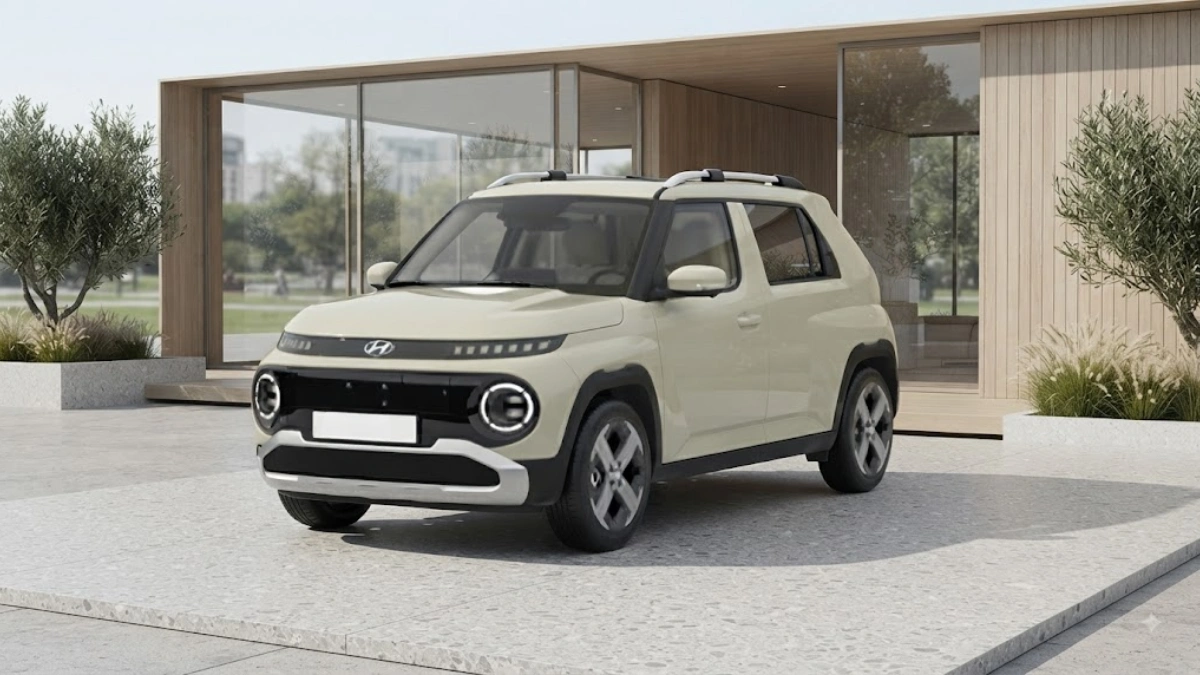
Hyundai EV Compact SUV India Launch: Expected Price, Range & Key Details
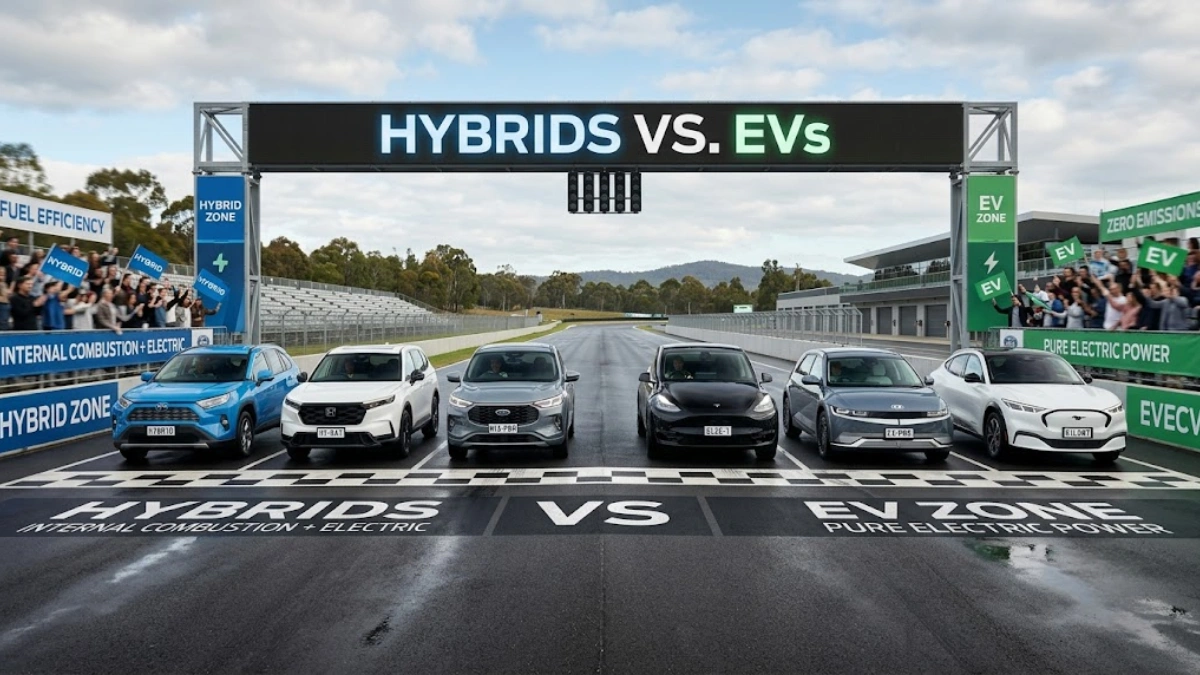
Hybrids vs. EVs: Which Is Better for You?
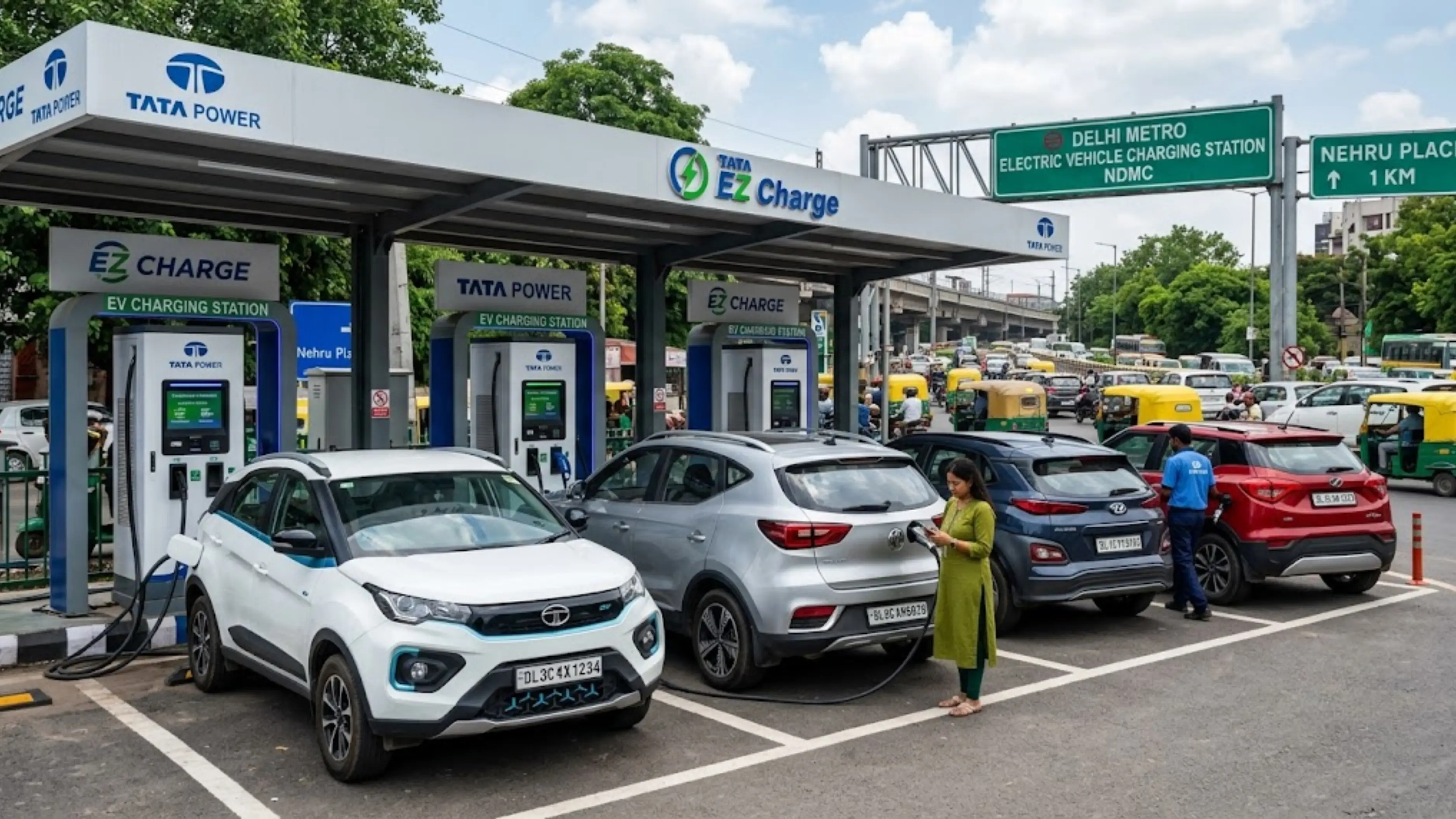
Delhi EV Policy 2026 in Effect from July 1
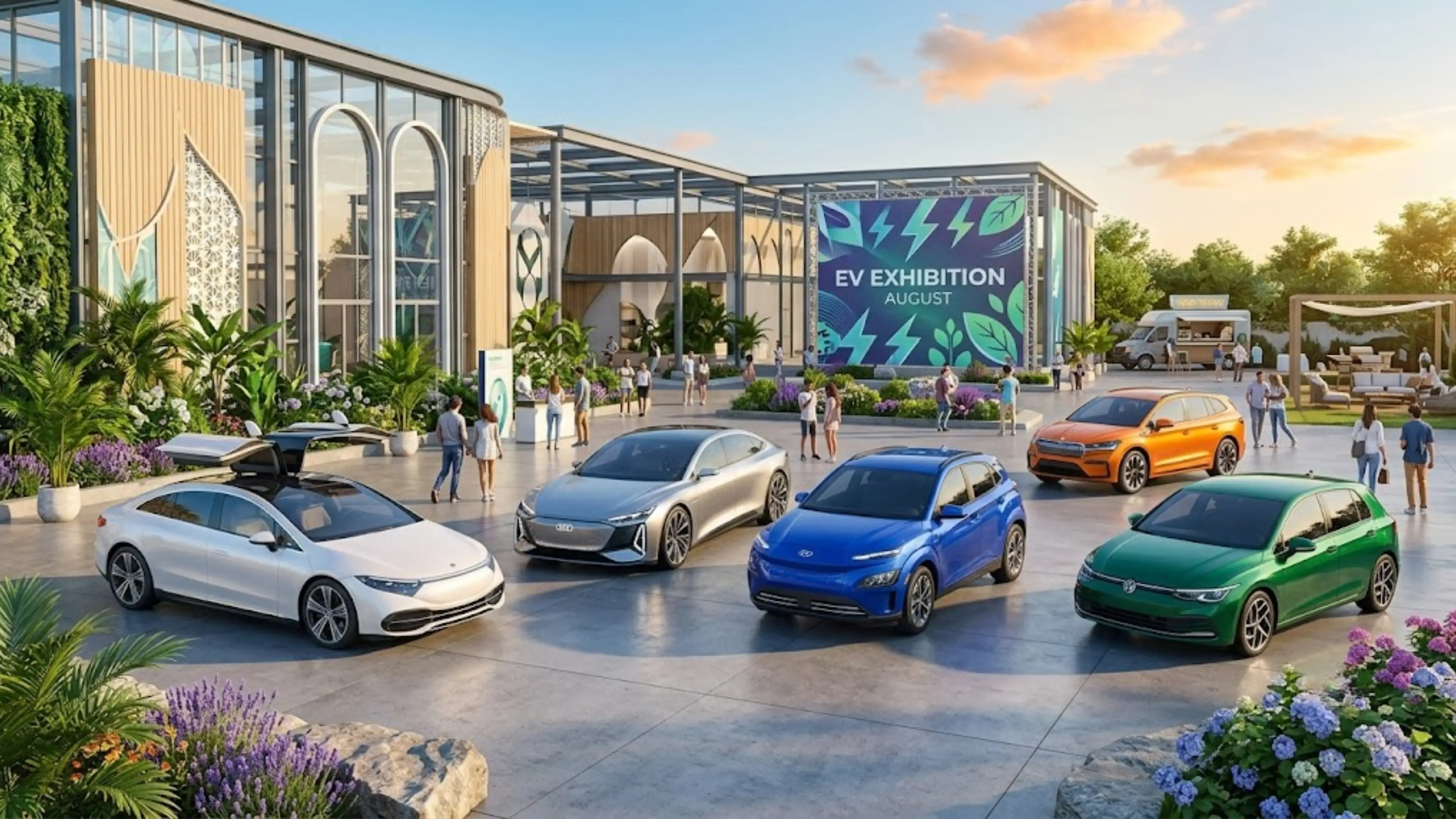
Upcoming Electric Cars in August 2026 in India
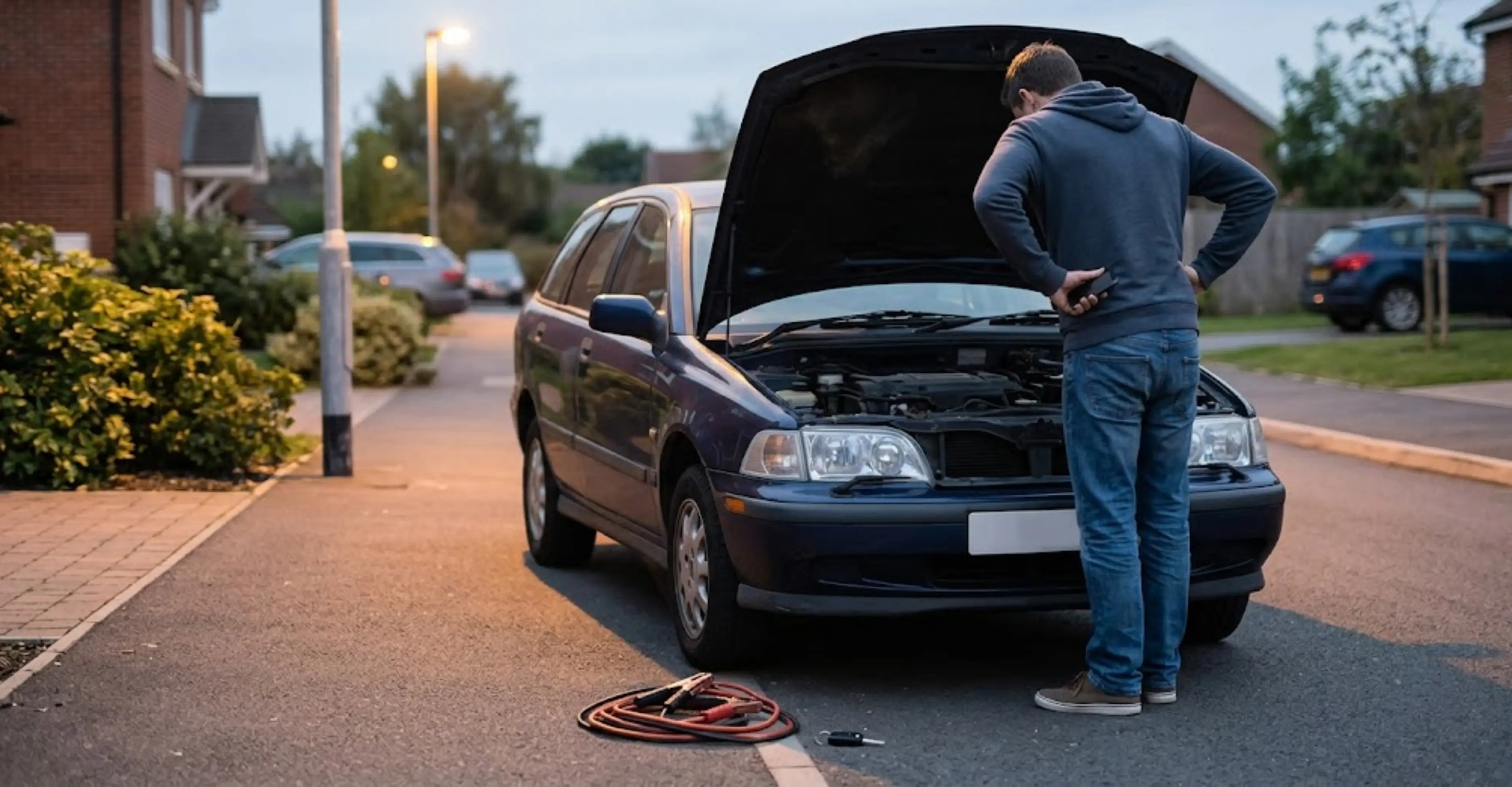
What to Do If Your Car Battery Is Dead
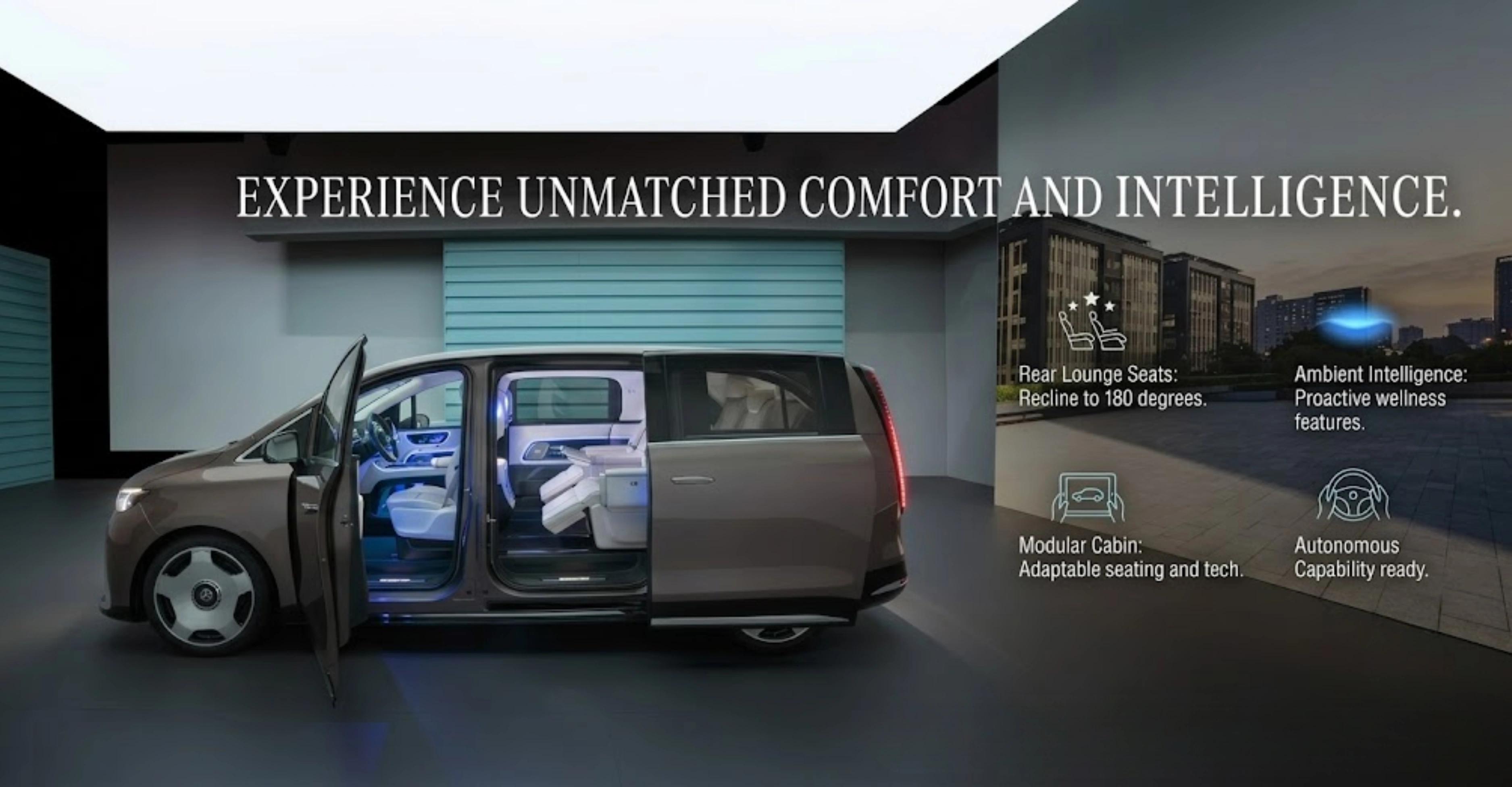
Mercedes-Benz VLE Unveiled: 8-Seater EV with 700+ KM Range
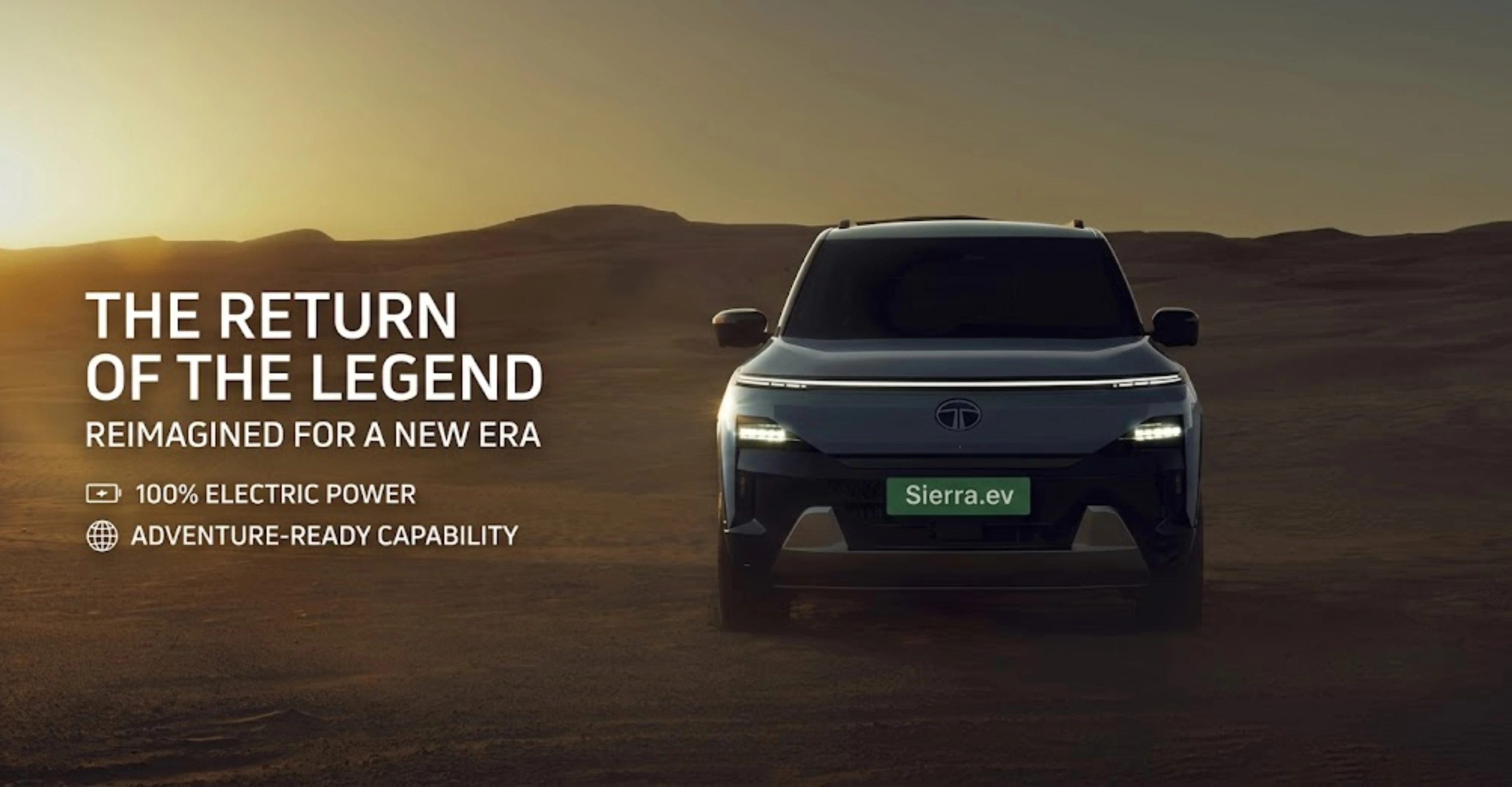
Tata Sierra EV First Look: 600+ KM Range, Triple Screens & More
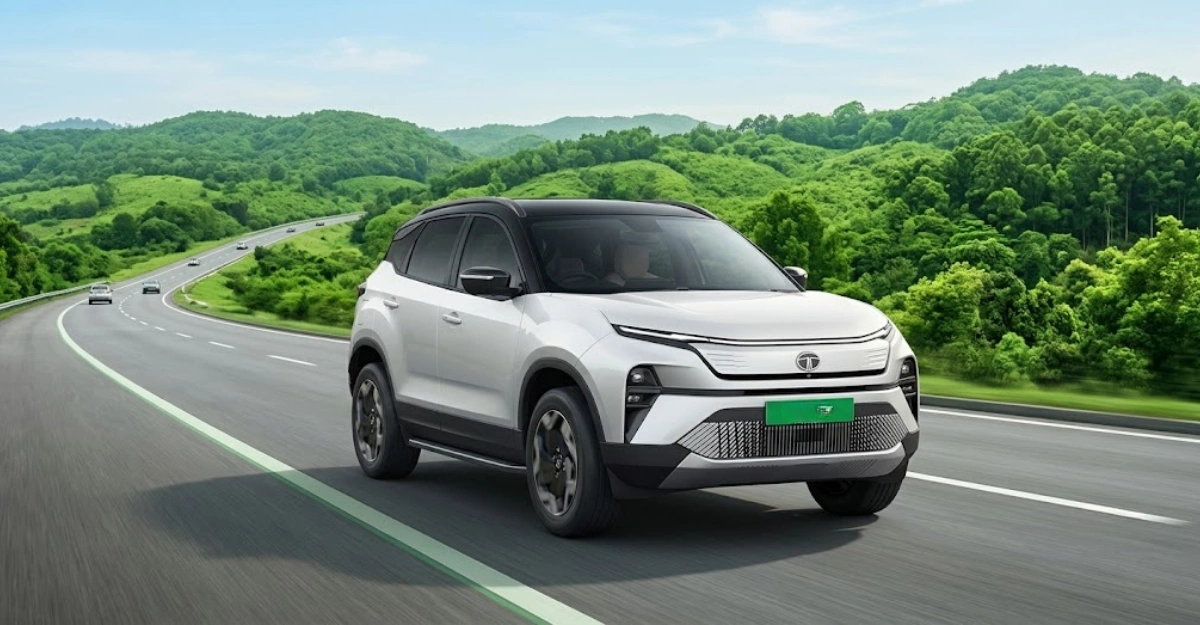
Top Accessories You Should Buy for Your Tata Harrier EV
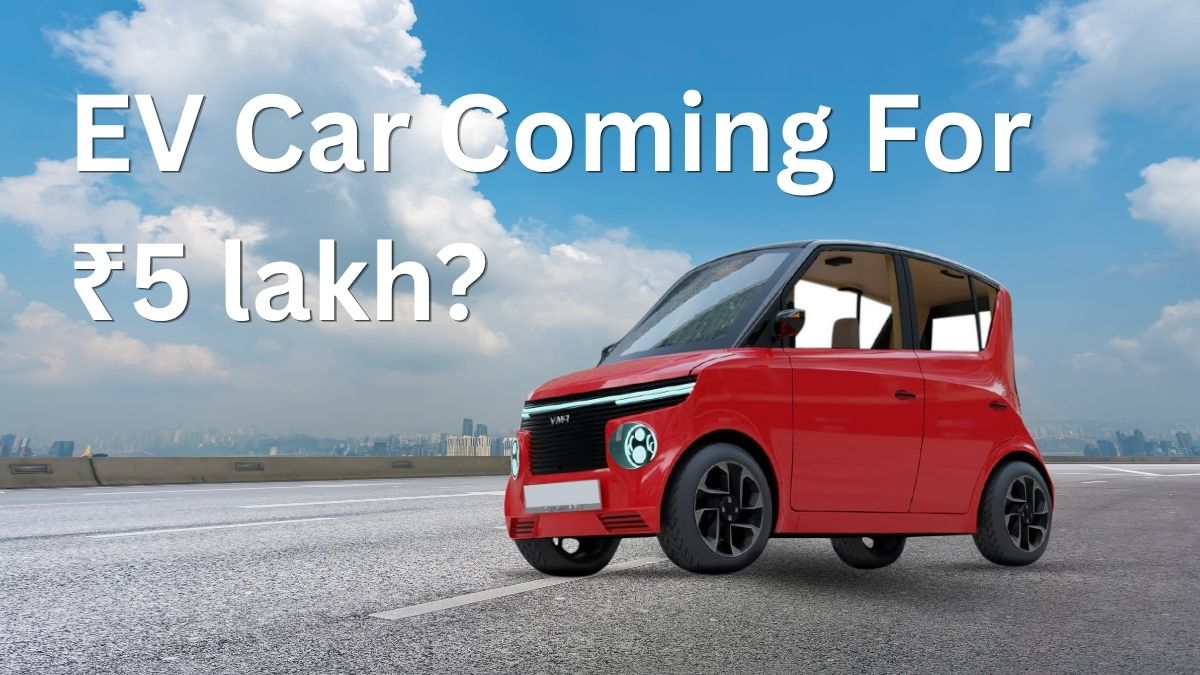
Is an EV Car Coming for ₹5 Lakh? A Major Shift in the Indian Auto Market
Top Upcoming SUVs and Electric Cars in April 2026 That Could Change the Market
Bookings Open for the Mercedes-Benz CLA Electric – A New Competitor Enters India’s EV Market
Tata’s New Budget Electric Car Coming in 2026 – Is the Nano EV Making a Comeback?
Hybrid Cars vs Electric Cars in India 2026: Which Is Better?
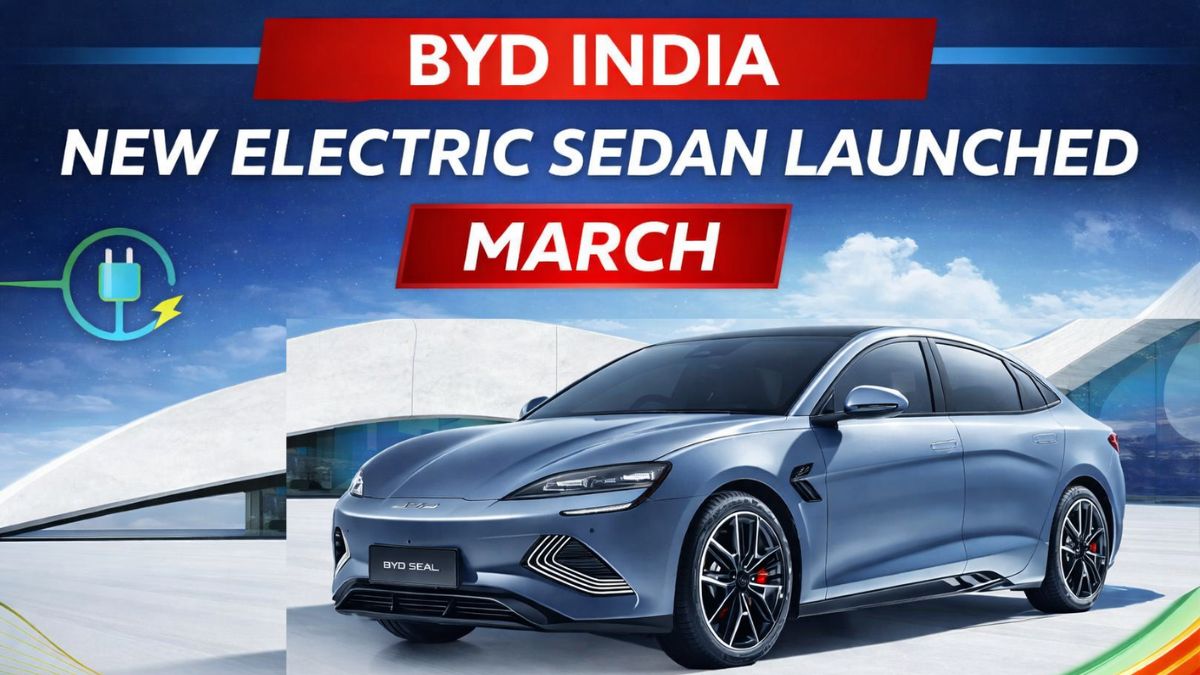
BYD India New Electric Sedan Launched – Price & Range Revealed
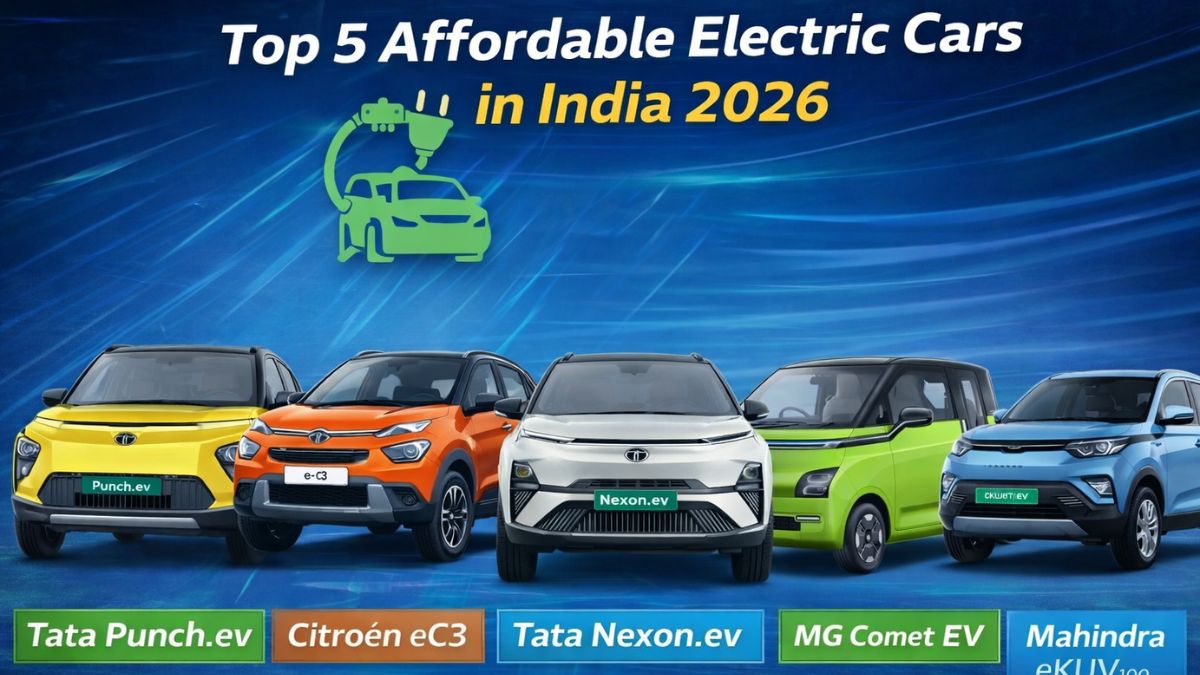
Top 5 Affordable Electric Cars in India 2026 (Best Budget EVs with Long Range)
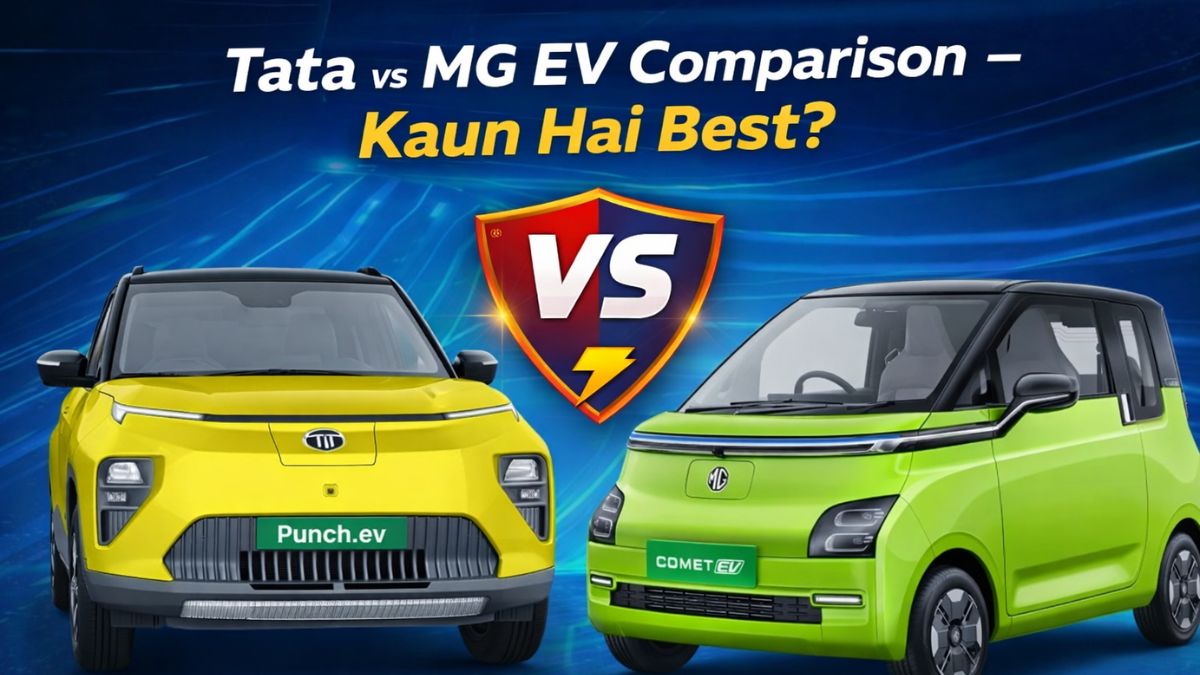
Tata vs MG EV Comparison – Which One Is Better in 2026?
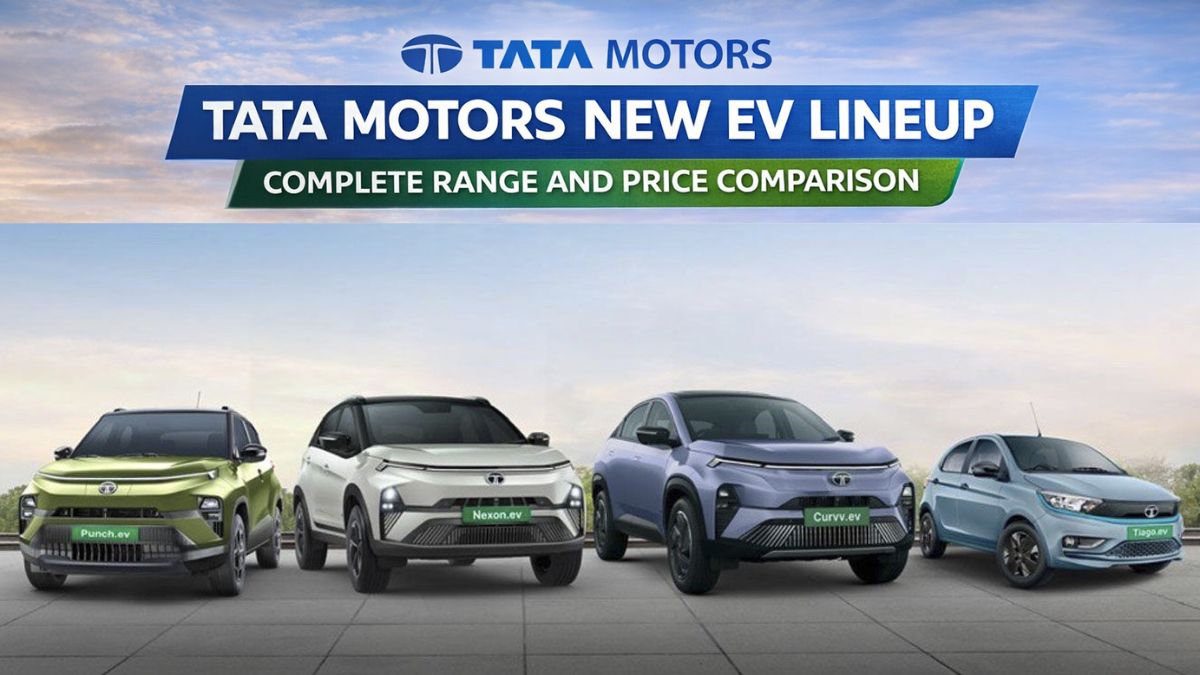
Tata EV Lineup 2026 REVEALED – Full Price Breakdown
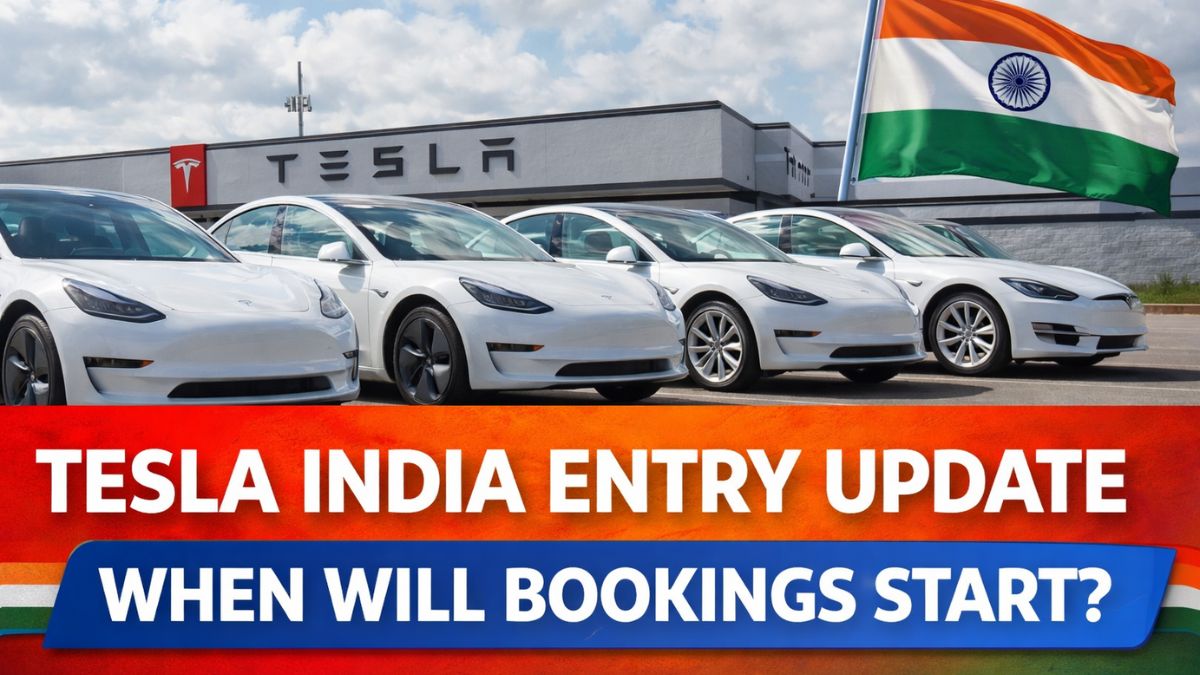
Tesla India Booking Date LEAK – Big Update!
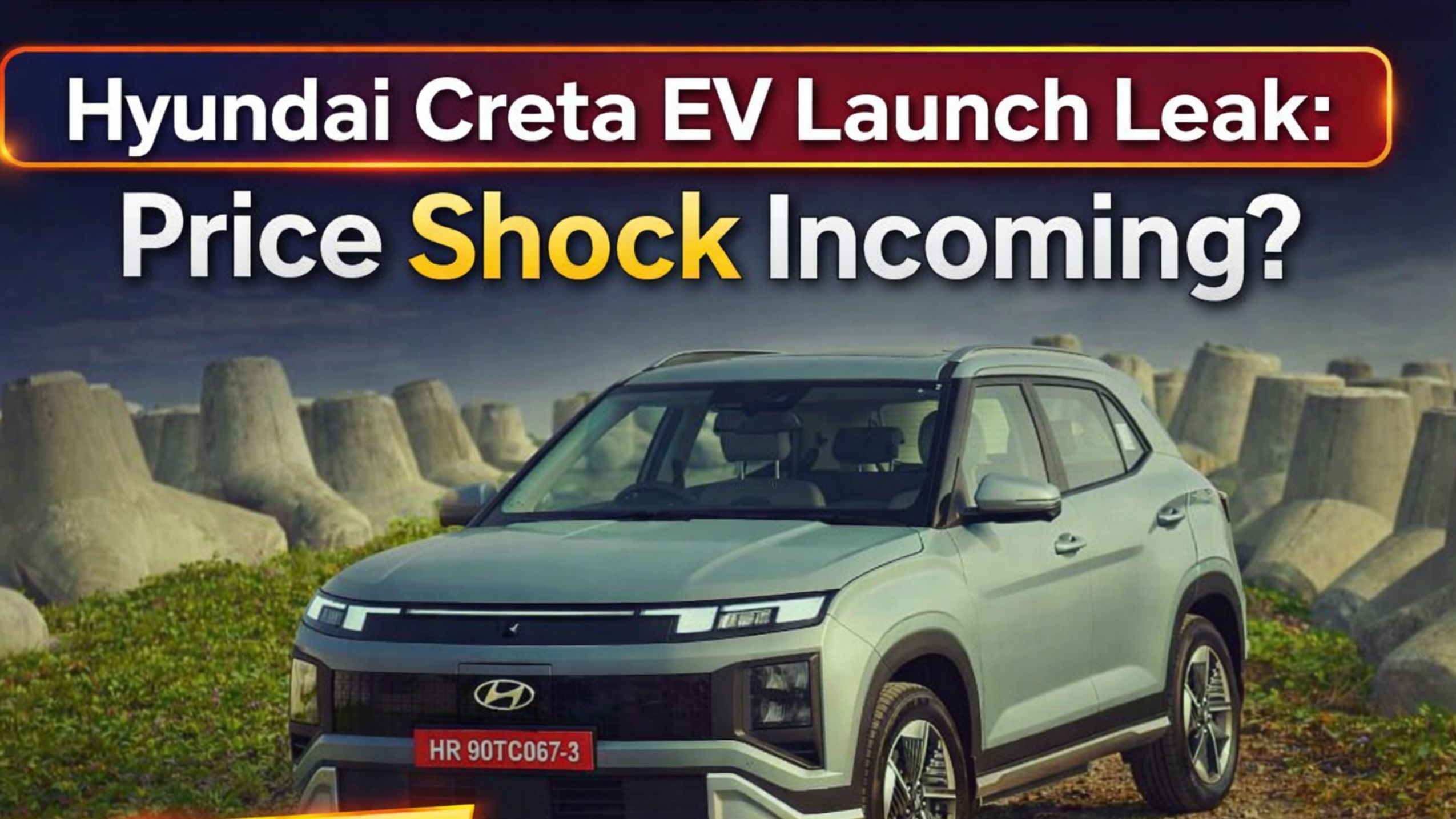
Hyundai Creta EV Launch Leak: Price Shock Incoming?
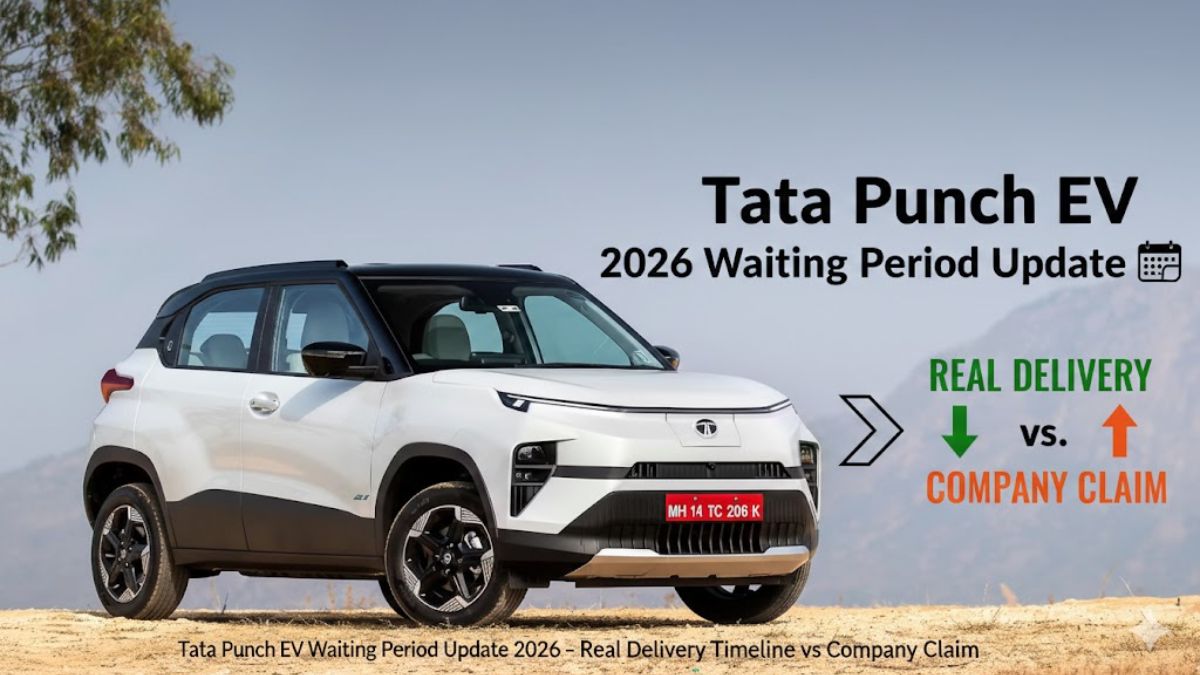
Tata Punch EV Waiting Period Update 2026: Real Delivery Timeline vs. Company Claims