
Tips for First-Time Car Buyers in India
- Cars
- Published: 23 Oct, 2025

Book a Test Drive
Free doorstep test drive at your convenience
Buying your first car is exciting — but it can also feel overwhelming. From choosing the right model to understanding financing options, there’s a lot to consider. Imagine walking into a showroom for the first time: the shiny cars, the glossy brochures, and the endless choices. It’s thrilling, but also a little confusing.
If you’re a first-time car buyer in India, this guide will help you make smart decisions, avoid common mistakes, and ensure your first car purchase is smooth and satisfying.
1. Know Your Budget Before You Start
The first and most important step is to figure out how much you can spend. This isn’t just about the car’s price — remember to include insurance, registration, road tax, and maintenance costs.
Ask yourself: Can you buy the car outright, or will you need a loan? If taking a loan, calculate the EMIs carefully so they don’t strain your monthly budget. A well-planned budget prevents surprises later and ensures you pick a car that fits your financial comfort zone.
Tip: Use online car EMI calculators to get a realistic idea of monthly payments.
2. Decide Between New and Used Cars
Buying new gives you peace of mind, warranty, and the latest technology. On the other hand, a used car is cheaper upfront, but you need to check for wear and tear and past accidents.
For first-time buyers, a new car is often recommended for reliability and lower maintenance in the first few years. But if your budget is tight, a certified used car from a trustworthy dealer can be a good alternative.
Tip: Inspect a used car thoroughly, or hire a trusted mechanic before buying.
3. Identify Your Needs
What will you use the car for? Daily city commutes, long highway trips, or family outings? Think about passenger space, fuel efficiency, and boot capacity.
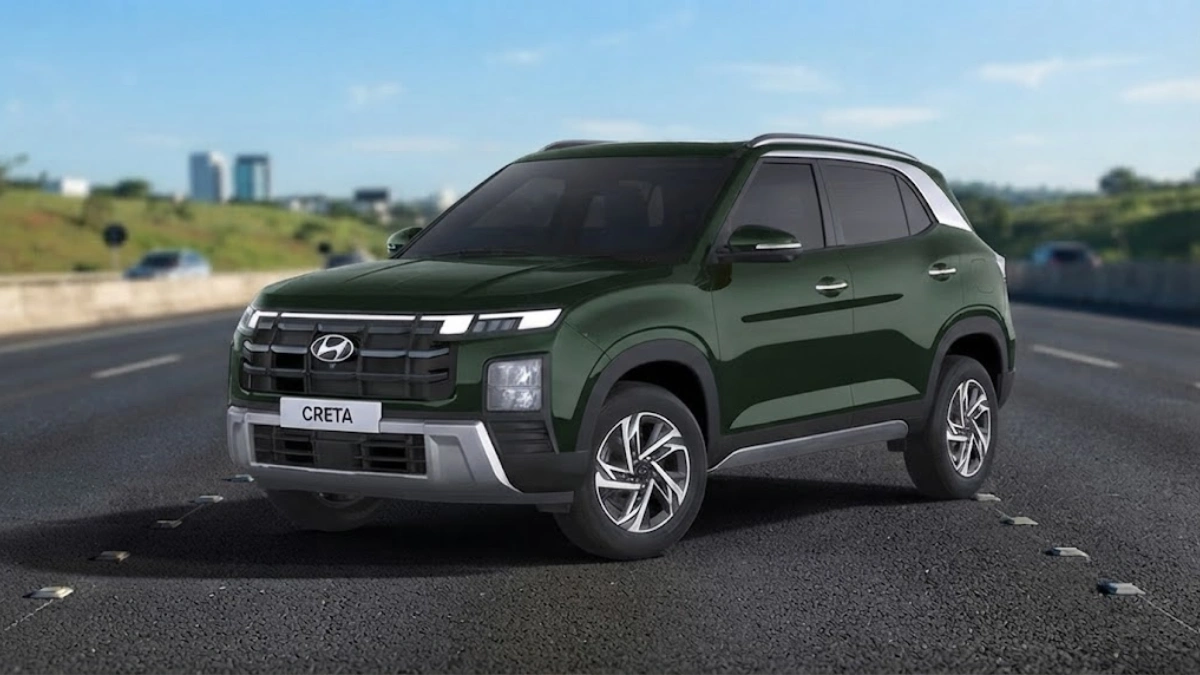
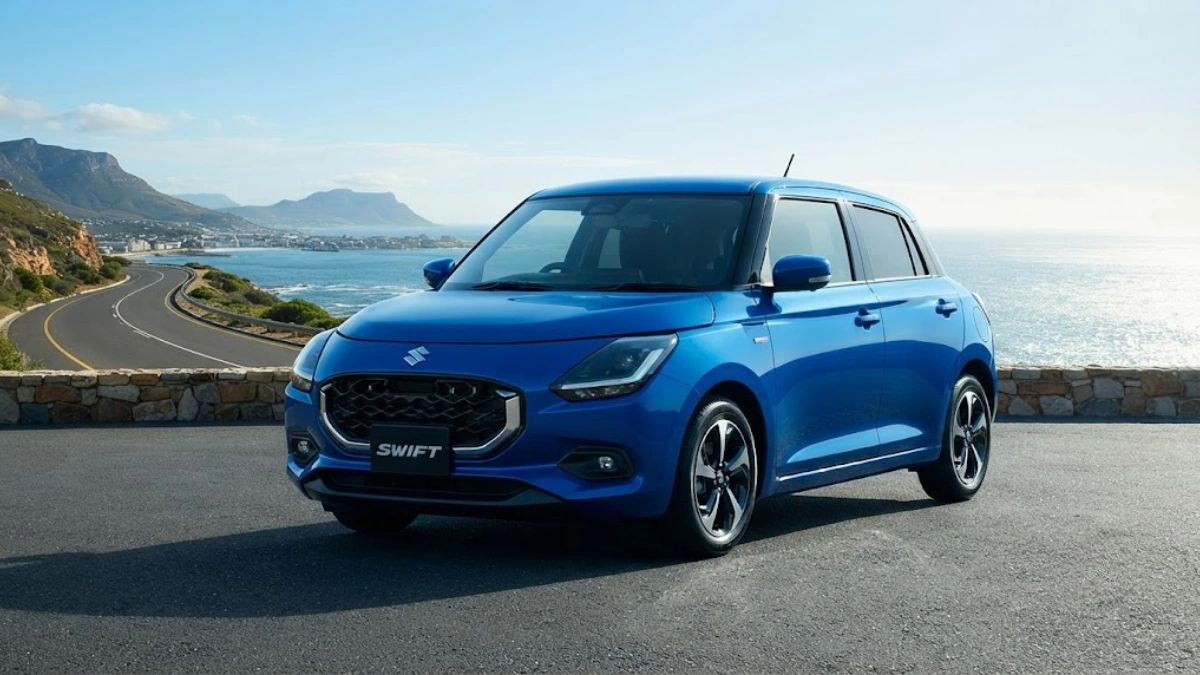
For example, compact cars like the Maruti Suzuki Swift are perfect for city traffic and parking, while SUVs like the Hyundai Creta are better for long drives and family trips. Knowing your priorities helps you choose the right car without overpaying for unnecessary features.
Tip: Make a list of “must-have” vs “nice-to-have” features to narrow down your choices.
4. Consider Fuel Type and Mileage
In India, fuel costs are a major factor in long-term car ownership. Petrol cars are generally cheaper upfront, but diesel cars are more fuel-efficient for long distances.
Electric vehicles (EVs) are gaining popularity, but check if your city has charging infrastructure before committing. Mileage and running costs can have a bigger impact on your budget than the car price itself.
Tip: Compare the ARAI mileage of different models and factor in fuel prices for a realistic monthly cost.
5. Research Cars and Read Reviews
Before visiting showrooms, do your homework. Compare models online, read user reviews, and check expert ratings. Look for reliability, maintenance costs, and resale value.
Forums, YouTube reviews, and automotive websites provide honest feedback from real users. This research saves time and helps you make informed decisions rather than relying solely on salespeople.
Tip: Make a shortlist of 3–4 models to test-drive, so you can compare them effectively.
6. Test Drive Before Buying
A test drive is crucial. It helps you feel the car’s handling, comfort, and features in real conditions. Pay attention to braking, steering, and visibility. Don’t rush — spend at least 30 minutes driving different routes if possible.
Tip: Bring a friend or family member during the test drive to get a second opinion.
7. Check Hidden Costs
Car price is just the starting point. Insurance, extended warranties, accessories, registration, and road tax can add a significant amount. Ask for a detailed cost breakdown from the dealer.
Tip: Compare insurance quotes online — sometimes third-party or online plans are cheaper than dealer offers.
8. Financing and Loan Options
If you’re taking a car loan, compare interest rates from banks, NBFCs, and car manufacturers. Check the processing fees, prepayment charges, and loan tenure.
A shorter loan term reduces interest but increases EMIs; a longer loan term lowers EMIs but increases total interest paid. Choose what fits your budget and future plans.
Tip: Keep your CIBIL score healthy — it can get you lower interest rates.
9. Check Resale Value
Even if it’s your first car, think about resale value. Some brands like Maruti Suzuki and Hyundai have higher resale value in India. Cars that are reliable and fuel-efficient tend to hold value longer.
Tip: Avoid heavily customized cars if resale value matters in the future.
10. Don’t Rush, Take Your Time
Buying a car is a big decision — take your time, research, and compare options. Impulse decisions can lead to regret later.
Visit multiple showrooms, test-drive different cars, and ask questions. Make a decision when you feel confident about the car, the price, and the overall package.
Conclusion
Buying your first car is more than just a purchase — it’s a milestone. The excitement of owning your own vehicle is unmatched, but making smart choices ensures it’s also a satisfying experience.
From setting a budget and researching models to considering fuel efficiency and resale value, every step matters. Remember, the cheapest car isn’t always the smartest choice, and the most expensive car isn’t always the best.
With careful planning, research, and patience, your first car can be a perfect blend of comfort, reliability, and affordability — making every journey enjoyable and stress-free.
FAQs for First-Time Car Buyers in India
1. What is the best budget for first-time car buyers in India?
It depends on your finances, but typically ₹5–10 lakh is ideal for reliable entry-level cars.
2. Should I buy a new or used car as a first-timer?
New cars are recommended for peace of mind, but certified used cars can be budget-friendly if inspected carefully.
3. Which car type is best for beginners — hatchback, sedan, or SUV?
Hatchbacks are ideal for city driving, easy parking, and lower fuel costs.
4. How important is fuel efficiency for first-time car owners?
Very important — high mileage reduces monthly running costs significantly.
5. What hidden costs should I be aware of?
Insurance, registration, road tax, accessories, and maintenance can add 15–20% to the car price.
Book a Test Drive
Free doorstep test drive at your convenience
Popular Brands





Latest Car News
Upcoming Cars in September 2026 in India: New Cars, Launch Dates & Expected Prices
MG Hector Hawk SUV vs Tata Harrier: Expected Price, Features & Key Differences
Skoda Superb Diesel in India: Will the Diesel Engine Make a Comeback?
Tata Punch Becomes India's Best-Selling SUV in July 2026 with 21,313 Units Sold
Car Sales Report July 2026: Maruti Remains No.1, Tata, Mahindra & Hyundai Record Strong Growth
Tata Curvv EV Discount August 2026: Save Big with Limited-Time Offers
Kia Sorento Booking in India: Launch Date, Price & Booking Process
Skoda Slavia Facelift Launch Date in India
Hyundai Creta Next Gen Upgrades: Biggest Changes Expected
Limited Edition Skoda Slavia Monte Carlo Adds New Colours for 200 Buyers Only
Suzuki Loses India Market Share as Buyers Demand More Features
Hybrid Car Sales Decline 8% in June 2026: Complete Analysis
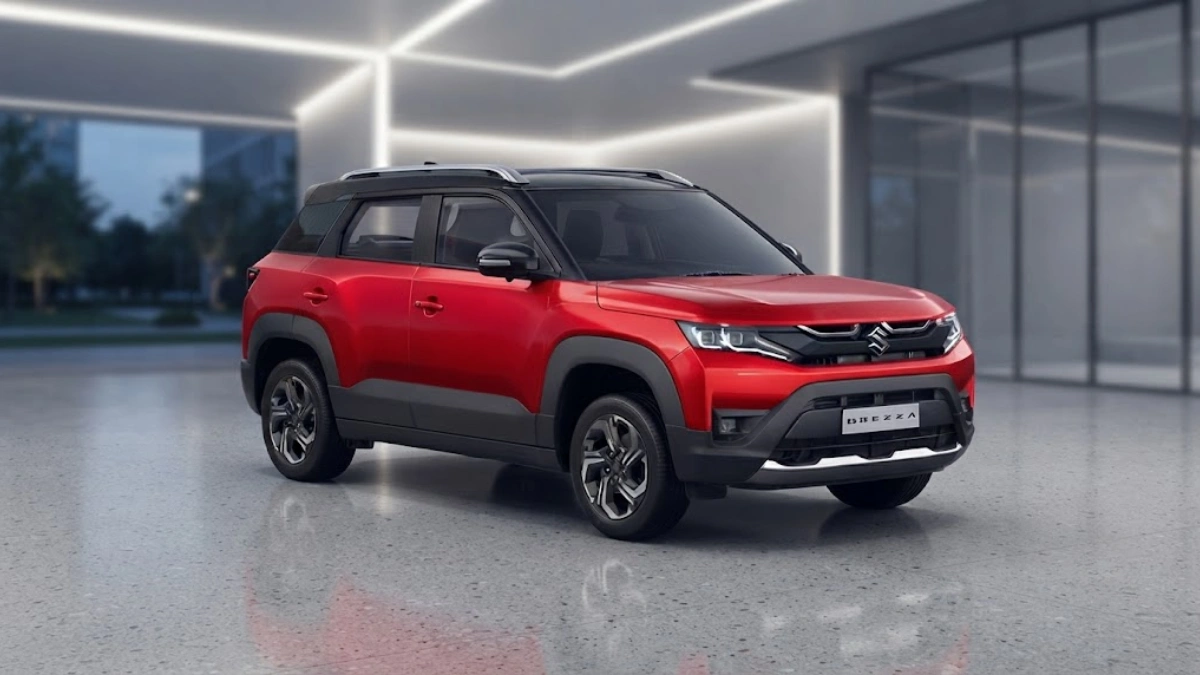
How to Book Maruti Brezza Facelift: Complete Booking Guide
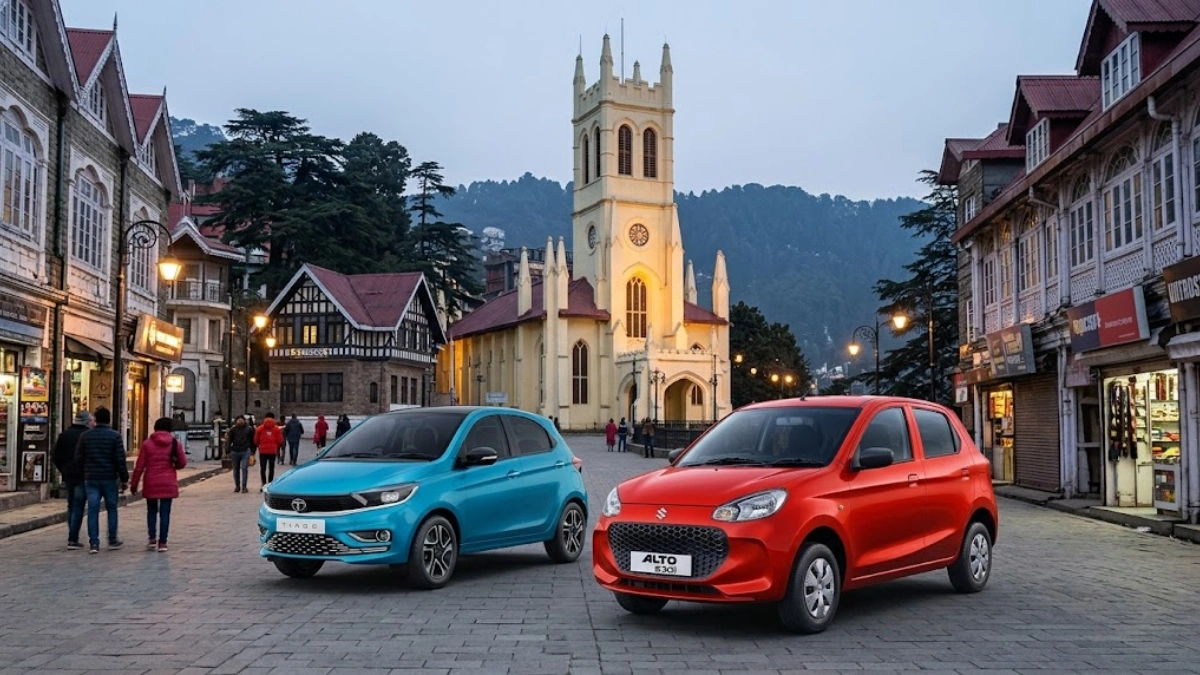
Alto K10 vs Tiago: Which Is Better?
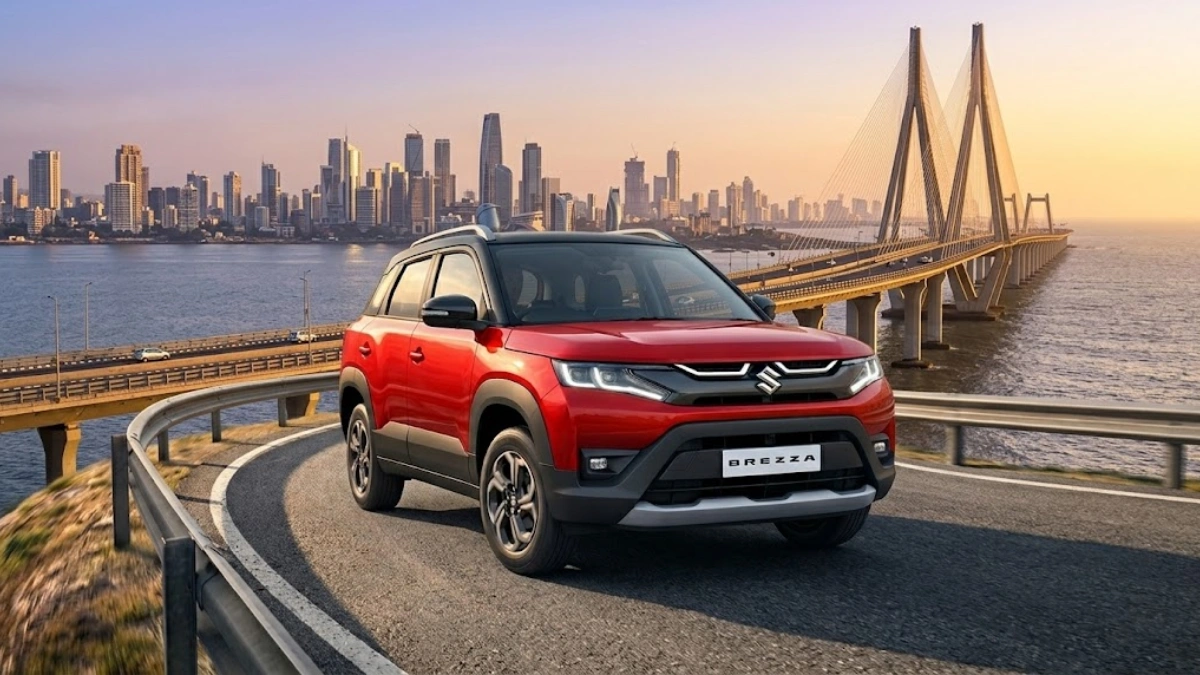
Maruti Brezza Facelift 2026: What's New Compared to the Current Model?
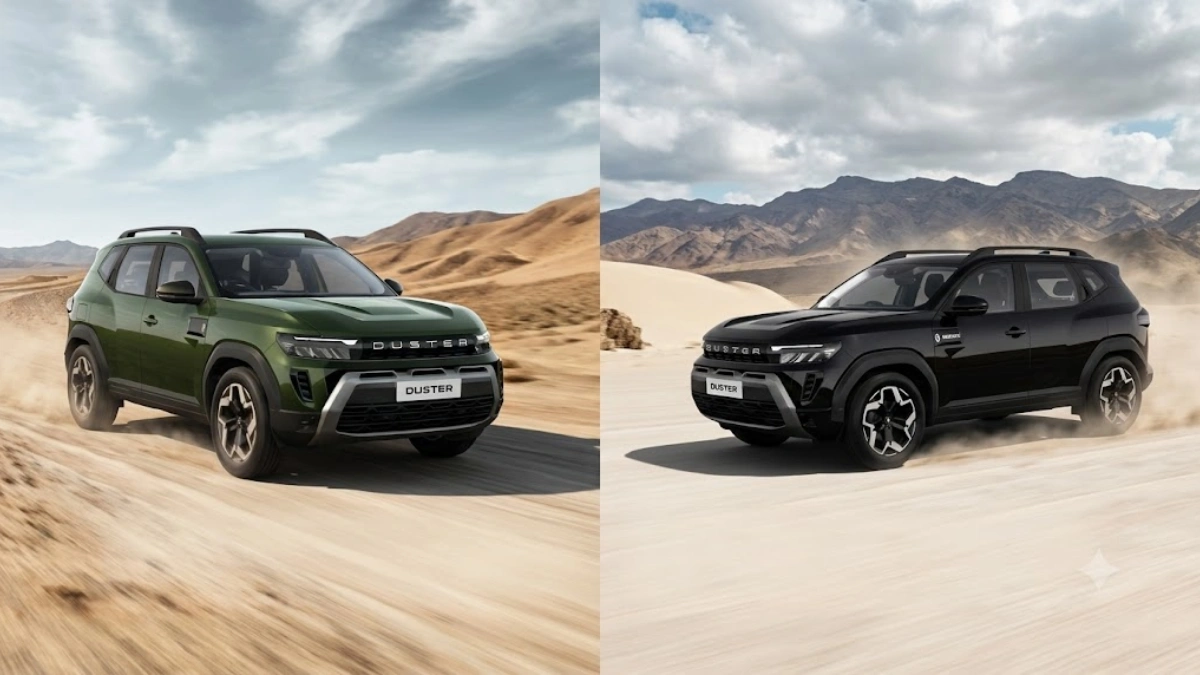
Renault Duster Adventure Edition vs Standard Duster: What's Different?
Skoda Slavia Facelift 2026 vs Volkswagen Virtus: Which Sedan Should You Wait For?
Volkswagen Tayron Life Launched in India at ₹41.99 Lakh
Volkswagen Announces 50% Reduction In Global Car Line-up
Tata Nexon Pure Plus : Know Everything Before Buying in July