
Impact of New Government Regulations on Petrol and Diesel Vehicles
- Cars
- Published: 09 Dec, 2025
Book a Test Drive
Free doorstep test drive at your convenience
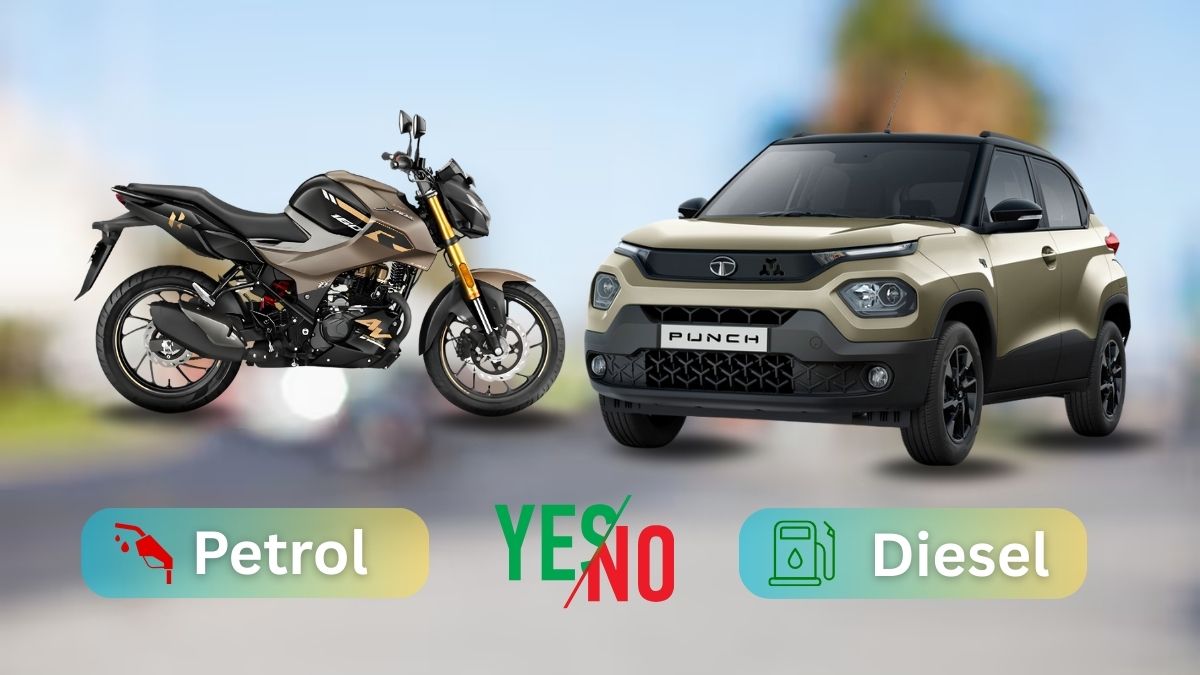
Government regulations play a major role in shaping the future of the automobile industry. In recent years, the government has introduced several new norms to control pollution, boost fuel efficiency, and encourage the adoption of cleaner mobility. These rules directly affect petrol and diesel vehicle owners — from the type of fuel they use to the taxes they pay and even how long they can use the vehicle.
This article explains the impact of new regulations on petrol and diesel vehicles, what changes consumers should expect, and how these rules influence vehicle prices, maintenance, and long-term ownership.
1. Stricter Emission Norms
a) BS6 Phase II Regulations
One of the biggest regulatory changes is the transition to BS6 Phase 2, which requires automakers to reduce emissions even further.
Impact on petrol & diesel vehicle owners:
- Vehicles become costlier due to advanced exhaust and engine technology.
- Better fuel efficiency in some models.
- Engines tuned for cleaner combustion may feel slightly different in performance.
b) Real Driving Emission (RDE) Testing
RDE testing ensures vehicles meet emission norms not only in labs but also in real traffic.
Impact:
- Cars have become more accurate in emission reporting.
- Addition of sensors and onboard diagnostics increases maintenance costs slightly.
2. Fuel Price and Tax-Related Rules
a) Green Cess and Environmental Taxes
Many cities are implementing green taxes on older petrol and diesel vehicles to reduce pollution.
Impact:
- Higher re-registration fees for older vehicles.
- Increased yearly road tax in polluted metro cities.
- Encourages owners to shift to newer, cleaner models or EVs.
b) Push for Cleaner Fuel
Government mandates the use of:
- E20 fuel (20% ethanol blend) in petrol
- Biodiesel blends in diesel
Impact:
- Petrol engines must be compatible with ethanol-blended fuel.
- Older vehicles may face reduced mileage or engine wear if not compatible.
- Fuel stations upgrading to supply E20 across India.
3. Ban and Restrictions on Older Vehicles
a) 10-Year Diesel & 15-Year Petrol Rule
Several cities already enforce the rule banning:
- Diesel vehicles older than 10 years
- Petrol vehicles older than 15 years
Impact:
- Reduced resale value of older vehicles.
- Need for timely scrapping or upgrade.
- Rise in demand for new vehicles with lower emissions.
b) Vehicle Scrappage Policy
The government’s voluntary scrappage policy offers:
- Discounts on new car purchase
- Tax benefits
- Scrap value for old vehicles
Impact:
- Encourages owners to dispose of end-of-life vehicles.
- Reduces pollution from old engines.
4. Higher Registration and Insurance Costs
New rules require:
- Higher registration charges for high-emission vehicle categories
- Higher insurance premiums for diesel cars due to environmental risk factors
Impact:
- Increased on-road price of diesel vehicles
- Owners pay more for long-term insurance
- Many buyers shifting to petrol, CNG, or hybrid alternatives
5. Promotion of Electric Vehicles
Government rules indirectly push buyers toward EVs by:
- Offering subsidies
- Reducing road tax
- Providing incentives for charging infrastructures
Impact on petrol & diesel vehicles:
- Reduced demand may increase resale value fluctuations
- Automakers increasing hybrid options
- Some models discontinued to meet future emission norms
Why Choose a Petrol or Diesel Vehicle Now?
Despite the regulations, petrol and diesel vehicles still have their advantages:
1. Better Long-Distance Performance
Diesel engines remain efficient for highway driving and heavy-load use.
2. Wider Fuel Availability
Petrol and diesel refueling stations are available everywhere, unlike EV fast-charging stations.
3. Lower Purchase Price vs EVs
Many petrol models are still priced lower than electric vehicles with similar features.
4. Proven Reliability
Internal combustion engines have decades of proven performance and durability.
5. More Options Across Segments
From small hatchbacks to large SUVs, petrol and diesel vehicles offer diverse choices.
Conclusion
Government regulations are reshaping the future of petrol and diesel vehicles, primarily to reduce pollution and promote cleaner mobility. While stricter norms and taxes may increase costs, they also ensure cleaner fuel, safer engines, and better air quality. Vehicle owners should stay informed about new rules, especially relating to emissions, re-registration, and fuel compatibility.
Petrol and diesel vehicles still remain strong choices for long-distance drivers, rural users, and those seeking affordability — but the shift toward hybrid and electric mobility is steadily increasing.
FAQ
Q1: Will petrol and diesel cars be banned soon?
No, there is no nationwide ban. Restrictions apply mainly to old vehicles in polluted cities.
Q2: Why are diesel cars becoming more expensive?
Due to added emission technology, higher insurance rates, and environmental taxes.
Q3: Is E20 fuel safe for all petrol vehicles?
Newer cars are E20-ready. Older vehicles may experience lower mileage or engine stress.
Q4: Should I switch from diesel to petrol now?
If you drive short distances, petrol is better. For long highway drives, diesel is still efficient.
Q5: Are electric vehicles cheaper to maintain?
Yes — EVs have fewer moving parts and lower running costs, but higher initial purchase prices.
Book a Test Drive
Free doorstep test drive at your convenience
Popular Brands





Latest Car News
Upcoming Cars in September 2026 in India: New Cars, Launch Dates & Expected Prices
MG Hector Hawk SUV vs Tata Harrier: Expected Price, Features & Key Differences
Skoda Superb Diesel in India: Will the Diesel Engine Make a Comeback?
Tata Punch Becomes India's Best-Selling SUV in July 2026 with 21,313 Units Sold
Car Sales Report July 2026: Maruti Remains No.1, Tata, Mahindra & Hyundai Record Strong Growth
Tata Curvv EV Discount August 2026: Save Big with Limited-Time Offers
Kia Sorento Booking in India: Launch Date, Price & Booking Process

Skoda Slavia Facelift Launch Date in India
Hyundai Creta Next Gen Upgrades: Biggest Changes Expected
Limited Edition Skoda Slavia Monte Carlo Adds New Colours for 200 Buyers Only
Suzuki Loses India Market Share as Buyers Demand More Features
Hybrid Car Sales Decline 8% in June 2026: Complete Analysis
How to Book Maruti Brezza Facelift: Complete Booking Guide
Alto K10 vs Tiago: Which Is Better?
Maruti Brezza Facelift 2026: What's New Compared to the Current Model?
Renault Duster Adventure Edition vs Standard Duster: What's Different?
Skoda Slavia Facelift 2026 vs Volkswagen Virtus: Which Sedan Should You Wait For?
Volkswagen Tayron Life Launched in India at ₹41.99 Lakh
Volkswagen Announces 50% Reduction In Global Car Line-up
Tata Nexon Pure Plus : Know Everything Before Buying in July