
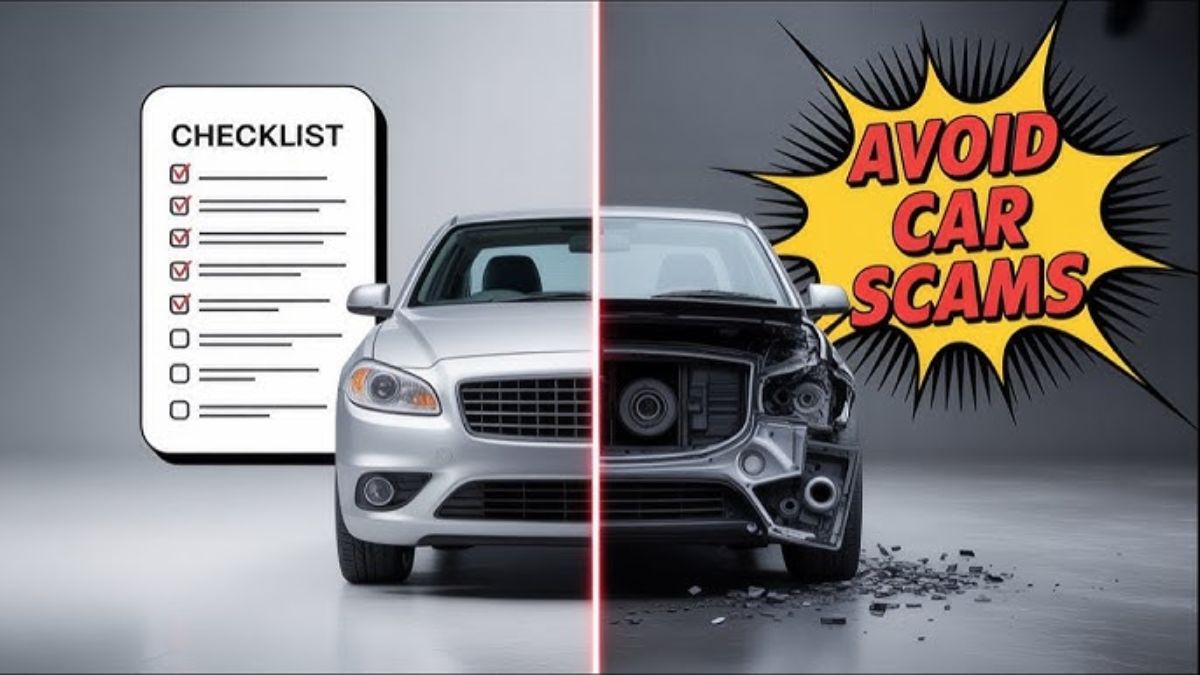
How to Avoid Used Car Fraud in 2026 – RC, Insurance & Loan Scam Checklist
- Cars
- Published: 16 Dec, 2025
Book a Test Drive
Free doorstep test drive at your convenience
Buying a used car in 2026 can save you a lot of money, but it also comes with serious risks if you’re not careful. With the rise of online car marketplaces, fake listings, forged documents, and hidden loans, used car fraud has become more sophisticated than ever. Many buyers only discover problems after the deal is done — when it’s too late.
This guide explains how to avoid used car fraud in 2026 with a practical checklist covering RC, insurance, loans, and ownership verification.
Why Used Car Fraud Is Increasing in 2026
Several factors have contributed to the rise in fraud cases:
- Growth of online classifieds and social media sellers
- Fake RC cards and cloned number plates
- Undisclosed hypothecation or active car loans
- Expired or fake insurance policies
- Pressure deals with no paper trail
Scammers often target first-time buyers and people looking for “urgent sale” bargains.
Common Types of Used Car Scams
Before buying, understand the most common frauds:
- Selling a car with an active loan
- Fake or tampered RC details
- Duplicate or illegal number plates
- Accident-damaged cars sold as “minor scratches”
- Stolen vehicles with forged papers
RC (Registration Certificate) Fraud Checklist
The RC is the most important document.
Check These Before Buying:
- Match engine number and chassis number on RC with the car
- Verify owner name and address
- Confirm fuel type (petrol/diesel/CNG) matches the car
- Check registration date and state code
Expert Tip:
Use the Parivahan portal or mParivahan app to verify RC details digitally.
Insurance Scam Checklist
Insurance fraud is common in used car sales.
What to Verify:
- Insurance policy must be active, not expired
- Confirm insurer name and policy number
- Check if the policy is comprehensive or third-party only
- Verify past accident claims
Red Flag:
If the seller refuses to share the insurance copy or claims it’s “lost”, walk away.
Loan & Hypothecation Scam Checklist
Many used cars are sold with unpaid loans.
Check for:
- Hypothecation status on RC (HP entry)
- No Objection Certificate (NOC) from bank
- Loan closure letter
- Updated RC without HP
Important:
Never buy a car with an active loan unless the bank confirms loan closure in writing.
Ownership & Transfer Fraud Checklist
Even genuine cars can cause trouble if ownership transfer is incomplete.
Before Payment:
- Verify seller is the legal owner
- Check matching ID proof
- Ensure Form 29 and Form 30 are signed
- Confirm pending traffic challans
After Purchase:
- Track RC transfer status online
- Get insurance transferred in your name
- Update address and mobile number
Physical Inspection Red Flags
Always inspect the car physically.
Look for:
- Uneven paint or panel gaps (accident damage)
- Mismatch in tyre brands and wear
- Unusual engine noise or warning lights
- Odometer tampering
If possible, get a trusted mechanic inspection before finalizing the deal.
Why Choose a Careful Buying Approach?
1. Avoid Legal Trouble
Owning a stolen or loan-default car can land you in legal issues.
2. Protect Your Money
Fraud can lead to complete financial loss.
3. Stress-Free Ownership
Clear documentation ensures smooth insurance claims and resale.
4. Better Resale Value
Verified cars sell faster and at better prices.
5. Peace of Mind
Knowing your car is legally clean allows worry-free driving.
Conclusion
Used car fraud in 2026 is real, organized, and avoidable — if you follow the right checklist. Verifying RC details, insurance status, loan closure, and ownership transfer can protect you from scams that cost lakhs of rupees.
Never rush a used car deal. If something feels suspicious, walk away. A genuine seller will always support verification. A careful buyer doesn’t just save money — they save themselves from long-term legal and financial stress.
FAQs
1. How can I check if a used car has an active loan?
Use the Parivahan portal to check hypothecation status on the RC.
2. Is buying from an individual seller risky?
Not necessarily, but verification is more important than buying from dealers.
3. Are digital RC and insurance valid?
Yes, DigiLocker and mParivahan documents are legally valid.
4. Can a stolen car have genuine-looking documents?
Yes. Always verify details online and match chassis numbers physically.
5. What is the biggest red flag when buying a used car?
Pressure for quick payment without proper documents.
Book a Test Drive
Free doorstep test drive at your convenience
Popular Brands





Latest Car News
Upcoming Cars in September 2026 in India: New Cars, Launch Dates & Expected Prices
MG Hector Hawk SUV vs Tata Harrier: Expected Price, Features & Key Differences
Skoda Superb Diesel in India: Will the Diesel Engine Make a Comeback?
Tata Punch Becomes India's Best-Selling SUV in July 2026 with 21,313 Units Sold
Car Sales Report July 2026: Maruti Remains No.1, Tata, Mahindra & Hyundai Record Strong Growth
Tata Curvv EV Discount August 2026: Save Big with Limited-Time Offers
Kia Sorento Booking in India: Launch Date, Price & Booking Process

Skoda Slavia Facelift Launch Date in India
Hyundai Creta Next Gen Upgrades: Biggest Changes Expected
Limited Edition Skoda Slavia Monte Carlo Adds New Colours for 200 Buyers Only
Suzuki Loses India Market Share as Buyers Demand More Features
Hybrid Car Sales Decline 8% in June 2026: Complete Analysis
How to Book Maruti Brezza Facelift: Complete Booking Guide
Alto K10 vs Tiago: Which Is Better?
Maruti Brezza Facelift 2026: What's New Compared to the Current Model?
Renault Duster Adventure Edition vs Standard Duster: What's Different?
Skoda Slavia Facelift 2026 vs Volkswagen Virtus: Which Sedan Should You Wait For?

Volkswagen Tayron Life Launched in India at ₹41.99 Lakh

Volkswagen Announces 50% Reduction In Global Car Line-up
Tata Nexon Pure Plus : Know Everything Before Buying in July