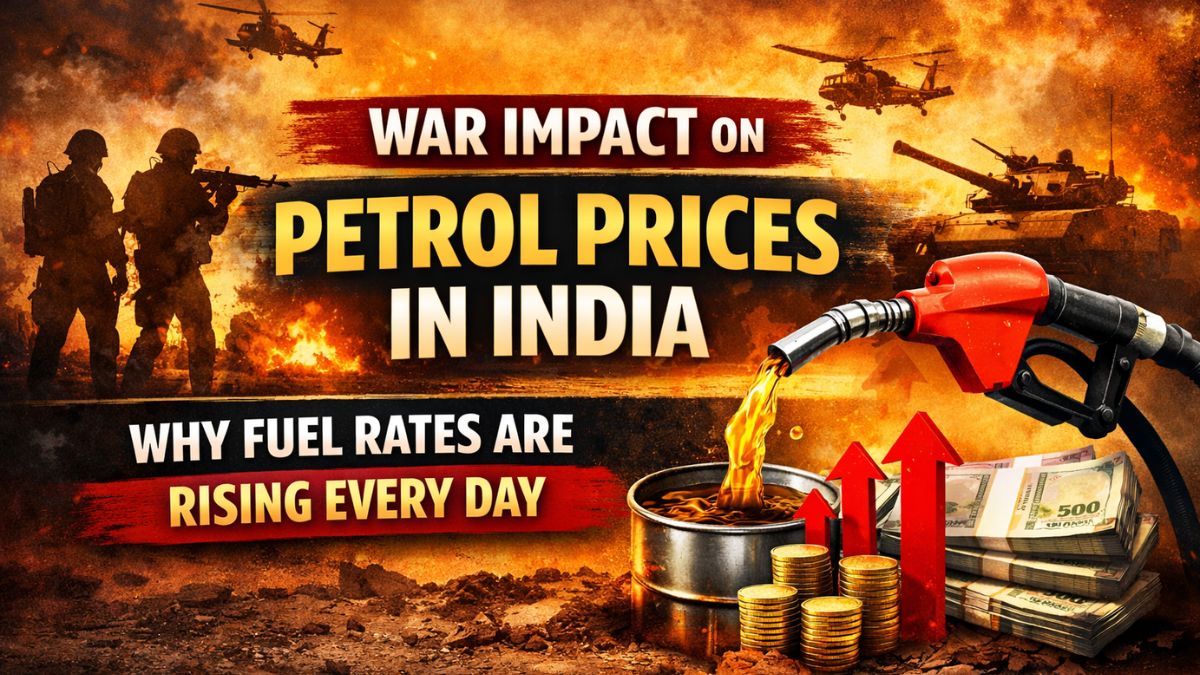
War Impact on Petrol Prices in India: Why Fuel Rates Are Rising Every Day
- Other
- Published: 02 Apr, 2026
Book a Test Drive
Free doorstep test drive at your convenience
Petrol prices in India are once again in the spotlight. If you’ve noticed your daily fuel expenses creeping up, you’re not alone. Across cities, people are asking the same question: Why are fuel rates rising almost every day?
The answer isn’t simple—but one major factor stands out: global conflicts. From supply disruptions to rising crude oil costs, war situations around the world are directly affecting what you pay at the pump in India.
Let’s break it down in a way that actually makes sense.
🌍 How Global War Directly Impacts Petrol Prices
India imports a large portion of its crude oil. This means any disruption in global supply chains can quickly push prices upward.
When conflicts happen in oil-rich regions, three major things occur:
- Oil production slows down
- Transportation routes become risky or blocked
- Export restrictions tighten
As a result, global crude oil prices rise—and India ends up paying more to import it.
🛢️ The Role of Crude Oil Prices
Petrol prices in India are heavily dependent on international crude oil rates. When crude oil becomes expensive, fuel prices follow the same trend.
During geopolitical tensions:
- Oil-producing countries may reduce output
- Supply uncertainty increases
- Traders push prices higher due to risk
Even a small increase in crude oil prices can significantly impact petrol rates in India.
🚢 Supply Chain Disruptions: The Hidden Factor
War doesn’t just affect production—it disrupts the entire supply chain.
Shipping routes may be diverted or delayed. Insurance costs for transporting oil increase. Ports may operate at reduced capacity.
All of this adds extra cost before the fuel even reaches India. And ultimately, that cost is passed on to consumers.
💸 Why Petrol Prices Change Frequently in India
Many people wonder why petrol prices change so often—even daily in some cases.
India follows a dynamic fuel pricing system, where petrol and diesel prices are revised based on global crude oil prices and currency exchange rates.
This means:
- If crude oil prices rise today, petrol prices can increase within days
- If the Indian rupee weakens, import costs go up
- Oil marketing companies adjust prices accordingly
So, global events quickly reflect at your local petrol pump.
📉 Rupee vs Dollar: Another Big Reason
Oil is traded globally in US dollars. When the Indian rupee weakens against the dollar, importing oil becomes more expensive.
During global conflicts:
- Investors move money to safer assets (like USD)
- Emerging market currencies like INR weaken
- Import costs increase further
This double impact—higher crude prices + weaker rupee—pushes petrol prices even higher.
🚗 Impact on Daily Life in India
Rising petrol prices affect more than just your vehicle fuel cost. It creates a ripple effect across the economy.
📦 Transportation Costs Increase
Goods become more expensive because logistics costs rise.
🛒 Inflation Goes Up
From vegetables to electronics, prices increase due to higher transport expenses.
🛵 Commuting Becomes Costly
Daily travel becomes expensive, especially for middle-class families.
🔄 Shift Toward Alternatives: CNG & EV
As petrol becomes expensive, consumers start looking for alternatives.
- CNG vehicles become more attractive due to lower running cost
- Electric vehicles (EVs) gain popularity
- Public transport usage increases
This shift is already visible in cities where CNG demand is rising rapidly.
🏭 Impact on Businesses and Industries
Fuel price hikes don’t just affect individuals—they hit businesses hard.
- Delivery companies face higher operational costs
- Airlines increase ticket prices
- Manufacturing industries see rising expenses
Many companies either reduce margins or pass the cost to consumers.
🔮 Will Petrol Prices Continue to Rise?
This is the biggest question—and the honest answer is: it depends.
Petrol prices will largely depend on:
- Stability in global geopolitical situations
- Crude oil supply levels
- Currency exchange rates
- Government policies and taxes
If global tensions continue, fuel prices may remain volatile.
💡 What Can You Do to Manage Rising Fuel Costs?
While you can’t control global events, you can manage your expenses smartly:
- Plan trips efficiently to save fuel
- Consider carpooling or public transport
- Maintain your vehicle for better mileage
- Explore CNG or EV options if possible
Small changes can make a noticeable difference over time.
🏁 Final Thoughts
The rise in petrol prices in India isn’t random—it’s deeply connected to global events. War and geopolitical tensions create uncertainty, disrupt supply, and increase costs at multiple levels.
What you pay at the petrol pump is influenced by a complex chain that starts thousands of kilometers away.
Understanding this helps you make better decisions—whether it’s managing your daily expenses or planning a vehicle purchase.
❓ FAQs
Q1. Why do petrol prices increase during war?
Because oil supply gets disrupted and global crude prices rise.
Q2. Does India control petrol prices?
Prices are influenced by global crude rates, currency value, and taxes.
Q3. Will petrol prices decrease soon?
Only if global tensions reduce and crude oil prices stabilize.
Q4. Is CNG cheaper than petrol in 2026?
In most cases, yes. CNG offers lower running cost compared to petrol.
Book a Test Drive
Free doorstep test drive at your convenience