The Impact of War on Global Auto Sales: Why Car Demand Is Falling in 2026
- Other
- Published: 03 Apr, 2026

Book a Test Drive
Free doorstep test drive at your convenience
In 2026, the global automobile industry is facing a slowdown that many experts didn’t expect just a year ago. Car sales, which were recovering steadily after pandemic disruptions, are now showing signs of weakness again.
What’s causing this sudden shift?
One major factor stands out—global conflicts and war-like situations. From rising fuel prices to supply chain disruptions, the ripple effects of war are reshaping the way people buy cars across the world.
Let’s understand what’s really happening and why car demand is falling in 2026.
How War Is Affecting the Global Economy
War doesn’t just impact countries directly involved—it creates instability across global markets.
When geopolitical tensions rise:
- Trade routes become uncertain
- Energy prices increase sharply
- Investor confidence drops
- Inflation rises globally
All of these factors directly influence consumer spending. And since buying a car is a major financial decision, people tend to delay or avoid it during uncertain times.
Rising Fuel Prices Are Changing Buyer Decisions
One of the biggest consequences of global conflict is the rise in fuel prices.
Petrol and diesel costs have increased significantly in many countries, including India. This has a direct impact on car buyers:
- Higher running costs discourage new purchases
- Buyers shift toward fuel-efficient or alternative options
- Demand for large vehicles like SUVs may slow down
When owning a car becomes expensive, people rethink their decision—and that leads to lower demand.
Economic Uncertainty = Lower Consumer Spending
In times of war, economies become unstable. Job security concerns, inflation, and rising living costs force people to prioritize essential spending.
As a result:
- People delay buying new cars
- Preference shifts to used vehicles
- Financing becomes more cautious
Even those who can afford cars may wait for a more stable economic environment before making a purchase.
Supply Chain Disruptions Continue
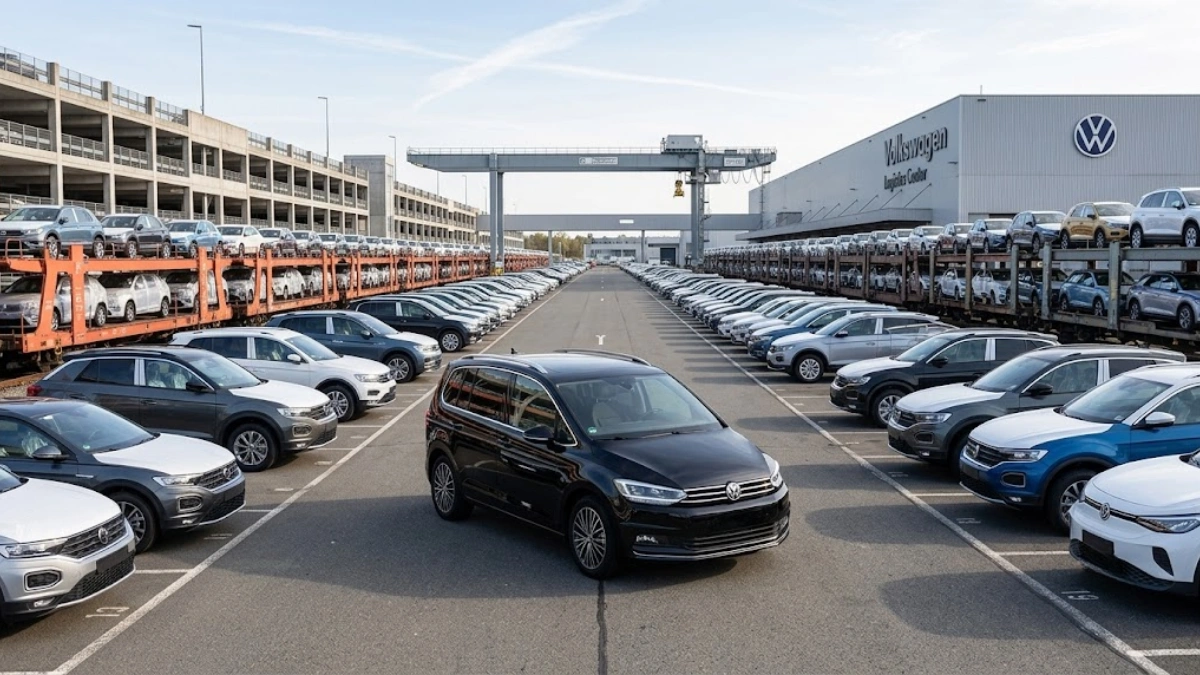
The global auto industry relies heavily on smooth supply chains. But war disrupts this system in multiple ways:
- Shipping delays due to unsafe routes
- Increased transportation costs
- Shortage of critical components like semiconductors
Even today, many manufacturers are struggling to maintain production levels. Lower production often leads to higher prices—which again reduces demand.
Rising Manufacturing Costs
War impacts the cost of raw materials such as steel, aluminum, and rubber.
When these costs rise:
- Car manufacturers increase vehicle prices
- Profit margins shrink
- Discounts and offers reduce
For consumers, this means paying more for the same vehicle compared to previous years.
Currency Fluctuations Add Pressure
Another hidden factor is currency exchange rates.
Most global trade, including oil and auto components, is conducted in US dollars. During global instability:
- The US dollar strengthens
- Other currencies weaken
- Import costs increase
Countries like India, which rely heavily on imports, feel this impact strongly—making cars more expensive.
Impact on Global and Indian Auto Companies
Major automobile companies are already feeling the pressure.
- Companies are revising price lists frequently
- Production targets are being adjusted
- Launch timelines for new models are getting delayed
Even strong brands are not immune to these challenges. While some are managing better due to diversification, the overall industry sentiment remains cautious.
Shift Toward Electric Vehicles (EVs)
Interestingly, while traditional car demand is slowing, electric vehicles (EVs) are gaining attention.
Why?
- EVs are less dependent on petrol or diesel
- Governments are offering incentives
- Consumers see long-term cost benefits
However, EV adoption is still limited by high initial costs and infrastructure challenges in many regions.
Regional Impact: Not the Same Everywhere
The impact of war on auto sales is not uniform across the world.
- Developed markets are seeing slower growth due to economic uncertainty
- Emerging markets are affected by inflation and currency depreciation
- Some regions are still showing resilience due to strong domestic demand
This mixed trend makes it harder to predict the overall direction of the industry.
Changing Consumer Behavior in 2026
Today’s buyers are more cautious and informed than ever before.
Key trends include:
- Increased research before buying
- Focus on fuel efficiency and low maintenance cost
- Growing interest in CNG and EV options
- Preference for value-for-money vehicles
Impulse buying has reduced, and practical decision-making has increased.
Future Outlook: Temporary Slowdown or Long-Term Shift?
Is this decline in car demand temporary, or are we seeing a long-term change?
Most experts believe it’s a combination of both.
Short-term factors like war and fuel prices are causing immediate pressure. But long-term changes—like the shift toward EVs and changing consumer preferences—are reshaping the industry permanently.
What This Means for Buyers and Investors
For buyers:
- It may be wise to compare options carefully before purchasing
- Consider total cost of ownership, not just the price
- Look for fuel-efficient or alternative fuel vehicles
For investors:
- Short-term volatility is expected
- Focus on companies adapting to EV and new technologies
- Keep an eye on global developments
Final Thoughts
The fall in car demand in 2026 is not just a simple market slowdown—it’s the result of a complex global situation. War, fuel prices, inflation, and supply chain issues are all interconnected.
While the current phase may seem challenging, it is also driving innovation and change in the automobile industry.
For consumers, it’s a time to be cautious. For the industry, it’s a time to adapt. And for the future, it may mark the beginning of a new era in mobility.
FAQs
Q1. Why is car demand falling in 2026?
Due to rising fuel prices, economic uncertainty, and higher vehicle costs caused by global conflicts.
Q2. Does war directly affect car prices?
Yes, it increases raw material costs, fuel prices, and supply chain disruptions.
Q3. Are electric vehicles replacing petrol cars?
EVs are growing, but petrol cars still dominate in many markets.
Q4. Is it a good time to buy a car?
It depends on your need, but prices may remain high in the short term.
Book a Test Drive
Free doorstep test drive at your convenience