Impact of the Petrol Crisis – Could Car Production in India Come to a Halt?
- Other
- Published: 31 Mar, 2026
Book a Test Drive
Free doorstep test drive at your convenience
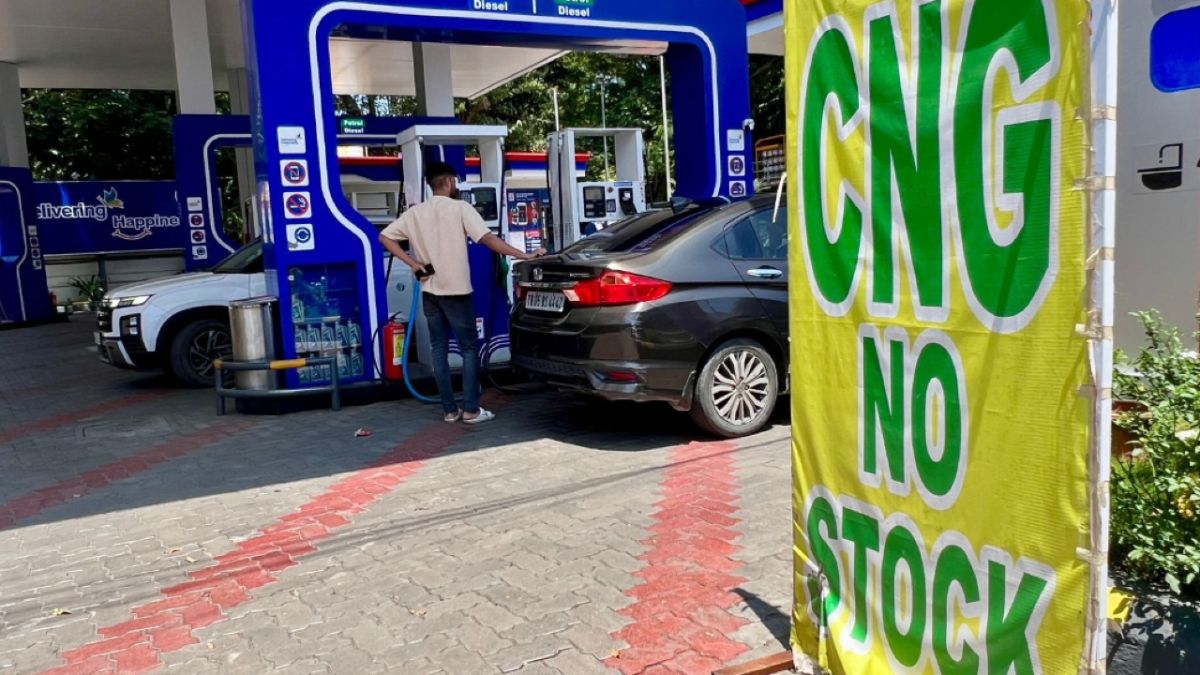
The petrol crisis has emerged as a serious concern for economies worldwide, and India is no exception. Rising fuel prices, supply disruptions, and geopolitical tensions have created uncertainty across multiple sectors. One of the most affected industries is the automobile sector, which plays a vital role in India's economic growth. This raises an important question: could car production in India come to a halt due to the petrol crisis?
Understanding the Petrol Crisis
A petrol crisis typically occurs due to a mismatch between supply and demand, often triggered by global factors such as conflicts, production cuts by oil-producing nations, or disruptions in supply chains. In India, which relies heavily on crude oil imports, such crises lead to a sharp increase in fuel prices.
Impact on the Automobile Industry
The rising cost of petrol directly affects consumer behavior. As fuel prices increase, people become hesitant to purchase petrol-powered vehicles. This decline in demand can significantly impact car manufacturers, leading to reduced production levels.
Additionally, higher fuel costs also increase transportation and logistics expenses. Automobile companies face rising costs in sourcing raw materials and distributing finished vehicles, which further squeezes their profit margins.
Shift Towards Alternative Vehicles
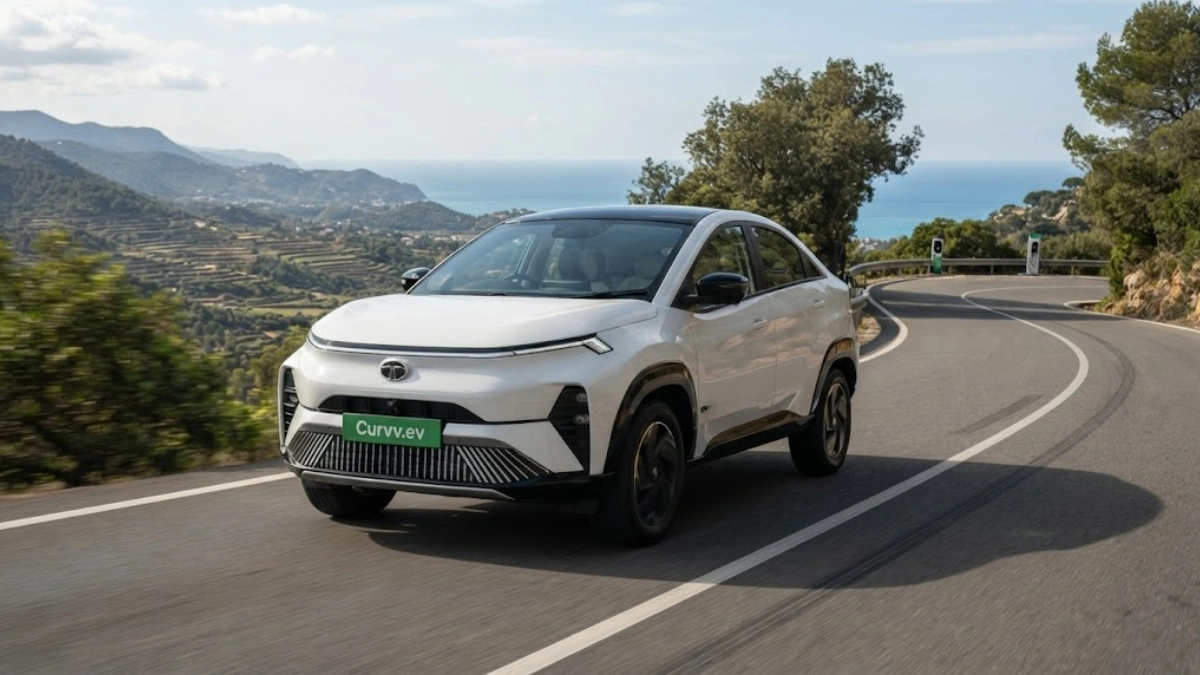
One noticeable impact of the petrol crisis is the accelerated shift towards alternative fuel vehicles such as electric vehicles (EVs) and hybrid cars. Consumers are increasingly considering EVs as a long-term solution to avoid fluctuating petrol prices. This shift forces traditional car manufacturers to rethink their production strategies and invest more in sustainable technologies.
Could Production Come to a Halt?
While the petrol crisis can slow down car production, a complete halt is unlikely. The Indian automobile industry is highly adaptive and has shown resilience in the face of past crises, such as economic slowdowns and the COVID-19 pandemic.
Manufacturers may reduce production of petrol vehicles and shift focus towards electric and compressed natural gas (CNG) vehicles instead. Government policies promoting clean energy and EV adoption also act as a buffer against a complete shutdown.
Government Intervention and Policies
The Indian government plays a crucial role in managing the impact of such crises. Measures like reducing fuel taxes, promoting alternative fuels, and supporting domestic manufacturing can help stabilize the industry. Incentives for EV production and infrastructure development are already encouraging a gradual transition.
Conclusion
In conclusion, the petrol crisis poses significant challenges to the automobile industry in India, particularly affecting demand and production patterns. However, it is unlikely to bring car production to a complete halt. Instead, it is acting as a catalyst for transformation, pushing the industry towards innovation and sustainable alternatives. The future of car production in India may not stop—but it will certainly evolve.
Book a Test Drive
Free doorstep test drive at your convenience