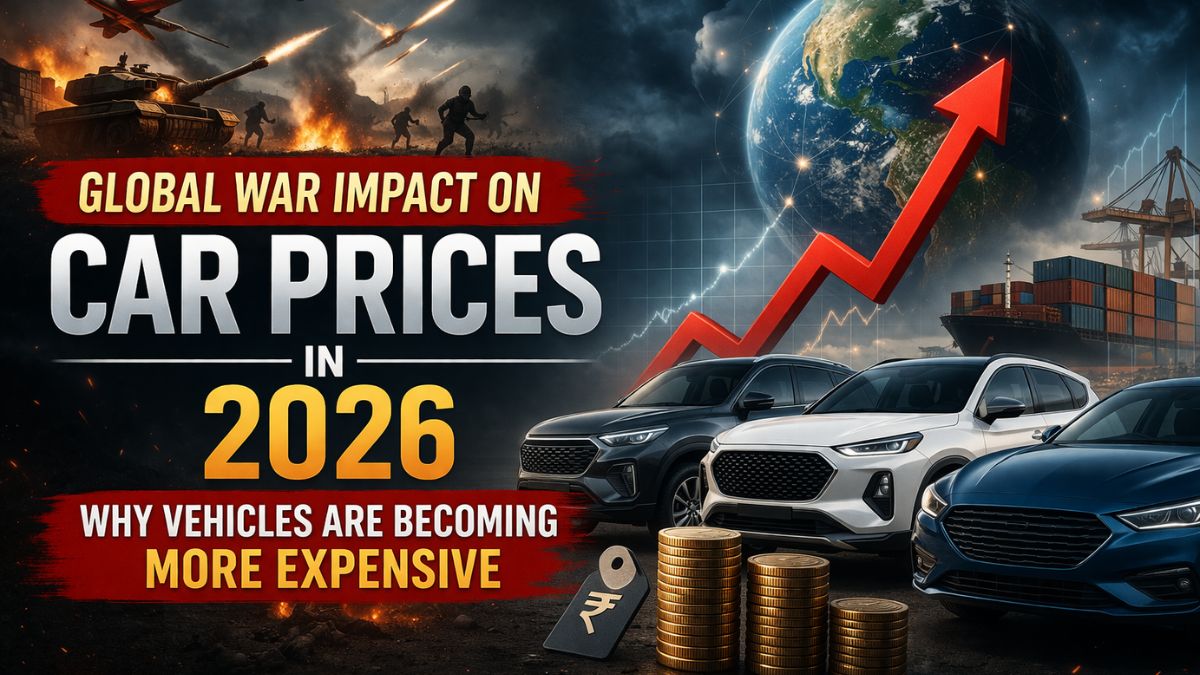
Global War Impact on Car Prices in 2026: Why Vehicles Are Becoming More Expensive
- Other
- Published: 02 Apr, 2026
Book a Test Drive
Free doorstep test drive at your convenience
If you’ve been planning to buy a car in 2026, you’ve probably noticed one thing—prices are going up faster than expected. Whether it’s a budget hatchback or a premium SUV, the cost of vehicles has increased significantly.
But why is this happening?
The answer goes far beyond showrooms and dealerships. Global conflicts, rising fuel prices, and supply chain disruptions are silently reshaping the automobile industry. What you’re paying today is directly influenced by events happening thousands of miles away.
Let’s understand the real reasons behind this sudden surge in car prices.
🌍 How Global War Is Driving Car Prices Up
Wars don’t just affect countries involved—they disrupt the global economy. The automobile industry, which depends heavily on international trade, is one of the most affected sectors.
When conflicts arise:
- Trade routes become unstable
- Export-import processes slow down
- Manufacturing costs increase
This creates a ripple effect, making vehicles more expensive for consumers worldwide, including India.
🛢️ Rising Fuel Prices = Higher Vehicle Costs
Fuel prices play a bigger role in car pricing than most people realize.
When petrol and diesel prices rise:
- Transportation costs for vehicles increase
- Logistics and delivery expenses go up
- Manufacturing plants face higher operational costs
All these factors are added to the final price of the car.
🔧 Expensive Raw Materials Are a Big Reason
Cars are made from materials like steel, aluminum, plastic, and rubber. During global conflicts, the prices of these materials often rise due to limited supply and higher demand.
This means:
- Manufacturing becomes costlier
- Companies increase vehicle prices to maintain profit margins
Even a small increase in raw material cost can significantly impact the overall price of a car.
🚢 Supply Chain Crisis Is Still Not Over
The global supply chain hasn’t fully recovered from past disruptions, and wars make the situation worse.
Key issues include:
- Shortage of semiconductors (chips)
- Delayed shipments
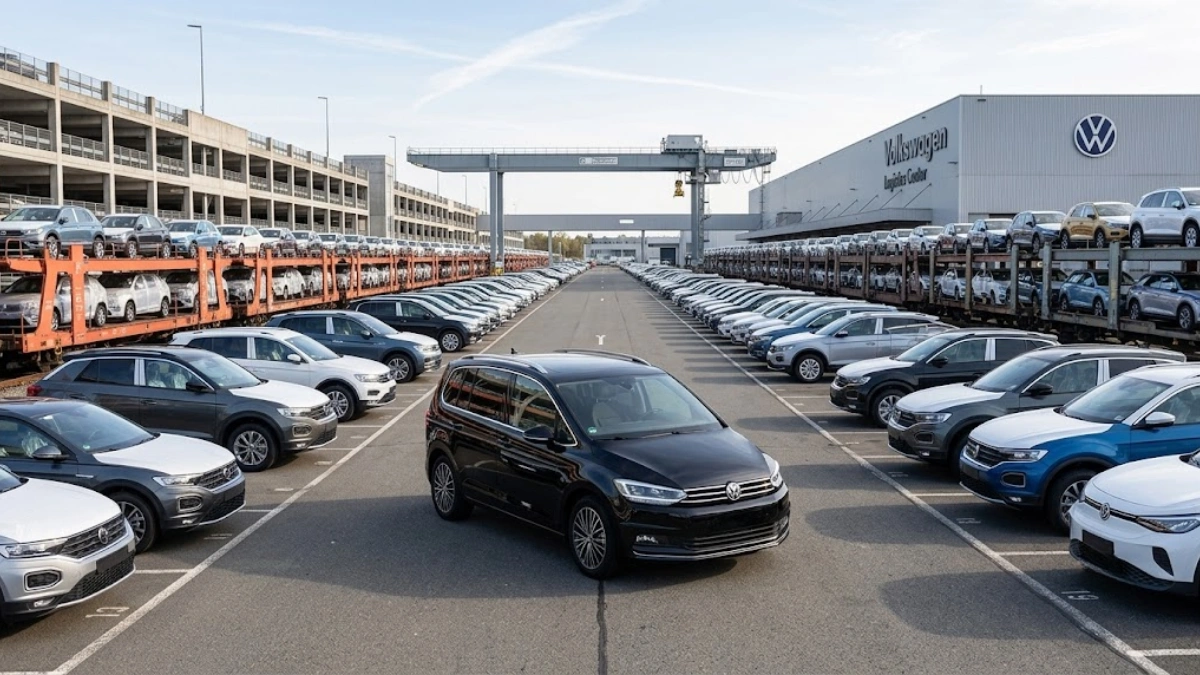
- Increased shipping costs
Modern cars rely heavily on electronic components. When these are delayed or become expensive, car production slows down and prices rise.
💸 Currency Fluctuations Add More Pressure
Most global trade, including oil and automobile components, is conducted in US dollars.
When the Indian rupee weakens:
- Import costs increase
- Car manufacturers pay more for parts
- Prices are adjusted accordingly
This is another hidden reason why vehicles are becoming more expensive in India.
🚙 Impact on Popular Car Brands
🔧 Tata Motors
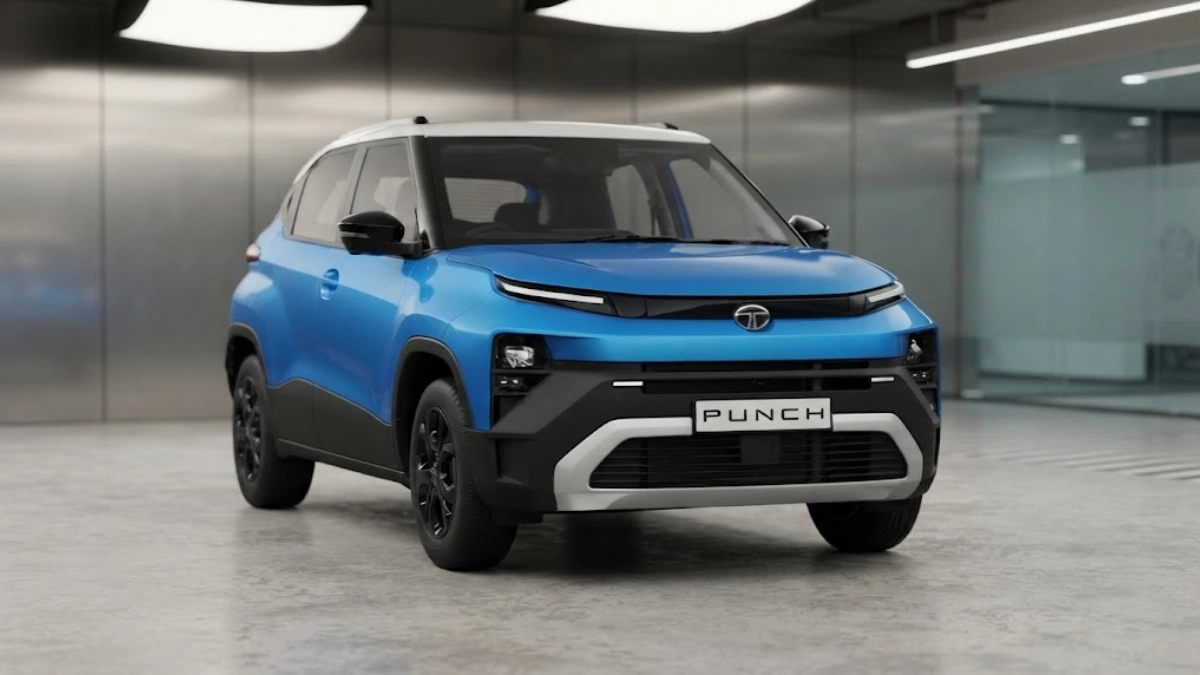
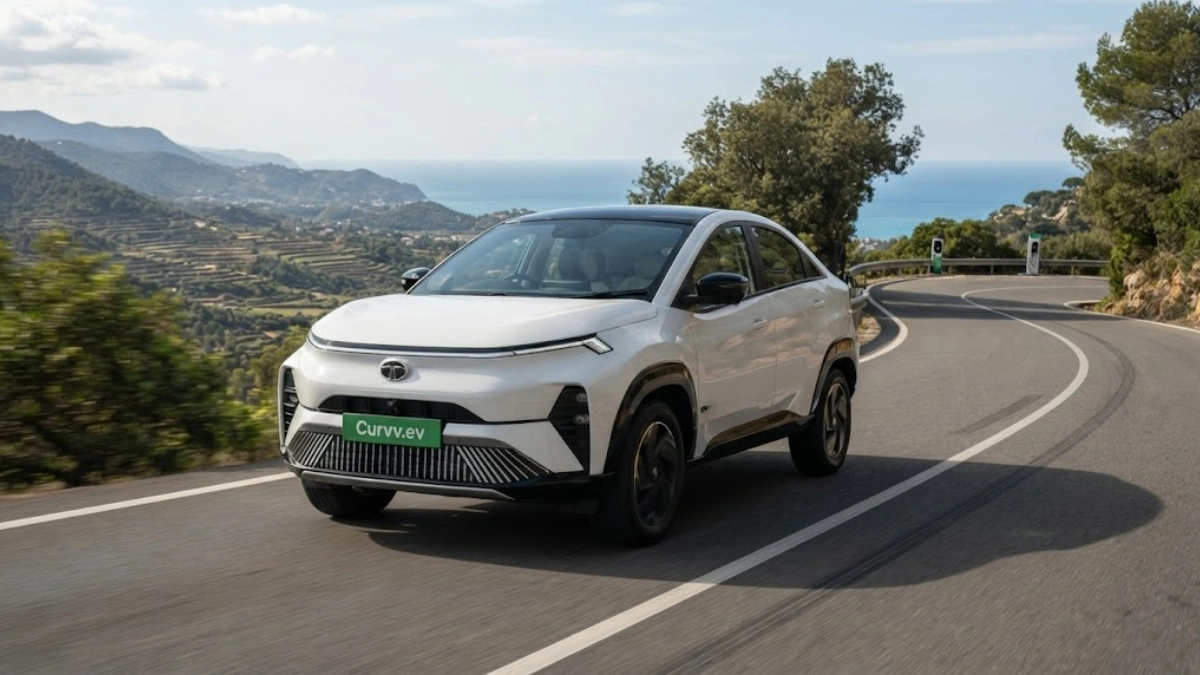
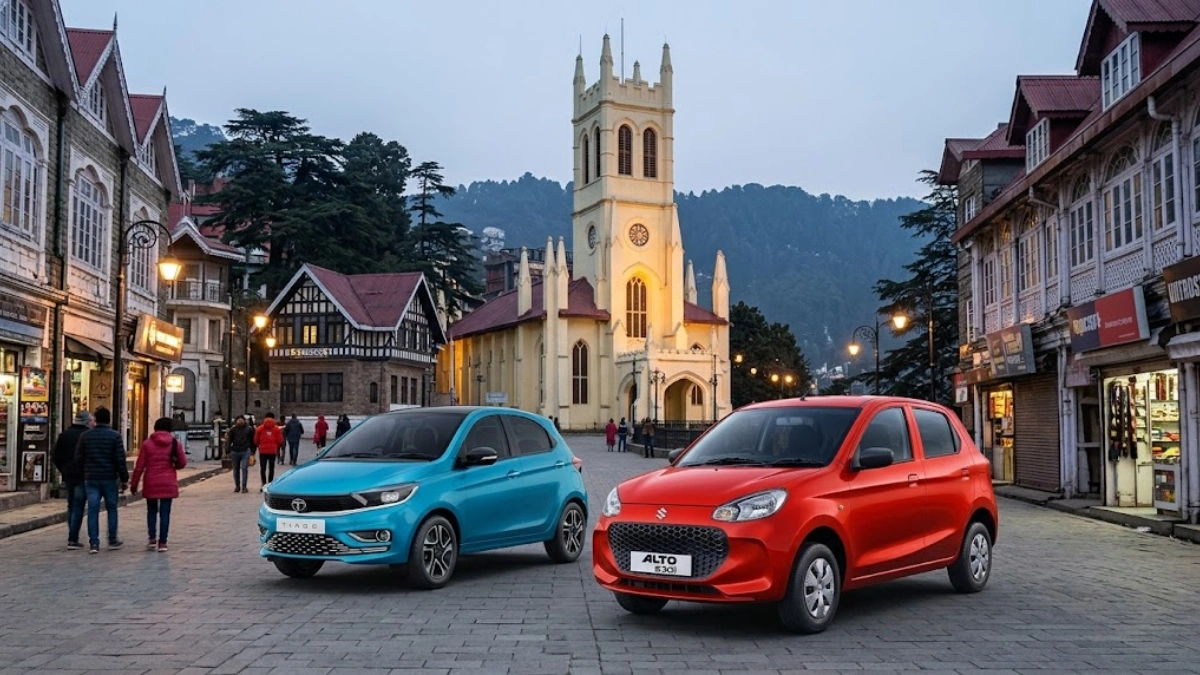
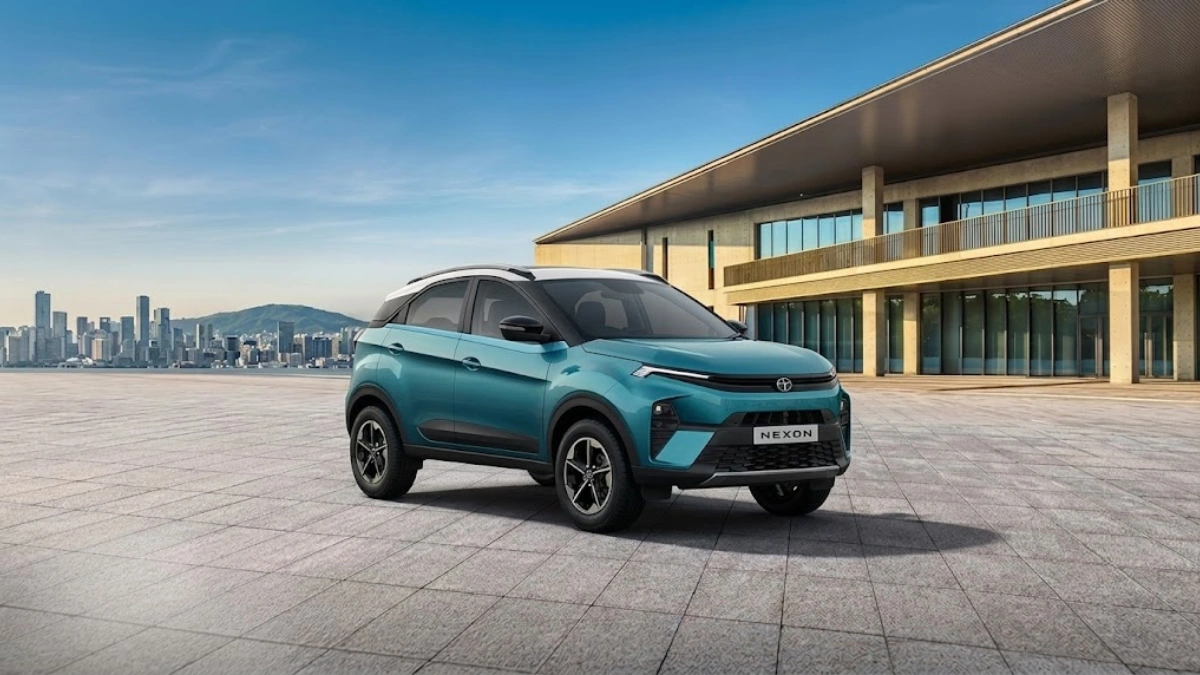
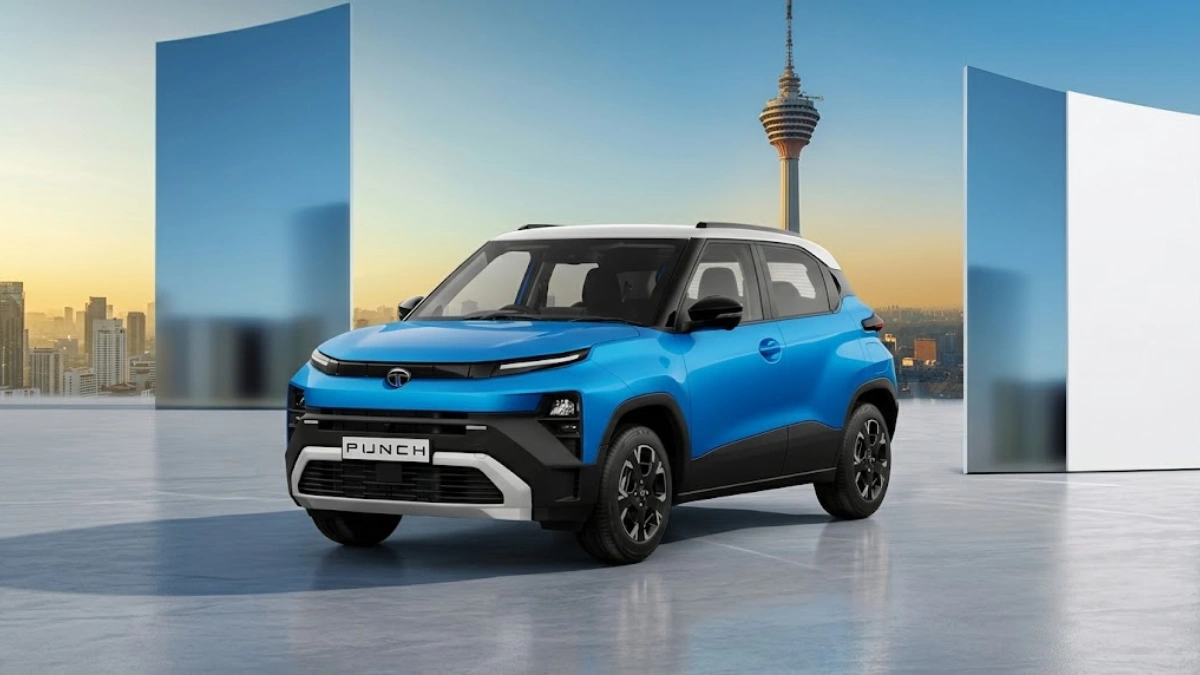
Tata Motors is investing heavily in electric vehicles, but rising input costs still impact overall pricing. EVs are growing, but affordability remains a challenge.
🚗 Maruti Suzuki
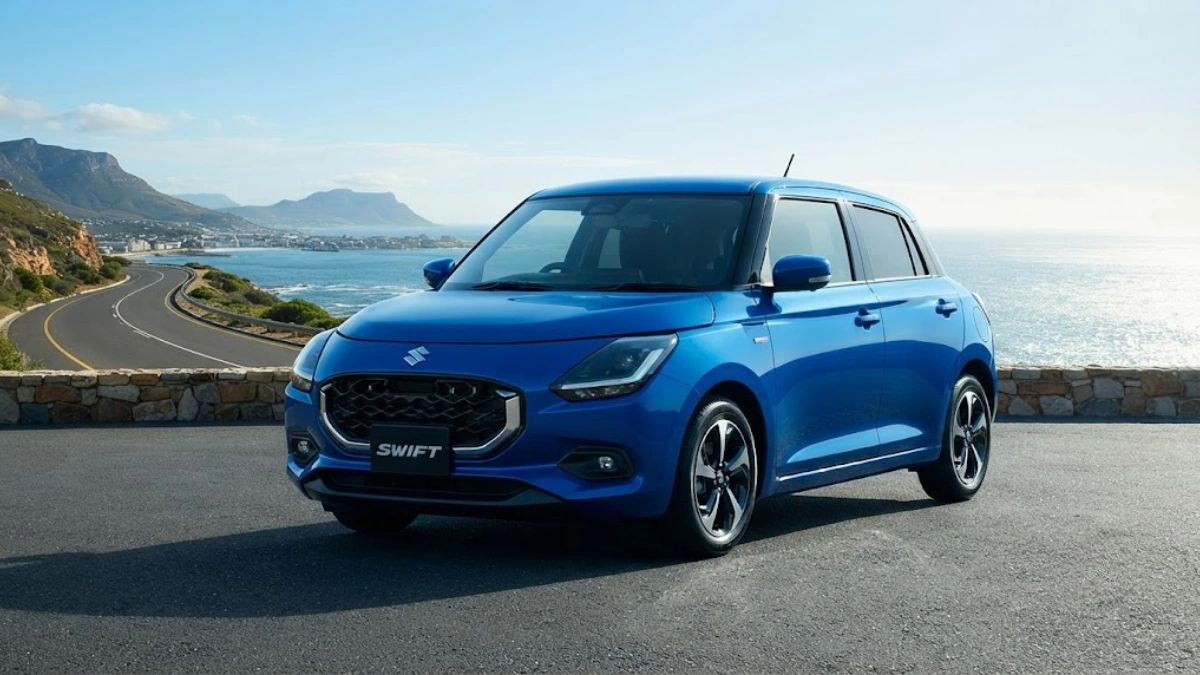
Maruti Suzuki dominates the budget segment. However, rising costs of components and fuel-related changes are forcing price revisions across models.
🚘 Hyundai Motor Company
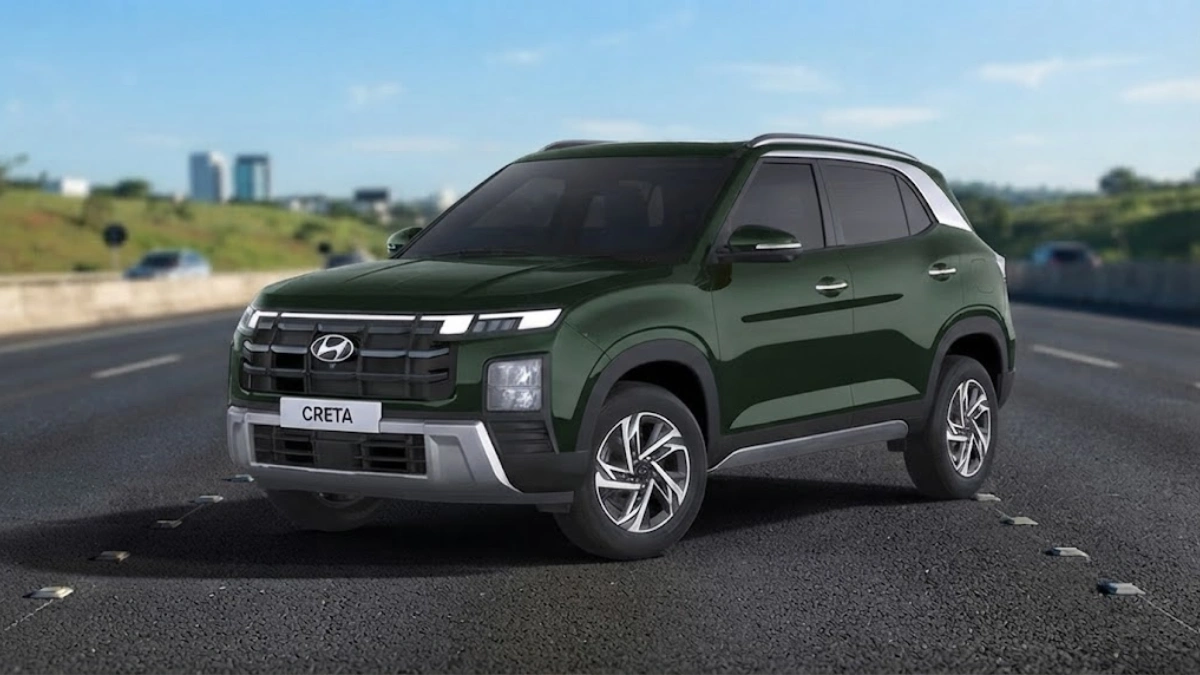
Hyundai, known for feature-rich cars, is also facing cost pressure due to imported components and global supply disruptions.
🔋 Shift Toward Electric Vehicles (EVs)
Interestingly, rising car prices are also accelerating the shift toward electric vehicles.
Why?
- EVs are less dependent on petrol or diesel
- Government incentives reduce initial cost
- Long-term running cost is lower
While EVs are still expensive upfront, many buyers now see them as a smarter investment in the long run.
📉 Is Demand Falling Because of High Prices?
Yes—and no.
- Some buyers are delaying purchases due to high prices
- Others are upgrading quickly to avoid future price hikes
This creates a mixed market situation where demand is unstable but not completely declining.
🧠 How Buyers Are Adapting in 2026
Consumers are becoming smarter and more cautious:
- Comparing multiple brands before buying
- Looking for fuel-efficient or CNG options
- Considering second-hand cars
- Exploring EV alternatives
Price sensitivity has increased, especially among middle-class buyers.
🔮 Future Outlook: Will Car Prices Go Down?
This is the question everyone is asking.
Car prices may stabilize only if:
- Global conflicts reduce
- Supply chains improve
- Fuel prices become stable
- Currency exchange rates strengthen
However, a significant price drop in the short term seems unlikely.
💡 Tips for Buyers Planning to Purchase a Car
If you’re planning to buy a car in 2026, here are some smart tips:
- Don’t delay too long if prices are expected to rise further
- Consider fuel-efficient or alternative fuel vehicles
- Compare total cost of ownership, not just the price
- Look for festive offers and discounts
🏁 Final Thoughts
The rising cost of cars in 2026 is not just about inflation—it’s a result of global changes. War, fuel prices, supply chain disruptions, and currency fluctuations are all interconnected factors driving vehicle prices upward.
While this may seem like a challenging time for buyers, it’s also a moment of transformation for the automobile industry. Companies are innovating, consumers are adapting, and the future of mobility is evolving faster than ever.
❓ FAQs
Q1. Why are car prices increasing in 2026?
Due to global war, rising fuel prices, expensive raw materials, and supply chain disruptions.
Q2. Will car prices decrease soon?
Prices may stabilize, but a major drop is unlikely in the short term.
Q3. Are electric vehicles cheaper than petrol cars?
Initial cost is higher, but long-term running cost is lower.
Q4. Is it the right time to buy a car?
It depends on your need, but delaying may lead to higher prices in the future.
Book a Test Drive
Free doorstep test drive at your convenience