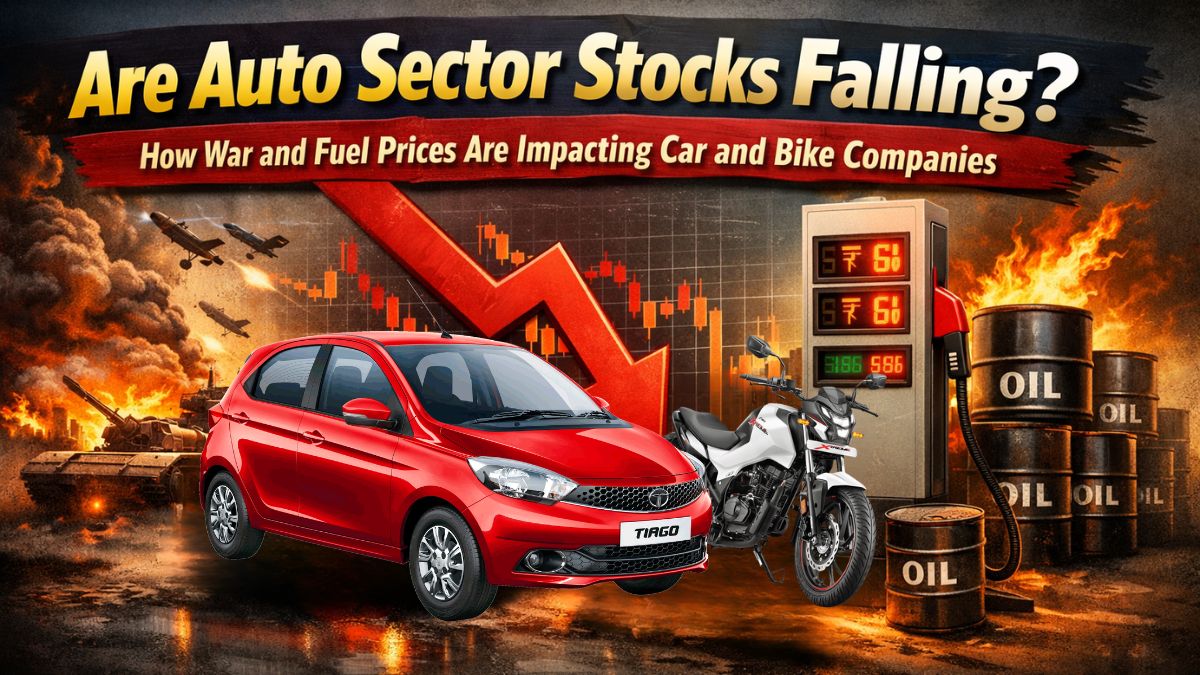
Are Auto Sector Stocks Falling? How War and Fuel Prices Are Impacting Car and Bike Companies
- Other
- Published: 02 Apr, 2026
Book a Test Drive
Free doorstep test drive at your convenience
The auto industry has always been closely tied to global events. But in 2026, the situation feels different. Rising geopolitical tensions, unstable fuel prices, and supply chain disruptions are creating a ripple effect across the market. Investors are asking one big question: Are auto sector stocks really falling, and if yes, why?
If you’ve been tracking companies like Tata Motors, Maruti Suzuki, or Hero MotoCorp, you may have noticed fluctuations that weren’t so common a few years ago. Let’s break down what’s really happening—and what it means for the future.
🌍 The War Factor: A Hidden Trigger Behind Market Volatility
Global conflicts—especially ongoing tensions in regions like Eastern Europe and the Middle East—have a direct impact on economic stability. Wars don’t just affect countries involved; they disrupt global trade routes, increase uncertainty, and drive up commodity prices.
For the automobile sector, this creates a chain reaction:
- Increased cost of raw materials like steel and aluminum
- Higher transportation and logistics expenses
- Delays in importing critical components
All of this ultimately puts pressure on auto companies’ profit margins, which investors immediately react to.
⛽ Fuel Prices Are Changing Buyer Behavior
One of the biggest impacts of global instability is rising fuel prices. Petrol and diesel rates in India have been volatile, and even small increases can change how consumers think.
Here’s how it affects the auto industry:
- Buyers delay purchasing new vehicles
- Demand for fuel-efficient cars and bikes increases
- Shift toward CNG and electric vehicles accelerates
For companies heavily dependent on petrol vehicle sales, this creates uncertainty in revenue growth. That’s one reason why auto stocks sometimes dip during fuel price spikes.
📉 Why Auto Sector Stocks Are Under Pressure
Let’s get straight to the point—yes, auto sector stocks do fall during such periods, but not always for the same reason. Multiple factors combine to create this trend:
1. Declining Consumer Demand
When fuel becomes expensive, people postpone buying cars or bikes. This directly impacts sales numbers.
2. Rising Production Costs
War-driven inflation pushes up manufacturing costs. Companies either absorb the cost or increase prices—both scenarios hurt profitability.
3. Investor Sentiment
Stock markets react quickly to uncertainty. Even small negative news can trigger selling pressure.
4. Supply Chain Disruptions
Shortages of semiconductors and auto parts slow down production, leading to lower output.
🚙 Impact on Leading Auto Companies
🔧 Tata Motors
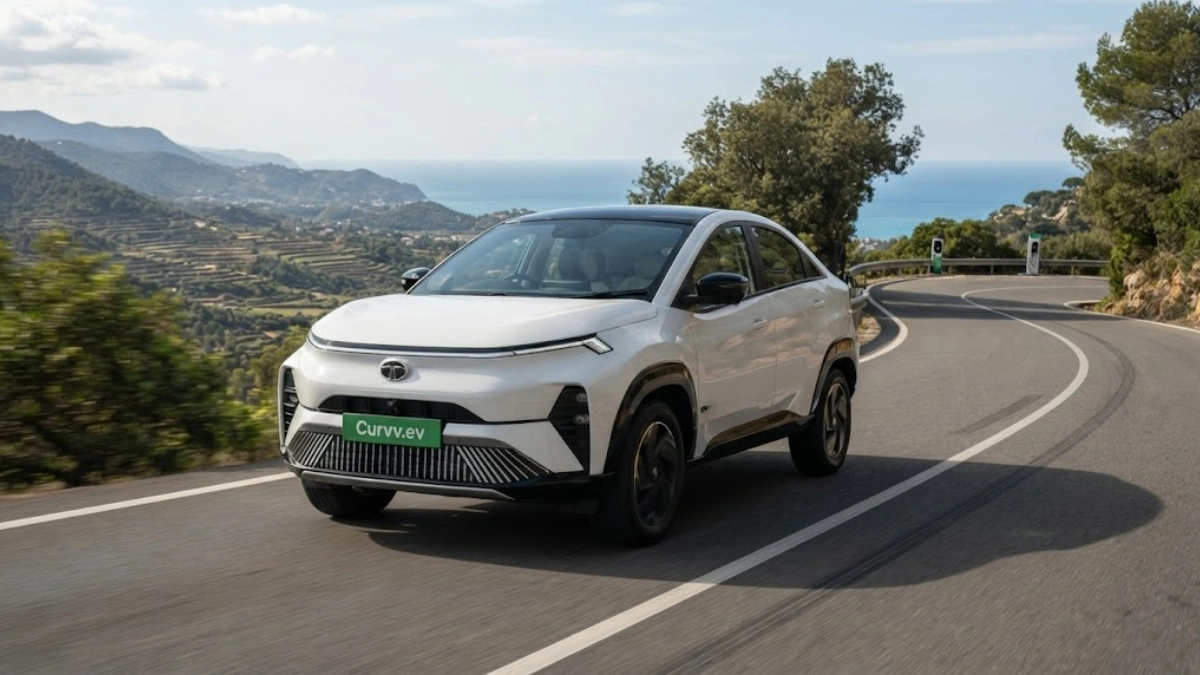
Tata Motors has been aggressively investing in electric vehicles. While this positions it well for the future, short-term volatility in raw material costs still affects its stock performance.
🚗 Maruti Suzuki
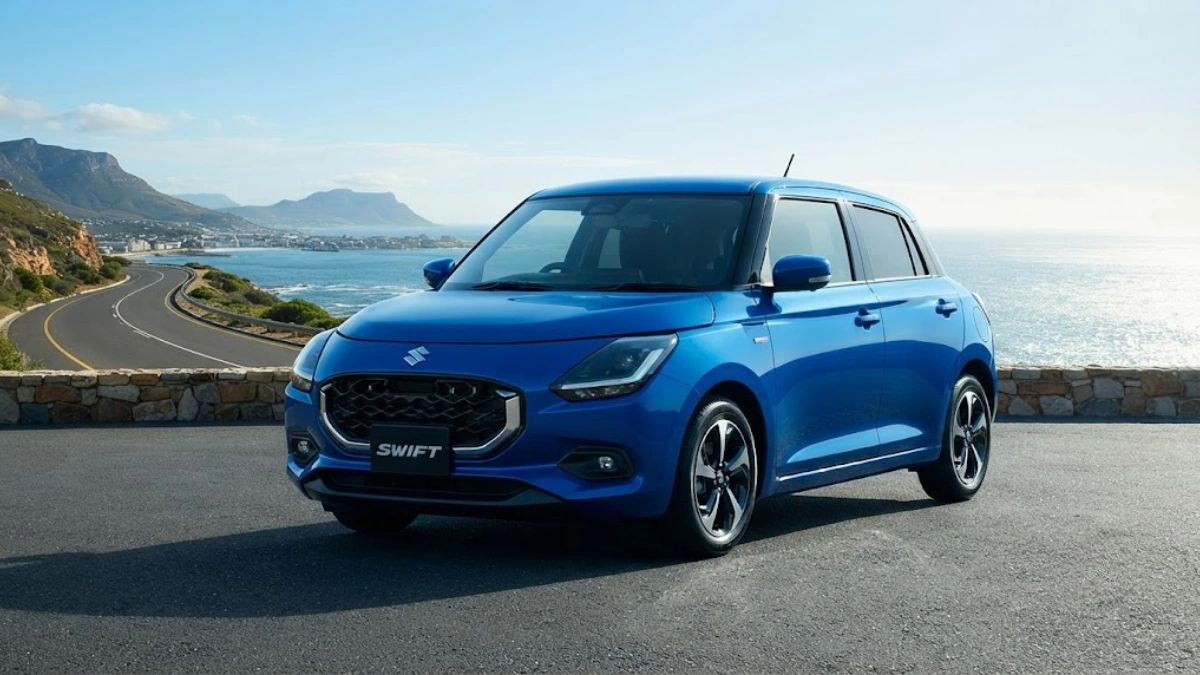
Being heavily dependent on petrol vehicles, Maruti faces pressure when fuel prices rise. However, its strong market presence helps it recover faster than smaller players.
🛵 Hero MotoCorp
Two-wheeler demand is highly sensitive to fuel costs. When petrol prices rise, rural and middle-class buyers often delay purchases, impacting sales.
🔋 The EV Shift: A New Opportunity?
Interestingly, while traditional auto stocks struggle, one segment is gaining attention—electric vehicles (EVs).
Why?
- EVs are not directly affected by petrol prices
- Governments are offering subsidies and incentives
- Consumers see EVs as a long-term cost-saving option
This shift is slowly changing the dynamics of the auto sector. Companies investing in EV technology may actually benefit during fuel crises.
📊 Short-Term Fall or Long-Term Opportunity?
Here’s where smart investors look deeper.
Auto stocks falling during global uncertainty is not always a bad sign. In fact, it can create buying opportunities for long-term investors.
Historically, the auto sector has shown resilience:
- Demand eventually returns once stability improves
- Companies adapt by launching fuel-efficient or EV models
- Government policies often support the industry
So, while short-term volatility is real, the long-term outlook remains strong.
💡 What Should Investors Do Now?
If you’re tracking auto stocks, here are a few practical insights:
- Don’t panic during short-term dips
- Focus on companies investing in EV and alternative fuels
- Watch fuel price trends closely
- Keep an eye on global geopolitical developments
Timing the market perfectly is difficult, but understanding these patterns gives you an edge.
🔮 Future Outlook: What Lies Ahead?
The future of the auto sector will depend on three major factors:
- Stability in global geopolitical conditions
- Fuel price trends in India
- Speed of transition to electric mobility
If fuel prices remain high, traditional petrol-based vehicle companies may continue to face pressure. However, those adapting quickly—especially in EV and CNG segments—could emerge as winners.
🏁 Final Thoughts
So, are auto sector stocks falling? The answer is yes—but only part of the story.
What we’re seeing is not just a decline, but a transformation phase. War and fuel prices are acting as catalysts, pushing the industry toward change. While some companies struggle in the short term, others are quietly preparing for the future.
For readers, investors, and auto enthusiasts, this is a crucial moment to watch closely. Because today’s challenges are shaping tomorrow’s winners.
❓ FAQs
Q1. Why do auto stocks fall when fuel prices rise?
Because higher fuel costs reduce consumer demand and increase overall ownership expenses.
Q2. Are auto stocks a good investment in 2026?
Yes, but focus on companies adapting to EV and alternative fuels.
Q3. Which segment is growing despite fuel price hikes?
Electric vehicles and CNG-based vehicles are seeing rising demand.
Q4. Is this a temporary fall in auto stocks?
Mostly yes. The sector tends to recover once economic conditions stabilize.
Book a Test Drive
Free doorstep test drive at your convenience