How to Overcome Challenges of Electric Motorcycles
- Electric-bike
- Published: 23 Apr, 2025
- Updated: 07 May, 2025
Book a Test Drive
Free doorstep test drive at your convenience
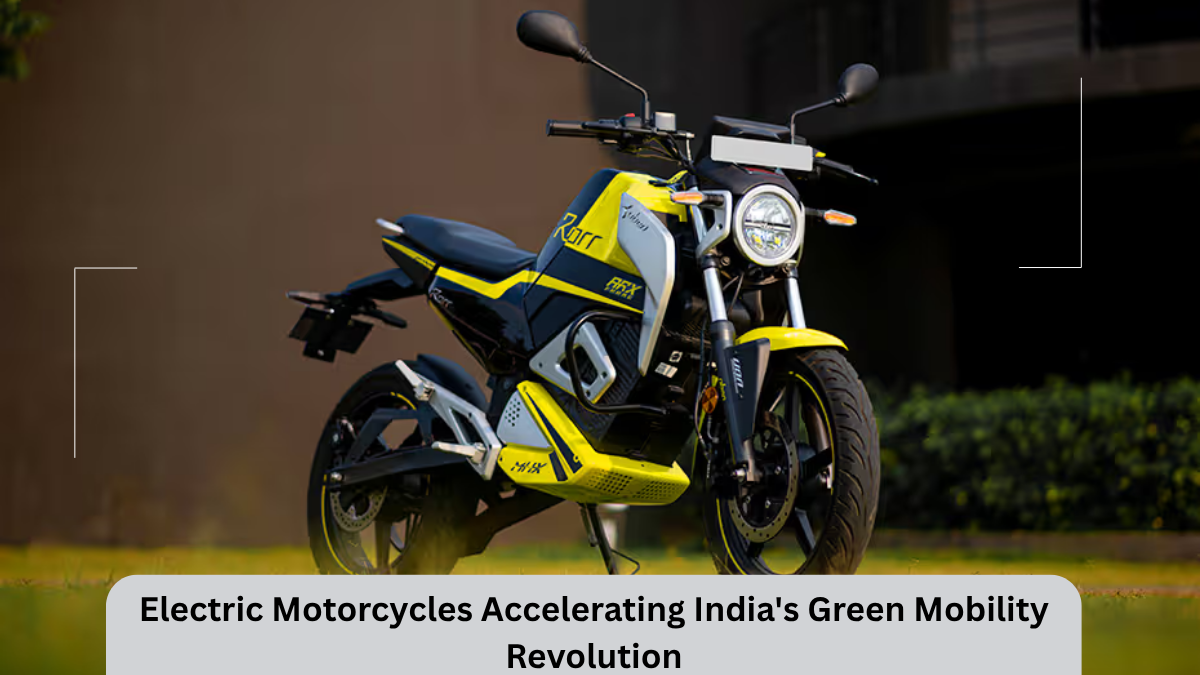
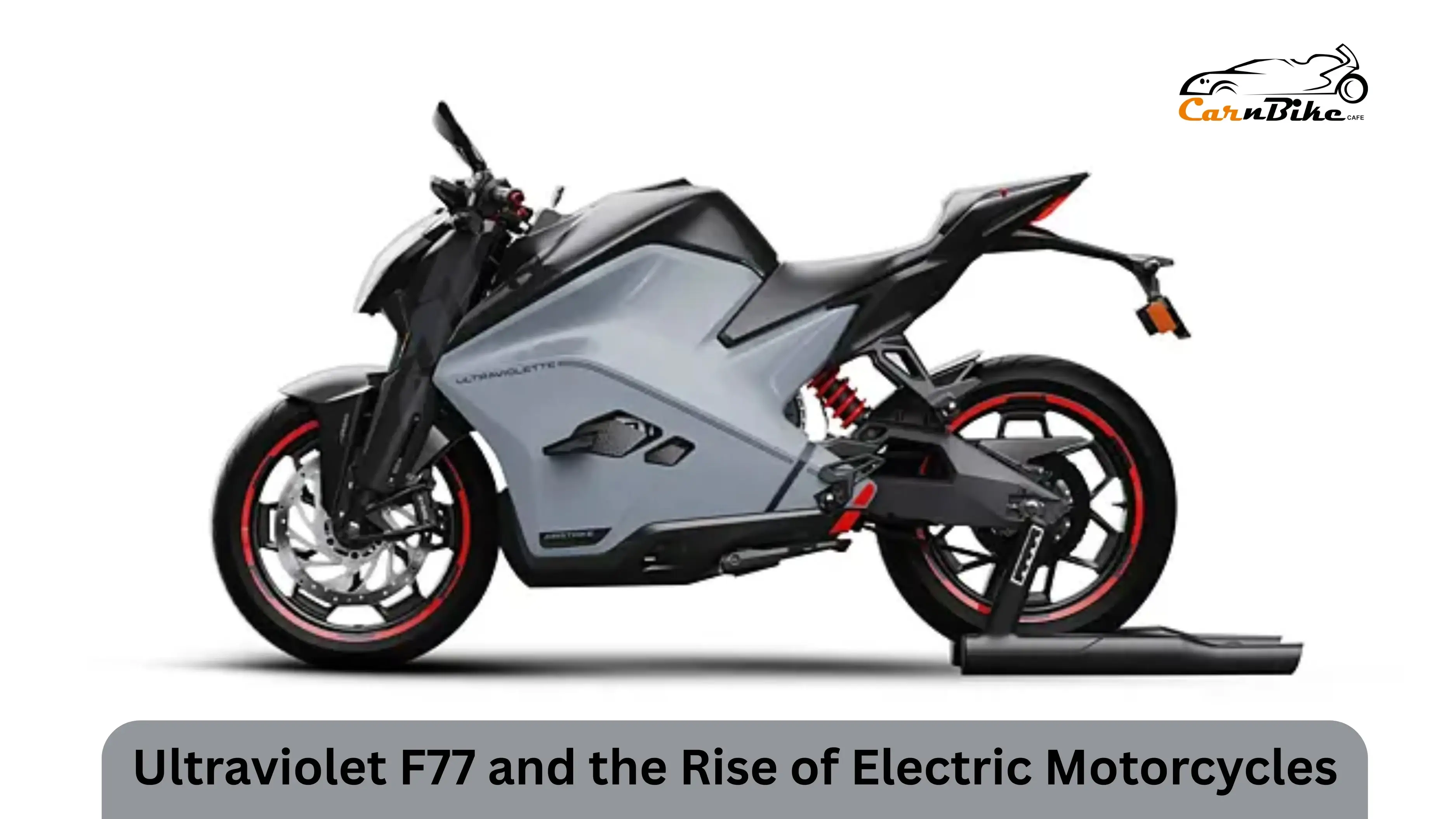
The rise of electric motorcycles in India holds great promise for reducing pollution, saving on fuel costs, and creating a more sustainable future. However, as with any emerging technology, there are several challenges to overcome before electric bikes can achieve widespread adoption. Here's a look at the major obstacles and the solutions that can help tackle them:
1. Charging Infrastructure: Build a Strong Network
The Challenge:
In India, the availability of charging stations is still very limited, especially in smaller cities and rural areas. This makes long-distance travel and even daily commuting a challenge for electric motorcycle owners.
How to Overcome It:
To overcome this, private companies, government agencies, and local communities need to work together. Expanding the charging infrastructure across both urban and rural areas is essential. Fast-charging stations should be set up along highways and popular routes. Public-private partnerships can help make this a reality, encouraging both investment and the establishment of more charging points. Additionally, promoting home charging solutions and setting up charging stations at residential complexes and workplaces can provide convenience to daily riders.
2. High Initial Cost: Reduce the Financial Barrier
The Challenge:
Electric motorcycles are typically more expensive than their petrol counterparts, primarily due to the cost of lithium-ion batteries. The higher upfront price is a key factor deterring potential buyers.
How to Overcome It:
To address the cost barrier, manufacturers can explore cheaper battery options, such as solid-state batteries, which are more affordable and efficient. The government can also play a crucial role by increasing subsidies and offering tax incentives for electric motorcycle buyers. As battery technology advances, the cost of manufacturing will likely decrease, making electric motorcycles more affordable. Another solution is to introduce battery leasing models, where the battery is rented instead of being purchased, lowering the upfront cost for consumers.
You May Read Also: The Rise of Self-Charging Electric Bikes: Fact or Fiction?
3. Limited Range: Improve Battery Life and Offer Swappable Batteries
The Challenge:
Most electric motorcycles offer a range of about 80–120 km per charge, which is fine for city commuting but falls short for long-distance riders.
How to Overcome It:
Improving battery technology is key to increasing range. Manufacturers should focus on higher-density batteries that provide more energy without compromising weight or performance. Additionally, battery swapping stations can be introduced to allow riders to quickly exchange a depleted battery for a fully charged one. This model has already proven successful in some countries and could be adapted for Indian roads, ensuring longer rides without worrying about finding charging stations.
4. Maintenance Expertise: Train Local Technicians and Service Centers
The Challenge:
Electric motorcycles require specialized maintenance and repairs that many local service centers and mechanics aren’t equipped to handle.
How to Overcome It:
As electric motorcycles grow in popularity, there’s a need for training programs for mechanics and service centers across India. Manufacturers should collaborate with local workshops to ensure that technicians are skilled in maintaining electric bikes, including battery care and electric motor repairs. Establishing a wider network of certified service centers will make it easier for owners to find reliable maintenance, reducing the time and effort needed for repairs.
5. Battery Disposal and Recycling: Create Sustainable Solutions
The Challenge:
The disposal and recycling of lithium-ion batteries is a growing concern. As more electric motorcycles hit the roads, the environmental impact of battery waste will become a pressing issue if not addressed.
How to Overcome It:
The government and manufacturers must focus on building a robust battery recycling infrastructure. Companies should implement take-back schemes where old batteries can be returned and properly recycled. Additionally, efforts should be made to design batteries that are easier to recycle, using more sustainable materials. Public awareness campaigns on the importance of proper disposal and recycling will also help consumers understand their role in minimizing the environmental impact.
Overcoming these challenges will require cooperation from government bodies, private enterprises, and consumers. With advancements in battery technology, charging infrastructure, and recycling practices, electric motorcycles have the potential to become a mainstream option for commuters across India.
By addressing the barriers head-on and focusing on solutions like affordable pricing, improved battery performance, and expanded infrastructure, India can accelerate the transition to electric motorcycles, paving the way for a cleaner, greener future.
Book a Test Drive
Free doorstep test drive at your convenience
Latest Electric Bike News
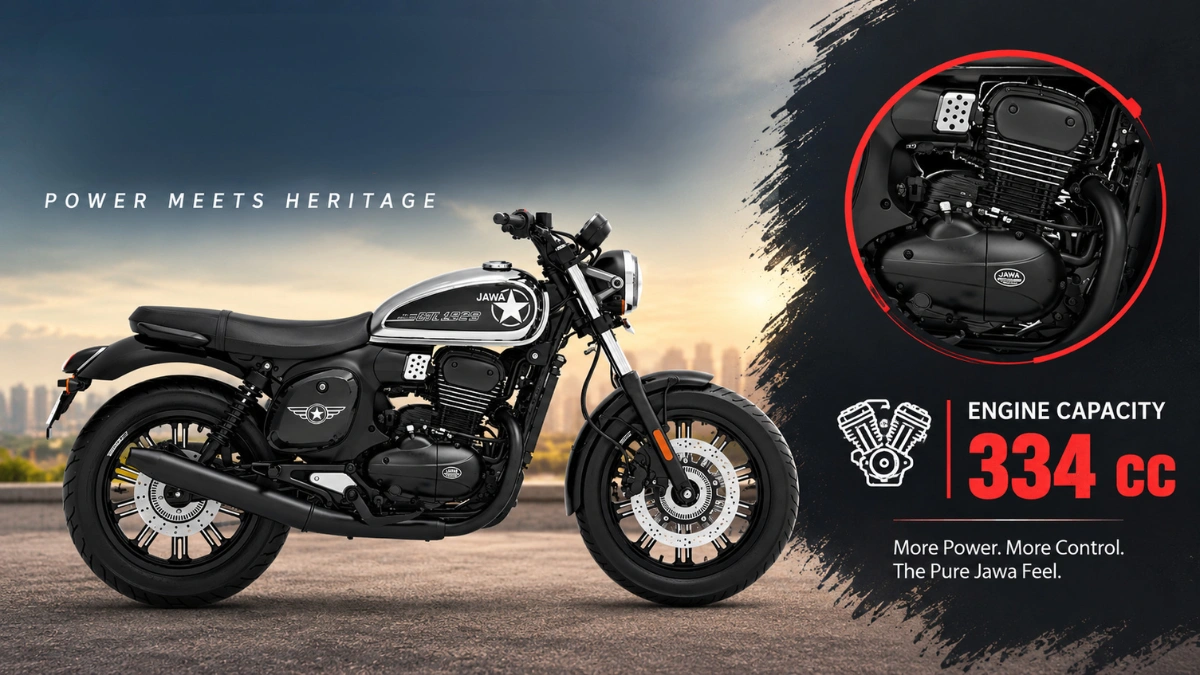
Jawa 42 All Stars Engine Capacity in CC with Complete Specifications
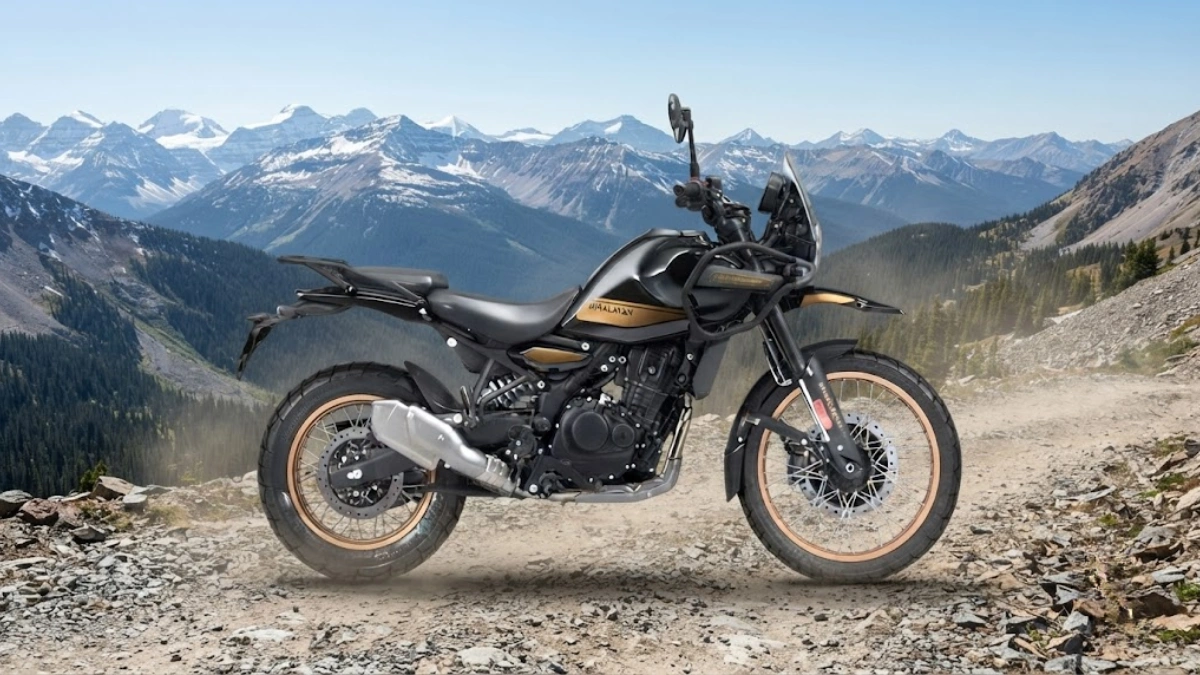
Royal Enfield Himalayan 440 Booking: How to Book, Price & Delivery Date
Royal Enfield Himalayan 440 Launch Today: 5 Things to Know Before the Reveal
Bike Taxi on White Number Plate Bikes: Nitin Gadkari Urges States to Allow Permits
Royal Enfield Himalayan 440 Spotted At Dealership Ahead Of 4 September Launch
2027 Kawasaki Ninja 500 vs KTM RC 390 vs Yamaha R3: Complete Comparison
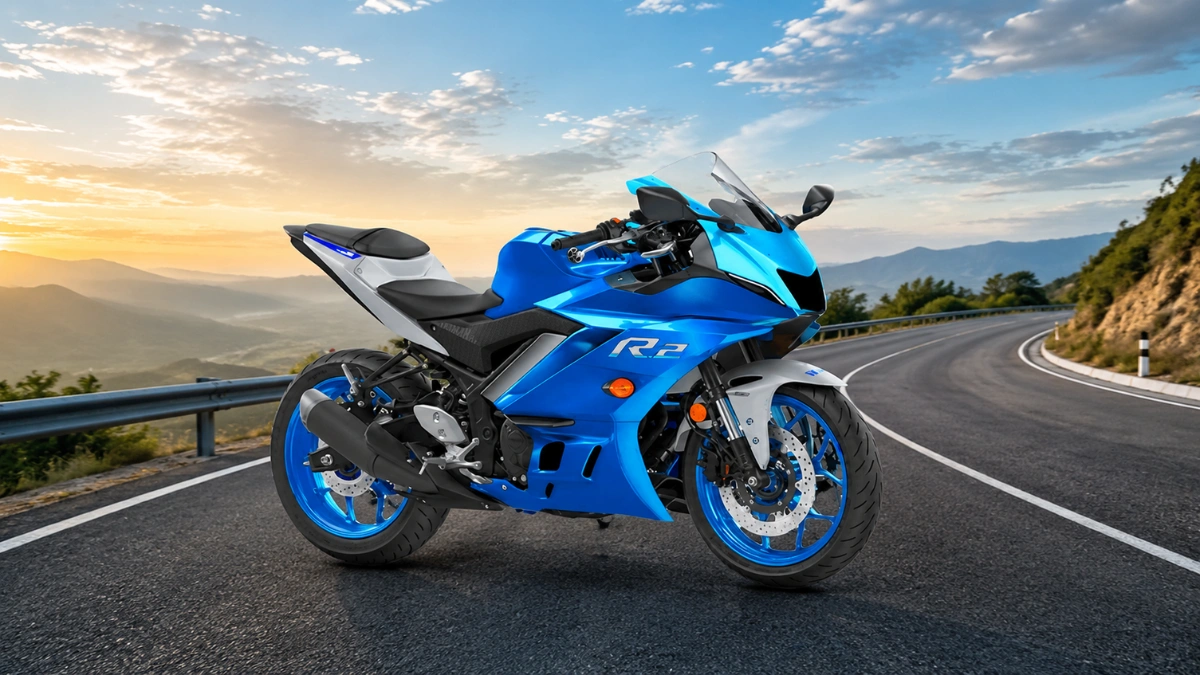
Yamaha R2 vs R15 vs R3: Which Yamaha Sports Bike Should You Buy?
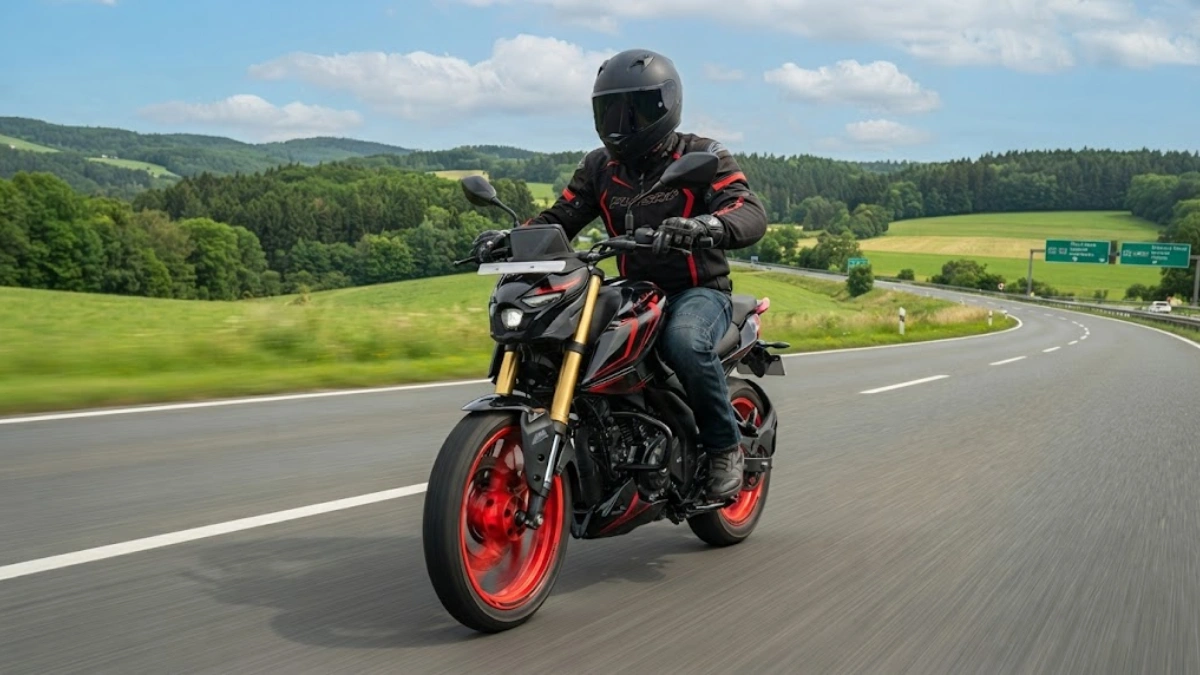
Bajaj Pulsar N160 SS Mileage: Real-World Average, City & Highway Figures
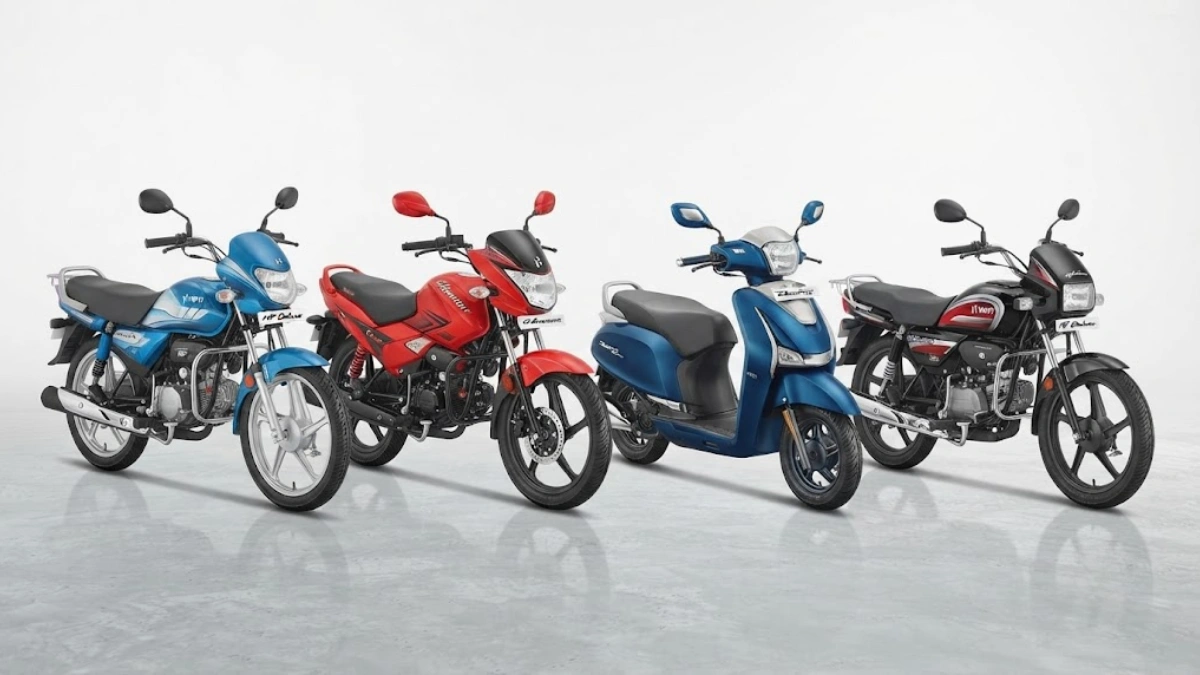
Hero June 2026 Sales Report: Splendor, HF Deluxe, Destini & Glamour
War Impact on Two-Wheeler Market: Sales Growth or Slowdown in 2026?
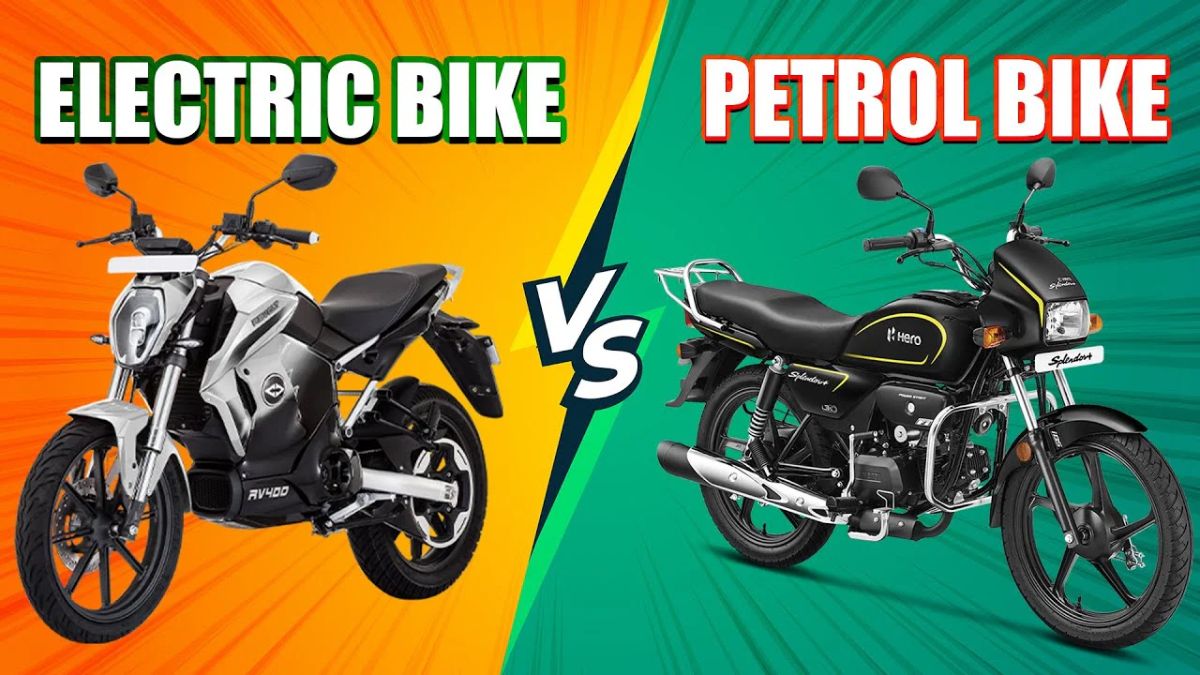
Electric Bikes vs Petrol Bikes During War: Which Is the Smarter Choice?
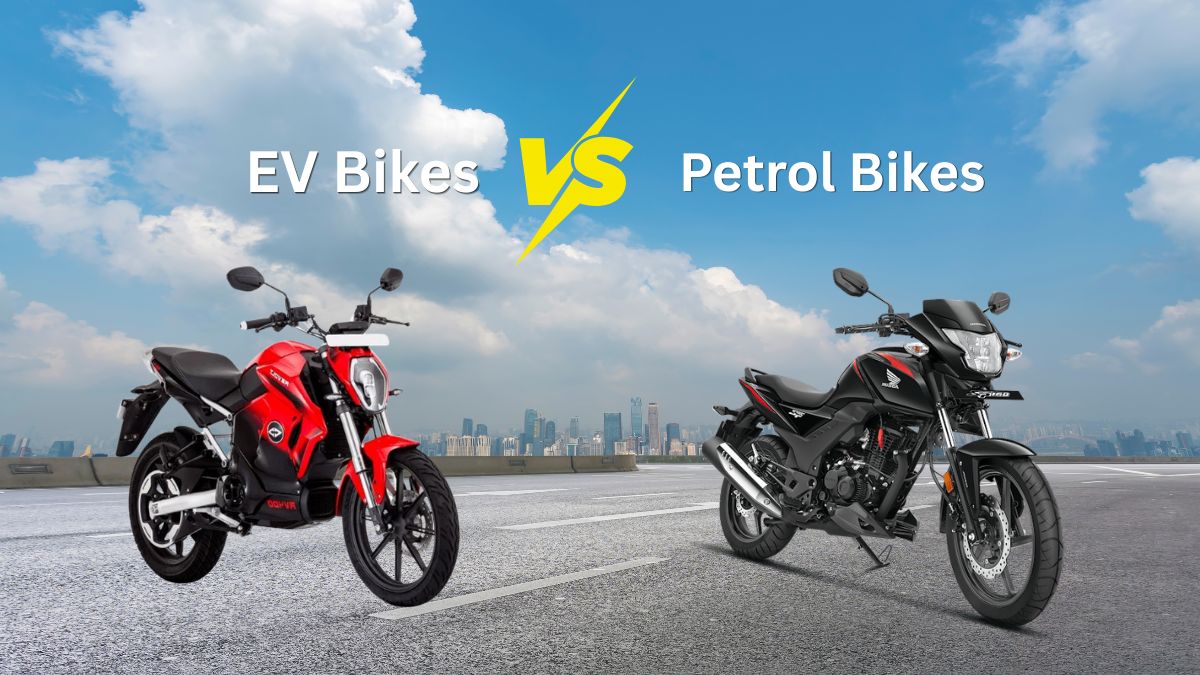
EV Bikes vs Petrol Bikes: Which One Holds the Future in 2026?
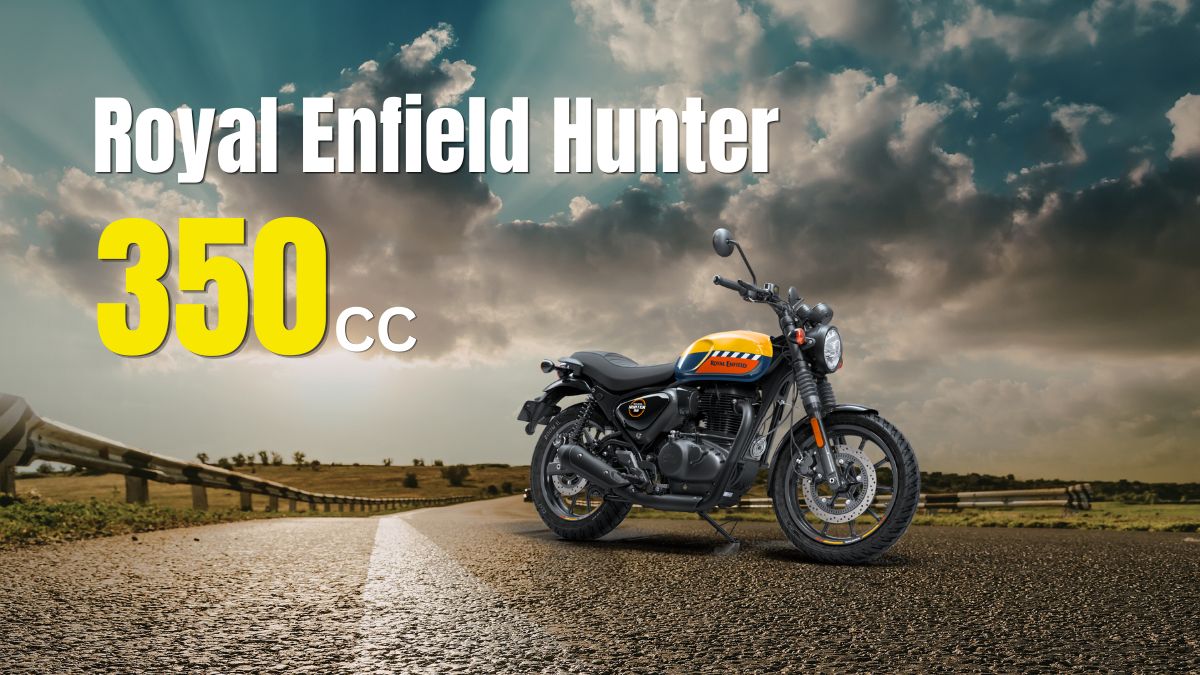
Royal Enfield Hunter 350 Launched in 2026: What’s New in India’s Popular Bike?
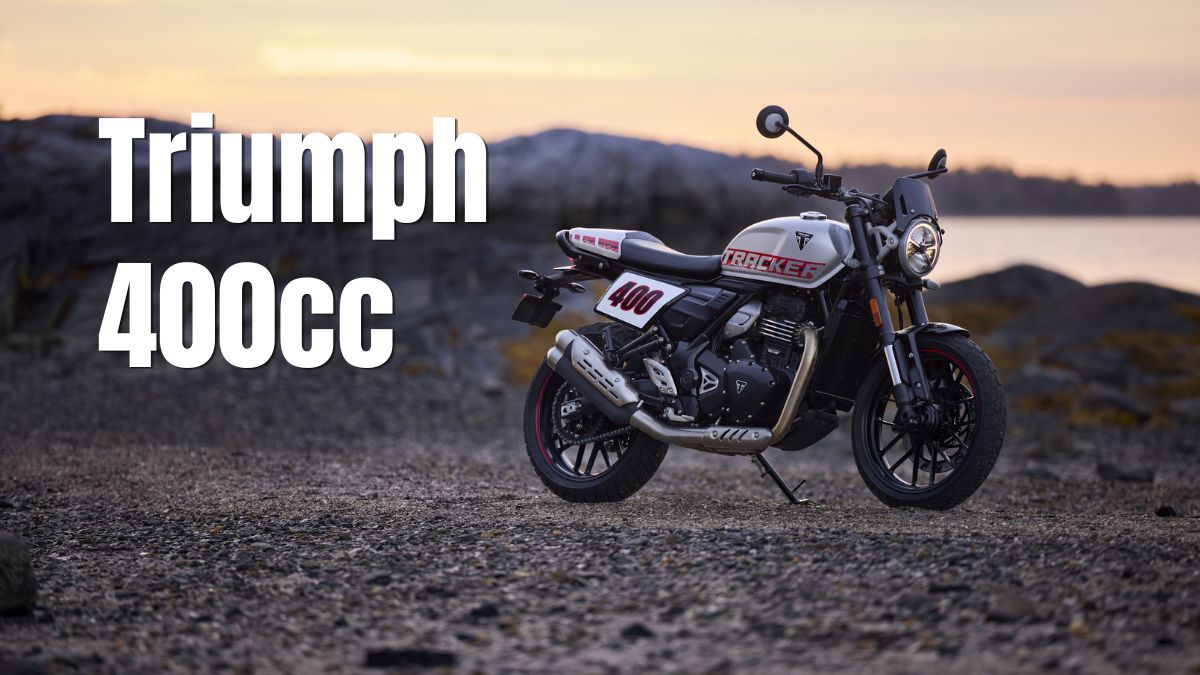
Triumph Tracker 400 (350cc) Launched in India: Affordable Premium Bike?
Upcoming Bikes April 2026: 5 Bikes That Can Change the Market
Hero Xtreme 160R 4V Launched in India with Cruise Control: Price, Features and Full Specs
Hero MotoCorp February 2026 Sales Report: No.1 Again?
TVS Holi Finance Scheme 2026 Brings 0% Down Payment
Bajaj Holi Discount 2026: ₹10,000 Off Bikes
Top 5 Best Mileage Bikes in India 2026 Under ₹1 Lakh