An electric vehicle or diesel-powered car — which is better?
- Electric-Cars
- Published: 21 Jan, 2025
- Updated: 05 May, 2025
Book a Test Drive
Free doorstep test drive at your convenience
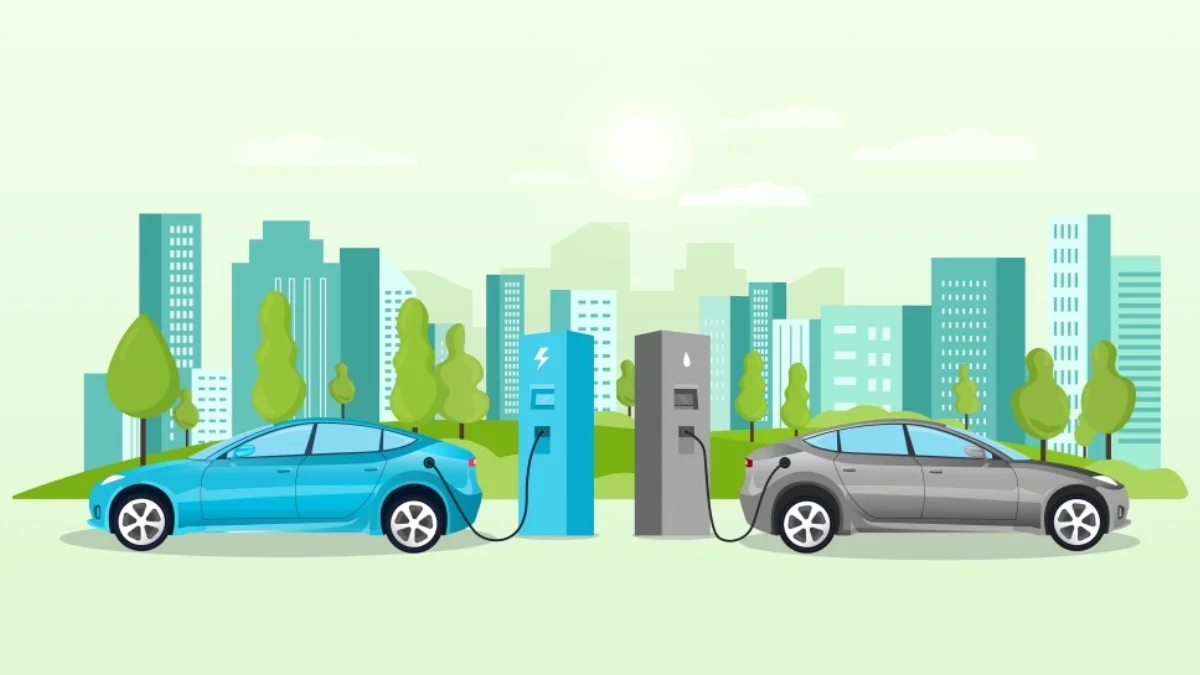
The debate between electric cars (EVs) and petrol cars has become more relevant than ever as the automotive industry leans toward sustainability. Both options have their unique benefits and limitations, but which one is better for you depends on your preferences, budget, and lifestyle. Here’s a detailed comparison to help you decide.
1. Cost of Purchase
● Electric Cars: Generally, EVs have a higher upfront cost due to battery technology. However, government subsidies and tax incentives help reduce the price.
● Petrol Cars: Petrol vehicles are cheaper initially, making them a popular choice for budget-conscious buyers.
Winner: Petrol cars are more affordable upfront, but EVs can be cost-effective in the long run.
2. Running Costs
● Electric Cars: Charging an EV is significantly cheaper than refueling with petrol. Maintenance is also lower due to fewer moving parts.
● Petrol Cars: Petrol costs fluctuate and are generally higher than electricity rates, resulting in higher running costs.
Winner: Electric cars are more economical to operate.
3. Environmental Impact
● Electric Cars: EVs produce zero tailpipe emissions, making them eco-friendly. However, the environmental impact depends on the electricity source (renewable vs. non-renewable).
● Petrol Cars: Emit greenhouse gases, contributing to air pollution and climate change.
Winner: Electric cars are better for the environment.
4. Performance
● Electric Cars: Provide instant torque and smoother acceleration. EVs are quieter and offer a modern driving experience.
● Petrol Cars: Deliver consistent performance over long distances and are better suited for high-speed driving.
Winner: Tie. EVs excel in urban settings, while petrol cars are better for long-distance travel.
You May Read Also: Difference Between Electric Car vs Petrol Car: Who is Better?
5. Range and Refueling
● Electric Cars: Limited range, typically between 200-500 km per charge. Charging infrastructure is growing but still not as widespread as petrol stations.
● Petrol Cars: Offer longer ranges and faster refueling, making them more convenient for road trips.
Winner: Petrol cars lead in terms of range and refueling convenience.
6. Maintenance
● Electric Cars: Require minimal maintenance as they have fewer moving parts, no engine oil, and less wear and tear.
● Petrol Cars: Need regular servicing, including oil changes, spark plug replacements, and more.
Winner: Electric cars are easier and cheaper to maintain.
7. Resale Value
● Electric Cars: Resale values are currently lower due to concerns about battery life and charging infrastructure.
● Petrol Cars: Have a well-established resale market and retain value better.
Winner: Petrol cars perform better in resale value.
Who is Better: Electric or Petrol Cars?
● Electric Cars: Ideal for environmentally conscious buyers who prioritize low running costs, minimal maintenance, and urban driving.
● Petrol Cars: Better suited for those who need a budget-friendly initial purchase, longer ranges, and access to widespread refueling infrastructure.
Choosing between an electric car and a petrol car depends on your needs. If you value sustainability, low running costs, and cutting-edge technology, electric cars are the way to go. However, if you prefer affordability and convenience for long-distance travel, petrol cars might still be the better choice. As EV technology advances, the gap between the two is closing, making electric cars an increasingly viable option.
Book a Test Drive
Free doorstep test drive at your convenience
Popular Brands


Latest Electric Car News
Hyundai EV Compact SUV India Launch: Expected Price, Range & Key Details
Hybrids vs. EVs: Which Is Better for You?
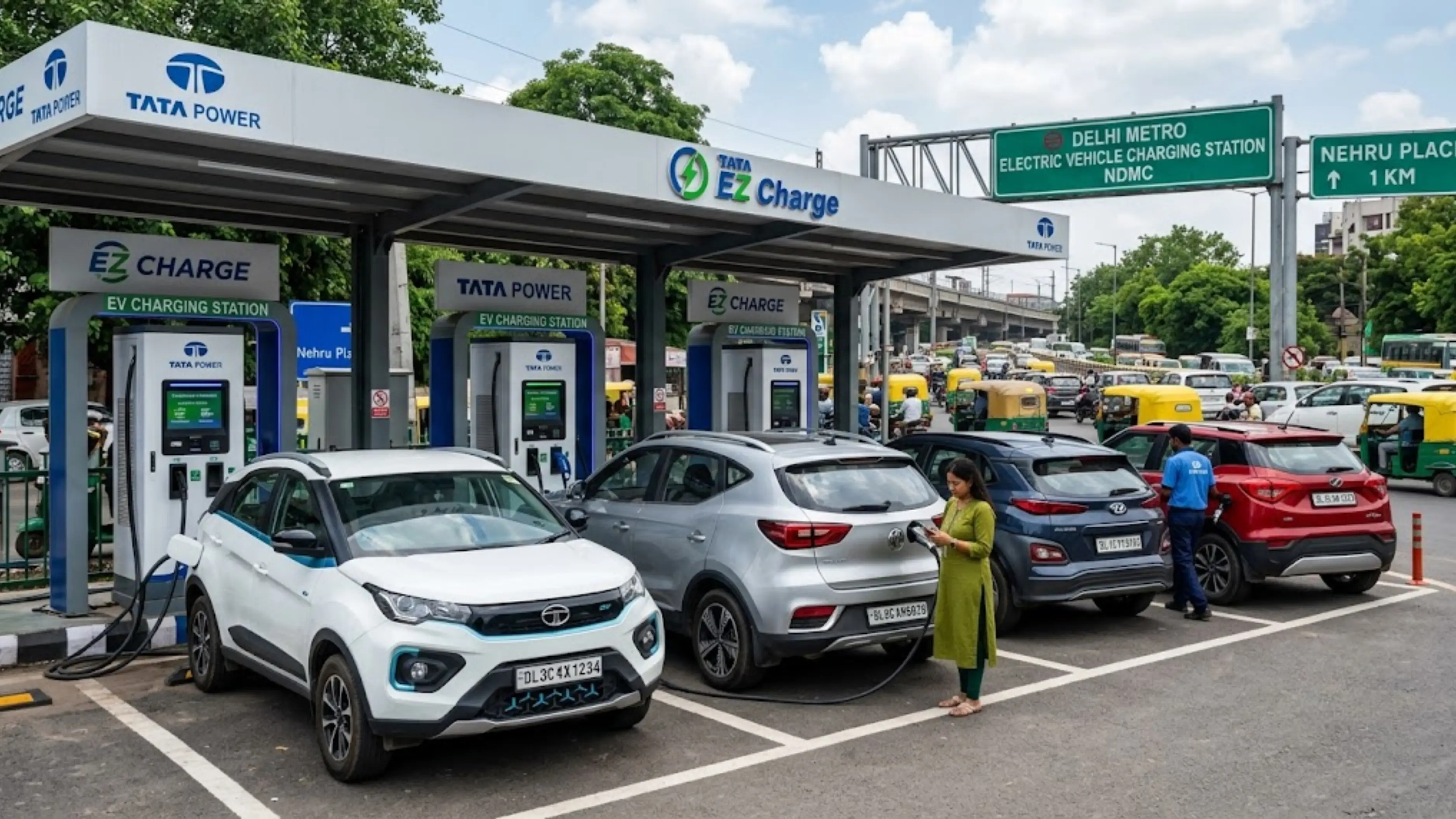
Delhi EV Policy 2026 in Effect from July 1
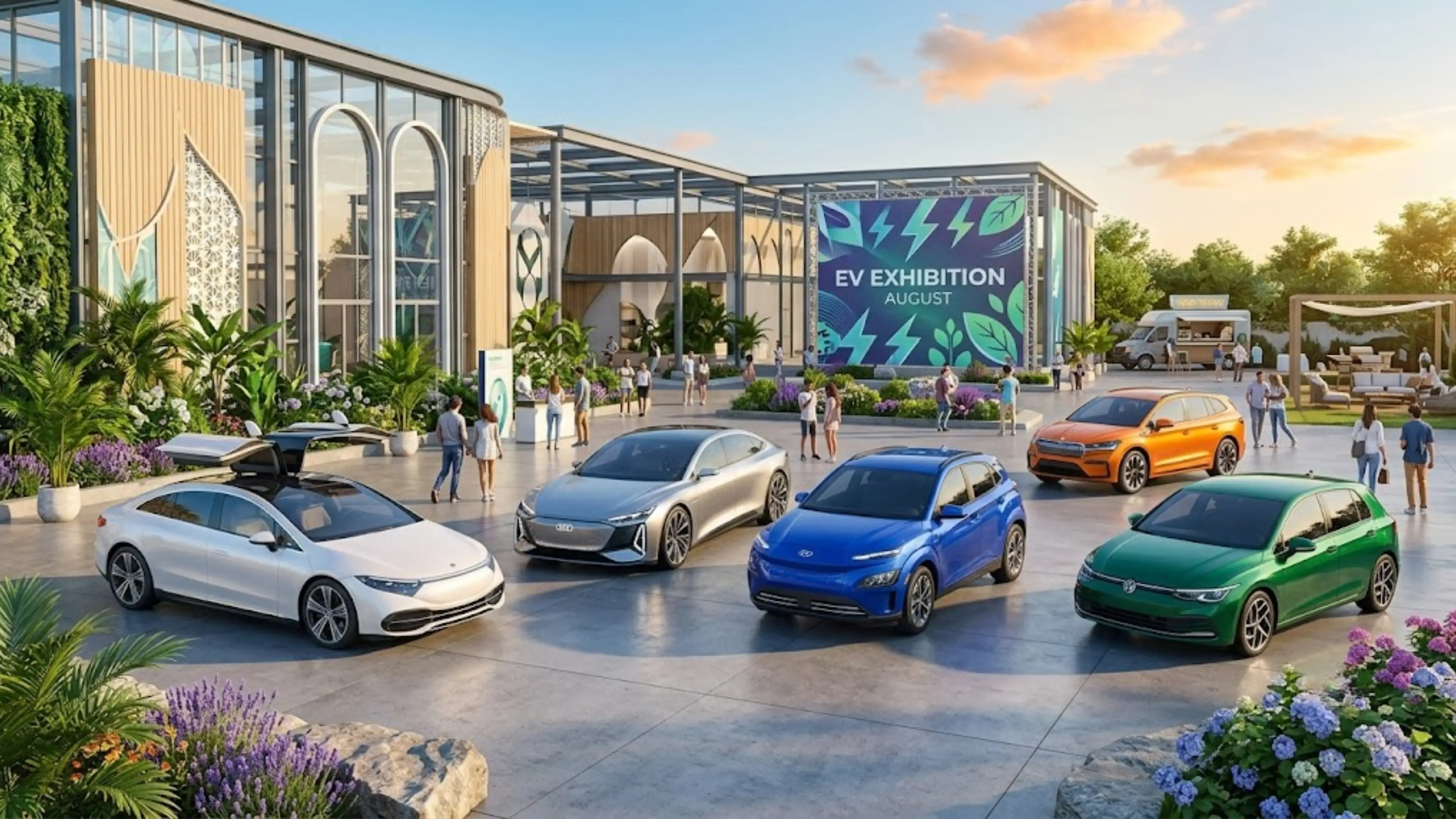
Upcoming Electric Cars in August 2026 in India
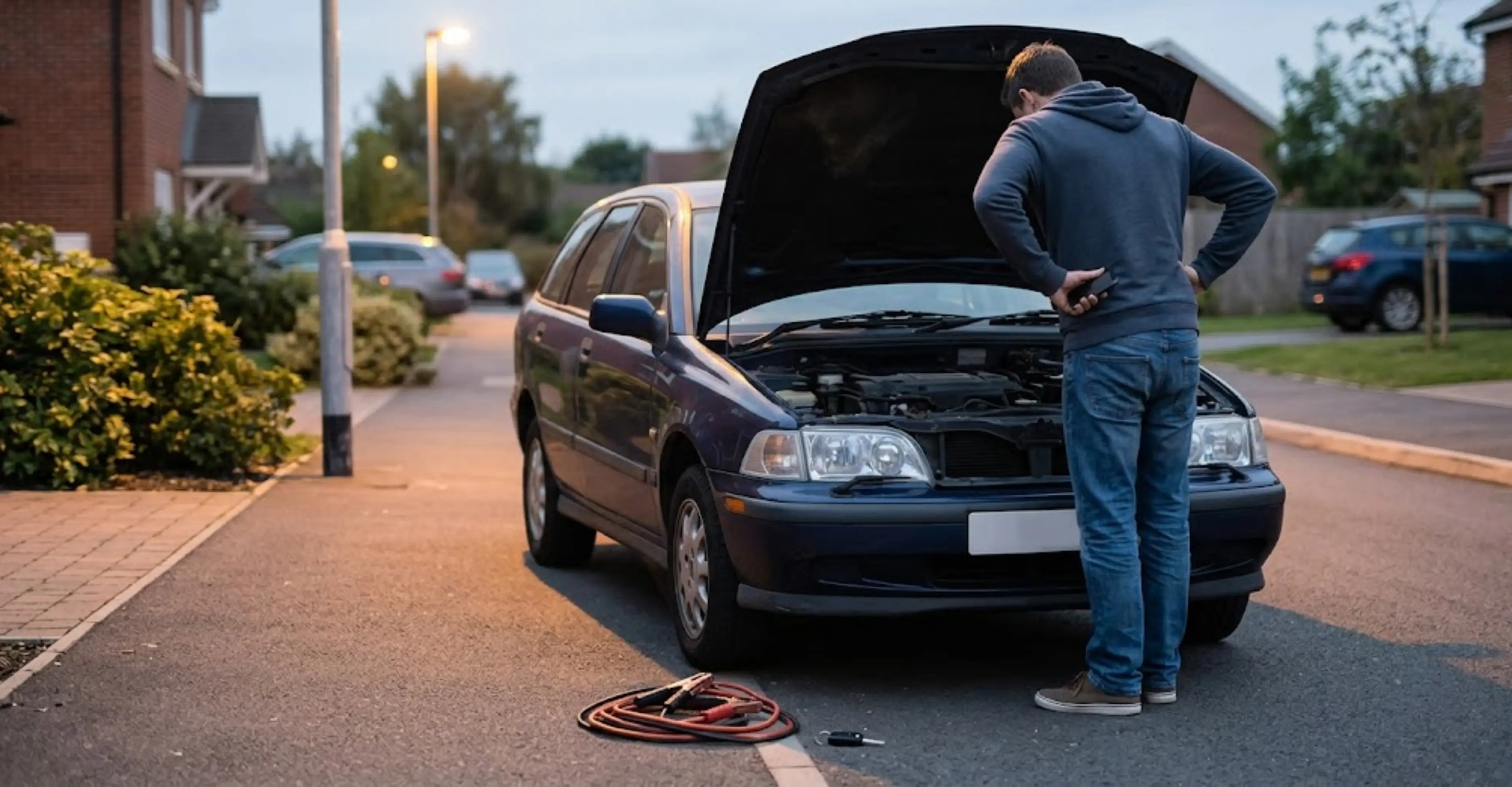
What to Do If Your Car Battery Is Dead
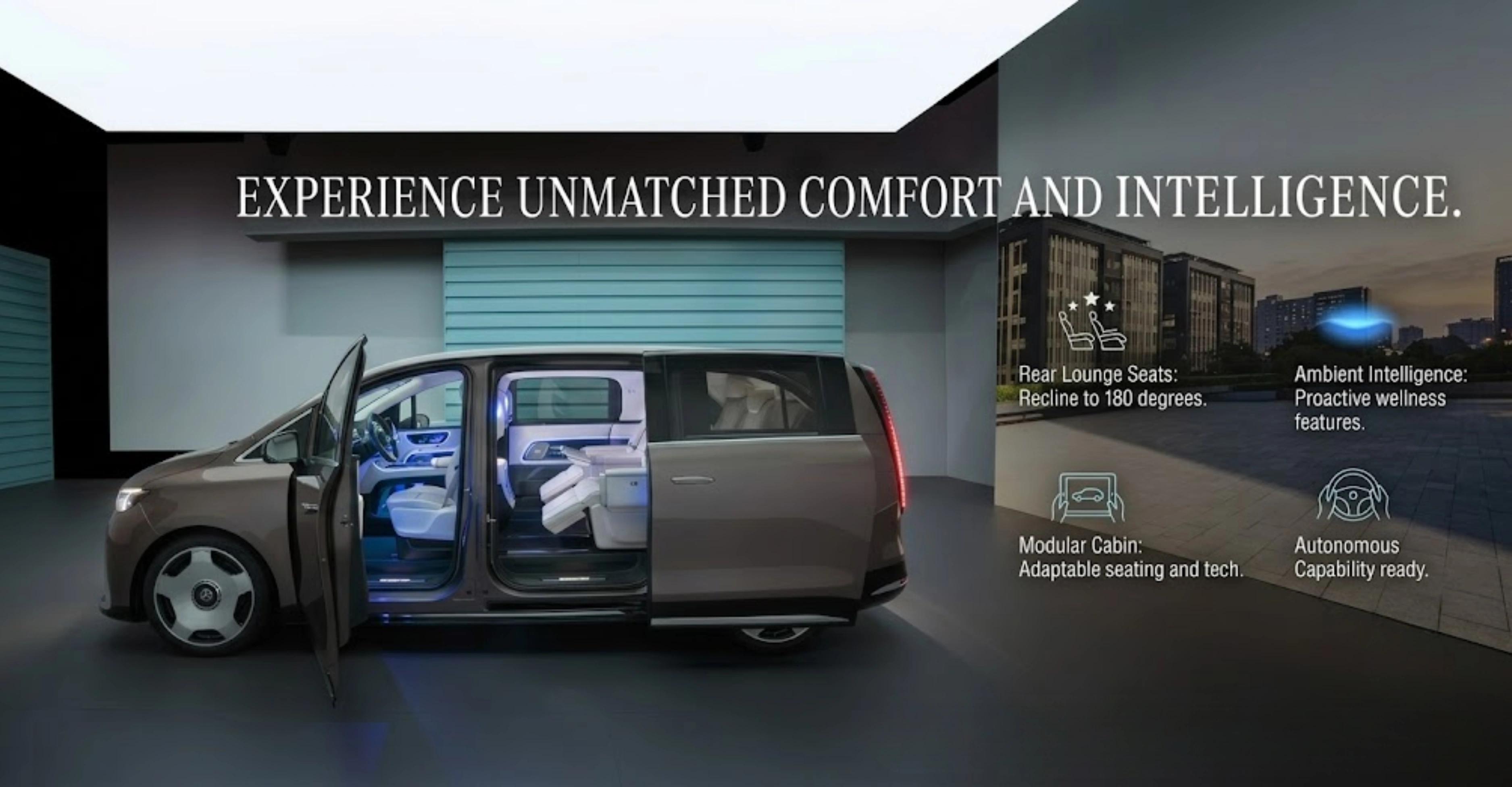
Mercedes-Benz VLE Unveiled: 8-Seater EV with 700+ KM Range
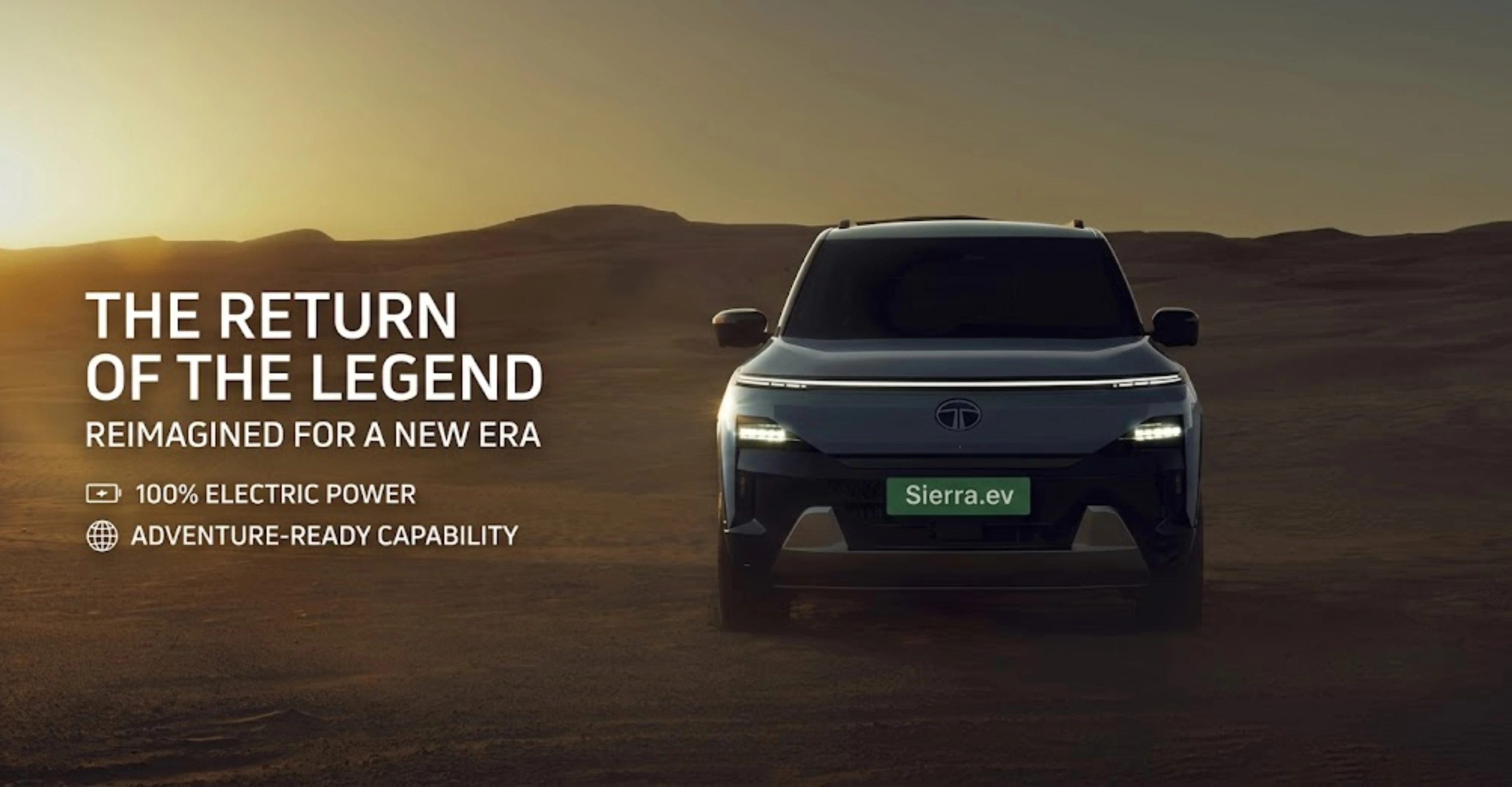
Tata Sierra EV First Look: 600+ KM Range, Triple Screens & More
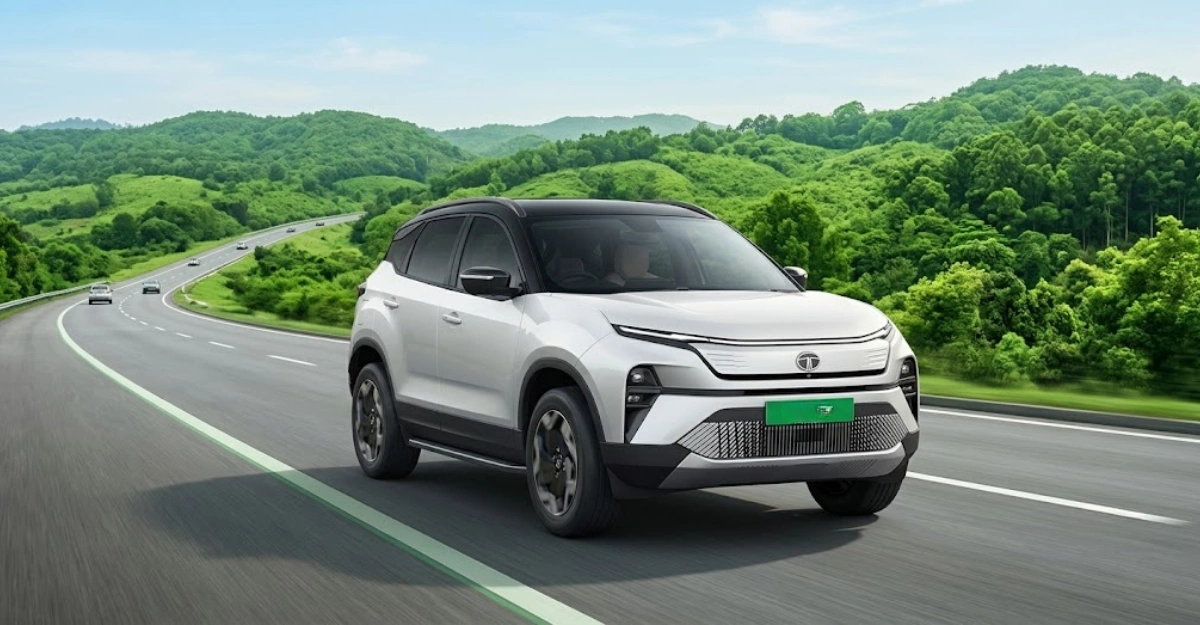
Top Accessories You Should Buy for Your Tata Harrier EV
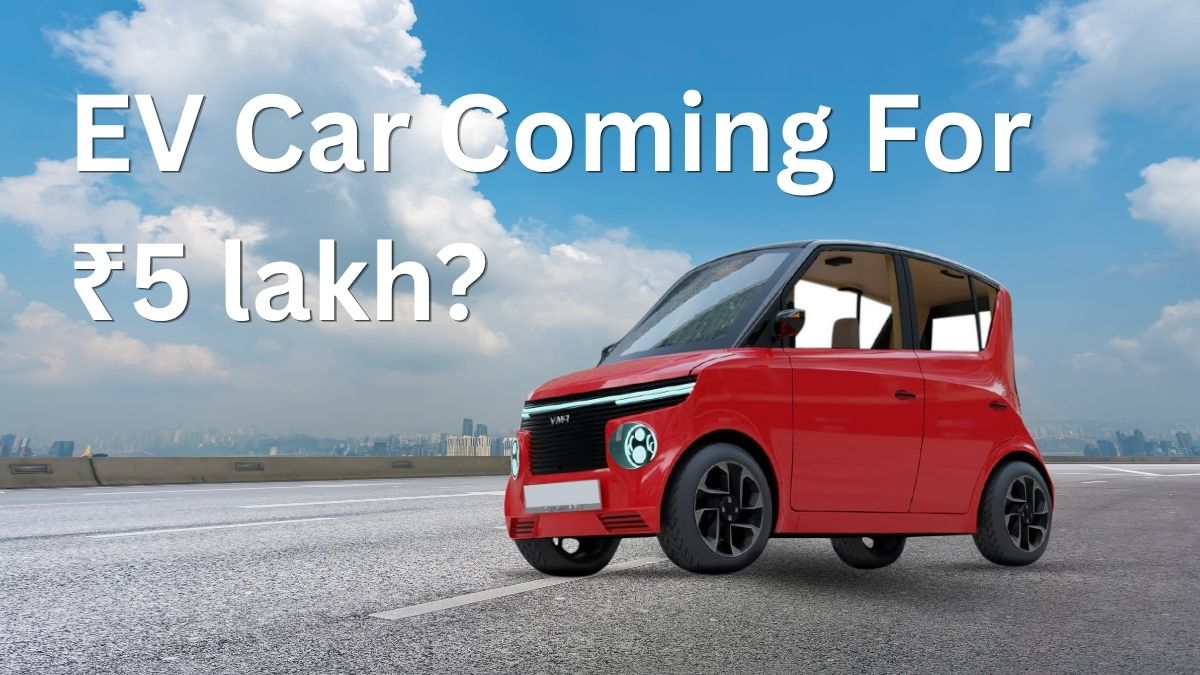
Is an EV Car Coming for ₹5 Lakh? A Major Shift in the Indian Auto Market
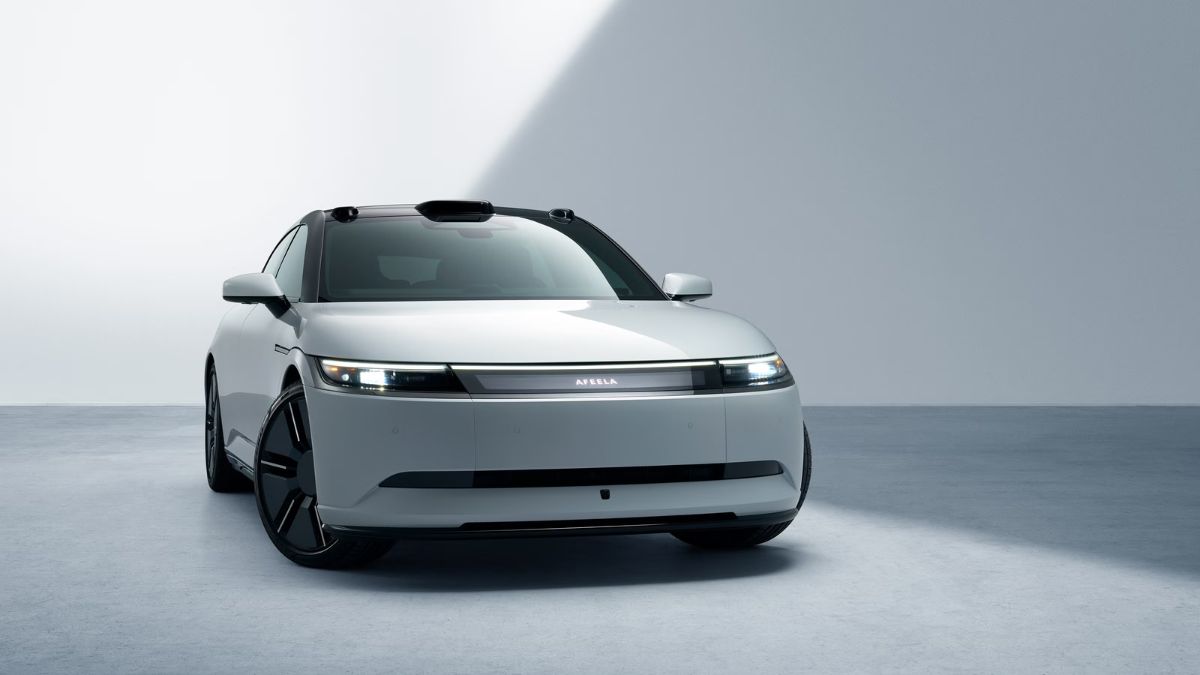
Top Upcoming SUVs and Electric Cars in April 2026 That Could Change the Market
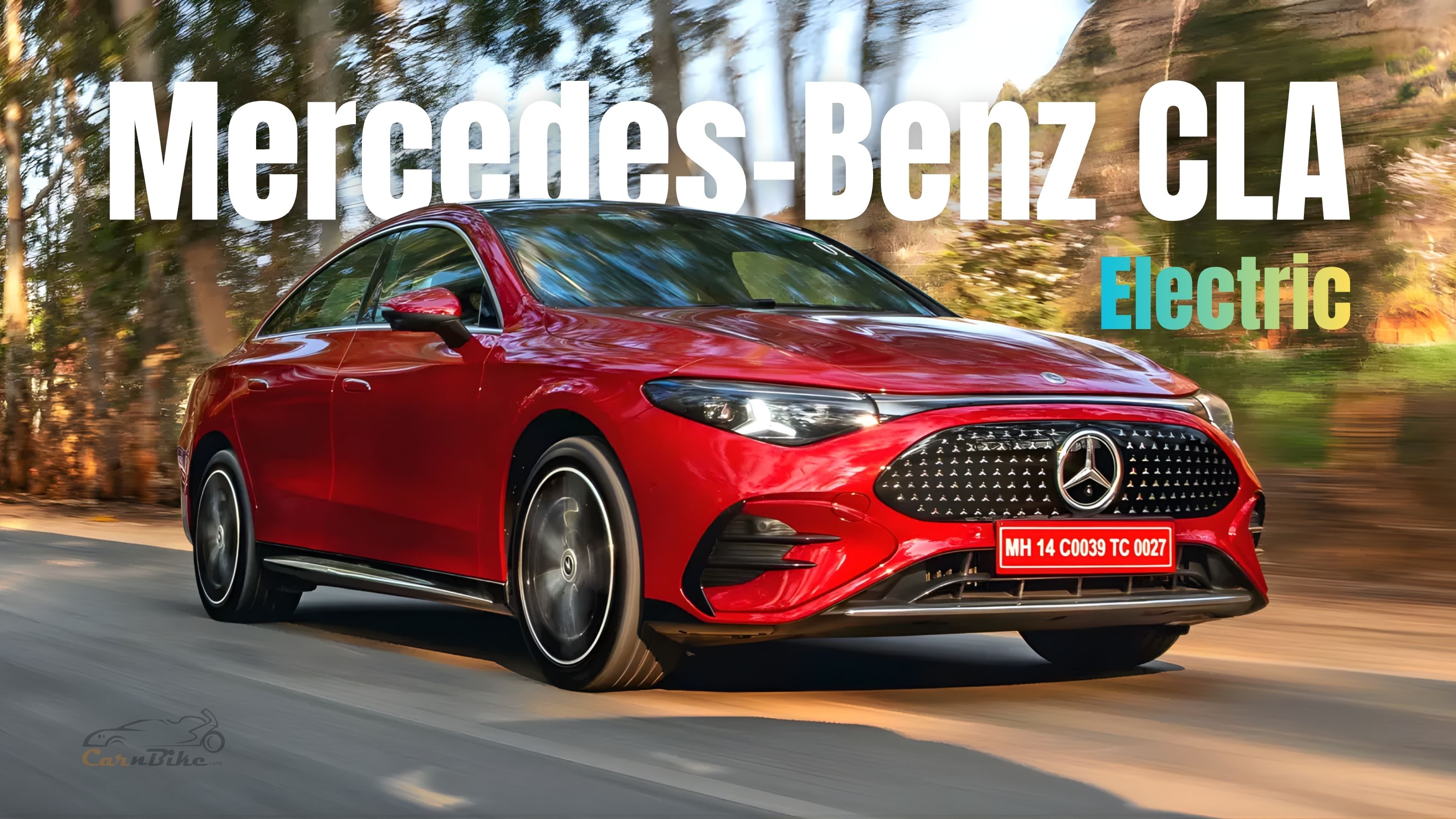
Bookings Open for the Mercedes-Benz CLA Electric – A New Competitor Enters India’s EV Market
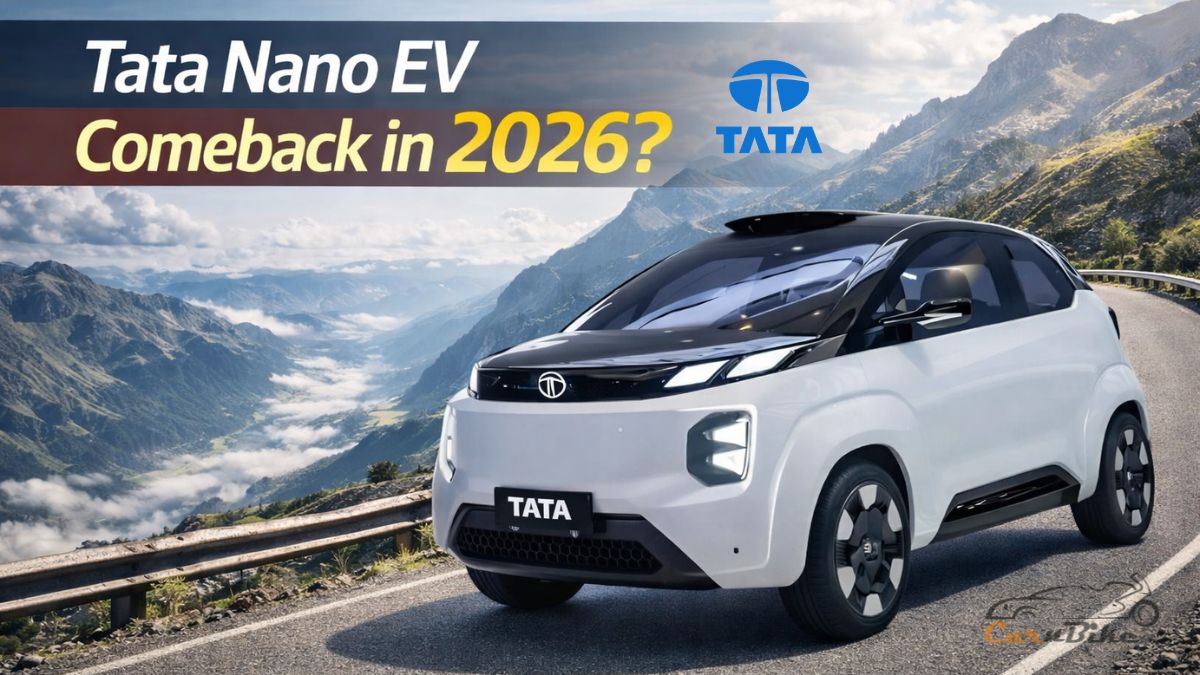
Tata’s New Budget Electric Car Coming in 2026 – Is the Nano EV Making a Comeback?
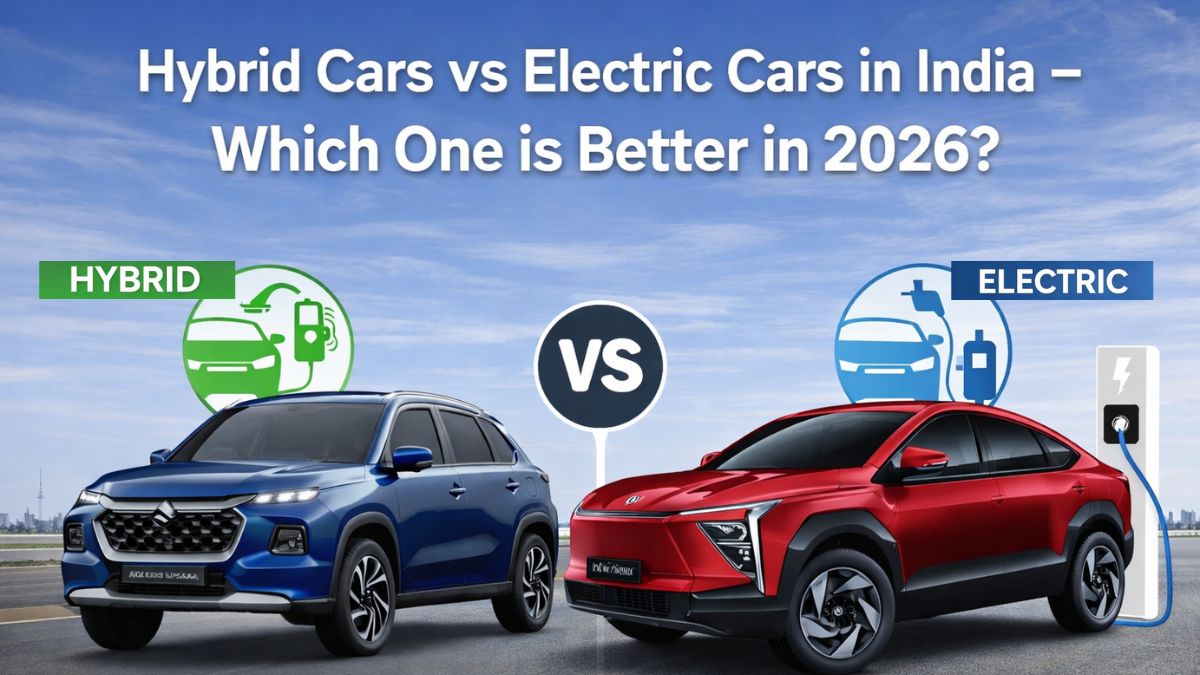
Hybrid Cars vs Electric Cars in India 2026: Which Is Better?
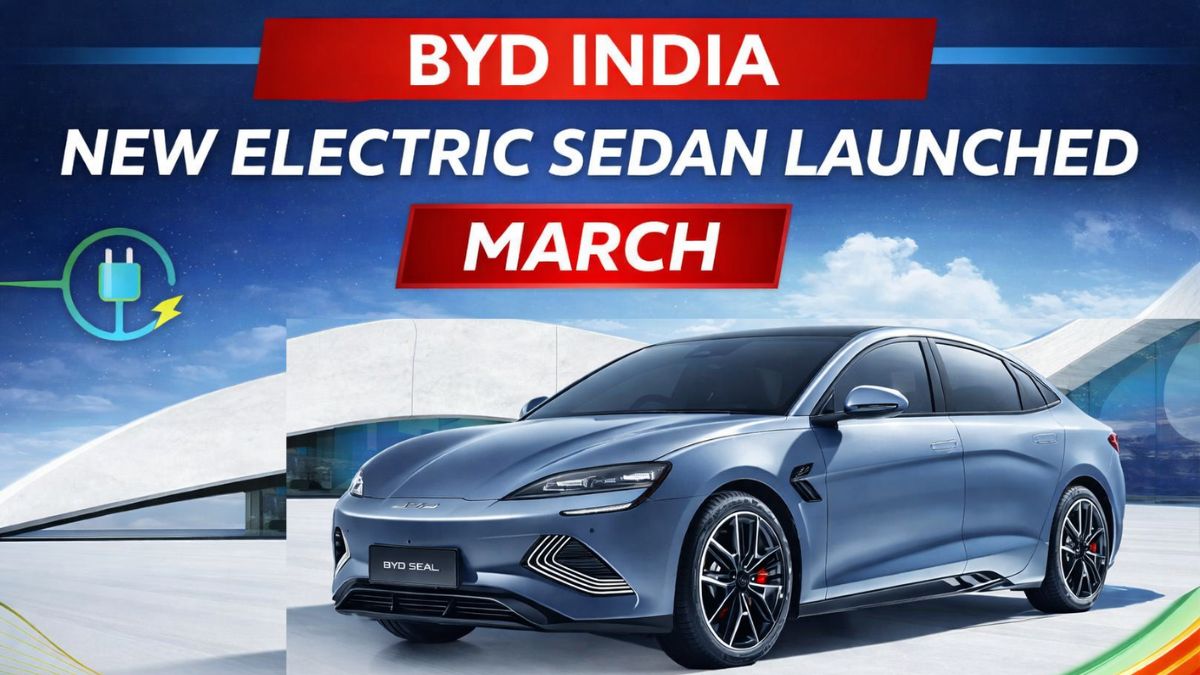
BYD India New Electric Sedan Launched – Price & Range Revealed
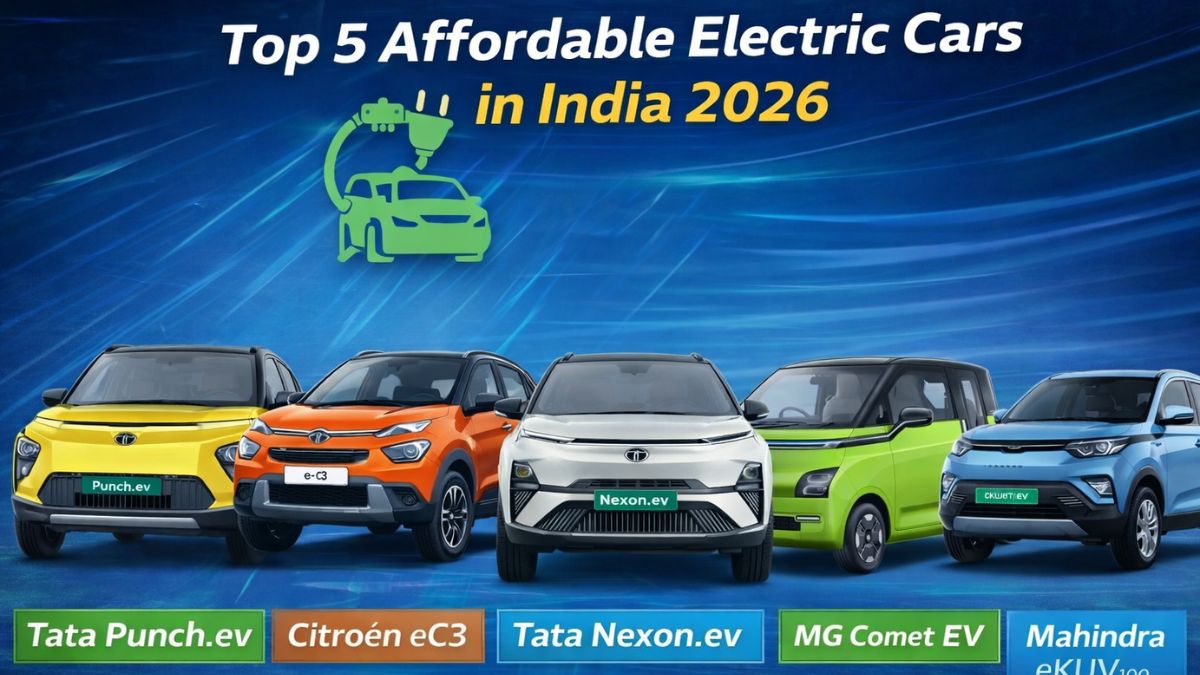
Top 5 Affordable Electric Cars in India 2026 (Best Budget EVs with Long Range)
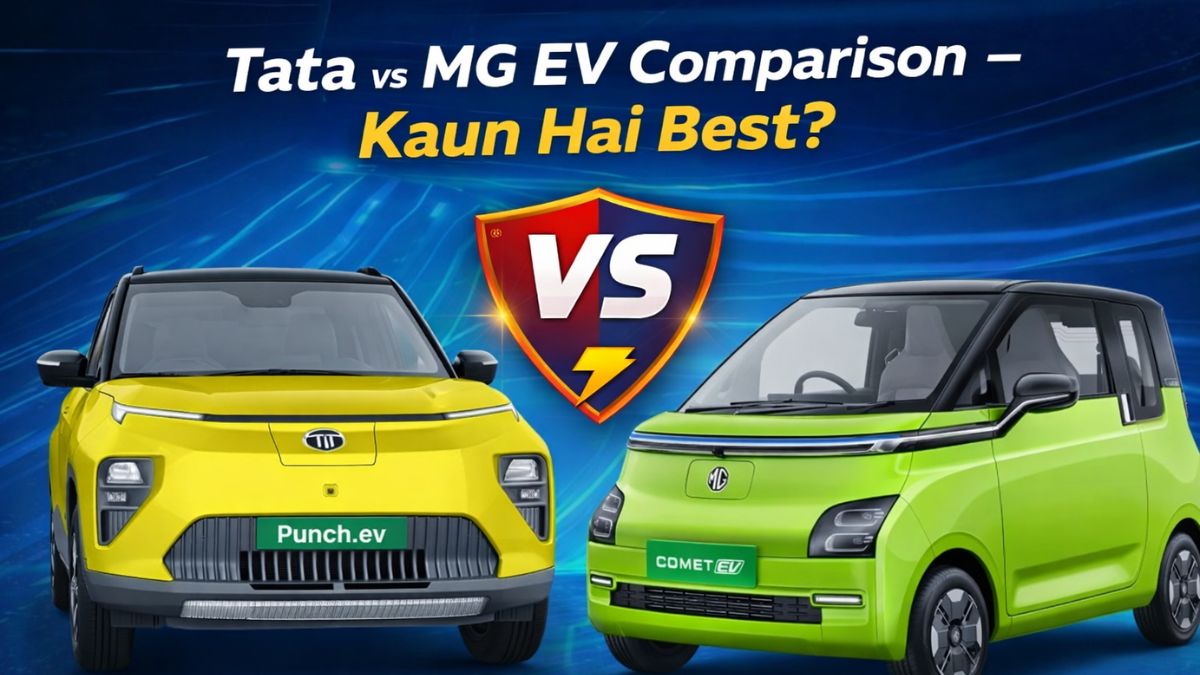
Tata vs MG EV Comparison – Which One Is Better in 2026?
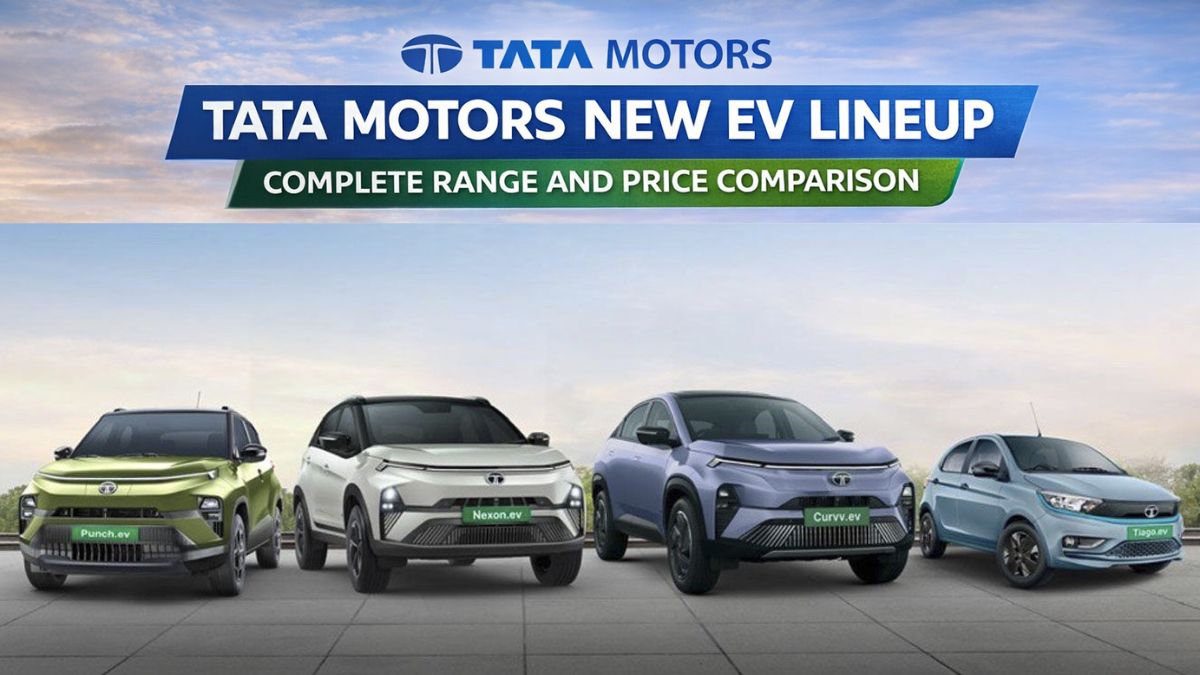
Tata EV Lineup 2026 REVEALED – Full Price Breakdown

Tesla India Booking Date LEAK – Big Update!
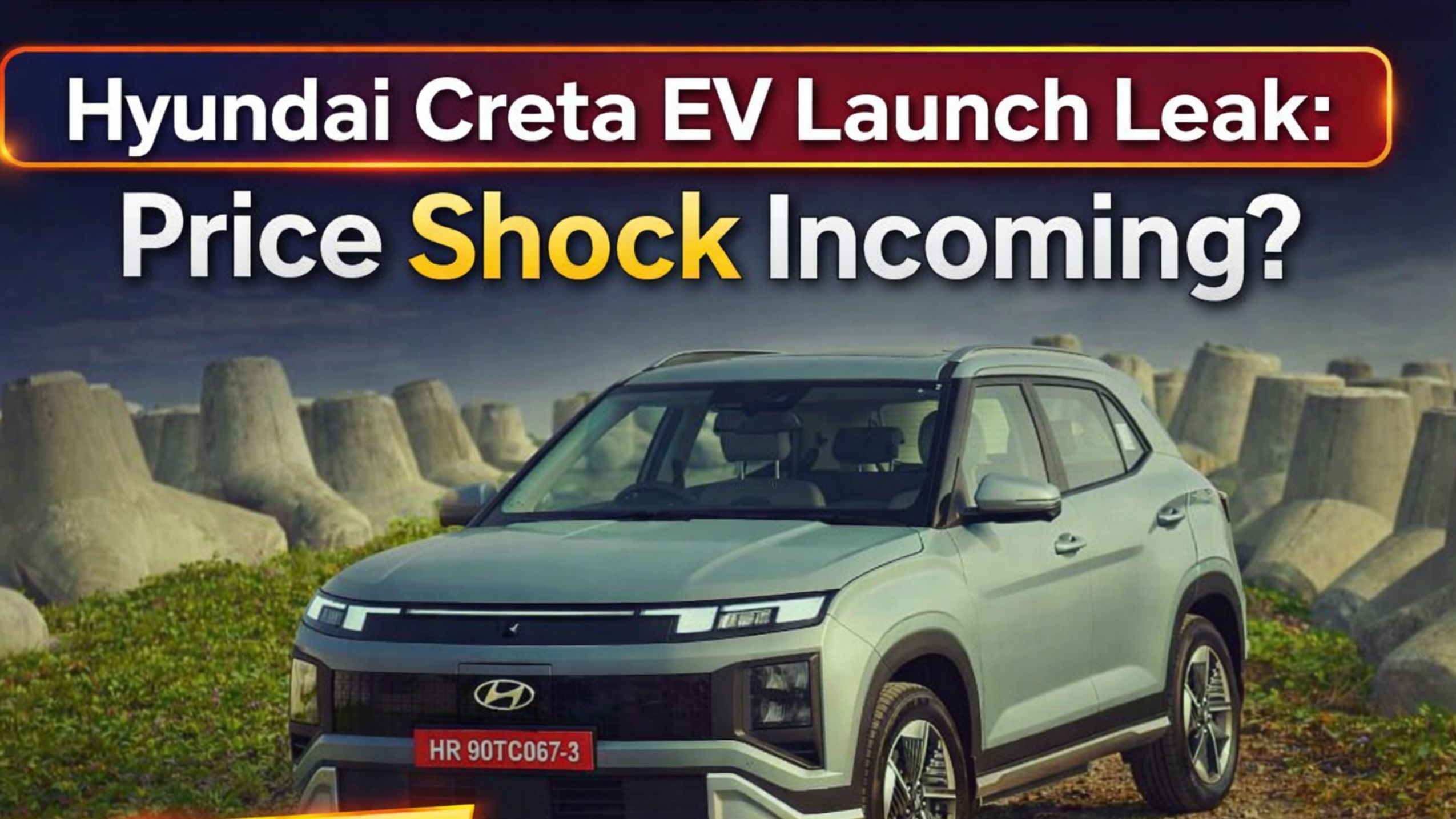
Hyundai Creta EV Launch Leak: Price Shock Incoming?
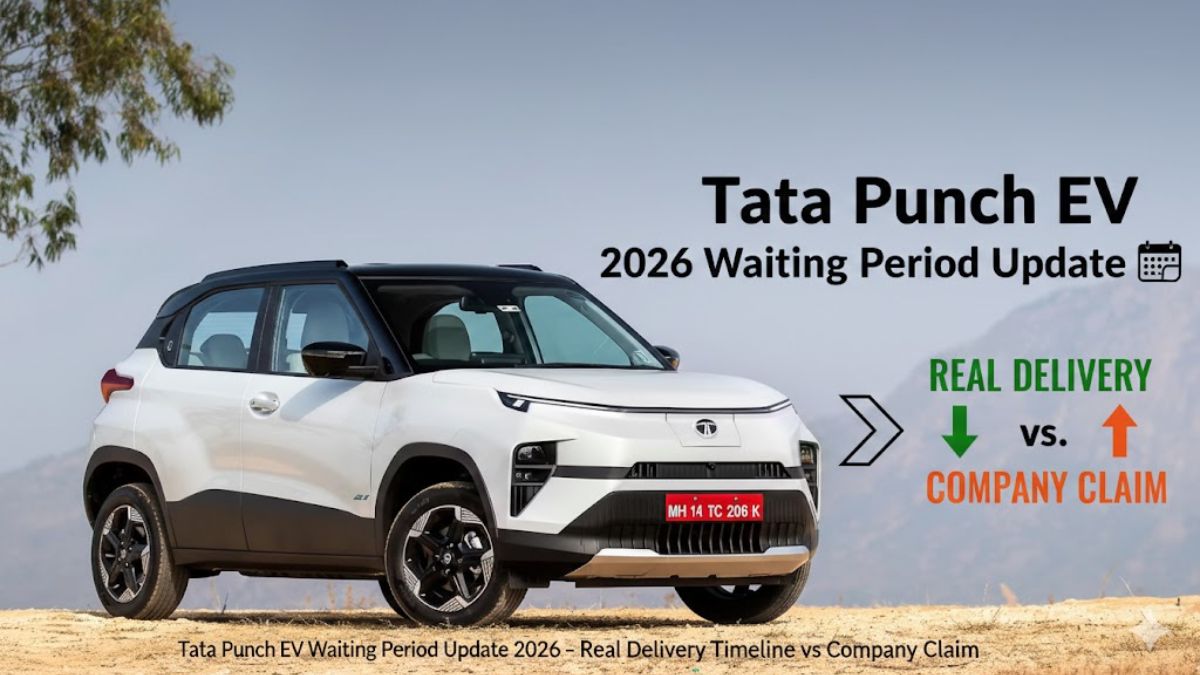
Tata Punch EV Waiting Period Update 2026: Real Delivery Timeline vs. Company Claims